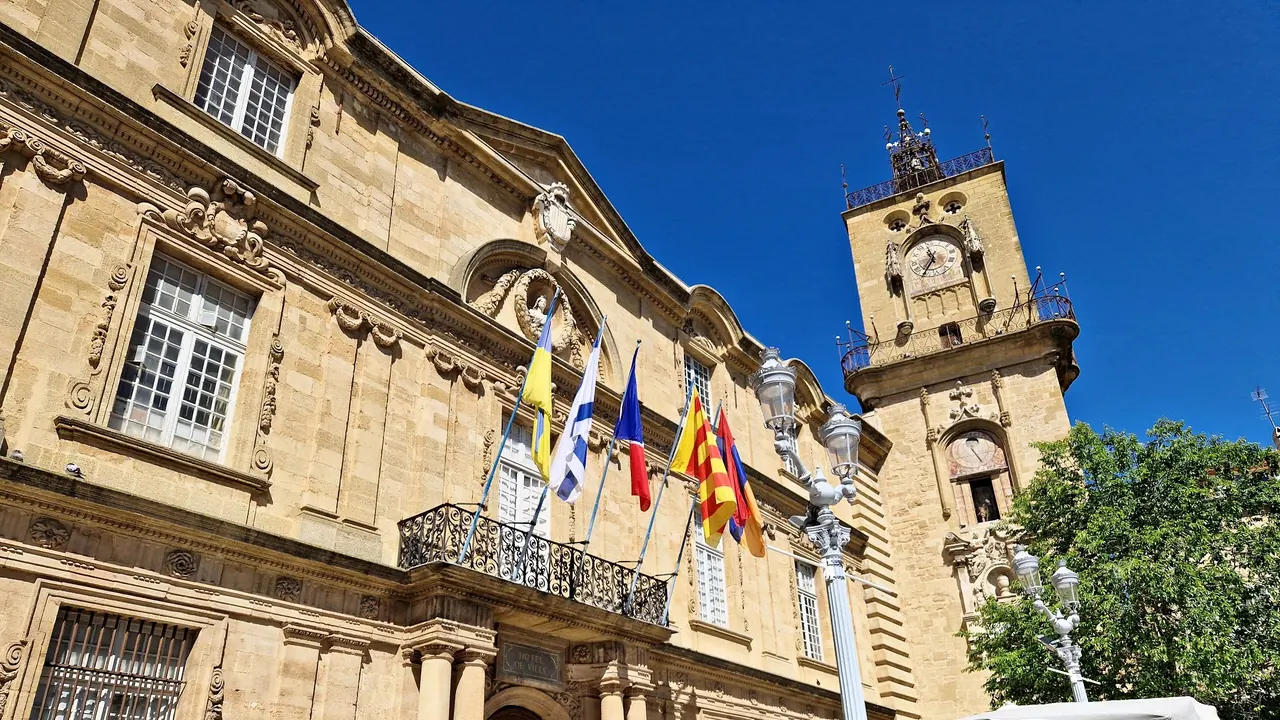
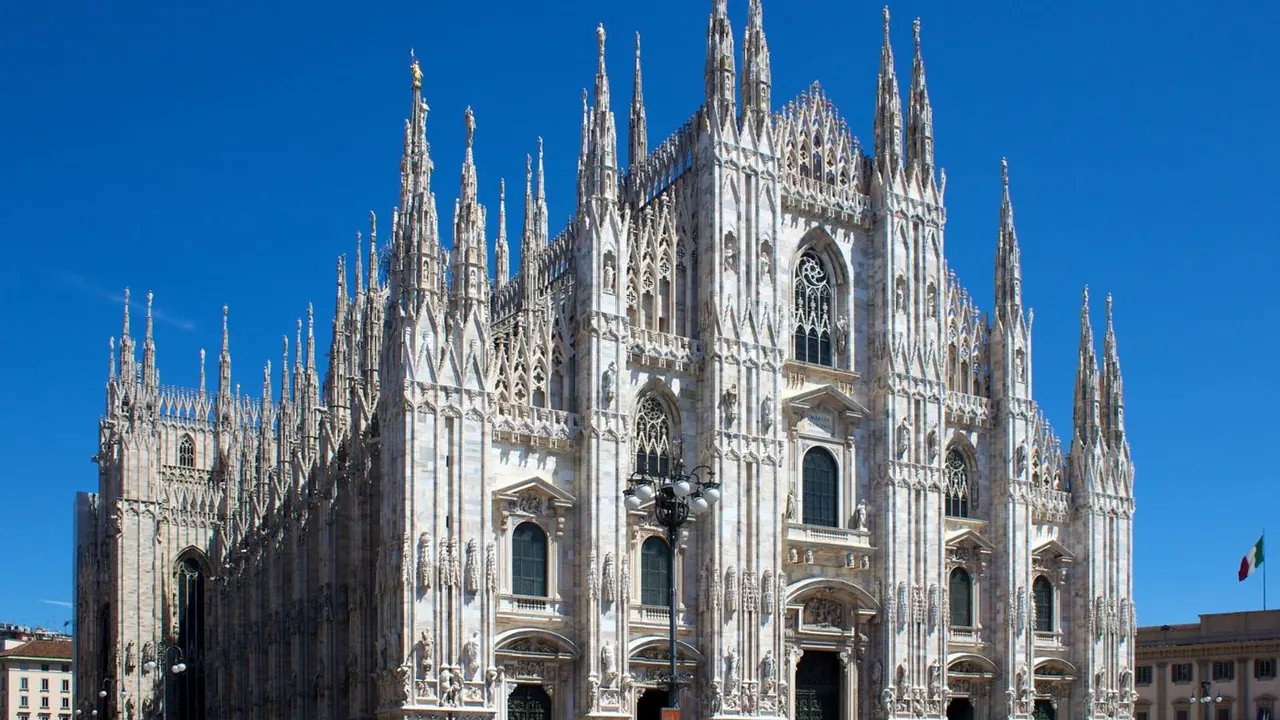
Photos: Aix-en-Provence by Hanay, CC BY-SA 4.0, cropped; Milan by Jiuguang Wang, CC BY-SA 3.0, cropped.
Aix-en-Provence or Milan?
Our verdict in twelve categories, each scored against the same fixed benchmark cities, and the climate month by month, so you can choose for your trip.
Choose Aix-en-Provence for
- beaches
- nature and the outdoors
- wellness
Aix-en-Provence suits a slower trip where the town is a base rather than the whole point. Its real strength lies around it: the trails of Montagne Sainte-Victoire, the white cliffs of the Calanques, Luberon villages and a stretch of coast you can reach in an afternoon. Choose it for market mornings, long lunches on shaded squares and a car-assisted wander through Provence, and accept that evenings are quiet and the shops are modest.
Choose Milan for
- shopping
- nightlife
- live music and the arts
Milan is the better pick for anyone who wants a full city to work with. It has heavier cultural sights, La Scala, a real evening scene built around aperitivo, and fashion shopping on a scale few places can match. All of it is reachable by metro and tram, and fast trains carry you to the lakes and other Italian cities without a car. It is less restful and has no sea within easy reach, but there is far more to fill the days and nights.
Scoreboard
Twelve categories on one fixed scale from 0 to 100. The shaded stretch is the gap between the two.
Your match
Pick a travel style or drag the sliders, and both match scores follow your weighting.
Wins on beaches and nature and the outdoors with your weighting.
Wins on shopping and nightlife with your weighting.
What matters to you?
Category by category
What the scores mean for a trip.
Beaches & swimming
Neither is a beach destination, but Aix is the closer to the sea. The Mediterranean is about 30km away, and the coves of the Cote Bleue, Marseille's small city beaches and the inlets around Cassis are all within an hour by car. Expect pebbles and rock rather than sand, plus crowds in August.
Milan has no coast to speak of. In summer you swim at the Idroscalo basin or the city pools, or take the train to the pebbly lidos of Lake Como and Lake Maggiore. The Ligurian sea is too far away for an easy afternoon.
Food & drink
Milan offers more to eat and more ways to eat it. Beyond butter-rich risotto alla milanese, ossobuco and cotoletta, it draws cooks from across Italy and has a serious tier of fine dining. The aperitivo ritual turns the early evening into a meal of its own.
Aix is narrower but has a clear character. The day revolves around the morning stalls on Place Richelme and an unhurried terrace lunch of daube, tians and local rosé, with calissons from the old confectioners to finish. Look beyond French and Mediterranean cooking and the choice thins quickly.
Culture & sights
Milan has the weightier sights: Leonardo's Last Supper, the marble Duomo with its walkable roof, the paintings of the Brera and Michelangelo's Rondanini Pietà in the Castello Sforzesco. They come in clusters between modern, businesslike streets rather than as one continuous old town.
Aix works the other way round. The pleasure lies in the whole townscape: the plane-shaded Cours Mirabeau, the honey-stone mansions of the Mazarin quarter and a fountain on almost every square. Its standout draw is Cezanne, through his studio at Les Lauves, the Bibemus quarries and the Musee Granet. That makes for a gentle two or three days.
Nightlife
Milan is the place to go out. Evenings flow from aperitivo on the Navigli towpaths into the bars of Isola and Porta Venezia, the city's gay quarter, and on to dressy clubs around Corso Como or warehouse nights on the edges. Things only thin out in August.
Aix stays lively for its size thanks to its students, but it is a town for a drink on a terrace. You sit out around the Forum des Cardeurs and the lanes behind the town hall, the few clubs close early, and anyone wanting a proper night out drives to Marseille.
Nature & outdoors
Aix has the finer landscapes right on its doorstep. Cezanne's Sainte-Victoire can be climbed from just outside town, the cliffs and turquoise inlets of the Calanques are within an hour, and the Gorges du Verdon and the lavender and vineyard country of the Luberon and Alpilles are close behind. The catch is midsummer, when fire risk can close the hills, and you will want a car.
Milan sits on a flat, often hazy plain with only parks and canal towpaths in town. The rewards start an hour north by train, where Lake Como and Lake Maggiore offer lakeside paths and sailing, and the Grigne ridges have proper hiking and via ferrata.
Day trips
Both are first-rate bases, and what differs is the kind of outing. Milan's day trips are mostly cities reached by fast train: Verona, Turin, Bergamo's upper town, Bologna, and Lugano across the Swiss border. Boats run out to the Borromean Islands, and Pavia, Mantua and Cremona are close as well, all without a car.
From Aix the mix is Roman towns and hill villages. Avignon is twenty minutes by TGV, and Arles, Nimes and the Pont du Gard are within reach. The best days, though, are spent among Luberon villages such as Gordes and Roussillon, or at Les Baux and Cassis, and those really need a car.
Good for families
Milan gives children a bit more to do. The science and technology museum, with its submarine and hands-on labs, is a reliable rainy-day choice, and Parco Sempione has playgrounds and the small aquarium. Leolandia and Gardaland are within driving distance for older children.
Aix is safe and easy, with a pedestrian centre, fountains and ice cream, but its sights are aimed at adults. Families tend to rely on a villa pool and drive out to the zoo at La Barben or to the coast.
Getting around
Inside both places you can walk most of the sights, but Milan is far easier once you leave the centre. Five simple metro lines, a dense tram network and direct trains to the lakes mean you never need a car.
Aix's small, mostly pedestrian core is a delight on foot. The TGV station sits out on the plateau, though, and the villages of Provence are poorly served by buses, so most visitors exploring the region end up renting a car and hunting for parking.
Shopping & style
This is Milan's strongest suit. Via Montenapoleone and Via della Spiga hold the houses that define Italian fashion, the Galleria Vittorio Emanuele II and La Rinascente add a century and more of retail history, and design showrooms make a second specialism. Corso Buenos Aires, the vintage shops of Porta Ticinese and the Navigli antique markets cover everything else.
Aix offers pleasant browsing rather than a reason to travel. You will find French fashion in the lanes off Rue d'Italie and Provencal souvenirs such as santons, Marseille soap and printed fabrics, but no luxury quarter.
Affordability
Both are expensive, and the costs fall in different places. In Aix, hotels are few and mostly boutique or country-house, July rates climb with the opera festival, and car hire adds up for anyone touring Provence. Back-street lunch menus and market picnics keep meals reasonable.
Milan's hotels are pricier still during trade fairs and fashion weeks, and stylish bars charge accordingly. Cheap public transport saves you a car, though, and office-worker set lunches and aperitivo snacks offer real savings.
Live music & performing arts
Milan has the deeper year-round calendar. La Scala's season of opera, ballet and concerts opens each December on the feast of Sant'Ambrogio, and the Piccolo Teatro, a resident symphony orchestra, jazz rooms and big stadium concerts at San Siro fill the rest of the year. Opera goes quiet in summer.
Aix's peak comes in July, when the Festival d'Aix stages world-class opera in the courtyard of the Archbishop's Palace. For the rest of the year there is Ballet Preljocaj at the Pavillon Noir, the Grand Theatre de Provence and a spring Easter festival.
Wellness & relaxation
Aix is the better place to unwind. Its Roman springs still feed warm fountains, the Thermes Sextius spa stands on the site of the ancient baths, and outside July the town's slow rhythm of markets and long lunches does much of the work.
Milan is a working city. Its thermal spa complex and the 1930s Bagni Misteriosi pools make a pleasant afternoon, but for real rest most people take the train to the lakes.
When should you go?
Pick your month. The climate figures are measured averages, not a forecast.
Aix-en-Provence in July
Milan in July
Daytime high, °C
Rainfall in the month, mm
Where the figures come from
Milan's sunshine is measured 41 km from the centre, at Novara / Cameri.
Temperature and rainfall are climate normals, averaged over the years shown. Aix-en-Provence: 1991-2020 normals, Marseille / Marignane (19.2 km from centre). Milan: 1991-2020 (rainfall 1971-2000) normals, Milano / Linate (8 km from centre).
Aix is the sunnier and drier of the two. From May to September afternoons are warm to hot, peaking around 31°C in July, which is also almost rainless. The sea off Marseille and Cassis is pleasant for swimming from July to September, at its warmest around 22°C in August. Midsummer is too hot for walking the hills at midday, and the massifs can close on fire-risk days. Spring and late September are the sweet spot for exploring on foot. Autumn brings the heaviest rain, from September to November, and winters are cool but often bright.
Milan is greyer and wetter all year, with rain spread through every month and no reliable dry season. May and October are the dampest. Summers reach a similar heat to Aix but feel heavier and more humid on the plain. Winters are colder, with January highs around 7°C and short, dull days. For walking the city, April to early June and September are the most comfortable months, while Aix stays mild enough for terrace lunches well into October.
Which traveller are you?
For a shopping trip, Milan wins easily. The Quadrilatero della Moda holds the flagships of the Italian fashion houses, and there are design showrooms, Brera boutiques and Navigli antiques besides. Aix offers pleasant boutiques and Provencal markets, but nothing on that scale.
On a food and nightlife trip, Milan is the stronger choice. Aperitivo along the Navigli or in Isola leads on to stylish bars and clubs, and the restaurants cover every Italian region as well as fine dining. Aix eats well at lunch, but its evenings end early.
For an outdoors trip, Aix is the better base. Sainte-Victoire rises at the edge of town, the Calanques offer superb coastal walking and kayaking, and the Verdon gorge and Luberon cycling are close. Milan has to take the train to the lakes first.
Before you go
| Measure | Aix-en-Provence | Milan |
|---|---|---|
| Official language | French | Italian |
| Currency | Euro (EUR) | Euro (EUR) |
| Sockets | CE230 V, 50 Hz | CFL230 V, 50 Hz |
| Driving side | Right | Right |
| Time zone | UTC+1, UTC+2 in summer | UTC+1, UTC+2 in summer |
| Emergency number | 112 | 112 |
| Elevation | 73 m | 138 m |
| Main airport | Marseille Provence Airport (MRS)21 km from centre126 non-stop destinations | Milan Malpensa International Airport (MXP)40 km from centre208 non-stop destinations |
| Public holidays this year | 11 days | 13 days |
By the numbers
| Measure | Aix-en-Provence | Milan |
|---|---|---|
| City population | 149,695 | 1,354,196 |
| People per km² | 804 | 7,453 |
| Museums within 10 km | 8 | 88 |
| UNESCO World Heritage sites within 50 km | 1 | 4 |
| Swim season, months above 21 °C | 2 months | - |
Where else could you go?
Every comparison below shares a destination with this one, so you can follow Aix-en-Provence or Milan somewhere new.
- Marseillevs Aix-en-Provence
- Comovs Milan
- Bergamovs Milan
- Luganovs Milan
- Avignonvs Aix-en-Provence
- Saint-Tropezvs Aix-en-Provence