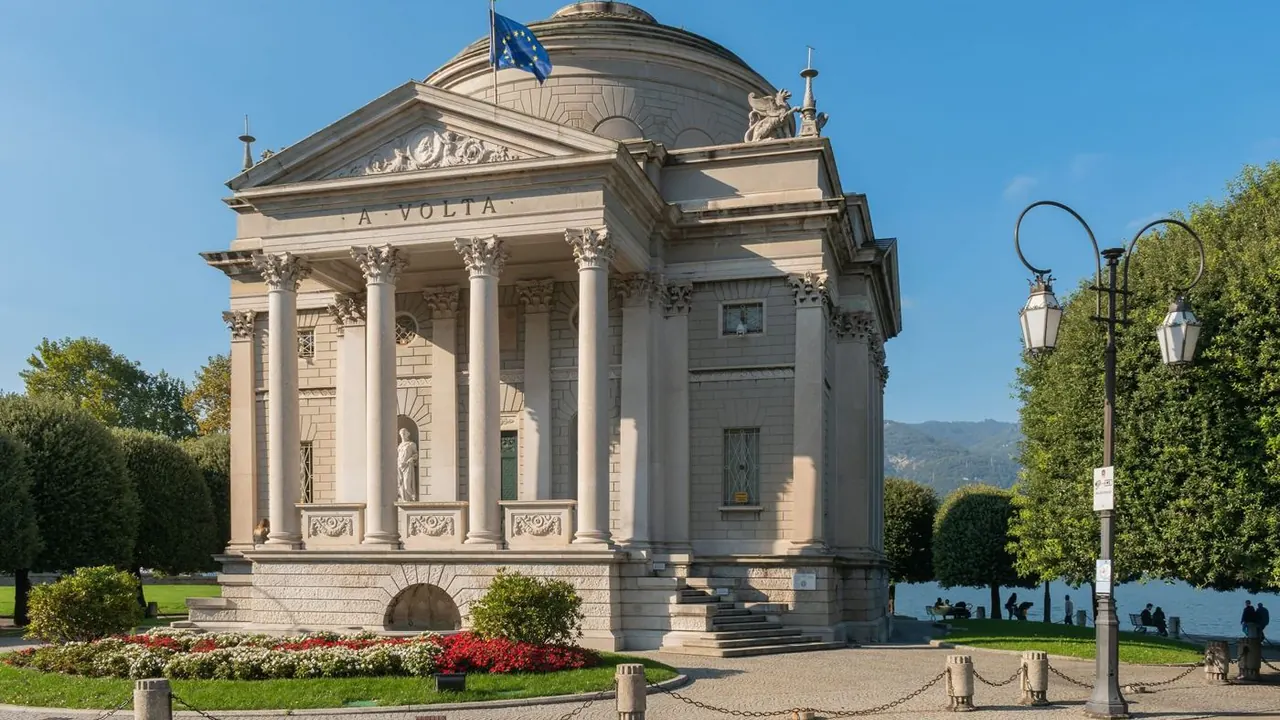
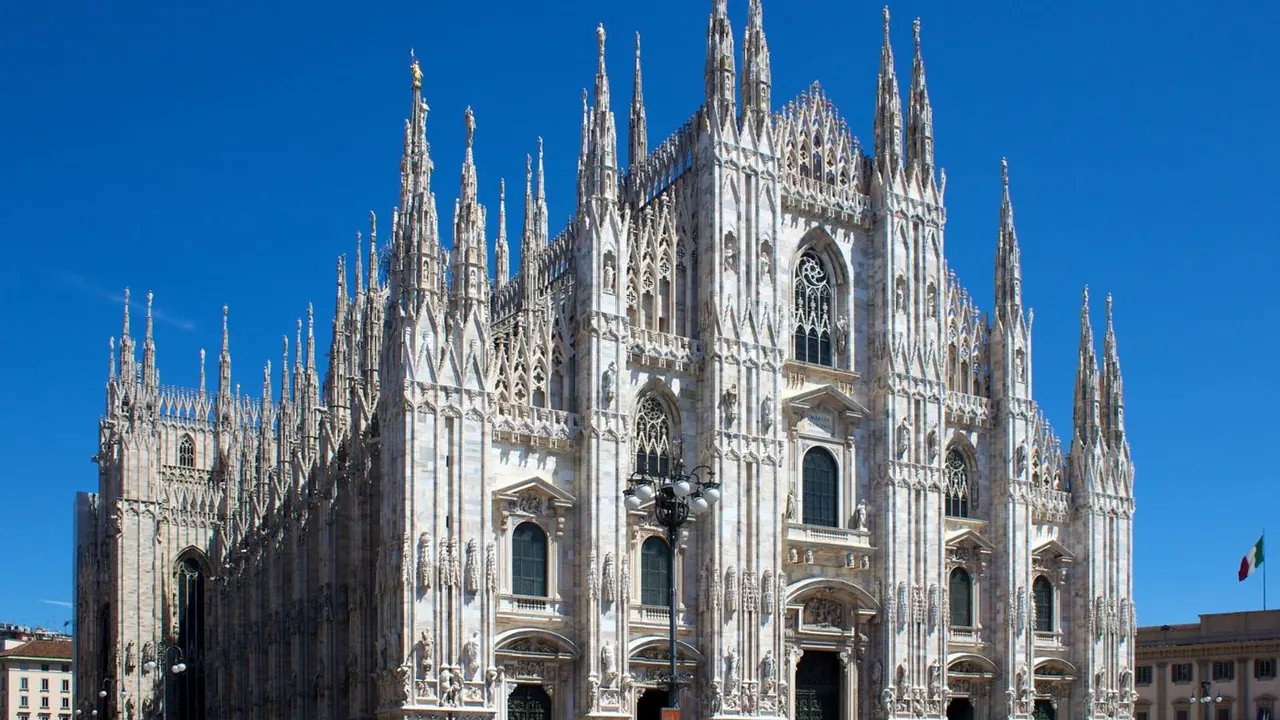
Photos: Como by Krzysztof Golik, CC BY-SA 4.0, cropped; Milan by Jiuguang Wang, CC BY-SA 3.0, cropped.
Como or Milan?
Our verdict in twelve categories, each scored against the same fixed benchmark cities, and the climate month by month, so you can choose for your trip.
Choose Como for
- nature and the outdoors
- beaches
- wellness
Como suits a slow trip built around landscape. You have the lake on your doorstep, a funicular up into the hills, ferries to villa gardens and quiet evenings that end after dinner. Pick it if you want walks on the ridges, a swim at a lido and a small, walkable old town, and you are happy to give up big-city food, nightlife and shopping.
Choose Milan for
- shopping
- live music and the arts
- nightlife
Milan is the better choice if you want a proper city. It has Leonardo's Last Supper and La Scala, the fashion houses of the Quadrilatero, a deep restaurant scene and late nights along the Navigli, with a metro to get you between them. It works for a city break, a shopping trip or an arts trip, and the lakes are close enough for a day out when you want green hills.
Scoreboard
Twelve categories on one fixed scale from 0 to 100. The shaded stretch is the gap between the two.
Your match
Pick a travel style or drag the sliders, and both match scores follow your weighting.
Wins on nature and the outdoors and beaches with your weighting.
Wins on shopping and live music and the arts with your weighting.
What matters to you?
Category by category
What the scores mean for a trip.
Beaches & swimming
Neither is a beach destination, but Como at least lets you swim where you are staying. There is the lido beside Villa Olmo, with lawns and pontoons, and ferries go up the lake to the pebble strands and jetties of Cernobbio and Moltrasio.
Milan's options are the Idroscalo basin near Linate and the open-air city pools. For anything better, Milanese take the train to the same lake that Como sits on.
Food & drink
Milan gives you far more choice. Saffron risotto, ossobuco and cotoletta are the classics, and the city also has some of Italy's best cooking from other regions and a serious fine-dining tier. Aperitivo in Brera, Isola or along the canals is generous, and the historic pasticcerie set the rhythm of the day.
Como's cooking is narrower and more local: risotto with perch, missoltini and polenta from the valleys. Expect to pay for the view on the lakefront terraces. The memorable meals tend to be in family trattorias up the lake or in the hills rather than in town.
Culture & sights
Milan has the sights people cross Europe for. You can walk among the spires on the Duomo roof and stand in front of the Last Supper. The Brera holds great Italian painting and the Castello Sforzesco has the Rondanini Pietà. Plan several days, and book Leonardo well ahead.
Como's old town is small but intact and walled, and it fits easily into a single day. It has the marble cathedral, the Romanesque churches of San Fedele and Sant'Abbondio, the Tempio Voltiano and Terragni's Casa del Fascio. That last one is the pick for anyone interested in modern architecture.
Nightlife
Milan has a real night out. The Navigli towpaths fill with drinkers on summer evenings, Porta Venezia anchors the gay scene, and nights end in dress-up clubs near Corso Como or warehouse parties on the edge of town. It does go quiet in August.
In Como the evening is aperitivo, dinner and a stroll by the water, with a few bars around Piazza Duomo afterwards. It has no club scene, and the town's own young people take the train to Milan.
Nature & outdoors
Here Como clearly wins. The mountains start at the edge of town. A funicular that has run since 1894 lifts you to Brunate for the ridge walk to the Volta lighthouse, and you can paddle, sail or watch seaplanes from the city shore.
Within Milan, nature means Parco Sempione and flat towpath rides into the rice fields. The Grigne ridges and lakeside paths are good, but each one is a train journey away rather than a walk from your hotel.
Day trips
Both are excellent bases, but they point in different directions. From Como you are on the water, with hydrofoils to Bellagio and Varenna and the gardens of Villa Carlotta and Balbianello. Lugano is half an hour away and Milan about forty minutes.
Milan's strength is the high-speed rail network, which reaches art cities rather than lakeside villages. Verona and Turin are about an hour away, Bologna a little further, and Mantua, Cremona and Parma are close behind. That makes Milan the better base for touring northern Italy's cities, and Como the better one for the lakes.
Good for families
Milan has more for children, though neither city is built around them. The science and technology museum, with its submarine and hands-on labs, saves a rainy day. Parco Sempione has playgrounds next to the small aquarium, and Leolandia and Gardaland are within reach for older children.
Como is calmer and gentler. Young children enjoy the funicular, the ferries and paddling at a lido, but once those are done there is little else aimed at them.
Getting around
Milan is easier to get around. Five simple metro lines take a contactless card, and trams, including the old orange cars, fill the gaps between them. You will not need a car, and three main stations send trains out to the lakes and nearby towns.
Como's flat centre and lakefront are a pleasure on foot, and the funicular takes care of the hill. Further up the lake, things slow down: slow ferries take a long time, and the narrow shore roads clog in summer.
Shopping & style
This is one of the widest gaps between the two. Milan is a world fashion capital. The great Italian houses have flagships in the Quadrilatero della Moda, the Galleria and La Rinascente sit beside the Duomo, and design showrooms and Navigli antique markets add depth.
Como has one speciality worth the trip: silk. Buy scarves and ties from old-town specialists or from mill outlets that supply the fashion houses. Beyond that, the run of boutiques on Via Vittorio Emanuele II is short.
Affordability
Both are expensive, for different reasons. In Como the cost comes from the luxury lakeside trade, so summer villa hotels and waterfront terraces are dear. A room back from the water, a trattoria in the hills and a spring or autumn visit cut it down noticeably.
In Milan, business and fashion drive prices up. Hotels during trade fairs and fashion weeks are the main hazard. Office-worker lunch menus, aperitivo as a light supper and a room near a metro stop outside the centre help. Trains and transport are fairly priced in both.
Live music & performing arts
Como's Teatro Sociale is a neoclassical house near the cathedral. It runs a respectable provincial programme of opera, concerts, ballet and theatre, but many nights stay quiet. It is at its best in summer, with performances in the open-air Arena and chamber music in Romanesque churches and lakeside villas, which is just when Milan's opera and concert season slows down.
Milan is the place for a serious night at the opera. La Scala's season opens each December on the feast of Sant'Ambrogio. Big nights are hard to get into, though with some persistence a gallery seat or a less famous performance can get you inside. The Piccolo Teatro, the orchestra at the Auditorium, jazz rooms and big summer concerts at San Siro fill the rest of the calendar.
Wellness & relaxation
Neither city has a strong spa culture, so the difference lies in what kind of rest each offers. Como's comes from the setting: still water, gardens running down to the shore, slow ferries and villages that go quiet early, plus the spas of the grand villa hotels.
Milan has the facilities: a thermal spa complex with outdoor pools and saunas, and the restored 1930s Bagni Misteriosi pools for a summer afternoon. Even so, its visitors who want calm usually end up taking the train to the lakes.
When should you go?
Pick your month. The climate figures are measured averages, not a forecast.
Como in July
Milan in July
Daytime high, °C
Rainfall in the month, mm
Where the figures come from
Milan has no rain gauge within 25 km of the centre, so its rainfall comes from a gridded climate dataset read at the city rather than from a gauge further away.
Milan's sunshine is measured 41 km from the centre, at Novara / Cameri.
Temperature and rainfall are climate normals, averaged over the years shown. Como: 1991-2020 normals, Lugano (23 km from centre). Milan: 1991-2020 normals, Milano / Linate (8 km from centre).
Como is wet for much of the year. Rain builds from April and stays heavy right through to November, peaking around 178mm in May, so the lake has no truly dry walking season. April and October bring the most comfortable temperatures for the ridge paths, but expect frequent showers. March is drier but still cool. Summer is the warmest stretch, peaking near 27°C, and July and August are the months when a lake swim really appeals, even though the rain does not let up. Winter is cold and grey in both cities, better for churches and museums than for lingering outdoors.
Milan is noticeably drier than Como through spring and summer, and its wettest spell comes in autumn, peaking near 127mm in November. Its summers run hotter, around 29°C in July, and the flat streets and metro feel heavy then. April, May and late September suit strolling best, either side of the heat, though autumn brings more rain. Winter is gloomier here too: Milan gets only about two thirds of Como's December sunshine.
Which traveller are you?
On an outdoors trip, choose Como. The Brunate funicular starts at the lakefront and leads to ridge paths, the Via dei Monti Lariani and Monte Bisbino. There is kayaking and sailing below, and the Ghisallo climb for cyclists. From Milan, the same terrain takes a train ride before every walk.
For a shopping trip, Milan is in another league. There are the flagships of the Quadrilatero della Moda, the Galleria and La Rinascente, Corso Buenos Aires for everyday buys, Brera boutiques and design showrooms. Como's speciality is silk scarves and ties, and its own shoppers head to Milan for fashion.
On a food and nightlife trip, Milan wins easily. Aperitivo along the Navigli leads on to Isola, Porta Venezia and the clubs around Corso Como. Its restaurants cover every Italian region as well as fine dining. Como offers good lake cooking, a handful of bars and very little after midnight.
Before you go
| Measure | Como | Milan |
|---|---|---|
| Official language | Italian | Italian |
| Currency | Euro (EUR) | Euro (EUR) |
| Sockets | CFL230 V, 50 Hz | CFL230 V, 50 Hz |
| Driving side | Right | Right |
| Time zone | UTC+1, UTC+2 in summer | UTC+1, UTC+2 in summer |
| Emergency number | 112 | 112 |
| Elevation | 201 m | 138 m |
| Main airport | Milan Malpensa International Airport (MXP)34 km from centre208 non-stop destinations | Milan Malpensa International Airport (MXP)40 km from centre208 non-stop destinations |
| Public holidays this year | 13 days | 13 days |
By the numbers
| Measure | Como | Milan |
|---|---|---|
| City population | 83,184 | 1,354,196 |
| People per km² | 2,242 | 7,453 |
| Museums within 10 km | 11 | 88 |
| UNESCO World Heritage sites within 50 km | 8 | 4 |
Where else could you go?
Every comparison below shares a destination with this one, so you can follow Como or Milan somewhere new.