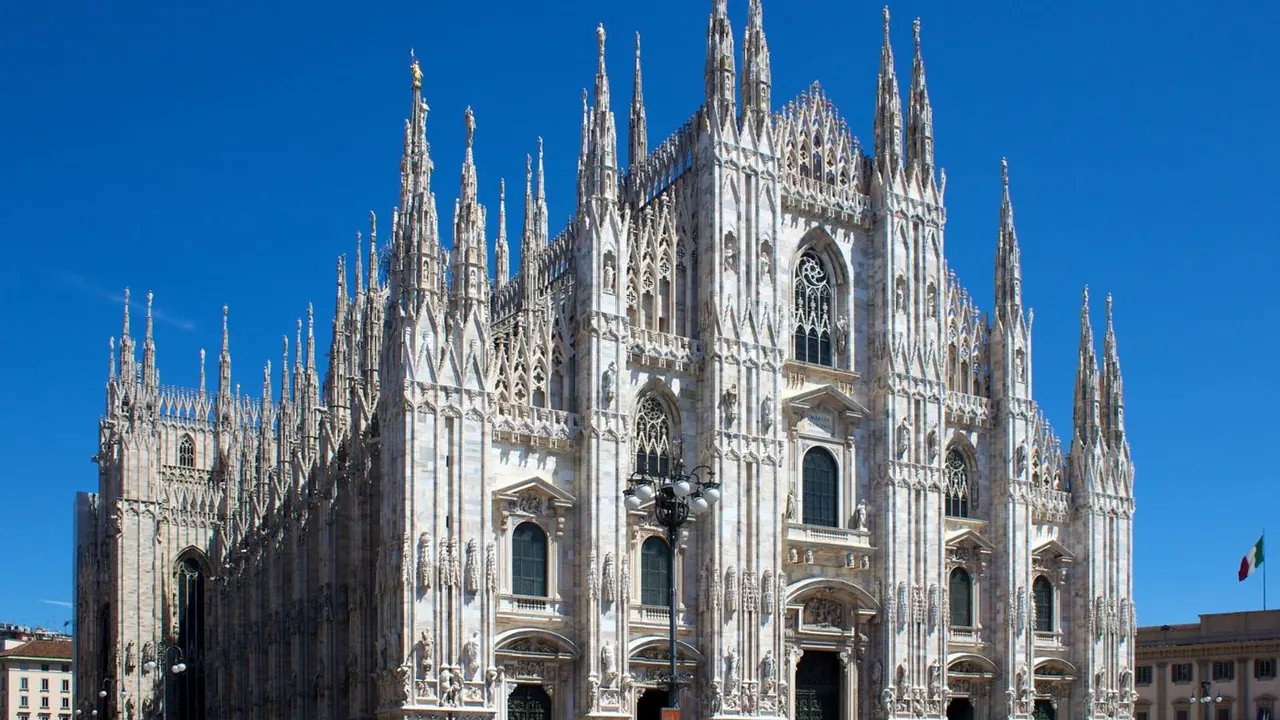
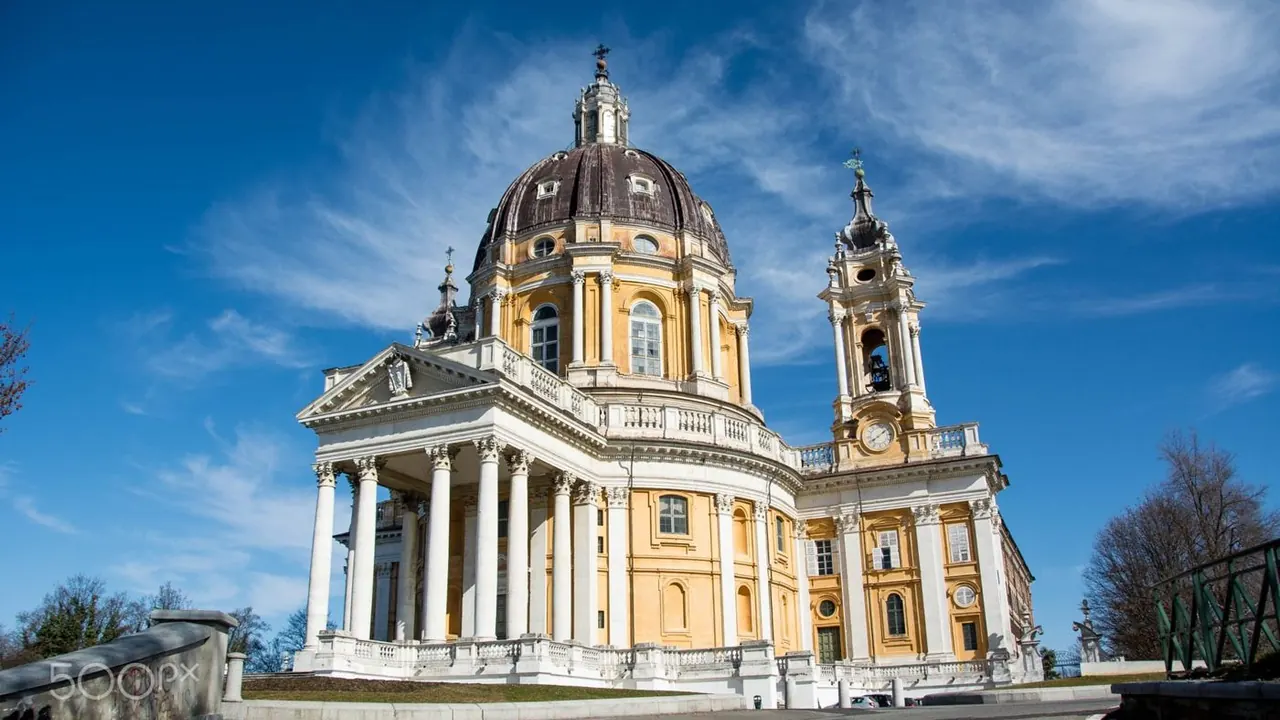
Photos: Milan by Jiuguang Wang, CC BY-SA 3.0, cropped; Turin by Konstantin Dacosta, CC BY 3.0, cropped.
Milan or Turin?
Our verdict in twelve categories, each scored against the same fixed benchmark cities, and the climate month by month, so you can choose for your trip.
Choose Milan for
- shopping
- live music and the arts
- nightlife
Milan suits the traveller who wants polish and reach. The fashion houses of the Quadrilatero, a night at La Scala, aperitivo along the Navigli and fast trains to Verona, Bergamo or Lake Como all sit within easy range. It is the better choice for shopping, live performance and going out, and the best base for seeing a lot of northern Italy, as long as the budget can stand its hotels.
Choose Turin for
- prices
- nature and the outdoors
- food and drink
For a calmer and cheaper stay with the mountains in view, Turin is the pick. Hiking and skiing in the Susa valley and Gran Paradiso are close enough for a day out, the Langhe wine hills lie an hour south, and the arcaded grid is easy to walk. Its sights carry as much weight as Milan's, led by the Museo Egizio and the Savoy palaces, and sleeping and eating there cost noticeably less.
Scoreboard
Twelve categories on one fixed scale from 0 to 100. The shaded stretch is the gap between the two.
Your match
Pick a travel style or drag the sliders, and both match scores follow your weighting.
Wins on shopping and live music and the arts with your weighting.
Wins on prices and nature and the outdoors with your weighting.
What matters to you?
Category by category
What the scores mean for a trip.
Beaches & swimming
Neither city has a beach, but Milan makes a summer swim easier. Lake Como and Lake Maggiore are about an hour away by train, with pebbly lidos and swimming platforms, and the Idroscalo basin near Linate offers a swim without leaving town.
From Turin the nearest warm sea is the Ligurian Riviera around Savona, close to two hours away, and the local options are small lakes such as Avigliana. For a quick dip on a hot afternoon, Milan's lakes are the more practical answer.
Food & drink
Both cities eat very well, but in different ways. Milan's strength is range. Alongside saffron risotto, ossobuco and cotoletta, it has good cooking from all over Italy and a serious fine-dining tier, and its aperitivo is at its liveliest around the Navigli and Isola.
Turin goes deeper into one region. There are agnolotti del plin, vitello tonnato, Alba truffles in autumn and lists of Barolo and Barbaresco. Vermouth and gianduiotto were born here, bicerin is served in the arcaded cafés, and Porta Palazzo market gives it the street-level food life Milan lacks.
Culture & sights
In weight the two are evenly matched, but in character they differ. Milan's culture comes as a handful of famous works: the Duomo's rooftop among the spires, the Last Supper (book well ahead), Brera's painting and the Rondanini Pietà in the Castello. Between them lies a modern, businesslike city.
Turin works more as a whole. Its baroque former royal capital holds the Royal Palace, Palazzo Madama and the Shroud cathedral, and the Savoy residences ring the city. It has a wider spread of museums too, with the Egyptian collection, cinema in the Mole, cars, and contemporary art at Rivoli.
Nightlife
Milan has more going on after dark. The Navigli canals fill with bars spilling onto the towpaths, Porta Venezia is the heart of the gay scene, and clubs run from dressy places around Corso Como, where appearance counts, to warehouse nights on the edges.
Turin's evenings are smaller and more sociable. There are wine bars in the Quadrilatero Romano, students crowding San Salvario's pavements and the Murazzi by the Po in summer, and the city goes quiet outside term time. It is good for a long evening of drinks, less so for a big night of clubbing.
Nature & outdoors
Turin has the mountains on its doorstep. Gran Paradiso's ibex and high trails, the Susa valley and the Via Lattea ski slopes are an hour or so away, and closer still are the hills up to Superga and the walled forest of the Mandria.
Milan's own surroundings are a flat, often hazy plain with canal towpaths for cycling. Its outdoors begins at Lake Como and Lake Maggiore, with ferries and lakeside paths, and the Grigne ridges offer hiking and via ferrata. Its ski resorts take a full day, where Turin's are an easy morning's drive.
Day trips
Both make excellent bases, but Milan has the edge because so much lies within an hour on fast trains. Verona's arena, Bergamo's upper town, Bellagio and Varenna on Lake Como, and Turin itself are all that close. The Certosa di Pavia, Mantua, Cremona and Swiss Lugano add more.
Turin's best outings are fewer and different in kind. The Langhe and Roero wine country, with Alba, Barolo and Bra, is an hour south, and the Sacra di San Michele crowns its rock above the Susa valley. Genoa and Aosta take about two hours.
Good for families
Children fare about equally in the two cities, for different reasons. Milan has the bigger outings: the science and technology museum with its submarine, and the theme parks of Leolandia and Gardaland within reach.
Turin is the easier city to be in. Its flat grid and long arcades shelter pushchairs, crowds are light, and the glass lift up the Mole and the Egyptian mummies win over older children. It has no theme park, though, and its zoo park at Cumiana really needs a car.
Getting around
Milan's transport is the more complete. Its five colour-coded metro lines take contactless cards at the gates, and a dense tram network, including the old orange cars, fills the gaps. Direct trains from three stations reach the lakes, though the transfer from Malpensa airport is long.
In Turin, the arcaded grid makes walking the natural way to get about between Porta Nuova, Piazza Castello and the Po. Beyond that there is a single driverless metro line, and the trams and buses are slower and take some working out.
Shopping & style
Milan is in another league here. The Quadrilatero della Moda, around Via Montenapoleone and Via della Spiga, holds the flagships of houses founded in the city. Add the Galleria, La Rinascente beside the Duomo, the design and lighting showrooms, and vintage shops in Brera and Porta Ticinese.
Turin has luxury labels under the arcades of Via Roma, but its real strength is food. It sells chocolate, truffles, cheese and Piedmontese wine, and has antique dealers on Via Maria Vittoria and the Balon flea market at Porta Palazzo. Anyone after designer clothes will find little choice.
Affordability
Turin is clearly kinder to the wallet. Central hotels are fairly priced for most of the year, and neighbourhood trattorie, bakeries and Porta Palazzo market keep everyday eating cheap. Costs climb mainly with fine dining and the white truffle season.
Milan is Italy's most expensive city. Rooms are dear and very hard to find at fair rates during fashion weeks and trade fairs, and drinks in the smart bars of Brera match. Lunchtime set menus for office workers and a base near an outlying metro stop help soften it.
Live music & performing arts
La Scala gives Milan an evening that draws people from abroad, with an opera and ballet season that opens each December. The Piccolo Teatro, a fine symphony orchestra and big summer concerts at San Siro add to it, though opera goes quiet in summer.
Turin's programme is solid and runs all year. There is opera at the Teatro Regio, the RAI orchestra, concerts at Renzo Piano's Lingotto auditorium and festivals of jazz and electronic music. What it lacks is a single headline stage, and its theatre is almost all in Italian.
Wellness & relaxation
Neither city is a place to unwind, and both send people elsewhere for real rest. In Milan there are at least places to go: a thermal spa complex south of the centre with outdoor pools, the 1930s Bagni Misteriosi in summer, and quiet lake villas an hour away.
Turin's calm comes from its pace. It is a city of long café breaks, evening walks under the arcades and afternoons in Valentino park. For thermal waters you travel close to two hours, to Acqui Terme or the Aosta valley.
When should you go?
Pick your month. The climate figures are measured averages, not a forecast.
Milan in July
Turin in July
Daytime high, °C
Rainfall in the month, mm
Where the figures come from
Milan has no rain gauge within 25 km of the centre, so its rainfall comes from a gridded climate dataset read at the city rather than from a gauge further away.
Milan's sunshine is measured 41 km from the centre, at Novara / Cameri.
Turin has no rain gauge within 25 km of the centre, so its rainfall comes from a gridded climate dataset read at the city rather than from a gauge further away.
Temperature and rainfall are climate normals, averaged over the years shown. Milan: 1991-2020 normals, Milano / Linate (8 km from centre). Turin: 1991-2020 normals, Torino / Caselle (15.4 km from centre).
The two cities have almost the same weather, so when you go matters less than which city you choose. June is the safest month for walking the streets. It is warm at about 28°C and much drier than May. April is mild enough too, if showery. May and September are pleasant temperatures for sightseeing but among the wettest months of the year, so bring an umbrella. July and August reach about 29°C and feel heavy on the plain, which makes them the months for a lake swim rather than long walks, though July is one of the drier months.
From September the autumn turns wet, and November is the rainiest month at 128mm. Winters are cold, with highs near 7°C in January, but January to March is the driest part of the year and suits museums and cafés. Milan warms a little faster in May, a couple of degrees ahead of Turin. Sunshine is recorded only for Milan: July is its brightest month, with about 269 hours, and November and December see little sun.
Which traveller are you?
On a shopping trip, plan on Milan and stay near a metro stop, so the designer streets, the long run of high-street shops on Corso Buenos Aires and the boutiques of Porta Ticinese are each a short ride apart. Leave room in the case. Turin is better for edible gifts than for clothes.
For an outdoors trip, Turin lets you spend your days in the mountains and still sleep in the city. Take the train or hire a car up the Susa valley for climbing and mountain biking in summer or ski touring in winter, and keep the Po's cycle paths for a rest day. From Milan, the gentler lakes are the easier outing.
On a tight budget, Turin makes the money go further. An aperitivo spread can replace dinner, and the compact grid is easy to cover on foot. The Balon flea market, Valentino park and the path up to Superga cost nothing. In Milan, the room alone takes much of the budget.
Before you go
| Measure | Milan | Turin |
|---|---|---|
| Official language | Italian | Italian |
| Currency | Euro (EUR) | Euro (EUR) |
| Sockets | CFL230 V, 50 Hz | CFL230 V, 50 Hz |
| Driving side | Right | Right |
| Time zone | UTC+1, UTC+2 in summer | UTC+1, UTC+2 in summer |
| Emergency number | 112 | 112 |
| Elevation | 138 m | 239 m |
| Main airport | Milan Malpensa International Airport (MXP)40 km from centre208 non-stop destinations | Turin Airport (TRN)14 km from centre65 non-stop destinations |
| Public holidays this year | 13 days | 13 days |
By the numbers
| Measure | Milan | Turin |
|---|---|---|
| City population | 1,354,196 | 841,600 |
| People per km² | 7,453 | 6,474 |
| Museums within 10 km | 88 | 72 |
| UNESCO World Heritage sites within 50 km | 4 | 4 |
Where else could you go?
Every comparison below shares a destination with this one, so you can follow Milan or Turin somewhere new.