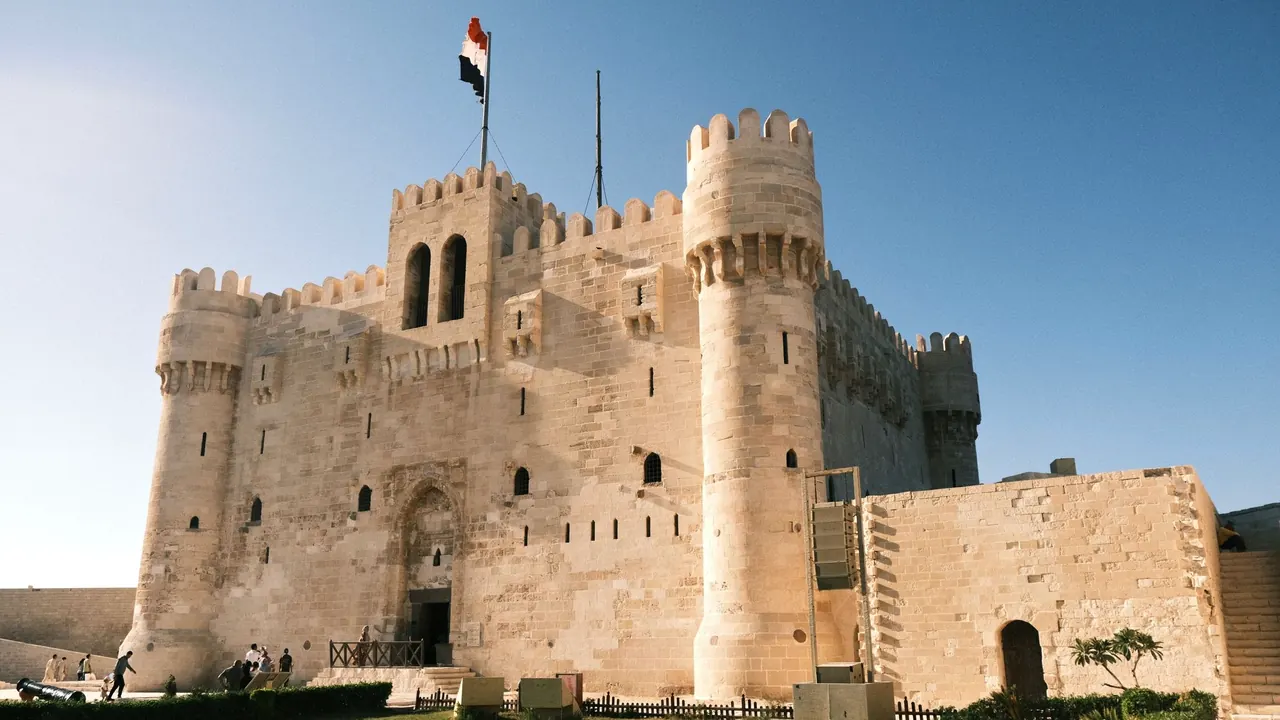
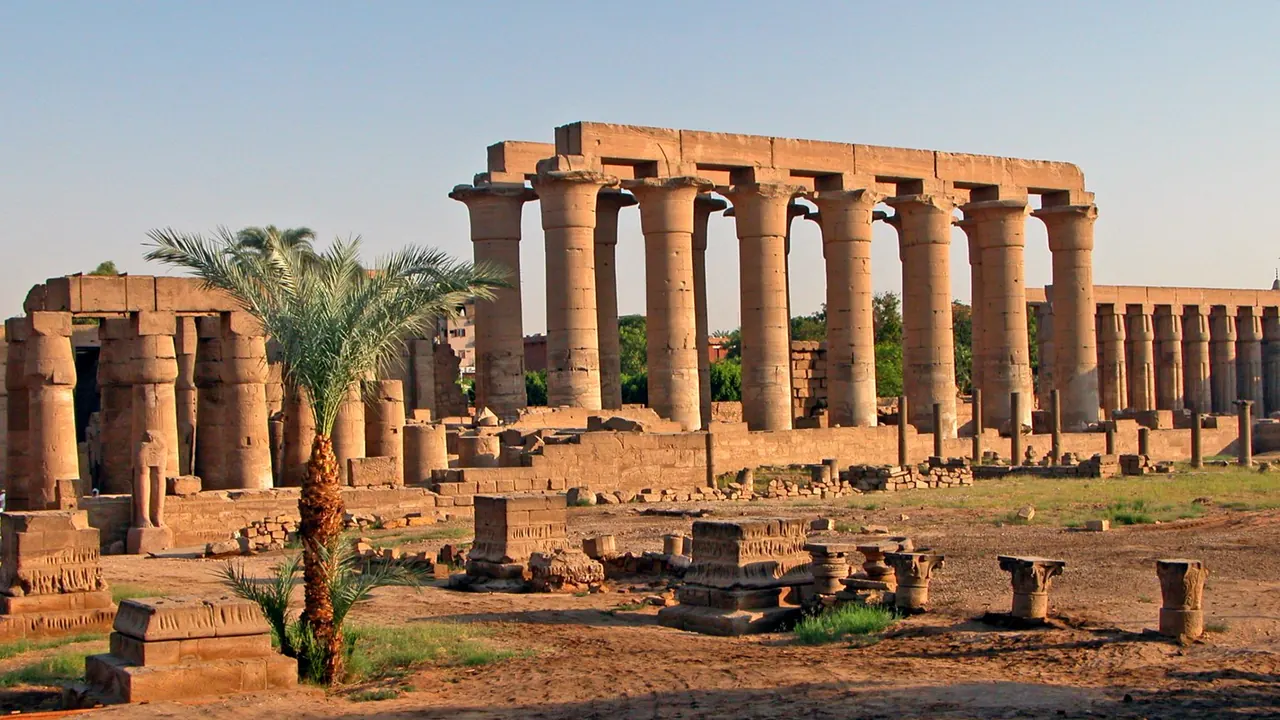
Photos: Alexandria by Muhammed Fatih Beki, Pexels License; Luxor by Dennis G. Jarvis, CC BY-SA 2.0, cropped.
Alexandria or Luxor?
Our verdict in twelve categories, each scored against the same fixed benchmark cities, and the climate month by month, so you can choose for your trip.
Choose Alexandria for
- beaches
- food and drink
- live music and the arts
Alexandria suits a slower, more rounded trip: fish dinners by the harbour, sea swims in summer, belle époque streets and Roman fragments, and long evenings on the Corniche among Egyptian families. Pick it if you want a city to settle into for a few days rather than a list of monuments. Its sea air also keeps summer bearable.
Choose Luxor for
- culture and sights
- nature and the outdoors
- day trips
Anyone travelling for ancient Egypt itself should go to Luxor. Karnak, the Valley of the Kings and the West Bank temples make it one of the great archaeological sites of the world, and Dendera and Edfu are easy day trips. The food, nightlife and modern town are plain, and there is no beach. Come for the monuments and the river, and plan your days around the heat.
Scoreboard
Twelve categories on one fixed scale from 0 to 100. The shaded stretch is the gap between the two.
Your match
Pick a travel style or drag the sliders, and both match scores follow your weighting.
Wins on beaches and food and drink with your weighting.
Wins on culture and sights and nature and the outdoors with your weighting.
What matters to you?
Category by category
What the scores mean for a trip.
Beaches & swimming
The gap here is total. Alexandria is Egypt's classic summer resort, and its sea is warm from June to September. The Corniche beaches are narrow and crowded, though, the better sand at Montaza and Mamoura sits behind paid gates, and bikinis really belong at private clubs.
Luxor has no beach at all, and the Nile is not for swimming, so bathing means a hotel pool. Neither city makes a beach vacation, but only Alexandria lets you swim in the sea between sights.
Food & drink
Alexandria eats noticeably better, mostly because of the sea. Fish chosen from the ice at Anfushi and grilled or baked in clay, liver sandwiches and fiteer late at night, and the old Greek and Italian patisseries downtown give the city a food culture of its own, even if the range is narrow.
Luxor's cooking is plainer Egyptian fare: koshari, taameya, grilled pigeon and bread straight from the oven. The hotel buffets and rooftop restaurants rely on their temple views, and a home-cooked dinner at a West Bank guesthouse is often the best meal of the trip.
Culture & sights
Alexandria's history is rich but much younger than Luxor's, since it begins with the city's founding in 331 BC, and most of it lies underground or under the sea. You piece it together from fragments: the tomb carvings of Kom el Shoqafa, the theatre at Kom el-Dikka, Pompey's Pillar and the Graeco-Roman Museum. What it has that Luxor lacks is a later, cosmopolitan layer of belle époque façades, old cafés, Cavafy's house and the Bibliotheca Alexandrina.
Luxor is in another league. Karnak and Luxor Temple on the East Bank, and the Valley of the Kings, Deir el-Bahari and Medinet Habu across the river, make one of the densest gatherings of pharaonic monuments on earth. These temples and painted tombs are still standing rather than buried, and they fill several full days.
Nightlife
Neither city is a place for a night out, but Alexandria at least has an evening life. In summer the coffee houses and shisha terraces on the Corniche stay busy past midnight, and a few old bars from the Greek era survive downtown. Luxor goes to bed early before the dawn starts, which leaves hotel bars and rooftop terraces for a quiet drink.
Nature & outdoors
Luxor has the stronger landscape: a green strip of palms and sugar cane set against bare desert cliffs. You can sail a felucca at sunset, watch herons and kingfishers on the river islands, or take the path over the Theban hills from the Valley of the Kings to Deir el-Bahari. Cycling through the West Bank villages is easy in the cool months.
Alexandria's nature is the sea and its sunsets over the Eastern Harbour, with flat farmland and Lake Mariout behind the city. Its one distinctive draw is diving on the sunken remains of the Pharos and the Ptolemaic quarter.
Day trips
Luxor has the stronger day trips, though every one of them is a temple. Dendera's painted ceilings are an hour north, Esna has strikingly vivid reliefs, and Edfu is the most complete Ptolemaic temple in Egypt. Abydos makes a long but rewarding day.
Alexandria's outings are more varied but less remarkable: Ottoman merchant houses at Rosetta, the war cemeteries at El Alamein and the ancient monasteries of Wadi Natrun. Cairo is within reach by train, but the pyramids deserve a stay of their own.
Good for families
Both cities suit older children with an interest in history better than toddlers, and Egyptians in both are warm towards children. The difference is in what fills the day. Alexandria has the summer seafront, with paddling, ice cream, horse carriages and Montaza's gardens, but also crowded beaches and fierce traffic on the Corniche.
Luxor offers real adventure for a child who loves mummies, from crawling into painted tombs to a dawn balloon flight, but it also means long walks over hot, shadeless ground. A hotel pool is essential there, and winter is far easier.
Getting around
A long coastal strip against a town split by a river: that is the real difference here. Alexandria stretches along about 20km of coast, so you depend on cheap taxis and ride-hailing that often sit in traffic. The old tram is slow, and crossing the Corniche is dangerous.
Luxor's East Bank is compact enough to walk, though it is hot and full of touts. The West Bank sites are spread along the desert edge and need a driver hired for the day, or a bicycle in winter. The ferry across the river is simple and pleasant, and every fare in Luxor should be agreed before you set off.
Shopping & style
Neither city is a shopping destination, but Alexandria has a little more character. Looking through the antique dealers of the Attarin quarter for relics of the cosmopolitan era, or the fabric and spice souks of Manshiyya, feels like local life rather than a souvenir trail. In Luxor most of what you find is mass-produced souvenirs, sold hard in the tourist souk and outside the sites. The alabaster workshops on the West Bank are the one place worth a look.
Affordability
Both are very cheap by Mediterranean standards, and rooms, local food and transport cost little in either. The difference is where the money goes. In Alexandria the main costs are modest site fees, plus higher room rates in summer when Egyptians head for the coast.
In Luxor the entry fees at every temple and tomb, the extra charges for special tombs, and the drivers, guides and balloon flights soon make up most of the budget. Inflated quotes are common, so agree every price first.
Live music & performing arts
Alexandria has a real stage, even if the programme is irregular. The Sayed Darwish Theatre puts on opera, ballet, orchestral concerts and Arabic music, and the Bibliotheca Alexandrina runs concerts and films, so it is worth checking what coincides with your dates. Luxor's only regular show is the sound-and-light walk through floodlit Karnak, along with the belly dance and tanoura whirling staged for guests at hotels and on cruise boats.
Wellness & relaxation
Rhythm rather than facilities gives Luxor the slight edge, since in both cities a spa means one of the larger hotels. Alexandria is most relaxing outside summer, with slow mornings in old cafés and sea air on the Corniche, but its traffic and crowds make calm harder to find.
Luxor's day falls into a restful pattern of early starts, a long afternoon by the pool and sunset on the river, and some hotels add a hammam. It is calmest from a mud-brick guesthouse among the West Bank fields.
When should you go?
Pick your month. The climate figures are measured averages, not a forecast.
Alexandria in July
Luxor in July
Daytime high, °C
Rainfall in the month, mm
Temperature and rainfall are climate normals, averaged over the years shown. Alexandria: 1991-2020 normals, Alexandria / Nouzha (5.5 km from centre). Luxor: 1998-2020 (rainfall 1971-2000) normals, Luxor (6.5 km from centre).
Alexandria has a Mediterranean year. The sea is warm enough for swimming from June to October and is at its warmest, around 27°C, in August and September, while the air stays warm rather than scorching. Winter is mild but wet, with the heaviest rain in January at about 77mm, so December to February can be grey and damp. April, May and October are the most comfortable months for walking the long seafront.
Luxor gets almost no rain all year, so the problem is the heat. From May to September highs reach around 41°C, which pushes tomb visits into the early morning and makes walking at midday punishing. November to February is the season to go, with days between about 22°C and 29°C, ideal for the West Bank on foot or by bicycle. The two fit together neatly: Luxor in winter, Alexandria in spring or summer.
Which traveller are you?
On a beach and sun trip, Alexandria is the only real option of the two. The sea is warm all summer and the Montaza clubs have better sand, though the city beaches are crowded and conservative. Luxor offers only hotel pools, with the Red Sea four hours away.
For a culture and arts trip built around antiquity, Luxor wins easily. Karnak, the painted royal tombs and Hatshepsut's terraced temple fill several days, and Dendera and Edfu are close by. Alexandria's ancient city survives mostly in fragments, though it has more on stage.
On a food and nightlife trip, Alexandria is the better choice, if only modestly. Fish picked from the ice at Anfushi and late tea and shisha on the Corniche beat Luxor's hotel buffets and early nights. Neither city has clubs or much of a drinking scene.
Before you go
| Measure | Alexandria | Luxor |
|---|---|---|
| Official language | Arabic | Arabic |
| Currency | Egyptian Pound (EGP) | Egyptian Pound (EGP) |
| Sockets | CF220 V, 50 Hz | CF220 V, 50 Hz |
| Driving side | Right | Right |
| Time zone | UTC+2, UTC+3 in summer | UTC+2, UTC+3 in summer |
| Emergency number | Police 122, ambulance 123, fire 180 | Police 122, ambulance 123, fire 180 |
| Elevation | -1 m | 89 m |
| Main airport | Alexandria International Airport (HBE)35 km from centre23 non-stop destinations | Luxor International Airport (LXR)7 km from centre31 non-stop destinations |
| Public holidays this year | 15 days | 15 days |
By the numbers
| Measure | Alexandria | Luxor |
|---|---|---|
| City population | 5,362,517 | 202,232 |
| People per km² | 2,125 | 486 |
| Museums within 10 km | 13 | 4 |
| UNESCO World Heritage sites within 50 km | 1 | 1 |
| Swim season, months above 21 °C | 7 months | - |
Where else could you go?
Every comparison below shares a destination with this one, so you can follow Alexandria or Luxor somewhere new.
- Aswanvs Luxor
- Cairovs Alexandria
- Hurghadavs Luxor
- Sharm el-Sheikhvs Luxor
- Tel Avivvs Alexandria
- Cairovs Luxor