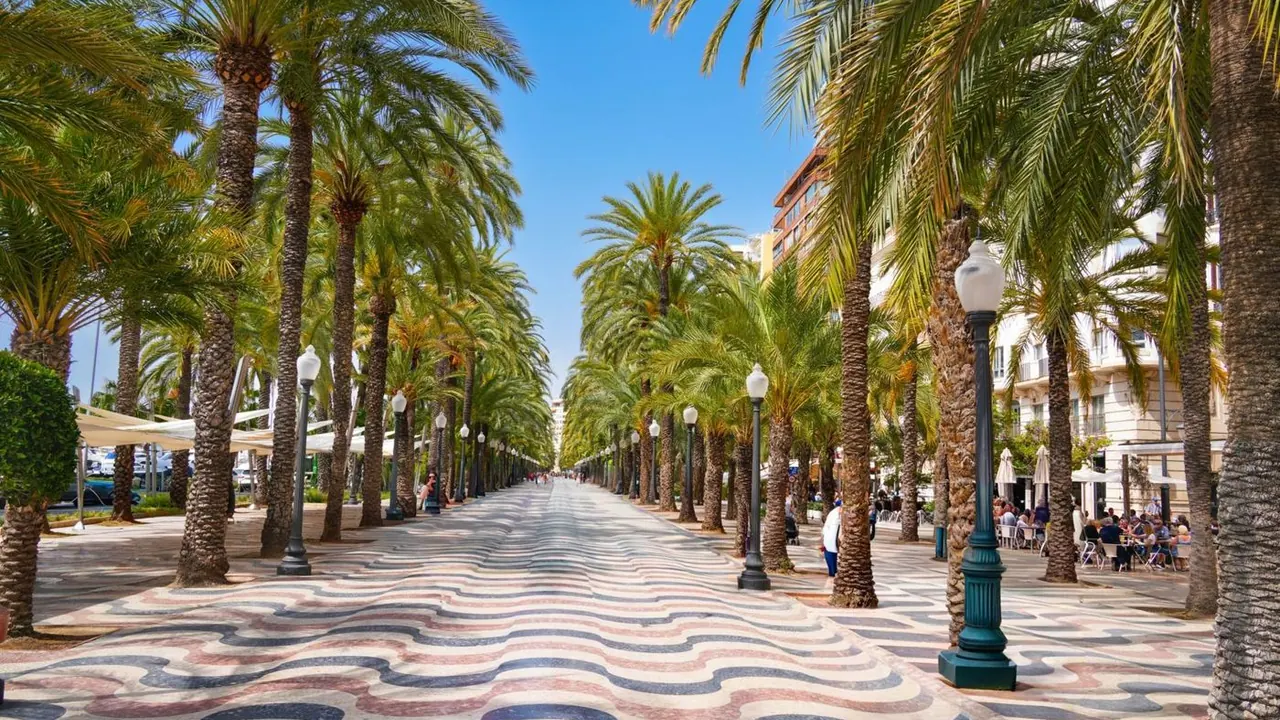
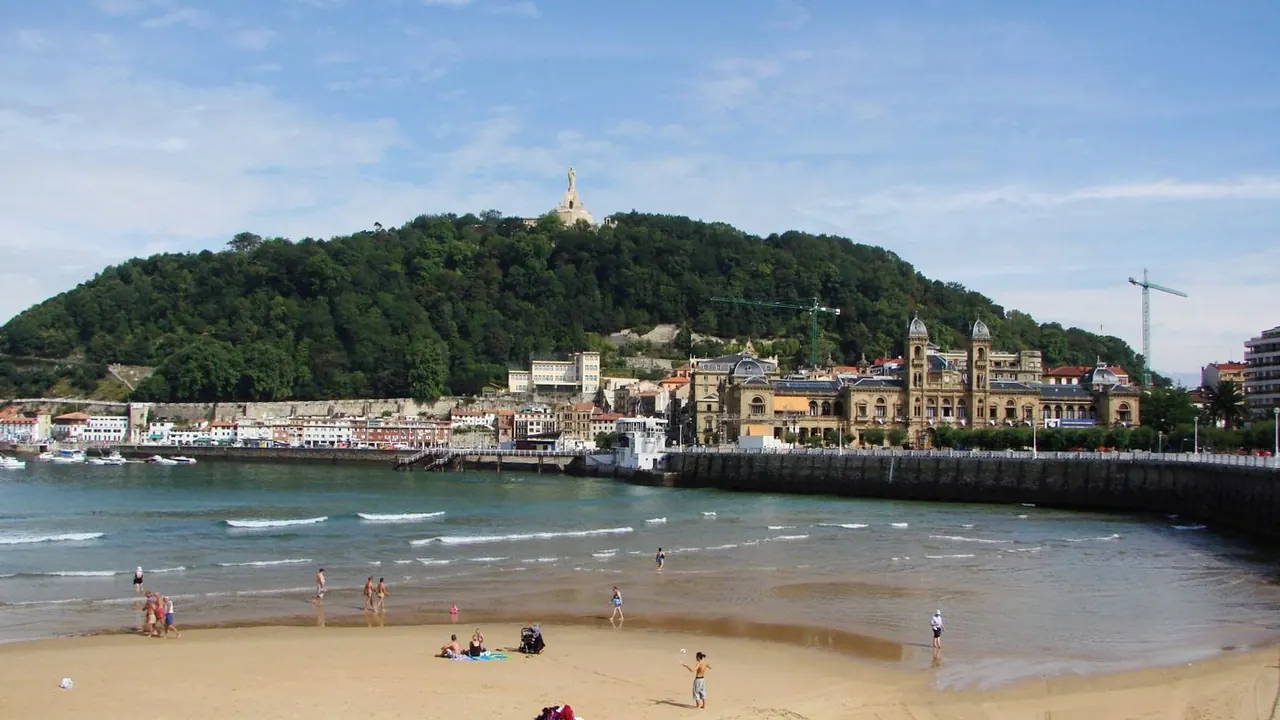
Photos: Alicante by Emilio Sánchez Hernández, Pexels License; San Sebastian by Guérin Nicolas, CC BY-SA 3.0, cropped.
Alicante or San Sebastian?
Our verdict in twelve categories, each scored against the same fixed benchmark cities, and the climate month by month, so you can choose for your trip.
Choose Alicante for
- prices
- nightlife
- beaches
Alicante suits travellers who want reliable sun, warm water and a beach within walking distance of their hotel. It is the cheaper of the two by a wide margin, its old quarter keeps going late into the night, and its long dry season means a swim is realistic from June into October. Choose it for a relaxed seaside trip where the day is built around the beach, a long rice lunch and a late evening in El Barrio.
Choose San Sebastian for
- food and drink
- getting around
- wellness
San Sebastian is the better choice when food is the point of the trip. Its pintxo bars and its celebrated restaurants beat anything Alicante offers at the table, and the compact, flat city, green coastal walks and easy outings to Bilbao and the French Basque coast fill the days around the meals. Expect higher prices and real rain, and come for the eating and the scenery rather than for guaranteed beach weather.
Scoreboard
Twelve categories on one fixed scale from 0 to 100. The shaded stretch is the gap between the two.
Your match
Pick a travel style or drag the sliders, and both match scores follow your weighting.
Too close to call, 1 point apart
Wins on prices and nightlife with your weighting.
Wins on food and drink and getting around with your weighting.
What matters to you?
Category by category
What the scores mean for a trip.
Beaches & swimming
Alicante has the more dependable beach life. Postiguet sits under the castle at the edge of the old town, and the tram runs out to San Juan's long stretch of fine sand with shallow, calm water. Add a warm Mediterranean that stays swimmable well into autumn and the boat to Tabarca's clear rocky coves, and the beach can carry a whole trip.
San Sebastian's La Concha may be the more beautiful city beach, a sheltered shell of sand framed by Santa Clara island, with quieter Ondarreta beside it and Zurriola for surfers. But it is on the Bay of Biscay, the water is cooler and the season is short, so outside high summer its beaches are mostly for walking.
Food & drink
San Sebastian is one of the great eating cities of Europe, and here it is well ahead. An evening means moving between counters in the Parte Vieja and Gros, each with its own pintxo speciality, with txakoli poured from height. Above that sit some of Spain's most celebrated restaurants, and the cider houses of Astigarraga add a winter ritual. The one gap is range, since nearly everything is Basque.
Alicante eats well but more simply, and its strength is rice: arroz a banda, black rice and the egg-crusted arroz con costra, best ordered at lunch for the table. The Mercado Central, with red prawns from Dénia and Santa Pola, and the tapas bars around the old town are where it shines.
Culture & sights
Neither city is a museum destination, and two or three days covers either, but San Sebastian has a little more to give. Its pleasure is the townscape: the grand 19th-century streets around the Buen Pastor cathedral against the dense Parte Vieja, the Miramar Palace above the bay, the San Telmo Museum on Basque society and Chillida's Peine del Viento on the rocks at Ondarreta.
Alicante's sightseeing centres on one landmark, the Castillo de Santa Bárbara on Mount Benacantil, with the whitewashed lanes of Santa Cruz below. The MARQ, with its Iberian and Roman finds, is the standout museum, and the mosaic-paved Explanada is the city's signature walk.
Nightlife
Alicante has the livelier nights. Dinner starts after nine and then El Barrio's small bars fill the steps under the castle until the early hours, with dressier bars and clubs at the marina and beach bars at San Juan in summer. Students and international residents keep it going outside the season, and the Hogueras in late June take over the streets for several nights.
San Sebastian peaks earlier. The pintxo crawl makes the early evening sociable, but after that the choice thins to a few late bars and clubs, and midweek outside summer a night out means dinner and drinks. Neither suits anyone looking for serious club culture.
Nature & outdoors
San Sebastian has the stronger outdoors, and it starts at the edge of town. Monte Ulia opens a coastal path through woods to Pasaia, and the walk over Jaizkibel to Hondarribia is among the finest on the northern Spanish coast. Aiako Harria is within an hour, Zurriola brings surfing, and everything is green, because it rains often.
Alicante's landscape is dry, rocky and bright. Its offer leans to the water, with snorkelling and diving in the Tabarca marine reserve and flamingos on the Santa Pola salt lagoons, while Puig Campana, the Sierra de Aitana and the climbing crags at Sella give real mountain days. Most of those need a car, and summer heat pushes activity into the mornings.
Day trips
San Sebastian sits on a border, and that gives it the wider choice. Bilbao and the Guggenheim, walled Hondarribia, Pamplona and the French Basque towns of Biarritz, Bayonne and Saint-Jean-de-Luz are all within easy reach, and the Rioja Alavesa vineyards make a full day out.
Alicante's outings are good but more regional. Elche's UNESCO palm grove is half an hour away, the coastal tram reaches painted Villajoyosa and white Altea, and Guadalest perches above its reservoir inland. Valencia takes about two hours by train, so it is a long day rather than an easy hop.
Good for families
Both are easy with children, but they work in different ways. Alicante relies on its beaches, shallow water and a late, child-friendly Spanish evening, with the big theme park, water parks and marine park near Benidorm a drive away. The midday heat of July and August is the thing to plan around.
San Sebastian keeps more within the city: the harbour aquarium with its tunnel, the hands-on Eureka museum and the old funfair at the top of the Igueldo funicular. Its limit is the weather, which can rule out the beach for days at a time.
Getting around
San Sebastian is the easier city to move around. It is small and flat, the old town, the centre, Gros and the whole sweep of La Concha are linked by the river and the promenade, and wide bike lanes run along the water. The Euskotren reaches the French border and heads west towards Bilbao.
Alicante's centre is also walkable, with the old quarter, port, market and Postiguet all close together and a lift up to the castle. Beyond it, the coastal tram to San Juan and Benidorm is useful but slow, and a car matters more for the inland villages and coves.
Shopping & style
Neither is a shopping destination, and both do best with things to eat. Alicante has Spanish chains and department stores around Avenida Maisonnave, turrón and saffron at the Mercado Central, and the shoe outlets of Elche half an hour away.
San Sebastian has a few more independent boutiques in the Centro and a stronger line in regional goods: espadrilles, berets, tinned anchovies, Idiazabal cheese and txakoli from La Bretxa and the old grocers.
Affordability
Alicante is far easier on the wallet. Set lunches, tapas and local wine are fair value, the tram and buses are cheap, the castle grounds are free, and outside summer and the Hogueras rooms are plentiful and inexpensive.
San Sebastian is one of the dearest places to stay in Spain, with scarce hotel rooms reaching big-capital levels in summer and festival weeks, and its famous restaurants are a real splurge. Walks, beaches and buses cost little, but a long pintxo evening adds up quickly.
Live music & performing arts
Alicante's stage is modest and mostly in Spanish. The nineteenth-century Teatro Principal puts on drama, touring musicals, dance and comedy, and the ADDA auditorium is home to the provincial symphony orchestra and visiting classical and jazz players. The Hogueras add street bands and processions, but no opera or festival draws visitors on its own.
Two summer festivals with decades of history give San Sebastian the edge for anyone planning a trip around music. In July, Jazzaldia brings international jazz to the Kursaal and free concerts to Zurriola beach. In August, the Quincena Musical fills the month with orchestral music, opera and chamber concerts. The rest of the year is quieter, but the Kursaal still hosts the Basque National Orchestra and the ornate Victoria Eugenia stages plays and dance.
Wellness & relaxation
San Sebastian has an actual bathing tradition from its royal resort days, kept alive in the seawater thalassotherapy spa inside the historic pavilion on La Concha, with pools looking onto the bay. The calm, orderly city and its evening promenade make rest come naturally.
Alicante has nothing comparable in town. Relaxing there means hotel spas, a siesta through the heat and slow walks under the Explanada's palms, with the Roman-era thermal springs of Archena and Fortuna about an hour away by car.
When should you go?
Pick your month. The climate figures are measured averages, not a forecast.
Alicante in July
San Sebastian in July
Daytime high, °C
Rainfall in the month, mm
Where the figures come from
San Sebastian's station stands 252 m above the city centre, so the centre is likely a little warmer than the figures say.
Temperature and rainfall are climate normals, averaged over the years shown. Alicante: 1991-2020 normals, Alicante (2.8 km from centre). San Sebastian: 1991-2020 normals, San Sebastian / Igueldo (6.1 km from centre).
Alicante has the much longer warm season. The sea is warm enough for comfortable swimming from June into October, peaking around 26°C in August, and rain is rare through the summer. July and August are hot, with highs around 31°C, so sightseeing on foot works best in the morning and evening. Winter stays mild and sunny, with highs near 17°C in January, which makes it a pleasant place for walking and cycling when the north is grey.
San Sebastian is a cooler, wetter place all year. Its beach season is really July and August, when the air and sea both reach about 22°C, and even then grey days come. Rain falls in every month and is heaviest in late autumn, with around 203mm in November, so the winter months are for food and museums rather than the shore. Late spring and September are good for walking the coastal paths, with mild days and more sunshine than in winter.
Which traveller are you?
For a beach and sun trip, Alicante is the clear choice. Postiguet sits in the centre, the tram reaches the long sands of San Juan, and the warm Mediterranean and dry summers make swimming dependable for months, where Biscay weather can cancel beach days.
On a trip on a tight budget, Alicante goes much further. Rooms cost far less than in San Sebastian, which is among the priciest places to stay in Spain, and set lunch menus, tapas and cheap trams keep daily spending modest.
For a short city break, San Sebastian makes more of two or three days. Everything lies within a flat walk along the bay, the pintxo bars of the Parte Vieja give every evening a purpose, and Monte Igueldo and the Peine del Viento are close at hand.
Before you go
| Measure | Alicante | San Sebastian |
|---|---|---|
| Official language | Spanish | Spanish |
| Currency | Euro (EUR) | Euro (EUR) |
| Sockets | CF230 V, 50 Hz | CF230 V, 50 Hz |
| Driving side | Right | Right |
| Time zone | UTC+1, UTC+2 in summer | UTC+1, UTC+2 in summer |
| Emergency number | 112 | 112 |
| Elevation | 3 m | 6 m |
| Main airport | Alicante-Elche Miguel Hernández Airport (ALC)10 km from centre126 non-stop destinations | San Sebastián Airport (EAS)16 km from centre11 non-stop destinations |
| Public holidays this year | 13 days | 13 days |
By the numbers
| Measure | Alicante | San Sebastian |
|---|---|---|
| City population | 366,221 | 189,866 |
| People per km² | 1,819 | 3,118 |
| Museums within 10 km | 8 | 14 |
| UNESCO World Heritage sites within 50 km | 2 | 3 |
| Swim season, months above 21 °C | 5 months | 2 months |
Where else could you go?
Every comparison below shares a destination with this one, so you can follow Alicante or San Sebastian somewhere new.