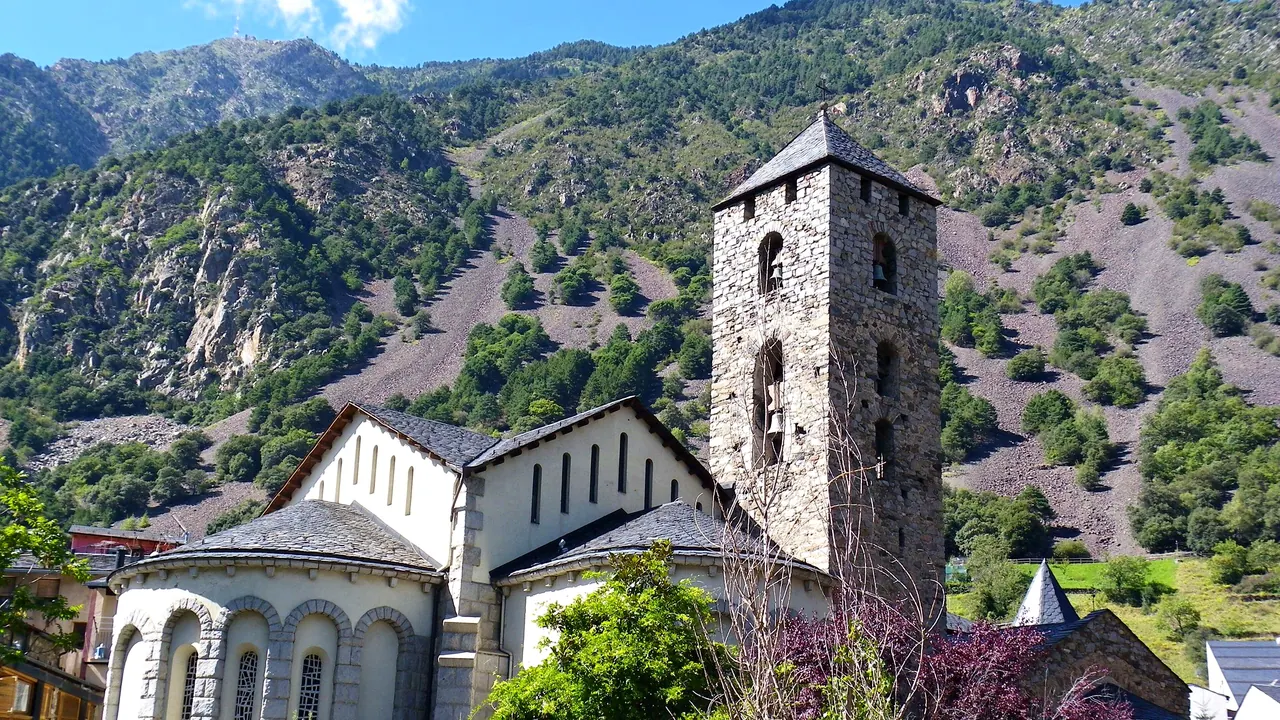
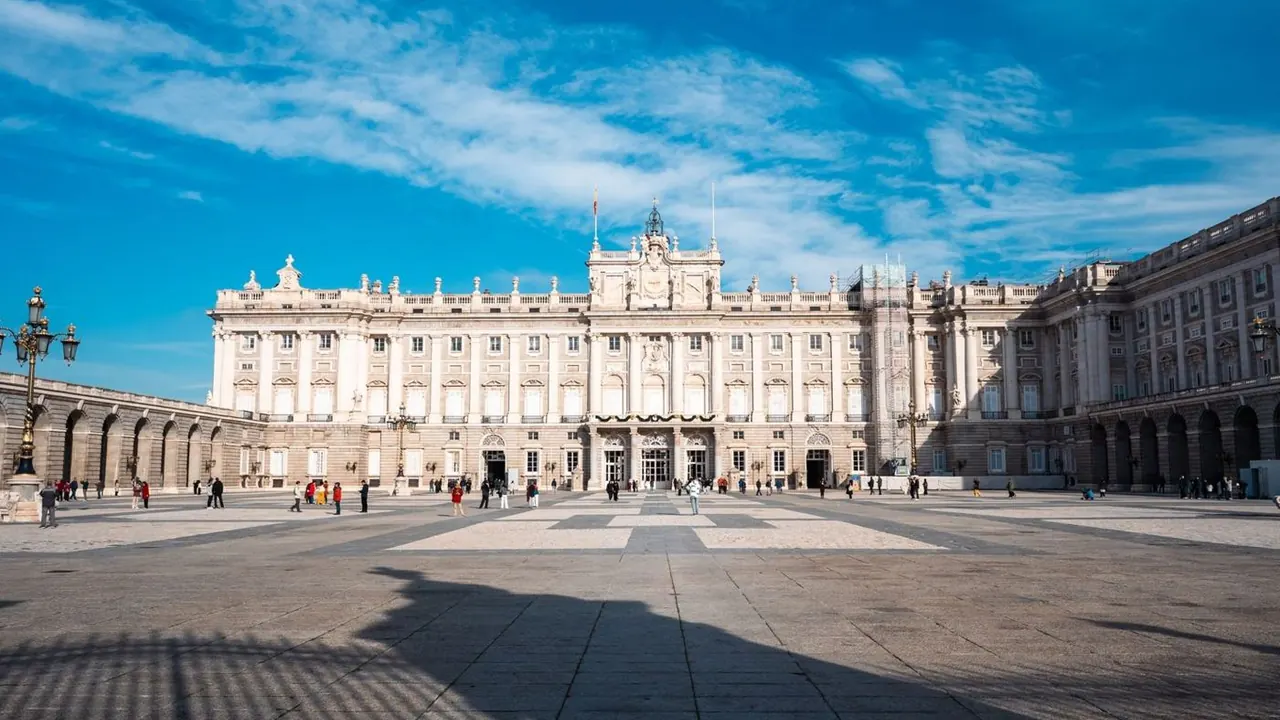
Photos: Andorra la Vella by KRLS, CC BY-SA 3.0, cropped; Madrid by Mert Ocak, Pexels License.
Andorra la Vella or Madrid?
Our verdict in twelve categories, each scored against the same fixed benchmark cities, and the climate month by month, so you can choose for your trip.
Choose Andorra la Vella for
- nature and the outdoors
- wellness
- prices
Andorra la Vella is the pick for travellers who want mountains outside the door. Ski areas are a short ride away in winter, and from late spring the same slopes become hiking and biking country, with the Madriu-Perafita-Claror valley starting at the edge of town. Add the thermal lagoons of Caldea for tired legs and the low-tax shopping strip for gear, and it suits an active trip where evenings end early.
Choose Madrid for
- nightlife
- culture and sights
- live music and the arts
Madrid suits people who travel for a city itself. The Prado, the Reina Sofía and the Thyssen fill days on their own, the tapas bars and late nights fill the evenings, and fast trains run out to Toledo, Segovia and Salamanca. It offers far more to do over a week, as long as you don't need peaks or quiet.
Scoreboard
Twelve categories on one fixed scale from 0 to 100. The shaded stretch is the gap between the two.
Your match
Pick a travel style or drag the sliders, and both match scores follow your weighting.
Wins on nature and the outdoors and wellness with your weighting.
Wins on nightlife and culture and sights with your weighting.
What matters to you?
Category by category
What the scores mean for a trip.
Beaches & swimming
Neither city works for a beach trip. Andorra la Vella is deep in a Pyrenean valley about three hours from the Mediterranean, and Madrid sits on the central plateau even further from any coast. The difference is in how people cool off. In Andorra it means the warm lagoons of the thermal complex, since the mountain lakes are too cold to swim in. In Madrid it means the big open-air municipal pools or the reservoirs under the Guadarrama.
Food & drink
Andorra la Vella eats well after a day outdoors, without being a reason to travel. The best meals are in the bordas, old stone barns in the side valleys where lamb and sausages are grilled over wood, with escudella and trinxat on the menu. In town, food along the shopping avenues is mostly practical.
Madrid is a food destination in its own right. Its tapas counters on Cava Baja and around Santa Ana, cocido and late-night churros sit alongside Galician seafood, Basque grills and serious tasting menus. Market halls such as San Miguel add more choice than the whole principality.
Culture & sights
Andorra la Vella's heritage takes about a day. In town there is the Barri Antic with the fortified Casa de la Vall and the church of Sant Esteve. Out in the valleys there are Romanesque chapels such as Santa Coloma with its round bell tower.
Madrid works on a different scale. The Prado's Velázquez and Goya, Guernica at the Reina Sofía and the Thyssen are all close together on one avenue. Around them are the Royal Palace, Plaza Mayor and the Goya frescoes of San Antonio de la Florida. Art lovers can spend several days here and still not see everything.
Nightlife
Evenings in Andorra la Vella mean a pub or wine bar in the centre or in Escaldes-Engordany, and most visitors are in bed early after skiing. The livelier après-ski happens up in the resort villages, not in the capital.
Madrid is one of Europe's latest-running cities. Bars fill after midnight, and the clubs around Gran Vía and Sol run past dawn. Each district has its own scene: Malasaña for indie, Chueca for gay nightlife, and La Latina for terraces.
Nature & outdoors
This is where Andorra la Vella leads. The whole country is high mountain land, with peaks near 3,000m, ski areas a short bus ride away, and the UNESCO-listed Madriu-Perafita-Claror valley starting at the edge of town. In summer it offers hiking, mountain biking and long road-cycling climbs.
Madrid has good city parks in the Retiro, Casa de Campo and Madrid Río. Its real outdoors is the Sierra de Guadarrama, about an hour north, with the granite boulders of La Pedriza and modest skiing. It is worth a day, but it is not a landscape you stay in.
Day trips
From Andorra la Vella the outings are pleasant but few. You can go down to La Seu d'Urgell's cathedral and market, across to Puigcerdà and the enclave of Llívia, or over the pass to Ax-les-Thermes and Foix castle. All of them mean winding mountain roads.
Madrid is one of Spain's best bases for day trips. High-speed trains reach Toledo and Segovia in about half an hour, and Salamanca and Cuenca are not much further. El Escorial, Aranjuez and Alcalá de Henares are closer still, so a week can include a different historic city most days.
Good for families
Andorra la Vella suits families who come for the mountains. There are ski schools and gentle beginner slopes in winter, and in summer there are toboggan runs, rope courses and a wildlife park. Away from those, the busy shopping street with heavy traffic leaves older children restless.
Madrid offers more beyond one activity. There are rowing boats and puppet shows in the Retiro, a zoo, an aquarium and a funfair in Casa de Campo, and theme parks further out, and children out late in plazas are normal. The main drawback is July and August heat.
Getting around
Andorra la Vella's centre is small and walkable, and it runs straight on into Escaldes-Engordany. Buses climb the valleys, but there is no train in the country, arrival means a long drive from airports in Spain or France, and a car helps for trailheads.
Madrid is far easier. The flat centre runs from the Royal Palace to the Prado on foot, a large air-conditioned metro goes straight to the airport, and Atocha and Chamartín link into the high-speed network. You won't need a car at all.
Shopping & style
Andorra la Vella's shopping is one long low-tax strip running into Escaldes-Engordany. It is good for stocking up on ski gear, perfume, electronics and spirits, but there are few independent shops and almost no local crafts.
Madrid offers more variety and more style. Calle Serrano in Salamanca has luxury labels, Gran Vía and Preciados have the flagships, and Malasaña and Conde Duque have independents and vintage. The Sunday Rastro and the old craft shops by Plaza Mayor sell guitars, fans and espadrilles.
Affordability
Costs are broadly similar in both, but they add up in different ways. In Andorra la Vella, rooms are good value outside the peak ski weeks and low taxes make spirits and gear cheaper, while ski passes, equipment hire and the spa cost much what they do in other mountain resorts. In Madrid, hotels cost what a major capital charges, but the midday menú, cheap tapas, an inexpensive metro and free museum hours keep the days themselves modest.
Live music & performing arts
In Andorra la Vella, live performance is mostly a summer affair, with the jazz festival in Escaldes-Engordany, classical music in Ordino and open-air shows. For much of the year there is little on in the evenings.
Madrid has a full stage calendar. There is opera at the Teatro Real, orchestras at the Auditorio Nacional, zarzuela, and musicals along Gran Vía. Above all there is flamenco every night in the old-centre tablaos, plus jazz clubs and indie venues in Malasaña.
Wellness & relaxation
Andorra la Vella has the better answer here, although it comes down to one place. Caldea's thermal lagoons, saunas and adults-only area in Escaldes-Engordany make a natural end to a day on the slopes. For real quiet, there are the villages in the side valleys.
Madrid has no hot springs and no bathing tradition. There are a few Arab-style bathhouses under brick vaults and hotel spas. Otherwise, rest in Madrid means a long lunch, an afternoon in the Retiro or the shade of the Botanical Garden, in a city that is built for staying up late rather than winding down.
When should you go?
Pick your month. The climate figures are measured averages, not a forecast.
Andorra la Vella in July
Madrid in July
Daytime high, °C
Rainfall in the month, mm
Where the figures come from
Andorra la Vella has no weather station within reach, so its figures come from a gridded climate model rather than a measured record, and read a broad area rather than the city itself.
Temperature and rainfall are climate normals, averaged over the years shown. Andorra la Vella: 1991-2020 normals, TerraClimate 4 km grid at the town, no weather station within 90 km. Madrid: 1991-2020 normals, Madrid (1.7 km from centre).
Andorra la Vella sits about 1,000m up, so its year is cool. Summer days reach around 23°C, which is ideal for hiking, while winter highs of about 5°C bring the ski season. Rain is spread through the year, but late spring and November are the wettest months, at up to 115mm. Summer afternoons can turn stormy. Late June to September is the best time for trails, and December to March for snow.
Madrid is the opposite in summer. July climbs to about 33°C, with almost no rain and long sunny days, which is hard going for walking between museums. Spring and autumn are the best times for the city, with May and late September warm and bright. October brings the most rain. Winter days of around 10°C are still mild enough for sightseeing, when Andorra is deep in snow. Neither city has a beach, so warm-weather swimming means pools in both.
Which traveller are you?
On an outdoors trip, Andorra la Vella is the clear choice. It has high peaks all around, lift-linked ski areas close by in winter, and marked trails to glacial lakes and refuges in summer. Madrid's Sierra de Guadarrama is an hour away and offers less.
For a food and nightlife trip, Madrid wins easily. You can crawl the tapas bars of La Latina and Lavapiés, eat dishes from every Spanish region, then go out in Malasaña or Chueca until dawn. Andorra's evenings are quiet, and its town restaurants are uneven.
On a relaxing and wellness trip, Andorra la Vella suits better. The hot springs of Escaldes-Engordany feed Caldea's lagoons and saunas, and the stone villages of the side valleys are calm. Madrid's late, noisy rhythm leaves little more than a few Arab-style bathhouses.
Before you go
| Measure | Andorra la Vella | Madrid |
|---|---|---|
| Official language | Catalan | Spanish |
| Currency | Euro (EUR) | Euro (EUR) |
| Sockets | CF220 V, 50 Hz | CF230 V, 50 Hz |
| Driving side | Right | Right |
| Time zone | UTC+1, UTC+2 in summer | UTC+1, UTC+2 in summer |
| Emergency number | 112 or 118 | 112 |
| Elevation | 1,022 m | 663 m |
| Main airport | Josep Tarradellas Barcelona-El Prat Airport (BCN)142 km from centre235 non-stop destinations | Adolfo Suárez Madrid–Barajas Airport (MAD)14 km from centre241 non-stop destinations |
| Public holidays this year | 14 days | 12 days |
By the numbers
| Measure | Andorra la Vella | Madrid |
|---|---|---|
| City population | 24,042 | 3,506,730 |
| People per km² | 801 | 5,801 |
| Museums within 10 km | 13 | 88 |
| UNESCO World Heritage sites within 50 km | 4 | 4 |
Where else could you go?
Every comparison below shares a destination with this one, so you can follow Andorra la Vella or Madrid somewhere new.
- Toledovs Madrid
- Segoviavs Madrid
- Carcassonnevs Andorra la Vella
- Gironavs Andorra la Vella
- Toulousevs Andorra la Vella
- Barcelonavs Andorra la Vella