Benguela
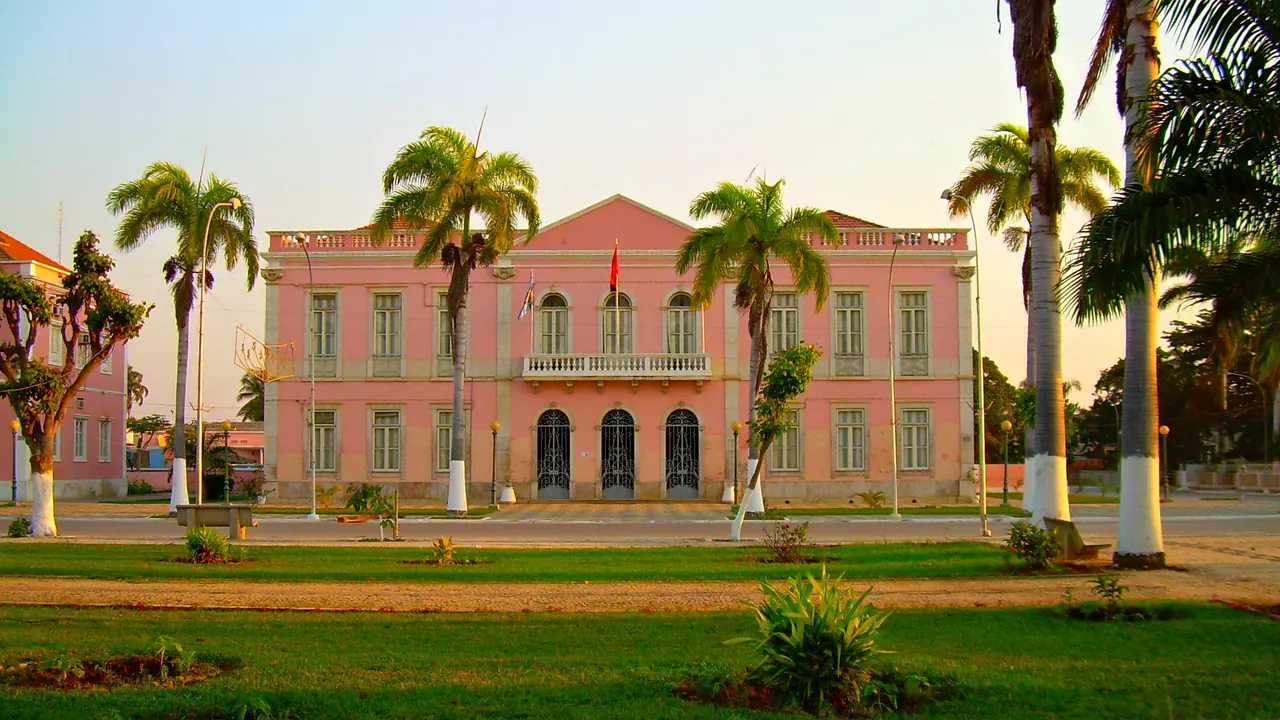
The pink town hall, the Paços do Concelho, in Benguela, with palms and a lawn
- Beaches66
- Affordability48
- Nature & outdoors45
Photo: F H Mira, CC BY-SA 2.0, cropped
Match
33
Every category weighted equally
- Beach & sun38
- Culture & arts30
- Food & nightlife32
- Family trip36
- Outdoors36
- Relax & unwind35
- Shopping & style29
- On a budget35
Benguela in twelve categories
Our verdict on each, scored 0 to 100 against the same fixed benchmark cities, so a score means the same thing on every page.
Beaches & swimming. Scores 66 out of 100.
Food & drink. Scores 36 out of 100.
Culture & sights. Scores 30 out of 100.
Nightlife. Scores 35 out of 100.
Nature & outdoors. Scores 45 out of 100.
Day trips. Scores 30 out of 100.
Good for families. Scores 24 out of 100.
Getting around. Scores 30 out of 100.
Shopping & style. Scores 14 out of 100.
Affordability. Scores 48 out of 100.
Live music & performing arts. Scores 20 out of 100.
Wellness & relaxation. Scores 20 out of 100.
Benguela category by category
Beaches & swimming
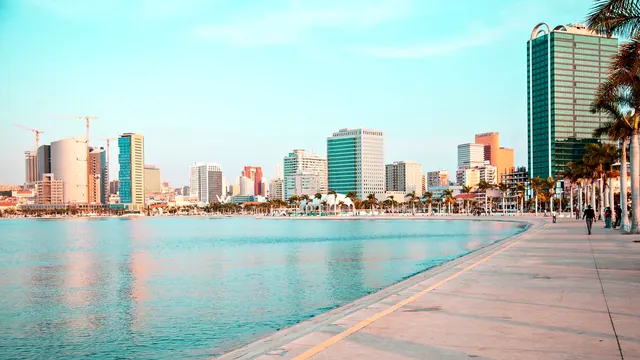
66Benguela faces the Atlantic, and the sea is a large part of the town's life. Praia Morena runs along the edge of the centre. It is a long strip of sand lined with palms and a promenade, where families walk and fishermen pull up their boats. People swim there, but the water off the town is not the clearest. The beaches people drive out for lie south: Baía Azul, a wide, calm bay of pale sand and blue-green water, and the smaller coves at Caotinha and around Baía Farta. To the north, the Restinga sandspit at Lobito has sheltered water and a long line of beach bars.
The sea is warmest from about January to April, when it reaches around 26°C. During the cool, overcast cacimbo season, from June to September, it drops to about 20°C. Outside town there are few loungers, lifeguards or services, so bring your own shade and water. The good bays are easiest to reach with a car or driver.
Food & drink
36Eating in Benguela is mostly about fish and seafood straight from the boats at Baía Farta and along the coast. Grilled garoupa, lobster, prawns and fish stews are served at beachside restaurants and simple grills along Praia Morena. Angolan home cooking is the other half: calulu of dried fish and vegetables, muamba de galinha in palm oil, funge made from cassava or maize, and feijão de óleo de palma. Portuguese habits show in the bread, the custard pastries and the grilled chicken. Cold local lager is the everyday drink.
There are not many restaurants and the range is narrow. Fine dining and international cooking amount to little beyond a few hotel kitchens. The informal markets are for everyday shopping, not for visitors to graze.
Culture & sights
30Benguela was founded by the Portuguese in 1617 and was a major slave-trading port. The old centre keeps some of that past: wide streets of low colonial buildings, many in faded pinks and ochres, around a few squares and the seafront. The Igreja de Nossa Senhora do Pópulo, from the eighteenth century, is the main landmark. The National Archaeology Museum is housed in an old slave-trade building, and the station of the Benguela Railway recalls the line that once carried copper from the African interior to the coast. The town has character and a strong sense of history, but the sights themselves are few and modest. A slow morning's walk covers them.
Nightlife
35Going out in Benguela means beach bars and open-air terraces along Praia Morena and the Restinga at Lobito, plus a handful of dance spots. On Friday and Saturday nights, kizomba, semba and kuduro fill them until late. Angolans take dancing seriously, so a good night is spent on the dance floor, not over cocktails. Midweek is quiet, there are only a few places to choose from, and getting home after dark usually means arranging a car or taxi in advance.
Nature & outdoors
45The country around Benguela is dry and stark. Ochre cliffs and eroded red hills drop to the Atlantic, the baobab-studded scrub of the Chimalavera park lies to the south-east, and the Catumbela river valley runs green through it. The coast road south passes headlands and bays such as Baía dos Elefantes, and the landscape grows more desert-like towards Namibe. Fishing and boat trips are the main outdoor activities, and humpback whales pass offshore in the southern winter. Very little is set up for visitors, with few marked trails and few guides, so exploring means hiring a 4x4 and a local driver.
Day trips
30Lobito, about half an hour north, is the obvious outing. It is a port city laid out on the Restinga sandspit, with art deco and colonial houses, a seafront and the terminus of the Benguela Railway. Catumbela, on the way, has an old fortress above the river. Baía Farta, to the south, is a working fishing town with boats and fish-drying racks along the shore. Beyond these, the next towns of real interest, such as Lubango in the highlands, are a long day's drive or a flight away.
Good for families
24Angolans are warm towards children, and the calm water at Baía Azul or the Restinga makes for easy beach days. That is about all the town offers families. There are no zoos, aquariums, theme parks or children's museums, and pavements are uneven. Malaria is present, and medical care is limited compared with the capital. Families who come usually rely on a hotel pool, a driver and the beach.
Getting around
30The old centre and Praia Morena are flat and close together, so they are easy to cover on foot. Beyond that, public transport means the blue-and-white candongueiro minibuses. They are cheap and run everywhere, but they follow informal routes and are crowded, which makes them hard for a newcomer who does not speak Portuguese. A suburban service on the Benguela Railway links the town with Catumbela and Lobito. For Baía Azul, the southern coves or anything further, most visitors hire a car with a driver or arrange taxis through their hotel.
Shopping & style
14Shopping here is for daily needs: open-air markets selling produce, fish and printed wax cloth, a few supermarkets and small shops in the centre. You may find carved wooden figures, baskets and the colourful fabrics used for local dress, but there is no craft quarter, design scene or fashion street. Visitors rarely leave with more than a length of cloth.
Affordability
48Benguela costs two very different amounts depending on how you travel. Local grills, market food, beer and minibus rides are cheap. Comfortable hotels are few and charge more than their standard justifies, imported goods are dear, and hiring a car or driver, which most visitors need, quickly adds up. The result is a mid-range bill for a visitor, not a bargain.
Live music & performing arts
20There is no opera, orchestra or regular theatre programme. Live music happens at weekend bands in beach bars and dance halls, where semba and kizomba are played for dancing, not for an audience. The highlight of the year is carnival, when neighbourhood groups parade with drums and costumes. The rest of the time, there is little to attend.
Wellness & relaxation
20Benguela has no thermal baths, hammams or spa culture, and treatments are limited to a few hotel facilities. What it does offer is a slow pace: long lunches, late-afternoon walks under the palms along the seafront and quiet weekdays. That suits a visitor who wants to unwind, but it is not a place to come for pampering.
When should you go?
Pick a month to see what it is like. The climate figures are measured averages, not a forecast.
Benguela in July
Daytime high, °C
Rainfall in the month, mm
The whole year
Shaded against this destination’s own year: the deepest cell is its best month for that figure and the palest its weakest.
Where the figures come from
Benguela has no weather station within reach, so its figures come from a gridded climate model rather than a measured record, and read a broad area rather than one spot.
Temperature and rainfall are climate normals, averaged over the years shown. Benguela: 2001-2020 normals, NASA POWER reanalysis grid, no weather station within 90 km.
Before you go
| Measure | Benguela |
|---|---|
| Official language | Portuguese |
| Currency | Kwanza (AOA) |
| Sockets | C220 V, 50 Hz |
| Driving side | Right |
| Time zone | UTC+1 |
| Emergency number | Police 113, ambulance 116, fire 115 |
| Elevation | 39 m |
| Main airport | Benguela Airport (BUG)7 km from centre1 non-stop destination |
| Public holidays this year | 14 days |
By the numbers
| Measure | Benguela |
|---|---|
| Population | 561,775 |
| People per km² | 268 |
| Museums within 10 km | 1 |
| UNESCO World Heritage sites within 50 km | 0 |
| Swim season, months above 21 °C | 11 months |
Compare Benguela with
Every comparison with a written verdict behind it.