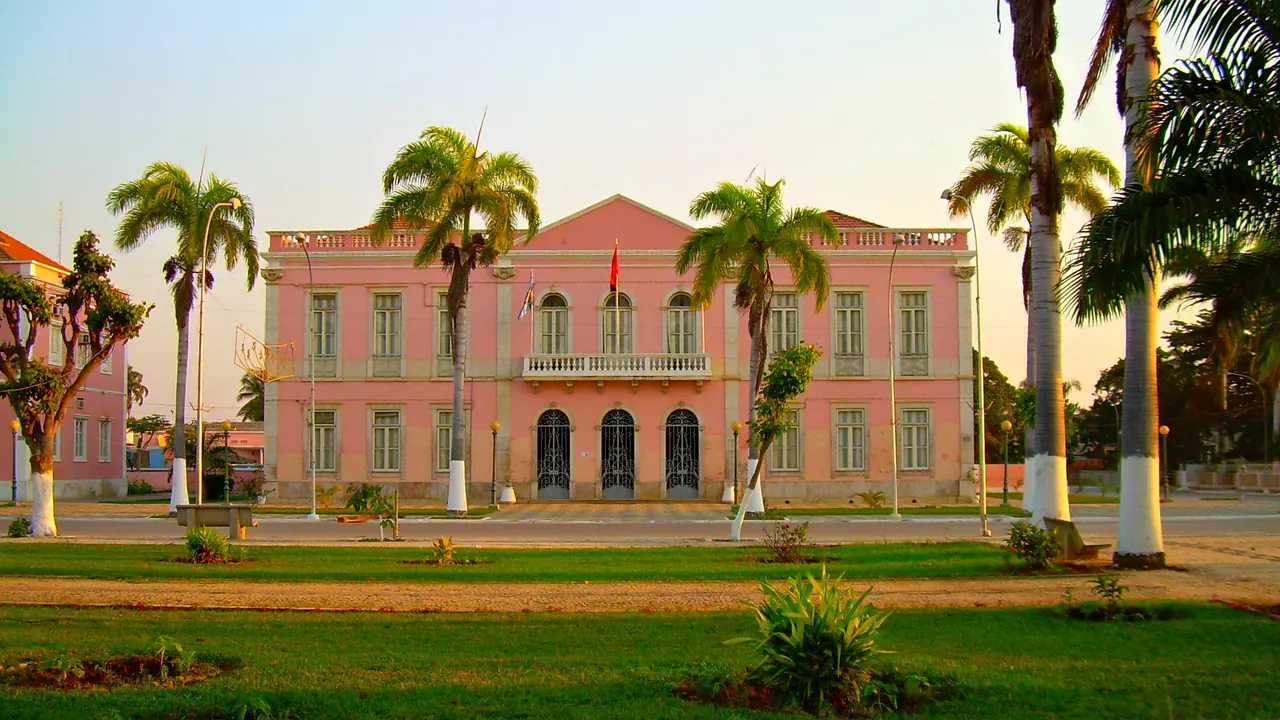
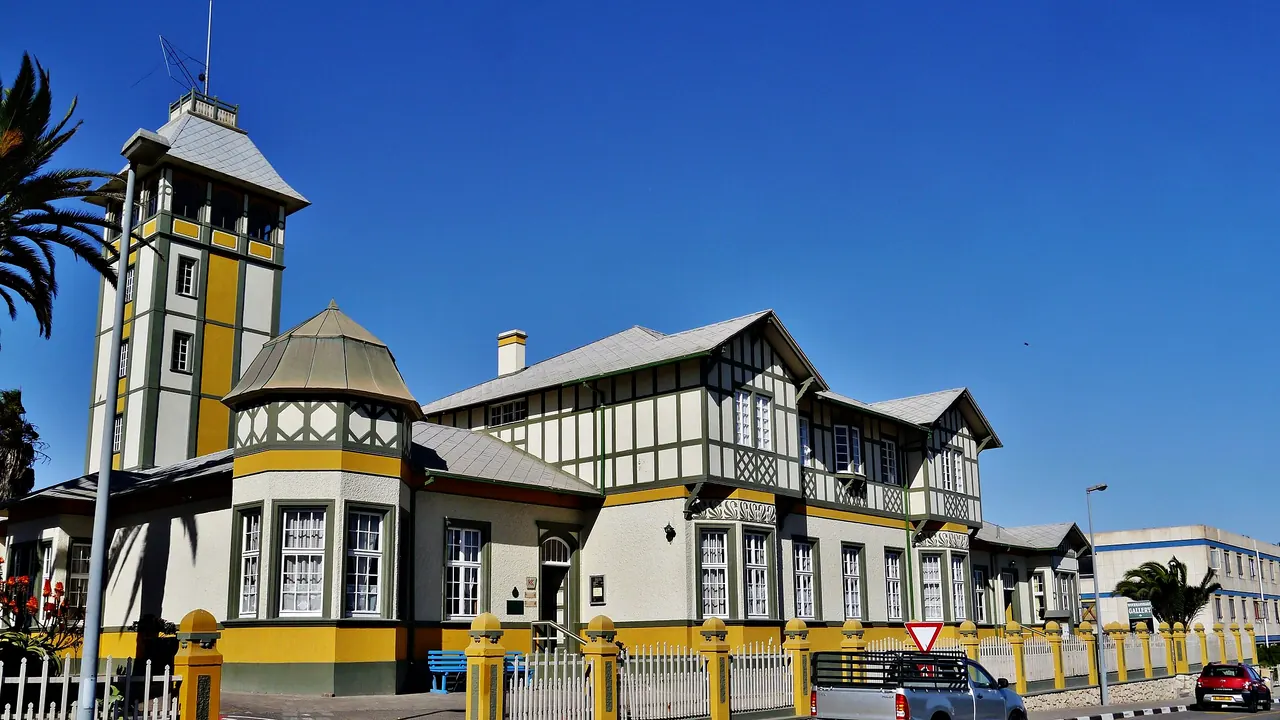
Photos: Benguela by F H Mira, CC BY-SA 2.0, cropped; Swakopmund by Zairon, CC BY-SA 4.0, cropped.
Benguela or Swakopmund?
Our verdict in twelve categories, each scored against the same fixed benchmark cities, and the climate month by month, so you can choose for your trip.
Choose Benguela for
- beaches
- nightlife
- live music and the arts
Benguela is the choice for a warm-water beach trip with a dance floor at the end of the day. Baía Azul and the Restinga at Lobito give the calm, warm swimming that the Namibian coast cannot, and on weekend nights kizomba and semba make for a real night out. It suits travellers who are happy to arrange a driver and put up with thin facilities in return for a coast few visitors see.
Choose Swakopmund for
- nature and the outdoors
- families
- shopping
Pick Swakopmund if the desert is the point. The Namib starts at the edge of town, with sandboarding, quad bikes, flights over the dunes and seal and flamingo trips from Walvis Bay. The small, orderly town also makes an easy base for families and a good pause on a Namibian road trip. Everyday costs are lower too, though the sea is for walking beside rather than swimming in.
Scoreboard
Twelve categories on one fixed scale from 0 to 100. The shaded stretch is the gap between the two.
Your match
Pick a travel style or drag the sliders, and both match scores follow your weighting.
Too close to call, 2 points apart
Wins on beaches and nightlife with your weighting.
Wins on nature and the outdoors and families with your weighting.
What matters to you?
Category by category
What the scores mean for a trip.
Beaches & swimming
Of the two, only Benguela is a place for swimming. Its sea stays warm for much of the year, and beyond the town beach at Praia Morena lie the calm, pale-sand bay of Baía Azul, the coves at Caotinha and the sheltered water of the Restinga at Lobito. There are few services outside town, so a beach day there means bringing a car, shade and water.
Swakopmund has plenty of sand, but here the Atlantic arrives cold, chilled by the Benguela Current, which takes its name from the town to the north. Fog often hangs until midday and the surf can be rough, so the beaches are used for walks, fishing and sunsets, and most visitors go no further than a paddle.
Food & drink
Neither town has a long list of restaurants, and both live off the Atlantic, but they cook very differently. Benguela's food is Angolan and Portuguese: lobster, garoupa and prawns from the Baía Farta boats, calulu and muamba de galinha with funge, custard pastries and cold lager.
Swakopmund eats like a small German town on a cold sea, with Walvis Bay oysters, kob and kingklip, oryx and kudu from the braai, and afternoon cake alongside beer brewed to German purity rules. Its cafés make for a slightly more polished table. In Benguela, once you leave grilled fish and home cooking behind, there is little beyond a few hotel kitchens.
Culture & sights
Both are compact colonial towns whose sights fill a morning or an afternoon, but the history behind them is different. Benguela is much older: a Portuguese port founded in 1617 and tied to the slave trade, with faded ochre streets, the eighteenth-century church of Nossa Senhora do Pópulo, an archaeology museum in a former slave-trade building and the railway that carried copper to the coast.
Swakopmund's townscape is German and dates from the early twentieth century, with half-timbered gables, the tower of the Woermann House and the iron jetty looking out of place against the dunes. Its museum and gemstone gallery are better set up for visitors, and tours of Mondesa township show present-day life rather than the distant past.
Nightlife
Benguela has the livelier weekends. On Friday and Saturday nights the beach bars and terraces along Praia Morena and the Restinga fill with kizomba, semba and kuduro until late, and people come to dance rather than to sit over drinks.
A Swakopmund evening is a sundowner by the jetty and a beer in a German-style pub, and most of the town is quiet before midnight. Benguela is quiet midweek too, and getting home there means arranging a lift in advance.
Nature & outdoors
Swakopmund is far stronger here, because the Namib starts where its streets end. Sandboarding, quad biking, scenic flights and living desert tours all leave from town, and the Walvis Bay lagoon, Sandwich Harbour, the seal colony at Cape Cross and Spitzkoppe can fill several more days.
Benguela's landscape is striking in its own dry way, with red cliffs, the baobab scrub of Chimalavera and humpback whales offshore in the southern winter. Very little is organised for visitors, though, so seeing it means hiring a 4x4 and a driver rather than booking a tour.
Day trips
Benguela has a few more towns worth visiting close by: Lobito, with its art deco houses on the Restinga and the end of the railway, the fortress above the river at Catumbela and the fish-drying racks of Baía Farta, all within easy reach.
Most of Swakopmund's outings are to landscapes. As places to see, the port waterfront at Walvis Bay, Henties Bay, the stone cross at Cape Cross and the rock paintings at Spitzkoppe make a shorter list. Beyond these, both towns face long journeys, to Lubango from one and to Sossusvlei from the other.
Good for families
Swakopmund is much easier with children. It is small, flat and mild, and it has the walk-through tunnel at the National Marine Aquarium, a snake park, guided dune rides and seal-watching boats from Walvis Bay. Its drawbacks are the cold sea and the long drives on gravel roads.
Benguela's calm water at Baía Azul makes for good beach days, which its neighbour cannot offer. Apart from that, nothing is built for children, the pavements are uneven, malaria is present and medical care is limited.
Getting around
Both towns have a flat centre you can walk and both need a car beyond it, but Swakopmund makes everything else simpler. Activity operators collect guests from where they are staying, and most visitors arrive in a hire car as part of a Namibian road trip.
In Benguela, the old centre and Praia Morena are easy on foot, and a suburban train runs to Catumbela and Lobito. The candongueiro minibuses are hard to use without Portuguese, though, so reaching the southern bays means a car with a driver or a taxi booked through the hotel.
Shopping & style
Swakopmund gives a shopper more to do. Its craft markets by the lighthouse sell carvings, beadwork and Herero dolls, and specialist shops deal in tourmaline, karakul rugs and kudu-hide shoes. Benguela's markets serve daily needs, and a length of printed wax cloth is the usual souvenir, while neither town has much fashion or design.
Affordability
Swakopmund is the easier of the two on the wallet. Guesthouses and self-catering flats are easy to find and meals of fish and game are reasonably priced, though dune tours, flights and the hire car add up.
Benguela is only cheap if you live as locals do, on grills, beer and minibuses. Comfortable hotels are few and expensive for what they offer, and the driver that most visitors need pushes the total bill into the mid-range.
Live music & performing arts
Benguela's live music is played for dancing. Bands in the beach bars and dance halls play semba and kizomba at weekends, and carnival brings neighbourhood groups through the streets with drums and costumes. Swakopmund has less to offer: an occasional show at a small local theatre or a community event, and a pub band at the weekend. Neither town has an orchestra, an opera or a theatre season to plan an evening around.
Wellness & relaxation
Neither is a place to come for spas, but Swakopmund has the edge. It has a few day spas and treatment rooms in guesthouses and lodges, the sea air is cool and the afternoons follow a rhythm of promenade walks and coffee and cake. Benguela's treatments go little further than a few hotel facilities, and rest there means long lunches and late walks under the seafront palms.
When should you go?
Pick your month. The climate figures are measured averages, not a forecast.
Benguela in July
Swakopmund in July
Daytime high, °C
Rainfall in the month, mm
Where the figures come from
Benguela has no weather station within reach, so its figures come from a gridded climate model rather than a measured record, and read a broad area rather than one spot.
Swakopmund's temperatures are measured 26 km from the centre, at Walvis Bay-Pelican Point.
Swakopmund has no rain gauge within 25 km of the centre, so its rainfall comes from a gridded climate dataset read at the destination rather than from a gauge further away.
Temperature and rainfall are climate normals, averaged over the years shown. Benguela: 2001-2020 normals, NASA POWER reanalysis grid, no weather station within 90 km. Swakopmund: 2005-2025 (rainfall 1991-2020) normals, Walvis Bay-Pelican Point (26.2 km from centre).
Benguela has two clear seasons. The rains fall from November to April and are heaviest in March, at about 182mm, which is also when the sea is warmest, near 28°C. May is the best month, dry and still hot with warm water. From June to September the cacimbo brings cool, overcast days and a sea of around 21°C, which is pleasant for walking the streets but less good for swimming.
Swakopmund gets almost no rain all year, and its days stay mild. They are warmest from March to May, at about 27°C, and coolest in August and September. Sightseeing and dune trips work in any month, but the sea never rises above about 18°C, so no season turns this into a swimming coast.
Which traveller are you?
On a beach and sun trip, Benguela is the clear pick. For much of the year the sea at Baía Azul and the Restinga is warm enough for long, easy swims, while Swakopmund's cold current and morning fog keep most visitors to a paddle.
For an outdoors trip, Swakopmund wins easily. Dunes for sandboarding and quad biking begin at the edge of town, and Walvis Bay, Sandwich Harbour and Cape Cross add seals, flamingos and shipwrecks, with operators ready to take you there.
On a family trip with children, Swakopmund is the easier base. It is small, flat and mild, with an aquarium tunnel and dune rides that older children love. Benguela has calm bays but little else for children, along with malaria and limited medical care.
Before you go
| Measure | Benguela | Swakopmund |
|---|---|---|
| Official language | Portuguese | English |
| Currency | Kwanza (AOA) | Namibia Dollar (NAD) |
| Sockets | C220 V, 50 Hz | M220 V, 50 Hz |
| Driving side | Right | Left |
| Time zone | UTC+1 | UTC+2 |
| Emergency number | Police 113, ambulance 116, fire 115 | 112 |
| Elevation | 39 m | 6 m |
| Main airport | Benguela Airport (BUG)7 km from centre1 non-stop destination | Walvis Bay International Airport (WVB)37 km from centre2 non-stop destinations |
| Public holidays this year | 14 days | 13 days |
By the numbers
| Measure | Benguela | Swakopmund |
|---|---|---|
| Population | 561,775 | 75,921 |
| People per km² | 268 | 419 |
| Museums within 10 km | 1 | 1 |
| UNESCO World Heritage sites within 50 km | 0 | 0 |
| Swim season, months above 21 °C | 11 months | None |
Where else could you go?
Every comparison below shares a destination with this one, so you can follow Benguela or Swakopmund somewhere new.
- Windhoekvs Swakopmund
- Luandavs Benguela
- Victoria Fallsvs Swakopmund
- Livingstonevs Swakopmund
- Cape Townvs Swakopmund
- Stellenboschvs Swakopmund