Angola
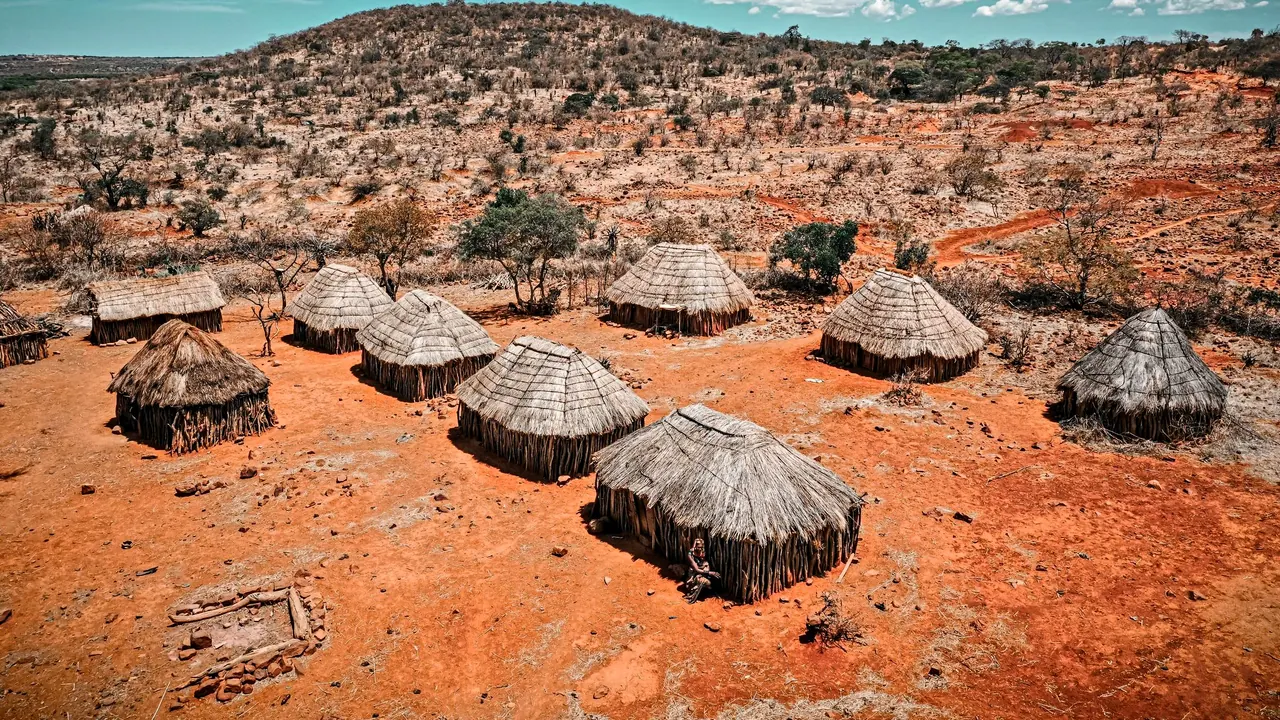
Traditional thatched huts in the dry red landscape of Angola
- Nature & outdoors62
- Beaches55
- Nightlife45
Photo: Heibby Cris Marvel, Pexels License
Match
32
Every category weighted equally
- Beach & sun35
- Culture & arts30
- Food & nightlife33
- Family trip32
- Outdoors35
- Relax & unwind32
- Shopping & style29
- On a budget32
Angola in twelve categories
Our verdict on the country as a whole, scored 0 to 100 against the same fixed benchmark cities as every destination, so a score means the same thing on every page.
Beaches & swimming. Scores 55 out of 100.
Food & drink. Scores 40 out of 100.
Culture & sights. Scores 33 out of 100.
Nightlife. Scores 45 out of 100.
Nature & outdoors. Scores 62 out of 100.
Day trips. Scores 20 out of 100.
Good for families. Scores 18 out of 100.
Getting around. Scores 18 out of 100.
Shopping & style. Scores 20 out of 100.
Affordability. Scores 35 out of 100.
Live music & performing arts. Scores 30 out of 100.
Wellness & relaxation. Scores 10 out of 100.
Angola category by category
Under each: where in Angola it is best, and our destinations in Angola that score highest on it.
Beaches & swimming
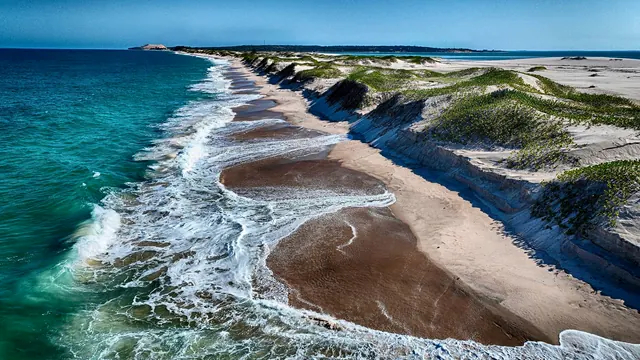
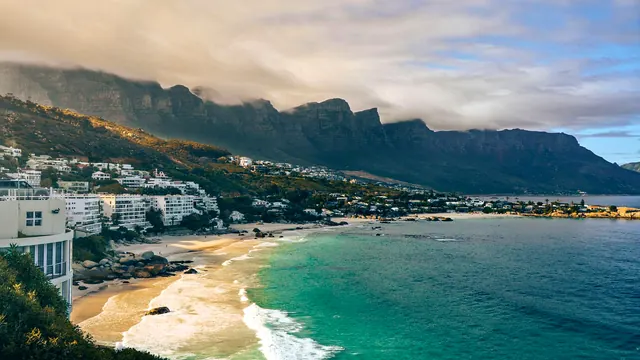
55Angola's beaches are on a long Atlantic coast that gets drier and cooler the further south you go. Around Luanda, the Ilha de Luanda and the Mussulo peninsula are where the capital goes on weekends: sand, beach bars and calm lagoon water on the Mussulo side, reached by boat across the bay. Cabo Ledo, a couple of hours south, has a wide, open bay and a surf break. Further down the coast, Benguela and Lobito have Baía Azul, Caota and the Restinga sandspit, which are quieter and cleaner than the beaches near the capital.
The sea is warmest, around 26°C, from about December to April. In the cacimbo season, from June to September, the sky turns grey and the water cools noticeably. South of Namibe the cold Benguela current makes the sea bracing all year. Facilities are thin outside a few resort strips, and the water close to central Luanda is not clean.
Where: Mussulo, Benguela and Lobito, Cabo Ledo, Ilha de Luanda
Our top destinations in Angola
Food & drink
40Angolan cooking is hearty and built on starches. Funge is a stiff porridge of cassava or maize, served with muamba de galinha (chicken in palm oil with okra), calulu (dried fish stewed with greens) or mufete (grilled fish with beans and plantain). The Portuguese influence shows in the bread, the pastries, the grilled meats and the wine lists. Cuca and Nocal beer go with everything.
The best eating is seafood on the Ilha de Luanda and in Benguela, where fish comes straight off the grill at simple beach places. Luanda also has the only real range of restaurants, from Portuguese and Brazilian to upmarket hotel dining. Elsewhere the choice shrinks quickly to a few local eating houses, and there is little street-food or market culture that a visitor would build a trip around.
Our top destinations in Angola
Culture & sights
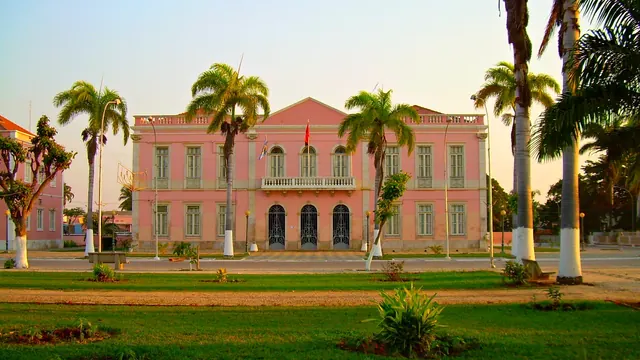
33Angola's heritage is mostly colonial and Atlantic, along with the long, painful history of the slave trade. In Luanda, the Fortaleza de São Miguel looks down over the bay. The Museu Nacional de Antropologia holds masks and carvings from across the country. The Museu Nacional da Escravatura stands in a chapel south of the city where enslaved people were shipped. The capital also has a scattering of Portuguese churches, the Palácio de Ferro and the Agostinho Neto mausoleum.
Benguela has a quieter colonial centre of pastel buildings and old churches. Mbanza Kongo, the capital of the old Kingdom of Kongo, is on the UNESCO list. It lies in the far north, though, and is a separate trip with only ruins and a small museum to show. A visitor with a week will find a handful of meaningful sights rather than a dense heritage trail.
Where: Luanda, Benguela, Mbanza Kongo
Our top destinations in Angola
Nightlife
45Going out in Angola means going out in Luanda, and Luanda takes its nights seriously. The Ilha de Luanda strip fills with beach bars and lounges at the weekend. In the city, the dance clubs play kizomba, semba and kuduro, the dances that started here, and the floor rarely empties before dawn. People dress up, and the crowd mixes well-off locals, Portuguese and Brazilian expats and oil-industry workers.
It is an evening to go out with someone who knows the city, because venues are spread out, taxis are needed and the better places are costly. Benguela and Lobito have some bars along the seafront, but outside the capital the night mostly ends after dinner.
Our top destinations in Angola
Nature & outdoors
62Angola's landscapes are big and little visited. Inland from Luanda, the Kalandula Falls drop over a wide horseshoe of rock, and they are fullest in the rainy months from about February to April. Nearby, the giant boulders of Pungo Andongo rise out of the savannah. In the south, the Huíla plateau ends abruptly at the Tundavala gap, a cliff edge with views far down to the plain, and the road down the Serra da Leba winds in tight hairpins.
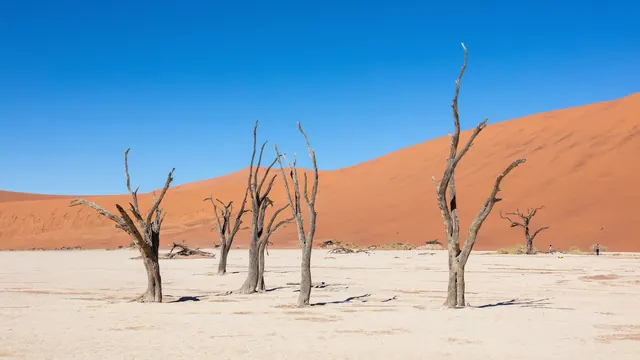
Below that lies the Namib. Iona National Park has dunes running to the sea, welwitschia plants and Himba settlements. Close to the capital, Kissama National Park and the eroded cliffs of the Miradouro da Lua make an easy outing. Big-game wildlife is thin after decades of war. Marked trails, outfitters and guides are scarce, so most of this means a 4x4 and a driver, and the south is a separate trip from Luanda.
Where: Huíla Plateau and Serra da Leba, Kalandula Falls and Pungo Andongo, Iona National Park, Kissama National Park
Our top destinations in Angola
Day trips
20There is little in Angola to visit as a day out from where you stay. From Luanda, most outings head to cliffs, parks or beaches rather than to other towns. The one easy town-to-town day is on the central coast, where Benguela, Lobito and Catumbela are close together. Lobito's long sandspit and the old railway town feel different enough from Benguela's colonial streets to fill a pleasant day.
Otherwise, towns lie hours apart on long roads, so travelling here means moving base rather than taking day trips.
Where: Benguela and Lobito
Our top destinations in Angola
Good for families
18Angola is hard going with children. There are no theme parks, aquariums or science museums to build a trip around. Malaria is present across the country all year, and good medical care is concentrated in Luanda. Road journeys between regions are long and tiring, and the capital's traffic is heavy.
What works is a beach stay. The sheltered lagoon side of Mussulo and the calm bays near Benguela have warm, gentle water, and some resort hotels have pools. Angolans are warm with children, but families usually come here for a specific reason rather than for an easy vacation.
Where: Mussulo, Benguela
Our top destinations in Angola
Getting around
18Getting around takes effort. Luanda is spread out, its traffic is heavy, and the shared candongueiro minibuses are hard for a visitor to use, so a driver or taxi is the norm. Between regions, domestic flights connect the capital with Benguela-Catumbela, Lubango and Namibe and save long days on the road. The Benguela railway runs inland from Lobito but is slow.
The main highways are passable. Away from them, the parks, waterfalls and the far south need a 4x4 and someone who knows the route. Fuel stops and services can be far apart. Most visitors arrange a car and driver for each region rather than travel independently.
Where: Luanda, Benguela, Lubango
Our top destinations in Angola
Shopping & style
20Shopping is a short list. The craft market at Benfica, on Luanda's southern edge, is the place to go: long rows of wooden carvings, Chokwe-style masks, the Pensador thinker figure, paintings, fabrics and jewellery, all sold with plenty of bargaining. The capital also has a few large malls for everyday brands, along with stalls selling bright capulana cloth.
Beyond that there is little for a visitor to seek out. There is no design or boutique scene to speak of, and towns outside Luanda offer markets for daily needs rather than for souvenirs.
Where: Luanda
Our top destinations in Angola
Affordability
35Angola is not a cheap country to travel in, even though everyday local prices are low. Street snacks, local beer and simple meals cost little. A visitor, though, rarely lives at local prices. In Luanda, decent hotels and the restaurants foreigners use are priced for oil-industry business travel, and there is almost no backpacker accommodation.
The real cost is moving around. Drivers, 4x4 hire and domestic flights are needed to reach the parks and the south, and they make up much of the budget. Benguela and Lubango are noticeably easier on the wallet than the capital.
Where: Benguela, Lubango
Our top destinations in Angola
Live music & performing arts
30Angola's performing arts are its popular music. Semba, the guitar-led dance music behind much of modern Lusophone pop, is played live in Luanda's clubs and at weekend dances. Kizomba and kuduro fill the dance floors, and the big concerts and the Luanda carnival bring all three onto the street.
Formal culture is thin. The capital has a few small theatres and arts centres with an irregular programme of plays, dance and exhibitions, but nothing like a season of opera or orchestral concerts. Outside Luanda, live music mostly means a band at a seafront bar on a weekend night.
Where: Luanda
Our top destinations in Angola
Wellness & relaxation
10Wellness is barely part of a trip to Angola. There are no thermal baths, hammams or bathing traditions, and spas are limited to a few upmarket hotels in Luanda. The capital itself is noisy and congested. The closest thing to unwinding is a few unhurried days at a lodge on Mussulo, or in the cooler, quieter air of Lubango on the southern plateau.
Where: Mussulo, Lubango
Our top destinations in Angola
Where to go in Angola
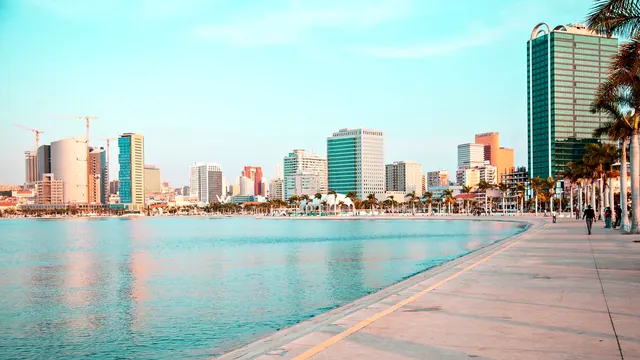
Most first visits start in Luanda, and for city life it is the whole country. It has the Fortaleza de São Miguel, the anthropology and slavery museums, the Benfica craft market, the only real choice of restaurants, and long weekend nights of kizomba and semba. Beach days are close by. Ilha de Luanda has seafood and beach bars, Mussulo has calm lagoon water across the bay and is the best choice for families or a quiet few days, and Cabo Ledo has surf a couple of hours south. Kissama National Park and the cliffs of the Miradouro da Lua are easy outings from the city.
Benguela is the gentler alternative on the central coast, a short flight from the capital. Its pastel colonial centre, the clean bays at Baía Azul and Caota, and grilled fish by the sea make for an unhurried stay that costs less than Luanda. Lobito's Restinga sandspit and nearby Catumbela are close enough for a relaxed day out, which is rare in Angola.
The landscapes are where the real effort goes. Inland from Luanda, the Kalandula Falls and the boulders of Pungo Andongo make a road trip of several days with a 4x4 and a driver, best in the rainy months when the falls are full. The south is a separate trip. Fly to Lubango, a cool, quiet plateau town, for the Tundavala gap and the hairpins of the Serra da Leba, then continue down to Namibe and the dunes, welwitschia and Himba settlements of Iona National Park.
Mbanza Kongo, the old Kongo capital in the far north, is a long trip of its own for history enthusiasts, with ruins and a small museum to show for it. With a week, most visitors pick Luanda plus one region rather than trying to cover the whole country.
When should you go?
Angola has no single climate. Its months are measured at Luanda and Benguela; pick one to see it. The figures are measured averages, not a forecast.
Where in Angola
Luanda in July
Daytime high, °C
Rainfall in the month, mm
Temperature and rainfall are climate normals, averaged over the years shown. Luanda: 1963-2025, 15 years observed (rainfall 1971-2000) normals, Luanda (3.9 km from centre).
Compare Angola with
Every comparison with a written verdict behind it, and any other country below.
Our destinations in Angola
Every place in Angola with its own page: its twelve scores, its texts and its months.