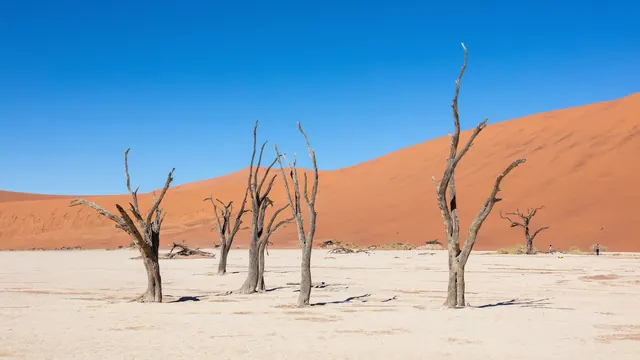
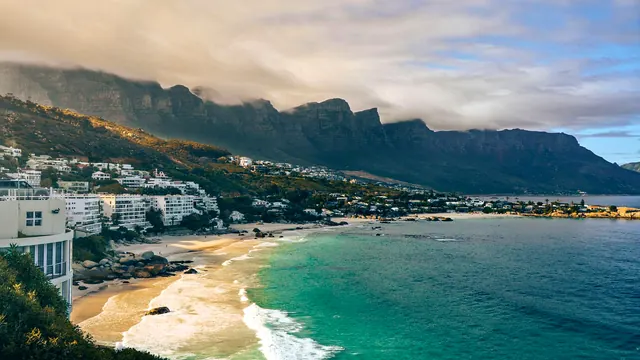
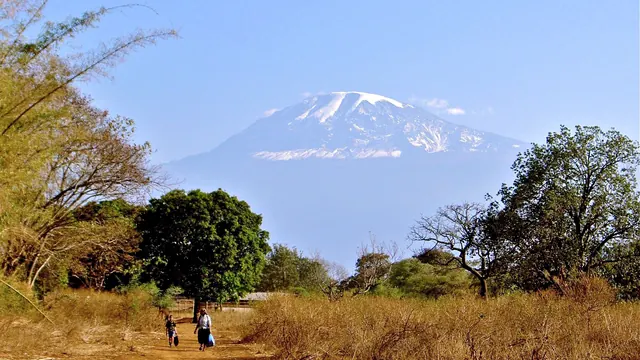
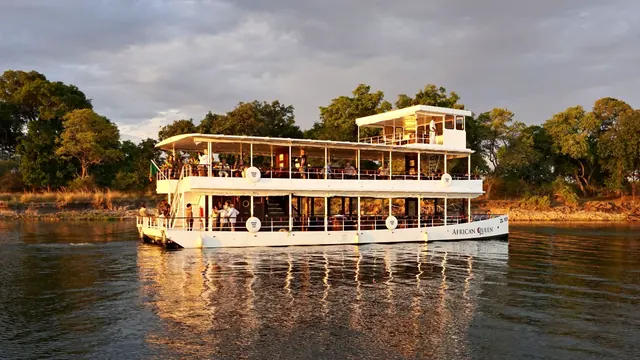
Photos: Angola by Heibby Cris Marvel, Pexels License; South Africa by Andrea Gambirasio, Pexels License.
Angola or South Africa?
Our verdict in twelve categories, each scored against the same fixed benchmark cities, and the climate month by month, so you can choose for your trip.
Choose Angola for
Angola does not lead in any category we score.
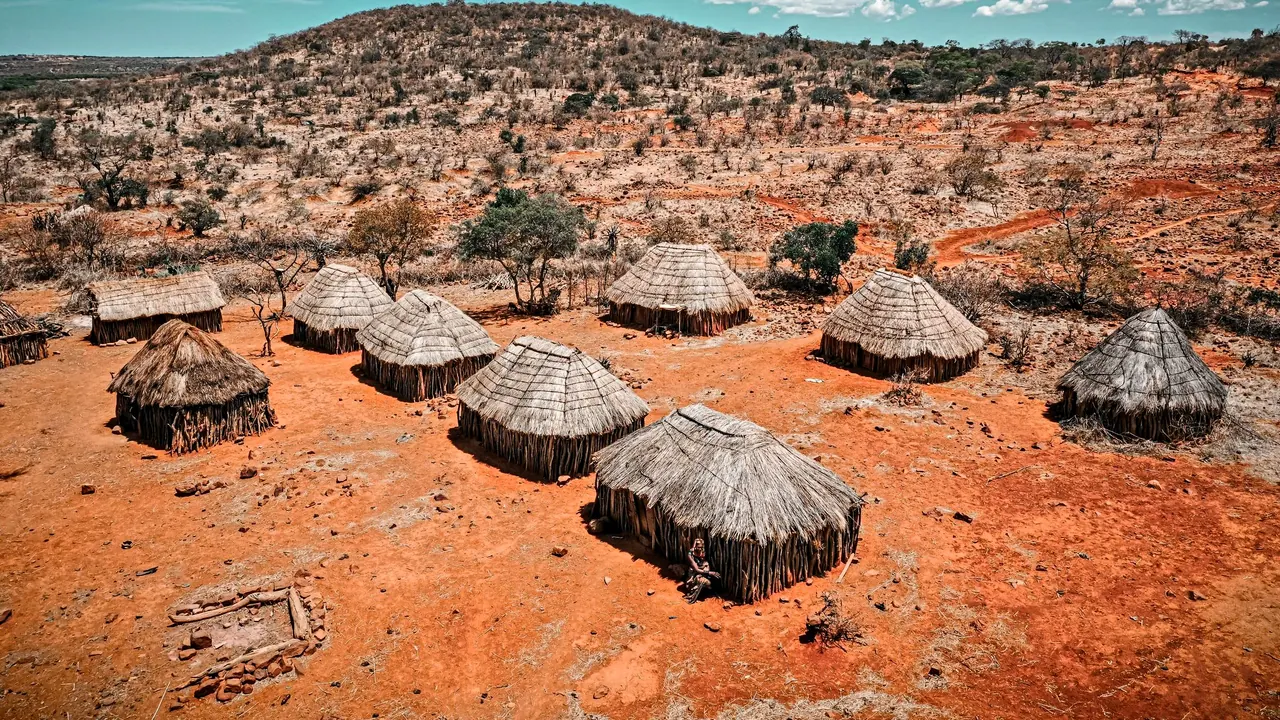
Angola suits a traveller who wants a country that few visitors reach and is willing to put real effort into seeing it. The rewards are big, empty landscapes: the horseshoe of the Kalandula Falls, the cliff edge at Tundavala, the dunes of Iona running down to the sea. Add calm lagoon water at Mussulo and Luanda's long kizomba nights. It works best for someone with a reason to be there, or a return visitor to Africa, who is happy to arrange a driver for each region.
Choose South Africa for
- families
- day trips
- nature and the outdoors
For almost any other trip, South Africa is the easier and fuller choice. It has Big Five safaris in Kruger, Table Mountain above Cape Town, long lunches in the Winelands and the apartheid story told in Johannesburg, all linked by good roads and domestic flights. It also costs less once you are there, handles children far better and gives first-time visitors a lot more to fill each day.
Scoreboard
Twelve categories on one fixed scale from 0 to 100. The shaded stretch is the gap between the two.
Your match
Pick a travel style or drag the sliders, and both match scores follow your weighting.
Has no clear advantage with the weighting you have chosen.
Wins on families and day trips with your weighting.
What matters to you?
Category by category
What the scores mean for a trip.
Beaches & swimming
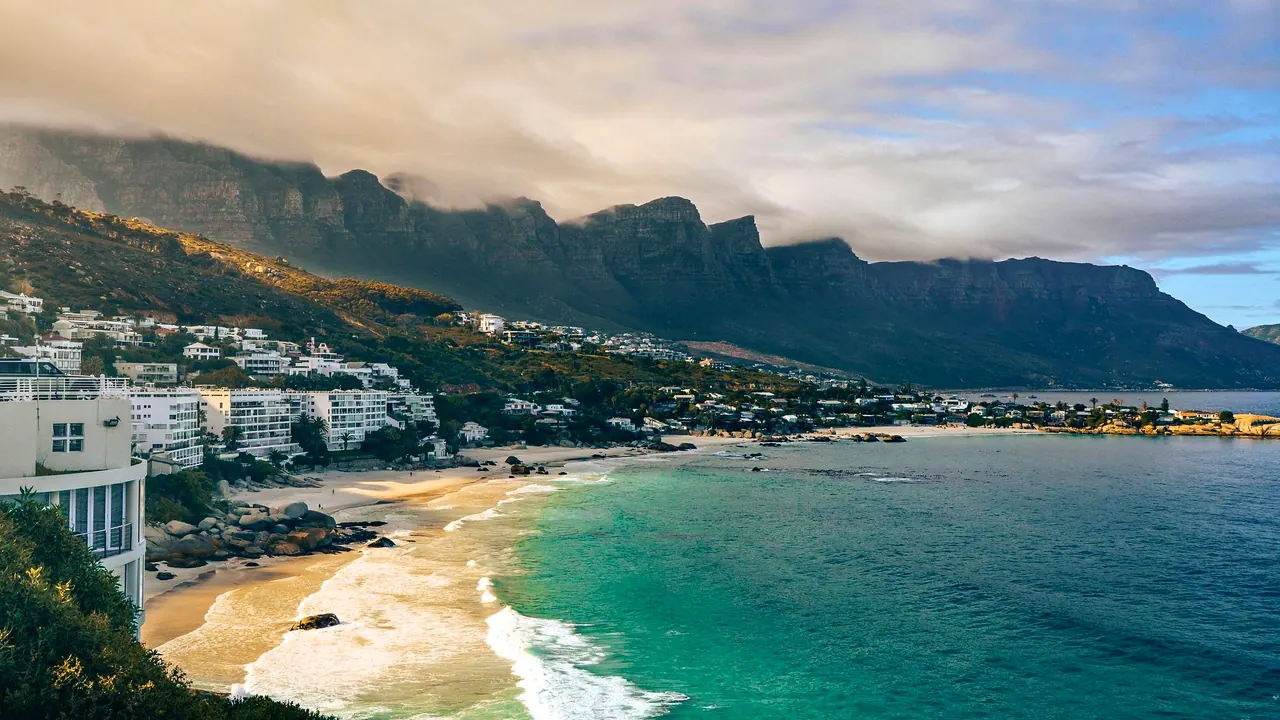
South Africa has more beach to choose from, and better organised. Along KwaZulu-Natal, Durban and the resort towns sit on warm Indian Ocean water with lifeguards and shark nets, and the Elephant Coast adds reef snorkelling at Sodwana Bay. The surf is strong, though, and the Atlantic at Clifton and Camps Bay is too cold for more than a quick dip.
Angola's appeal is calmer water. The lagoon side of Mussulo is gentle and warm in the southern summer, Cabo Ledo has a surf break, and Benguela's bays are quieter and cleaner than the beaches near the capital. Facilities are thin outside a few resort strips, and you should not swim near central Luanda.
Where in Angola: Mussulo, Benguela and Lobito, Cabo Ledo, Ilha de Luanda
Where in South Africa: KwaZulu-Natal coast, Elephant Coast, Garden Route, False Bay
Food & drink
For food, South Africa wins by a long way. You can taste Chenin Blanc and Pinotage at the cellar door in Stellenbosch and Franschhoek, eat Cape Malay curries in the Bo-Kaap, order bunny chow in Durban and join a braai almost anywhere. Each region brings something of its own to the table.
Angola is a country to eat well in rather than travel for. It has hearty funge with muamba de galinha or calulu, Portuguese bread and pastries, and excellent grilled fish at simple beach places on the Ilha de Luanda and in Benguela. Away from the capital, the choice soon shrinks to a few local eating houses.
Where in Angola: Luanda, Benguela
Where in South Africa: Cape Winelands, Cape Town, Johannesburg, Durban
Culture & sights
South Africa gives a visitor much more to see. In Johannesburg there are the Apartheid Museum, Constitution Hill and Soweto, and Cape Town has Robben Island and Zeitz MOCAA. Further out are human-origin sites at the Cradle of Humankind and San rock paintings in the Drakensberg. The sights are far apart, but there are enough to shape a whole itinerary.
Angola's heritage is fewer sights but heavy ones, centred on the slave trade and the colonial Atlantic. The Museu Nacional da Escravatura and the Fortaleza de São Miguel in Luanda are the core. Mbanza Kongo has World Heritage status but sits in the far north and is a separate trip.
Where in Angola: Luanda, Benguela, Mbanza Kongo
Where in South Africa: Johannesburg, Cape Town, Cradle of Humankind, Drakensberg
Nightlife
South Africa offers more range, with two cities to go out in. Johannesburg has amapiano clubs and rooftop bars in Braamfontein and Maboneng. Cape Town splits between the late clubs of Long Street and the cocktail and wine bars of Bree Street, with sundowners in Camps Bay as well.
Angola's nightlife is Luanda and little else, but it is the home of kizomba, semba and kuduro, and the dance floors there fill until dawn with people who have dressed up for it. In both countries you get between venues by car rather than on foot.
Where in Angola: Luanda, Benguela
Where in South Africa: Johannesburg, Cape Town, Durban
Nature & outdoors
South Africa ranks among the great outdoor countries and comes well ahead. It has Big Five safaris in and around Kruger, whales off Hermanus, the Otter Trail on the Tsitsikamma coast, high hiking in the Drakensberg and the view into Blyde River Canyon, all with guides and lodges in place.
Angola's landscapes are dramatic and almost empty of visitors. The highlights are the Kalandula Falls at full flow, the boulders of Pungo Andongo, the hairpins of the Serra da Leba and the welwitschia plants in Iona's dunes. But decades of war have thinned out the big game, and getting to most of it takes a 4x4 and a driver.
Where in Angola: Huíla Plateau and Serra da Leba, Kalandula Falls and Pungo Andongo, Iona National Park, Kissama National Park
Where in South Africa: Kruger National Park, Cape Peninsula, Garden Route, Drakensberg
Day trips
From a South African city base you can do far more in a day. Cape Town puts Stellenbosch, Franschhoek and Paarl within about an hour, the Gautrain takes you from Johannesburg to Pretoria's Union Buildings, and Durban has the Valley of a Thousand Hills.
In Angola, the one easy town-to-town day is on the central coast, between Benguela, Lobito and Catumbela. Everywhere else the distances mean moving base rather than going out and back.
Where in Angola: Benguela and Lobito
Where in South Africa: Cape Town, Johannesburg, Durban
Good for families
South Africa is much the better country for children. Malaria-free reserves in the Eastern Cape and at Pilanesberg make a safari possible even with young ones, and Cape Town adds the cable car, the Two Oceans Aquarium and the tidal pools of False Bay. Durban's beachfront marine park is another easy day.
Angola has malaria all year, no attractions built for children and good medical care only in Luanda. A beach stay on the sheltered side of Mussulo or near Benguela is what works with children there.
Where in Angola: Mussulo, Benguela
Where in South Africa: Cape Town, Eastern Cape, Durban, Pilanesberg
Getting around
Neither country is easy without a car, but South Africa is far simpler to get around. Its good roads and clear signs make self-drive routes like the Garden Route a pleasure, flights connect the main regions, and the Gautrain serves Johannesburg and Pretoria.
In Angola, most visitors hire a car and driver for each region. Luanda's traffic is heavy, the candongueiro minibuses are hard for outsiders to use, and the parks and the far south need a 4x4 and someone who knows the route. Domestic flights to Benguela-Catumbela, Lubango and Namibe save long days on the road.
Where in Angola: Luanda, Benguela, Lubango
Where in South Africa: Cape Town, Garden Route
Shopping & style
South Africa has both big malls, in Sandton and at the V&A Waterfront, and real local design: ceramics and furniture in Woodstock's studios, Ndebele and Zulu beadwork, and weekend markets in Johannesburg and Cape Town.
In Angola, shopping essentially means the Benfica craft market on Luanda's edge, with its Chokwe-style masks, Pensador figures and plenty of bargaining. There is little else for a visitor to look for.
Where in Angola: Luanda
Where in South Africa: Cape Town, Johannesburg
Affordability
South Africa is the cheaper trip by a clear margin. Restaurant meals, estate wine, guesthouses and car hire are all reasonably priced, and Kruger's rest camps keep a safari within reach. Costs only climb at the luxury private lodges and Cape Town's seaside hotels in high summer.
In Angola, local prices are low, but visitors rarely pay them. Luanda's hotels and restaurants are priced for oil-industry business travel, and drivers, 4x4s and flights take most of the budget. Benguela and Lubango are easier on the wallet.
Where in Angola: Benguela, Lubango
Where in South Africa: Kruger National Park, Cape Winelands, Garden Route, Durban
Live music & performing arts
South Africa has a fuller stage. The Market Theatre in Johannesburg is the leading home of South African drama, Artscape in Cape Town hosts opera and ballet, and jazz is played in small clubs. The National Arts Festival takes over Makhanda every winter.
Angola's strength is popular music rather than formal culture. You can hear semba live in Luanda's clubs, and the carnival brings semba, kizomba and kuduro onto the street, but the capital's small theatres put on only an irregular programme.
Where in Angola: Luanda
Where in South Africa: Johannesburg, Cape Town, Makhanda
Wellness & relaxation
South Africa is the better place to slow down. There are estate spas with vineyard views around Franschhoek, plunge pools at bush lodges between game drives, forest retreats near Knysna and hot springs at Montagu. Neither country has a bathing tradition of its own.
In Angola, unwinding comes down to a few quiet days at a lodge on Mussulo or the cooler plateau air of Lubango, and spas exist only in a handful of upmarket hotels in Luanda.
Where in Angola: Mussulo, Lubango
Where in South Africa: Cape Winelands, Kruger National Park, Garden Route, Montagu
When should you go?
Pick your month, and for a country the place in it. The climate figures are measured averages, not a forecast.
Where in Angola
Where in South Africa
Luanda (Angola) in July
Cape Town (South Africa) in July
Daytime high, °C
Rainfall in the month, mm
Temperature and rainfall are climate normals, averaged over the years shown. Luanda (Angola): 1963-2025, 15 years observed (rainfall 1971-2000) normals, Luanda (3.9 km from centre). Cape Town (South Africa): 1991-2020 normals, Cape Town Airport (17.5 km from centre).
Angola's coast has two clear seasons. From December to April the sea is at its warmest, reaching about 28°C off Luanda, which makes these the beach months. Rain falls in short bursts, though Benguela can get around 182mm in March. From June to September it hardly rains at all, but this is the grey cacimbo season: the air turns milder and the sea cools noticeably. That makes it a comfortable time for walking around Luanda and touring the interior, but less of a time for swimming.
South Africa's regions take turns. Cape Town is dry and very sunny from December to March, and wet and cool in winter, with close to 97mm in June. Kruger and Johannesburg are at their driest from May to September, which is the season for game viewing. Durban's sea stays swimmable all year and only dips to about 21°C in late winter. Combining Kruger in the dry season with Cape Town in summer means picking the shoulder months, such as April or October.
Which traveller are you?
On an outdoors trip, Angola suits someone happy to drive for days to reach landscapes they will have almost to themselves. South Africa suits nearly everyone else, with early game drives, the Panorama Route and Cederberg rock-art walks all easy to arrange.
On a family trip with children, Angola only works as a single beach stay, with little else to fill the days. South Africa lets a family mix bush and city, from lodges with children's programmes to the wave pool at Sun City.
On a tight budget, Angola's cheap street snacks and local beer do little to offset the cost of staying and travelling as a visitor. South Africa goes much further, with Garden Route backpacker lodges, self-catering cottages and Durban's beachfront apartments.
More comparisons
Each shares a side with Angola or South Africa.
Where else could you go?
Set Angola or South Africa against any other country.