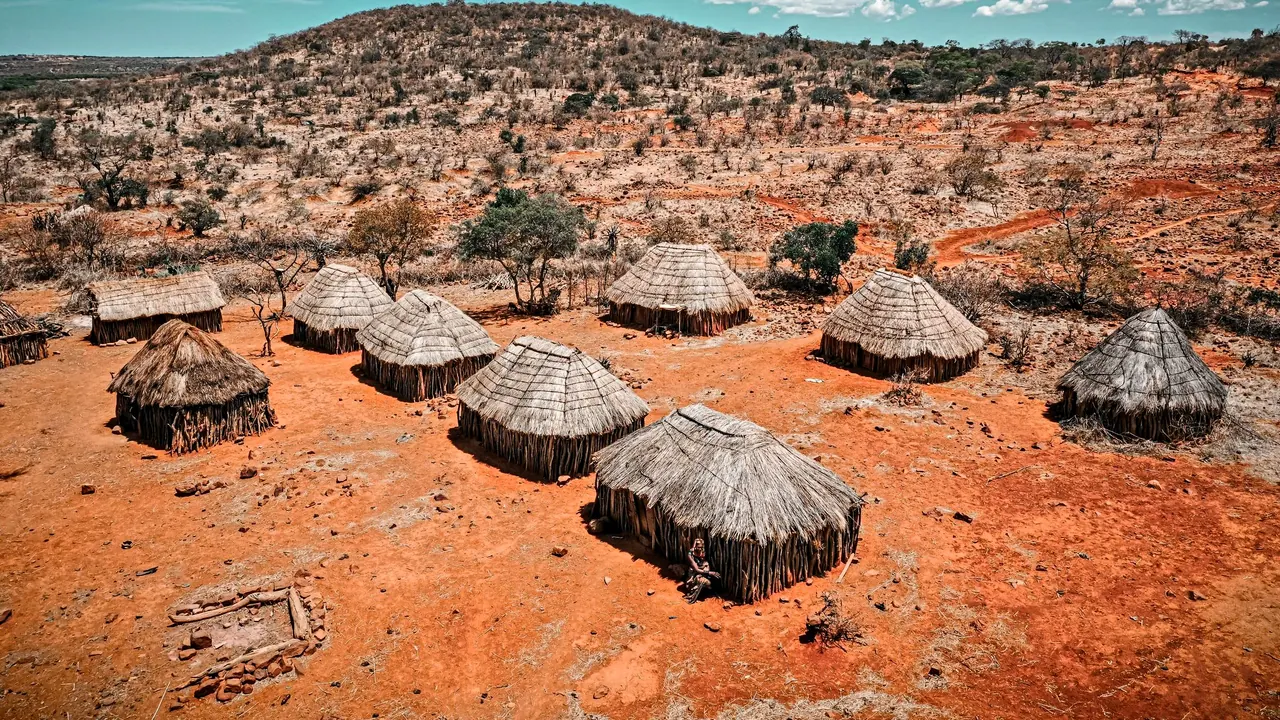
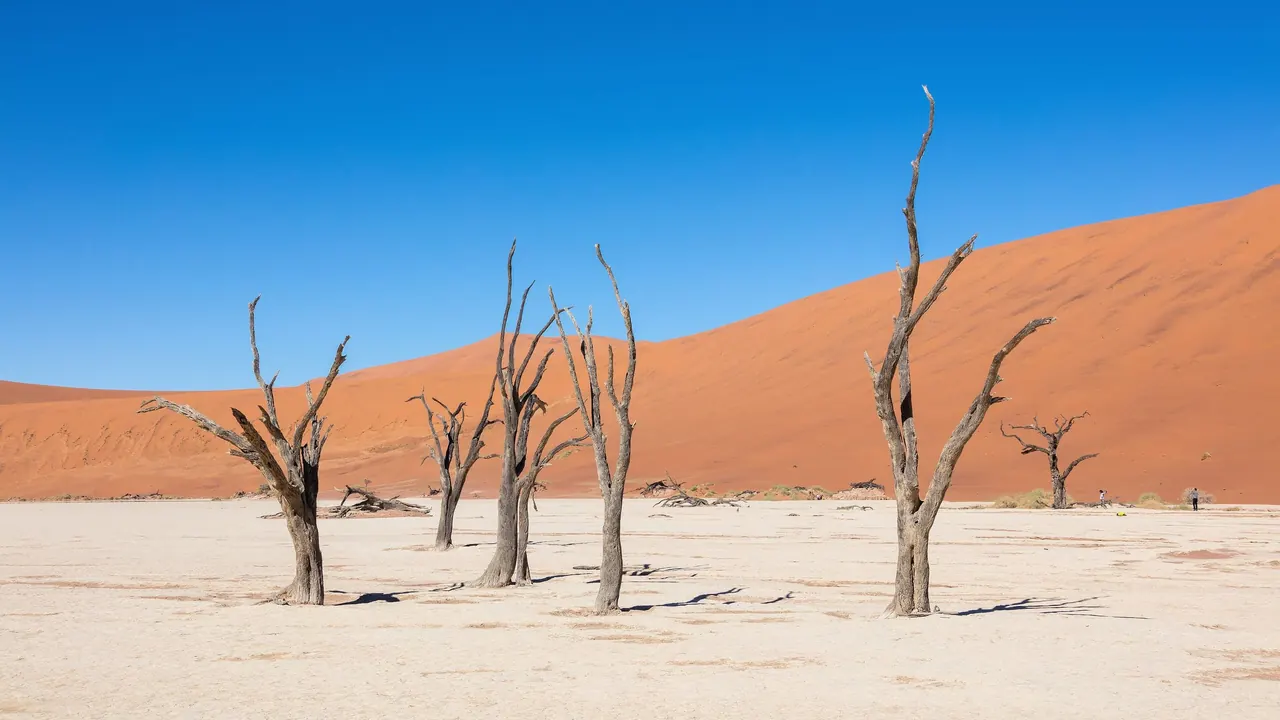
Photos: Angola by Heibby Cris Marvel, Pexels License; Namibia by Diego Delso, CC BY-SA 4.0, cropped.
Angola or Namibia?
Our verdict in twelve categories, each scored against the same fixed benchmark cities, and the climate month by month, so you can choose for your trip.
Choose Angola for
- beaches
- nightlife
- live music and the arts
Angola is the pick for a trip built around the coast and the city at night. Its Atlantic beaches are warm enough to swim from for much of the year, Luanda's clubs dance kizomba and semba until dawn, and seafood comes straight off the grill on the Ilha de Luanda and in Benguela. It suits a traveller who is happy with a driver, a few hotel-based stays and a country that sees few tourists.
Choose Namibia for
- nature and the outdoors
- families
- wellness
If wildlife and landscape are the reason for going, Namibia is the stronger choice by a long way. Dawn on the Sossusvlei dunes, self-drive game viewing at Etosha's waterholes and the red rock of Damaraland make a classic road trip. It is also the better bet with children and on a tighter budget, though a day on the beach is not part of the deal.
Scoreboard
Twelve categories on one fixed scale from 0 to 100. The shaded stretch is the gap between the two.
Your match
Pick a travel style or drag the sliders, and both match scores follow your weighting.
Too close to call, 1 point apart
Wins on beaches and nightlife with your weighting.
Wins on nature and the outdoors and families with your weighting.
What matters to you?
Category by category
What the scores mean for a trip.
Beaches & swimming
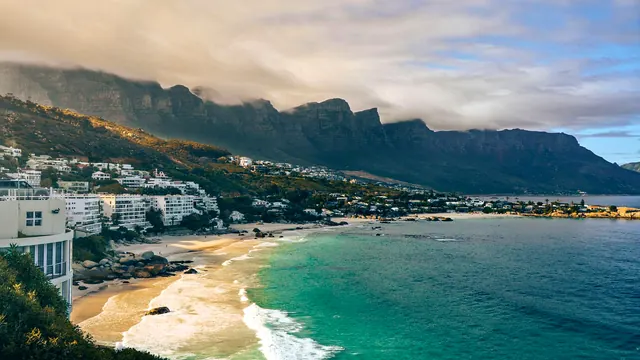
Angola has a genuine beach life and Namibia largely does not. The Ilha de Luanda and the Mussulo peninsula are where the capital spends its weekends, Cabo Ledo has an open bay with surf, and the quieter sand around Benguela and Lobito, at Caota and the Restinga, is cleaner than anything near Luanda. The water is warm for much of the year, even if facilities are thin away from a few resort strips.
Namibia's long coast is shaped by the same cold current that chills southern Angola, so the sea stays bracing and fog is common. Swakopmund and Langstrand are pleasant for a walk on the sand or a paddle by the jetty, but a swim usually means the lodge pool.
Where in Angola: Mussulo, Benguela and Lobito, Cabo Ledo, Ilha de Luanda
Where in Namibia: Swakopmund, Langstrand
Food & drink
Angola has the more rewarding table. Funge, a stiff cassava or maize porridge, comes with muamba de galinha or calulu, and the Portuguese left their mark on the bread, pastries and wine. The best meals are the simplest: fish straight off the grill at beach places on the Ilha de Luanda and in Benguela. Away from those two, the choice soon shrinks to a few local eating houses.
Namibia eats meatier and plainer, with oryx and kudu steaks from the braai and German bakeries selling strudel and Black Forest cake. Oysters from the Walvis Bay lagoon and kapana grilled in Katutura's markets in Windhoek are worth seeking out. On safari, though, most meals are lodge set menus or your own campfire cooking.
Where in Angola: Luanda, Benguela
Where in Namibia: Swakopmund, Windhoek, Walvis Bay
Culture & sights
Both offer a few meaningful sights rather than a heritage trail, and the difference is in their kind. Angola's are concentrated in Luanda and tell an Atlantic story: the Fortaleza de São Miguel above the bay, the anthropology museum's masks and the slavery museum in its chapel south of the city, with Mbanza Kongo far to the north.
Namibia's are scattered across the country and are odder. The San rock engravings at Twyfelfontein, the sand-filled houses of Kolmanskop near Lüderitz and Swakopmund's half-timbered streets fit neatly into a road trip rather than a city stay.
Where in Angola: Luanda, Benguela, Mbanza Kongo
Where in Namibia: Twyfelfontein, Lüderitz and Kolmanskop, Swakopmund, Windhoek
Nightlife
Angola wins easily, and almost entirely because of Luanda. Weekends fill the beach lounges on the Ilha, and the city's clubs play kizomba, semba and kuduro to a dressed-up crowd until dawn, though you need taxis and ideally a local guide.
In Namibia, a night out means a beer garden in Windhoek or a pub in Swakopmund full of adventure-sports visitors. Everywhere else the evening is a sundowner, dinner and a sky full of stars before an early game drive.
Where in Angola: Luanda, Benguela
Where in Namibia: Windhoek, Swakopmund
Nature & outdoors
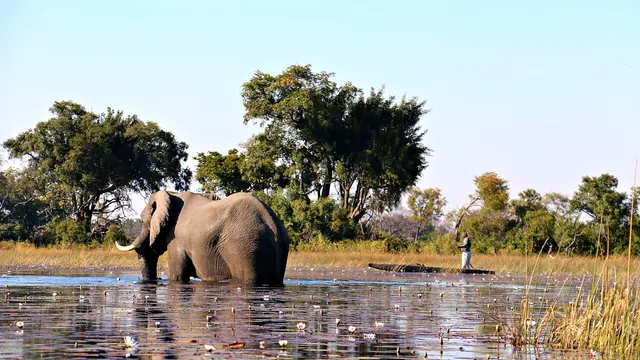
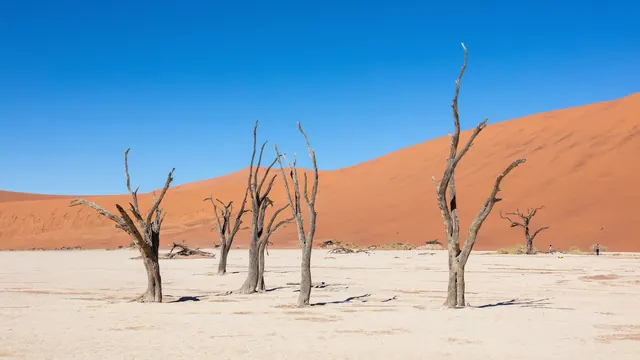
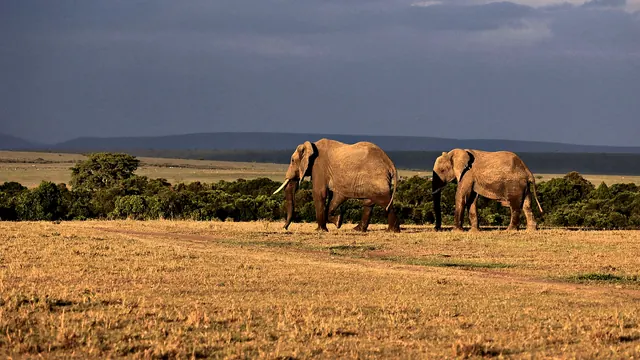
Namibia is far stronger outdoors, and its sights are easier to reach. You can climb the red dunes above the white pan of Deadvlei at dawn, watch elephant, lion and rhino at Etosha's floodlit waterholes, look for desert-adapted wildlife in Damaraland and hike the Fish River Canyon, all on a self-drive road loop.
Angola's landscapes are impressive and see very few visitors: the horseshoe of the Kalandula Falls, the boulders of Pungo Andongo, the Tundavala gap and the Serra da Leba hairpins. Its game is thin after the war, though, and trails and guides are scarce, so it suits someone happy with a rougher trip with a 4x4 and a driver.
Where in Angola: Huíla Plateau and Serra da Leba, Kalandula Falls and Pungo Andongo, Iona National Park, Kissama National Park
Where in Namibia: Sossusvlei and the Namib, Etosha National Park, Damaraland, Fish River Canyon
Day trips
Neither country works well as a base for day trips, because towns lie hours apart in both. Angola's one easy outing is on the central coast, where Benguela, Lobito and Catumbela sit close enough to combine colonial streets with Lobito's sandspit and railway town.
Namibia's few short hops are scattered along a touring route: Walvis Bay from Swakopmund, Kolmanskop from Lüderitz and the Twyfelfontein engravings from a Damaraland lodge.
Where in Angola: Benguela and Lobito
Where in Namibia: Swakopmund, Lüderitz, Damaraland
Good for families
Namibia is clearly the easier country with children, especially older ones. Etosha lets you drive yourself with no age limit, and the rest camps have pools and fenced campsites beside the waterholes, while Swakopmund adds sandboarding, quad bikes and boat trips to see seals and dolphins. Long gravel drives are the main strain.
Angola really only works as a beach stay, on Mussulo's lagoon side or the calm bays near Benguela. Malaria all year, heavy Luanda traffic and good medical care only in the capital make it a harder trip with young children.
Where in Angola: Mussulo, Benguela
Where in Namibia: Etosha National Park, Swakopmund
Getting around
Both take real effort, but in different ways. In Angola most visitors hire a car and driver in each region and fly between Luanda, Benguela-Catumbela, Lubango and Namibe, because the capital's traffic and minibuses are hard going and the back roads need local knowledge.
Namibia is built for doing it yourself: a hired 4x4 on quiet, well-signposted gravel roads, with long distances and careful driving the price of independence, or a fly-in safari if you would rather not drive.
Where in Angola: Luanda, Benguela, Lubango
Where in Namibia: Windhoek, Swakopmund
Shopping & style
Shopping is a sideline in both, and it comes down to craft. Angola concentrates it in one place, the Benfica market on Luanda's edge, with Chokwe-style masks, Pensador figures and capulana cloth, all bought with bargaining.
Namibia spreads it out, from Windhoek's craft centre and Swakopmund's jewellers selling tourmaline to Herero dolls and San ostrich-eggshell jewellery sold at roadside stalls in the northwest.
Where in Angola: Luanda
Where in Namibia: Windhoek, Swakopmund
Affordability
Namibia is the easier country to do on a budget. Campers with a rooftop-tent vehicle who cook on the braai can keep costs low, and Windhoek and Swakopmund guesthouses are fairly priced, though safari lodges and fly-in camps cost a great deal.
Angola has cheap street food and beer, but visitors rarely live at that level. Luanda's hotels and restaurants are priced for oil-industry business travel, backpacker beds hardly exist, and drivers and domestic flights add up. Benguela and Lubango ease the bill.
Where in Angola: Benguela, Lubango
Where in Namibia: Etosha National Park, Swakopmund, Windhoek
Live music & performing arts
Angola has the stronger live scene because its popular music is a living thing. Semba is played live in Luanda's clubs, kizomba and kuduro fill the dance floors, and the Luanda carnival brings them onto the street, even if theatre and classical concerts are thin.
Namibia offers the National Theatre in Windhoek and some weekend live music, but elsewhere performance mostly means choir singing or traditional dance put on at lodges.
Where in Angola: Luanda
Where in Namibia: Windhoek
Wellness & relaxation
Neither has a bathing culture, but Namibia offers more chances to unwind. The thermal pools at Ai-Ais below Fish River Canyon and the spring resort at Gross Barmen near Windhoek are real stops, and upmarket desert lodges add massages and plunge pools, though early starts eat into the calm.
In Angola, relaxing means a few slow days at a lodge on Mussulo or the cooler plateau air of Lubango, with spas found only in a handful of Luanda hotels.
Where in Angola: Mussulo, Lubango
Where in Namibia: Ai-Ais, Gross Barmen
When should you go?
Pick your month, and for a country the place in it. The climate figures are measured averages, not a forecast.
Where in Angola
Where in Namibia
Luanda (Angola) in July
Windhoek (Namibia) in July
Daytime high, °C
Rainfall in the month, mm
Temperature and rainfall are climate normals, averaged over the years shown. Luanda (Angola): 1963-2025, 15 years observed (rainfall 1971-2000) normals, Luanda (3.9 km from centre). Windhoek (Namibia): 1991-2020 (sunshine 1971-2000) normals, Windhoek (1.7 km from centre).
Angola is warm for most of the year, and the sea off Luanda and Benguela is at its best from about November to May, reaching 28°C in March. The rain comes late in that warm stretch. Benguela gets around 182mm in March, and in Luanda March and April are the wettest months. From June to September the cacimbo brings dry, grey skies and cooler days that are comfortable for walking the streets, while the sea off Luanda drops to about 20°C by August.
Namibia's year works differently. Windhoek and the interior are hot in October and November, before the rains, and the rainy season from December to March starts at its hottest, with highs of 33°C in December. From May to August the inland days are mild, dry and very sunny. Through the dry months from June to October animals gather at Etosha's waterholes, although the heat comes back from September. Swakopmund on the coast is dry and mild all year, but its sea never gets above 18°C, so in every month Angola is the place to swim.
Which traveller are you?
On a beach and sun trip, Angola is the clear choice. The lagoon side of Mussulo, the surf bay at Cabo Ledo and Benguela's Baía Azul have warm water for months, while Namibia's cold, foggy Atlantic is better looked at than swum in.
For an outdoors trip, go to Namibia. The dunes of Sossusvlei, Etosha's easy game viewing, desert elephants in Damaraland and the Fish River Canyon hike outclass Angola's waterfalls and plateau, and the self-drive roads make them far easier to reach.
On a food and nightlife trip, Angola has the edge. Luanda has the bigger choice of restaurants and a weekend club scene built on its own dances, kizomba, semba and kuduro, whereas Namibian evenings mostly end with a sundowner and an early night.
More comparisons
Each shares a side with Angola or Namibia.
Where else could you go?
Set Angola or Namibia against any other country.