Luanda
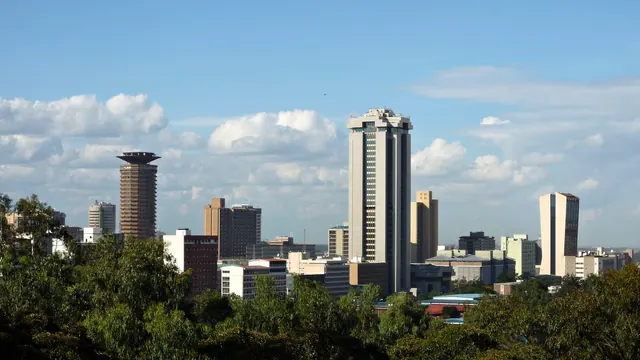
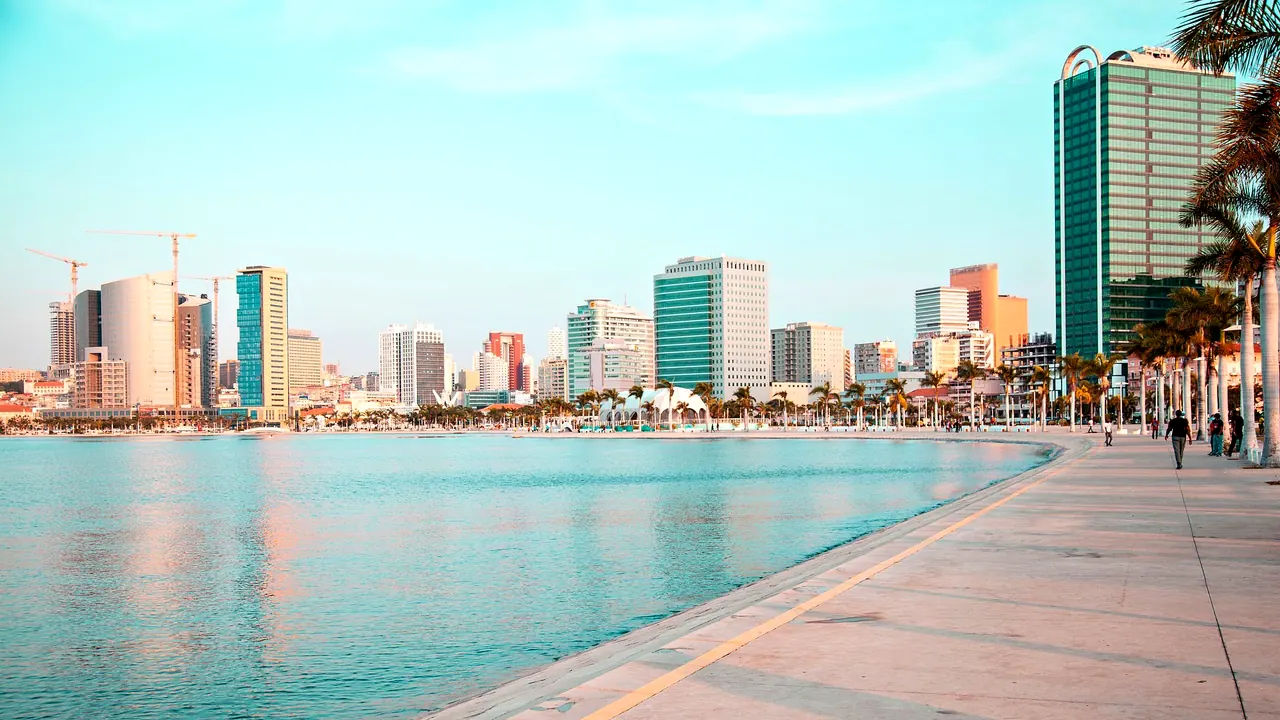
Luanda's modern skyline seen from the Marginal seafront promenade on the bay
- Beaches60
- Nightlife52
- Nature & outdoors47
Photo: Dm Photography DM, Pexels License
Match
33
Every category weighted equally
- Beach & sun36
- Culture & arts31
- Food & nightlife36
- Family trip32
- Outdoors33
- Relax & unwind33
- Shopping & style32
- On a budget34
Luanda in twelve categories
Our verdict on each, scored 0 to 100 against the same fixed benchmark cities, so a score means the same thing on every page.
Beaches & swimming. Scores 60 out of 100.
Food & drink. Scores 45 out of 100.
Culture & sights. Scores 38 out of 100.
Nightlife. Scores 52 out of 100.
Nature & outdoors. Scores 47 out of 100.
Day trips. Scores 12 out of 100.
Good for families. Scores 20 out of 100.
Getting around. Scores 15 out of 100.
Shopping & style. Scores 27 out of 100.
Affordability. Scores 38 out of 100.
Live music & performing arts. Scores 33 out of 100.
Wellness & relaxation. Scores 14 out of 100.
Luanda category by category
Beaches & swimming
60Beach life in Luanda centres on the Ilha, the long sandbar curving off the city's southern edge, where restaurants and beach bars line the ocean side and families and groups of friends spend whole weekends. The water near the city is not the cleanest, and most visitors who want to swim properly take a boat across the lagoon to the Mussulo peninsula, a strip of sand, palms and calm bay water with a far quieter feel.
The sea is warmest from about January to April, around 26°C, the same months as the heat and rain. From June to September the cacimbo season brings grey skies and water nearer 21°C. Further south, the cliffs and wide bay of Cabo Ledo are a long day out, with surf rather than lazy swimming.
Food & drink
45Angolan cooking is hearty and very much its own: muamba de galinha, chicken stewed in palm oil with okra, calulu of dried fish and greens, and funge, the stiff cassava or maize porridge that comes with almost everything. Portuguese habits run through it, from grilled sardines and bacalhau to custard tarts and strong coffee, and Cuca and Nocal are the beers of choice.
The best meals for a visitor are usually grilled fish and prawns on the Ilha, eaten by the water. Beyond that the scene is narrow: a handful of upmarket restaurants for business travellers and expatriates, hotel dining, and local food that is easier to find with someone who knows the city.
Culture & sights
38Luanda was founded by the Portuguese in 1576 and spent centuries as a slave-trading port, and its most rewarding sights tell that story. The Fortaleza de São Miguel, a 17th-century fortress above the bay, holds a military museum and blue azulejo panels, and the Museu Nacional da Escravatura, in a small chapel on the coast south of the city, is a sober place where enslaved people were baptised before shipment.
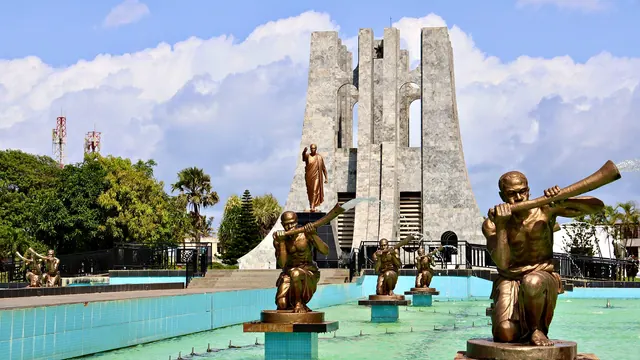
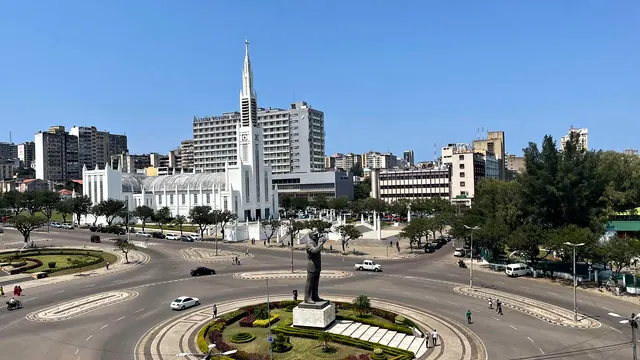
In the Baixa, the old lower town, there are colonial churches such as Nossa Senhora dos Remédios and the Igreja da Nazaré, the prefabricated Palácio de Ferro and the National Anthropology Museum. The Marginal, the palm-lined bay promenade, and the towering Agostinho Neto mausoleum round out a short list. Much of the colonial town has given way to towers, so a day or two covers it.
Nightlife
52Luandans go out to dance, and this is the city that gave the world kizomba and kuduro. Weekend nights on the Ilha and in the upmarket districts run late, with open-air beach bars, lounges playing semba and kizomba, and clubs where the dancing is serious and goes on until dawn.
For a visitor the scene is smaller and harder to read than its reputation suggests. Venues are scattered, many are aimed at a moneyed local and expatriate crowd, and moving between them at night means a car and driver rather than walking. Going with local friends makes all the difference.
Nature & outdoors
47The best of the landscape lies south along the coast road. About 40km out, the Miradouro da Lua is a viewpoint over eroded red and ochre cliffs falling to the sea, especially striking in late afternoon light. Further on, the Kwanza river meets the Atlantic among mangroves, with boat trips and sport fishing for tarpon.
Kissama National Park, around two hours from the city, offers baobab savannah and game drives with elephants, giraffes and antelope, though animal numbers are modest. Cabo Ledo draws surfers to its long left-hand point break. Within the city itself green space is scarce, and the traffic out of Luanda makes every trip a full day.
Day trips
12There is very little in the way of towns or heritage sites within an easy day of Luanda. The outings people make, to Mussulo, the Miradouro da Lua, the Kwanza river and Kissama, are about coast and landscape rather than places to explore. Angola's more rewarding historic towns, such as Benguela, the colonial port of Lobito or Mbanza Kongo, are a flight or a very long drive away and need an overnight stay.
Good for families
20Luanda is hard work with children. Attractions made for them are few, distances are long and spent in traffic, the hot season is humid and malaria precautions are needed all year. Walking about freely is not really an option in much of the city.
What works is the water: a day on the sand at Mussulo or a seafood lunch on the Ilha, where Angolan families gather at weekends and children are made welcome. A pool hotel and a hired driver make the rest manageable.
Getting around
15A visitor needs a car with a driver or ride-hailing to get around Luanda. Public transport is mostly the blue-and-white candongueiro minibuses, which run informal routes that are crowded and confusing for a newcomer, and the city's suburban railway does not serve the places visitors go.
Traffic is notorious, and a crossing that looks short on the map can take an hour at peak times. The bay promenade of the Marginal and the streets of the Baixa can be walked by day, but distances between the old town, the Ilha and the southern districts are long, and walking at night is not advised.
Shopping & style
27The one shopping trip most visitors make is to the craft market at Benfica on the southern edge of the city, a long run of stalls selling wooden carvings, Chokwe masks, the Pensador thinker figures, paintings and wax-print fabrics, where bargaining is expected. Bright panos cloth from the city's markets also makes a good souvenir.
Beyond that, shopping means large modern malls in the southern districts with international chains and supermarkets. There is no shopping street to wander and little in the way of independent boutiques.
Affordability
38Luanda is an expensive city to visit, though the costs fall unevenly. Hotels are aimed at oil and business travellers, comfortable mid-range rooms are scarce and carry a premium, and the restaurants and bars a visitor is likely to use charge international prices. Hiring a car and driver, effectively a necessity, adds to every day.
Local food, the minibuses and market shopping cost little, but a visitor rarely lives at that level. Planning around a good-value hotel matters more here than almost anything else.
Live music & performing arts
33Luanda's performing culture is popular music: semba, the guitar-led ancestor of samba-like Angolan dance music, kizomba and the fast electronic kuduro. Live semba bands play in bars and restaurants on weekend nights, often to a dancing crowd of older Luandans, and the music is the city's most distinctive art.
Formal performance is limited. There are a few theatre groups and cultural centres staging Portuguese-language plays, occasional concerts and the city's carnival parades, but no opera, no orchestra season and little a visitor can plan a trip around.
Wellness & relaxation
14Luanda is not a place to slow down. It is a congested, loud and fast-moving city, and wellness means the spa or pool at a large international hotel. There is no bathing or massage tradition to seek out. Visitors in need of rest generally head across the lagoon to the quieter resorts of Mussulo for a weekend away from the traffic.
When should you go?
Pick a month to see what it is like. The climate figures are measured averages, not a forecast.
Luanda in July
Daytime high, °C
Rainfall in the month, mm
The whole year
Shaded against this destination’s own year: the deepest cell is its best month for that figure and the palest its weakest.
Temperature and rainfall are climate normals, averaged over the years shown. Luanda: 1963-2025, 15 years observed (rainfall 1971-2000) normals, Luanda (3.9 km from centre).
Before you go
| Measure | Luanda |
|---|---|
| Official language | Portuguese |
| Currency | Kwanza (AOA) |
| Sockets | C220 V, 50 Hz |
| Driving side | Right |
| Time zone | UTC+1 |
| Emergency number | Police 113, ambulance 116, fire 115 |
| Elevation | 6 m |
| Main airport | Quatro de Fevereiro International Airport (LAD)5 km from centre |
| Public holidays this year | 14 days |
By the numbers
| Measure | Luanda |
|---|---|
| Population | 2,487,444 |
| People per km² | 22,013 |
| Museums within 10 km | 4 |
| UNESCO World Heritage sites within 50 km | 0 |
| Swim season, months above 21 °C | 11 months |
Compare Luanda with
Every comparison with a written verdict behind it.