Photos: Luanda by Dm Photography DM, Pexels License; Maputo by Salazar Sérgio, CC BY-SA 4.0, cropped.
Luanda or Maputo?
Our verdict in twelve categories, each scored against the same fixed benchmark cities, and the climate month by month, so you can choose for your trip.
Choose Luanda for
- beaches
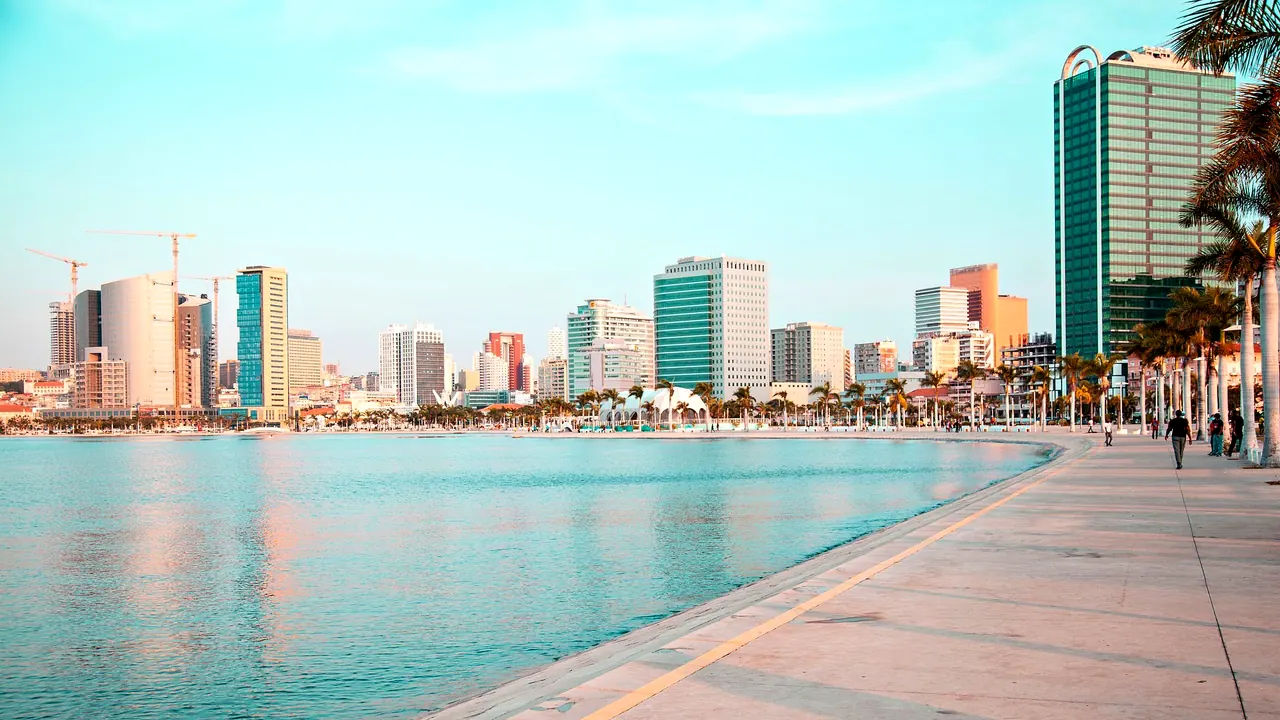
Luanda is the pick when the trip is really about sand and sea. The Ilha gives the city a proper beach front of its own, with seafood lunches by the water and weekend crowds, and a boat across the lagoon reaches the calm bay water of Mussulo. It also suits travellers drawn by the music: this is the home of semba, kizomba and kuduro. Be ready for a costly, car-bound stay and a short list of sights.
Choose Maputo for
- getting around
- prices
- food and drink
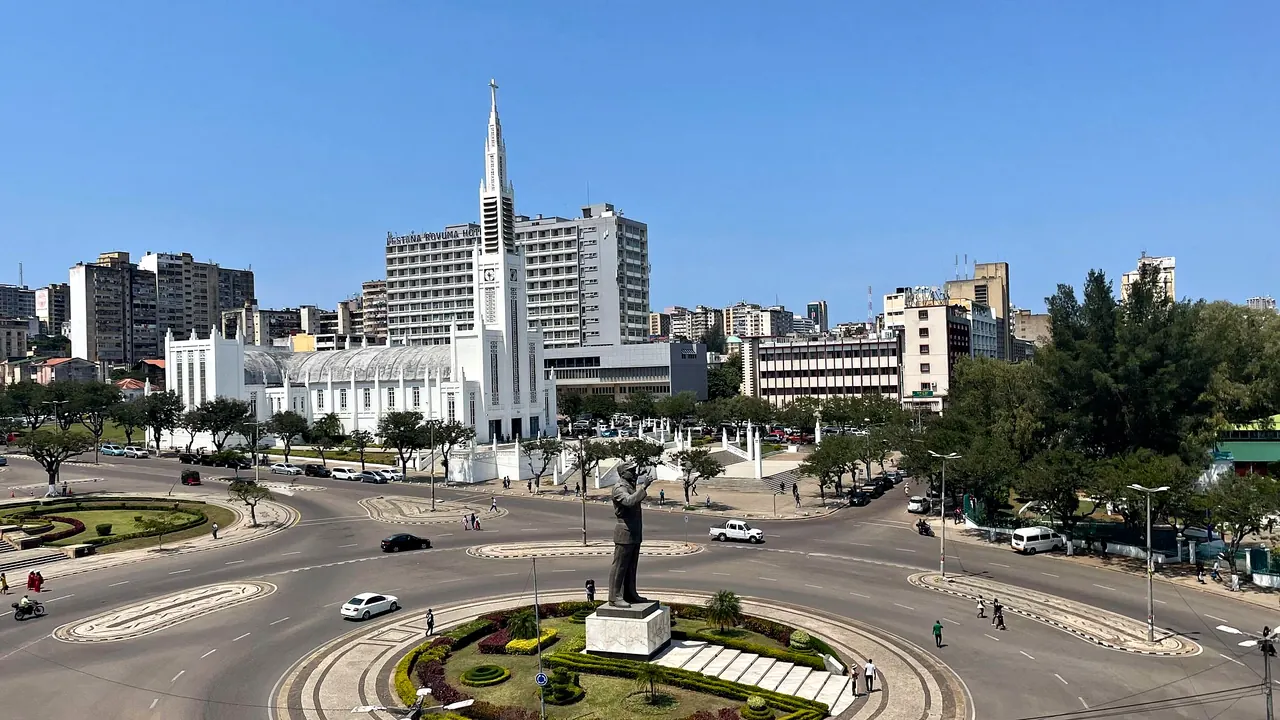
Maputo makes the easier and more rounded city visit. Its jacaranda-lined avenues and modernist buildings can be explored on foot by day, the fish market and esplanadas give the food and evenings more to them, and the Indian Ocean side offers more beyond town, from Inhaca and Maputo National Park to diving in the far south and a safari in Kruger. It still costs more than many expect, but less than Luanda.
Scoreboard
Twelve categories on one fixed scale from 0 to 100. The shaded stretch is the gap between the two.
Your match
Pick a travel style or drag the sliders, and both match scores follow your weighting.
Wins on beaches with your weighting.
Wins on getting around and prices with your weighting.
What matters to you?
Category by category
What the scores mean for a trip.
Beaches & swimming
Luanda has the better beaches. The Ilha sandbar gives the city a real beach front with restaurants and bars on the ocean side, and for clean water a short boat trip across the lagoon takes you to Mussulo's palms and sheltered bay. Cabo Ledo adds surf further south.
Maputo's city shore at Costa do Sol faces a shallow bay that drains to mudflats at low tide, so it is better for a walk than a swim. The good beaches take effort: a boat to Inhaca, the rough surf at Macaneta, or the clear water of Ponta do Ouro, which is usually an overnight trip.
Food & drink
Maputo is the better place to eat. Peri-peri prawns, crab and line fish anchor the menu, and the fish market's choose-it-then-grill-it routine is an experience in itself. Matapa and chicken à zambeziana add depth, and the pastelarias and esplanadas fill the rest of the day.
Luanda's cooking is just as distinctive, with muamba de galinha, calulu and funge, but it is harder for a visitor to reach. Beyond grilled fish on the Ilha, the choice narrows to hotel dining and expensive expatriate restaurants unless a local takes you along.
Culture & sights
Luanda's sights are few but weighty. The Fortaleza de São Miguel above the bay and the slavery museum in its small coastal chapel tell the story of the city's long centuries as a slaving port. Towers have replaced much of the colonial Baixa, though, and a day or two covers what remains.
Maputo gives a little more to see, because its main sight is the townscape itself: the domed railway station, the art deco and modernist blocks, and Pancho Guedes's sculptural buildings, plus Malangatana's work at the National Art Museum. Both cities have a prefabricated iron house in the old lower town.
Nightlife
The two are close, and both cities dance until dawn at weekends. Maputo's nights are a little easier to join. You start at esplanadas and lounges in Polana and Sommerschield, move on to clubs mixing marrabenta, kizomba and amapiano, and on warm nights the Marginal bars are loud and open to everyone.
Luanda has the bigger name, as the birthplace of kizomba and kuduro, and the dancing on the Ilha is serious. It is harder for an outsider to find their way in, though: the venues are scattered and often aimed at a wealthy crowd, so going with local friends matters more here.
Nature & outdoors
Maputo has the wider choice of wildlife. Maputo National Park combines lakes and dunes with elephants and hippos, Inhaca has a marine reserve, humpbacks pass between June and November, and the far south is known for diving and dolphins. Kruger is near enough for a short safari.
Luanda's outdoors is more about scenery. The red cliffs of the Miradouro da Lua, about 40km south, and the mangroves where the Kwanza meets the sea are the highlights, and Kissama has baobab savannah but only modest game. Cabo Ledo is the surf spot.
Day trips
Neither city is good for day trips, but Maputo has a few real places to visit. You can spend an afternoon of seafood in Catembe across the suspension bridge, see the old fort site at Marracuene, take the island boat to Inhaca, or go up to the faded colonial hill town of Namaacha.
From Luanda, the outings are to beaches and viewpoints rather than towns. Its historic ports, Benguela and Lobito, are a flight away and need at least a night.
Good for families
Both are hard going with children: there are few attractions for them, traffic is heavy and malaria precautions are needed all year. In Luanda, the answer is a sand day at Mussulo, a pool hotel and a driver. Maputo's advantage lies outside the city, with the southern coast and safari lodges where families usually move on.
Getting around
Maputo is noticeably easier to get around. Its central grid of long avenues can be walked in daylight, despite broken pavements and the climb between the Baixa and the upper city, and tuk-tuks and ride-hailing fill the gaps cheaply.
In Luanda, you need a car and driver from the start. The candongueiro minibuses are confusing, the railway misses the places visitors go, and a short crossing between the Baixa, the Ilha and the southern districts can take an hour in traffic. In both cities, take a car after dark.
Shopping & style
Maputo has the better shopping. The craft market near the Baixa sells Makonde ebony carvings and batik, tailors will make capulana cloth into clothes within a day or two, and the tiled Mercado Central is good for cashews and piri-piri.
Luanda's shopping comes down to one trip, to the long Benfica craft market for Chokwe masks and Pensador figures, plus panos cloth. After that there are only malls.
Affordability
Neither is a bargain, but Maputo is cheaper. A comfortable stay there costs roughly what a mid-range Western European city would, and seafood at the fish market is good value.
Luanda is the more expensive of the two. Its hotels are aimed at oil and business travellers, decent mid-range rooms are scarce, and the driver you can hardly do without adds to the bill every day.
Live music & performing arts
Maputo offers more you can plan around. Marrabenta and timbila xylophone music play alongside jazz in bars, the Franco-Mozambican Cultural Centre runs a regular programme of concerts, dance and film, and the Teatro Avenida is home to the country's best-known theatre company.
Luanda's art is semba, played live by bands to dancing crowds on weekend nights. Apart from carnival parades and occasional plays, it has little formal performance.
Wellness & relaxation
Neither city is restful, but Maputo lets you slow down a little, with the leafy streets of Polana and a sundowner over the bay. Luanda is louder and more congested, and you only get real rest by crossing to the Mussulo resorts.
When should you go?
Pick your month. The climate figures are measured averages, not a forecast.
Luanda in July
Maputo in July
Daytime high, °C
Rainfall in the month, mm
Temperature and rainfall are climate normals, averaged over the years shown. Luanda: 1963-2025, 15 years observed (rainfall 1971-2000) normals, Luanda (3.9 km from centre). Maputo: 1991-2020 (sunshine 1981-2010) normals, Maputo / Mavalane (5.8 km from centre).
Luanda's hot season runs from about November to May, with highs in the low thirties and the sea reaching 28°C, so these are the beach months. Rain is light for most of that time but builds in March and April, to as much as 98mm a month. From June to September the city is almost dry. The cacimbo brings grey skies, highs near 25°C and cooler water, which makes it comfortable for walking but less good for swimming.
Maputo follows the same southern pattern of wet summers and dry winters, but its rains come earlier and heavier, peaking in December and January at 154mm. The sea is at its warmest then, and the days are still long and sunny. From May to September it is nearly dry, warm and sunny, with highs in the high twenties. This is the best time for walking the city, and from June humpback whales pass offshore, though the sea cools into the low twenties, much as Luanda's does.
Which traveller are you?
On a beach and sun trip, Luanda is the better base. The Ilha puts sand, beach bars and grilled prawns right on the city's edge, and Mussulo's calm bay is a short boat ride away. Maputo's good beaches mostly need a long journey out.
For a food and nightlife trip, Maputo gives more. You pick fish at the Mercado do Peixe and have it grilled next door, then spend the evening at esplanadas and late dance clubs that are easier to find than Luanda's scattered, moneyed venues.
On a trip with a tight budget, neither city is cheap, but Luanda's hotels are priced for the oil business and a car and driver adds to every day. Maputo's comfortable hotels cost less, and local food, beer and fish-market seafood are good value.
Before you go
| Measure | Luanda | Maputo |
|---|---|---|
| Official language | Portuguese | Portuguese |
| Currency | Kwanza (AOA) | Mozambique Metical (MZN) |
| Sockets | C220 V, 50 Hz | CFM220 V, 50 Hz |
| Driving side | Right | Left |
| Time zone | UTC+1 | UTC+2 |
| Emergency number | Police 113, ambulance 116, fire 115 | Police 119, ambulance 198, fire 117 |
| Elevation | 6 m | 31 m |
| Main airport | Quatro de Fevereiro International Airport (LAD)5 km from centre | Maputo Airport (MPM)5 km from centre18 non-stop destinations |
| Public holidays this year | 14 days | 9 days |
By the numbers
| Measure | Luanda | Maputo |
|---|---|---|
| Population | 2,487,444 | 1,133,200 |
| People per km² | 22,013 | 3,268 |
| Museums within 10 km | 4 | 3 |
| UNESCO World Heritage sites within 50 km | 0 | 0 |
| Swim season, months above 21 °C | 11 months | 12 months |
Where else could you go?
Every comparison below shares a destination with this one, so you can follow Luanda or Maputo somewhere new.
- Krugervs Maputo
- Mbabanevs Maputo
- Benguelavs Luanda
- Johannesburgvs Maputo
- Durbanvs Maputo
- Pointe-Noirevs Luanda