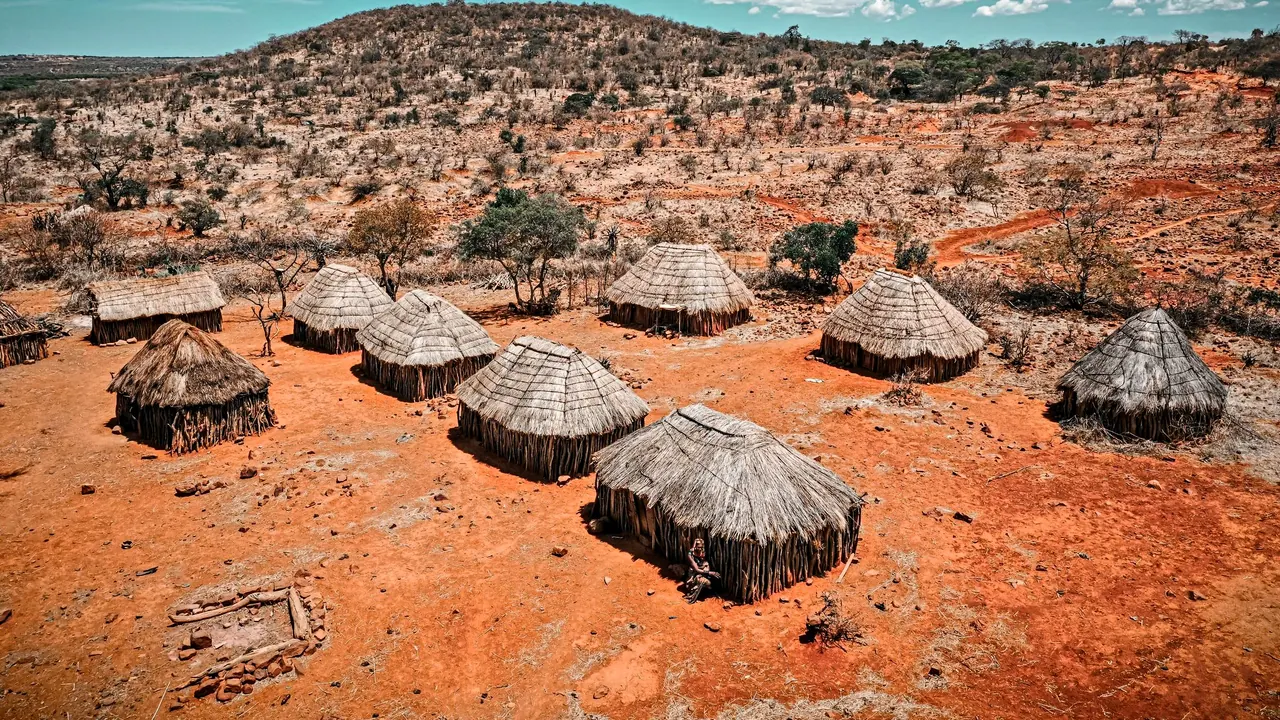
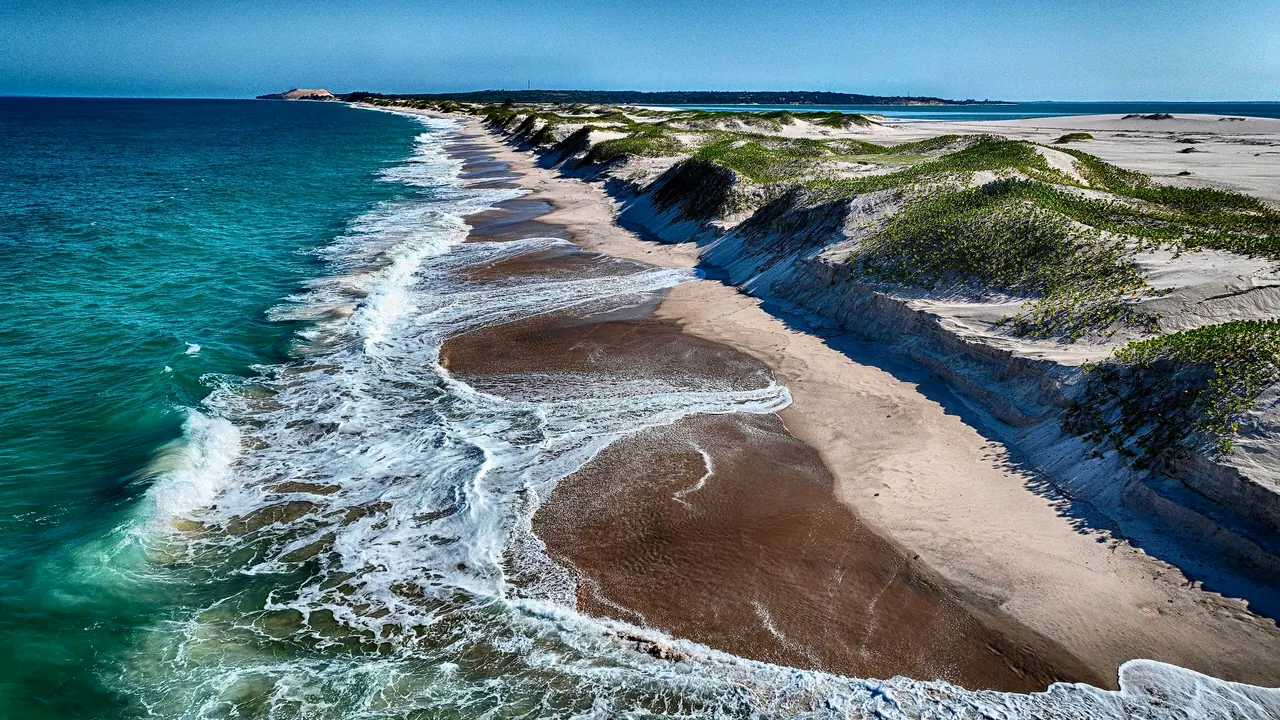
Photos: Angola by Heibby Cris Marvel, Pexels License; Mozambique by Tom Corser, CC BY-SA 3.0, cropped.
Angola or Mozambique?
Our verdict in twelve categories, each scored against the same fixed benchmark cities, and the climate month by month, so you can choose for your trip.
Choose Angola for
- nightlife
- getting around
Angola suits a traveller who is curious more than comfortable. It rewards anyone drawn to raw, rarely visited landscapes such as the Tundavala gap, the Serra da Leba hairpins and the dunes of Iona, to the Atlantic history told in Luanda's fortress and slavery museum, and to long nights of kizomba and semba in the city where those dances began. Expect to hire a car and driver for each region and to pay more than the local prices would suggest.
Choose Mozambique for
- beaches
- wellness
- prices
For a coastal vacation, Mozambique is the easier and stronger choice almost across the board. The Indian Ocean is warm all year, the Bazaruto islands and the Tofo peninsula give you sand, reefs and whale sharks, and beach lodges range from cheap backpacker places to secluded island retreats. Most trips settle on one stretch of coast and stay there, with Ilha de Moçambique or Gorongosa as a separate journey for anyone with more time.
Scoreboard
Twelve categories on one fixed scale from 0 to 100. The shaded stretch is the gap between the two.
Your match
Pick a travel style or drag the sliders, and both match scores follow your weighting.
Wins on nightlife and getting around with your weighting.
Wins on beaches and wellness with your weighting.
What matters to you?
Category by category
What the scores mean for a trip.
Beaches & swimming
Angola's coast is Atlantic and mostly lived in by locals. Weekends in the capital mean the Ilha de Luanda or a boat across to the calm lagoon side of Mussulo, and Cabo Ledo has an open bay with surf. The cleaner, quieter sand is further south around Benguela and Lobito, at Baía Azul and Caota. But the water cools in the cacimbo, turns bracing south of Namibe and is not clean close to central Luanda, and facilities are thin.
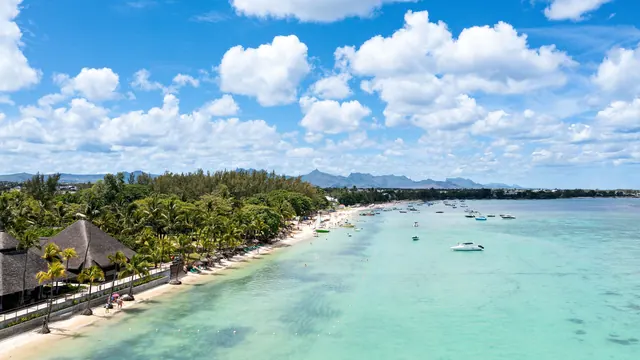
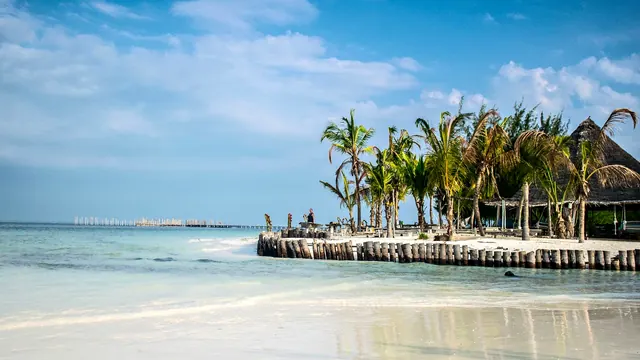
Mozambique's beaches are the main reason people come. Choose between the dune-backed surf of Tofo, Barra and Ponta do Ouro, or the shallow turquoise water and shifting white sandbanks of Vilanculos and the Bazaruto islands, which suit gentle swimmers. The Indian Ocean stays warm through the winter, so the only real trade-off is the long distance between these stretches of coast.
Where in Angola: Mussulo, Benguela and Lobito, Cabo Ledo, Ilha de Luanda
Where in Mozambique: Bazaruto Archipelago, Vilanculos, Tofo, Ponta do Ouro
Food & drink
Both cuisines blend local cooking with Portuguese bread, pastries and grilled meat, and in both the best meals come from the sea. Angola's cooking is the heavier of the two, with funge eaten alongside palm-oil muamba de galinha or calulu of dried fish. Outside Luanda and the beach grills of Benguela, the choice thins fast.
Mozambique has the edge thanks to the Indian Ocean. Prawns and crab come grilled with peri-peri, matapa is made with cassava leaves, peanut and coconut, and coconut curries of clam or chicken show the coast's eastern links. It also has the market culture Angola lacks: at Maputo's fish market you choose a catch and have it cooked on the spot, and Inhambane's old market sells cashews and spices.
Where in Angola: Luanda, Benguela
Where in Mozambique: Maputo, Inhambane, Tofo
Culture & sights
Neither country is a heritage destination, but Mozambique has the one site worth a journey on its own. Ilha de Moçambique has a UNESCO-listed Stone Town with a fortress, a governor's palace and arcaded merchant houses, set beside the reed-roofed Macuti Town. Maputo adds its domed railway station and modernist avenues.
Angola's sights carry more weight than polish. The Fortaleza de São Miguel looks over Luanda's bay, and the slavery museum stands in a chapel where captives were shipped. Mbanza Kongo is on the UNESCO list too, but it is a long trip north and has only ruins and a small museum to show for it.
Where in Angola: Luanda, Benguela, Mbanza Kongo
Where in Mozambique: Ilha de Moçambique, Maputo, Inhambane
Nightlife
Both countries keep their real nightlife in the capital, and the two capitals are roughly level, though they feel different. Luanda is the dressier and more intense night out. Its clubs play kizomba, semba and kuduro until dawn to a crowd of well-off locals and expats, but the venues are spread out and expensive, so it helps to go with someone who knows them.
Maputo's evenings build more gradually, from pavement bars and the seafront in Polana and the Baixa to marrabenta and Afro house clubs after midnight. Mozambique also has nights on the coast, with beach bars and parties in Tofo and Vilanculos. Angola's seafront in Benguela quietens down after dinner.
Where in Angola: Luanda, Benguela
Where in Mozambique: Maputo, Tofo, Vilanculos
Nature & outdoors
Mozambique's nature is mostly underwater, and it is the richer of the two. Whale sharks and manta rays feed off Tofo all year, humpbacks pass from about July to October, and the Bazaruto marine park shelters reefs, turtles and dugongs. On land, Gorongosa has elephants, antelope and abundant birdlife, though it is a separate trip from the coast.
Angola's strength is dramatic dry scenery that few visitors ever see. Here you find the horseshoe of Kalandula Falls, the boulders of Pungo Andongo, the cliff edge at Tundavala and the welwitschia-dotted dunes of Iona running down to the sea. Wildlife is thin after the war years, though, and almost everything needs a 4x4 and a driver.
Where in Angola: Huíla Plateau and Serra da Leba, Kalandula Falls and Pungo Andongo, Iona National Park, Kissama National Park
Where in Mozambique: Tofo, Bazaruto Archipelago, Gorongosa National Park, Ponta do Ouro
Day trips
Angola's one easy day out is a town-to-town trip by road on the central coast, where Benguela, Lobito and Catumbela sit close together. Lobito's long sandspit and old railway town make a real change from Benguela's colonial streets. From Luanda, outings head to cliffs, parks or beaches rather than to other towns.
Mozambique's day trips mostly go by water. From Maputo, a ferry crosses the bay to Catembe, and boats run out to the fishing village and beaches of Inhaca Island. From Tofo, old Inhambane is a dhow crossing or a short drive away. In either country, seeing more than this means moving base.
Where in Angola: Benguela and Lobito
Where in Mozambique: Inhaca Island, Inhambane, Catembe
Good for families
Mozambique gives a family more calm water to choose from, though in either country the realistic plan is one long beach stay. In Angola, that comes down to the sheltered lagoon side of Mussulo or the gentle bays near Benguela, where some resort hotels have pools. Good medical care is concentrated in Luanda, and the capital's heavy traffic wears children out.
Mozambique adds the Bilene lagoon, the Bazaruto shallows and the sheltered side of the Barra peninsula, and older children can snorkel or sail in a dhow. The drawbacks are shared: malaria throughout, long and tiring road journeys, no zoos or theme parks, and only basic medical care outside the capital.
Where in Angola: Mussulo, Benguela
Where in Mozambique: Bilene, Bazaruto Archipelago, Barra
Getting around
Getting around is hard work in both, but in different ways. In Angola, independent travel is barely practical. The candongueiro minibuses are hard for visitors to use, so most people arrange a car and driver for each region and fly between Luanda, Benguela-Catumbela, Lubango and Namibe.
Mozambique is open to hardy travellers on chapas and early long-distance buses, though the coastal highway is slow, and getting from Maputo to Vilanculos by road takes most of a day. Many visitors fly into Vilanculos and continue by boat, and Maputo's centre can at least be walked in daylight.
Where in Angola: Luanda, Benguela, Lubango
Where in Mozambique: Maputo, Vilanculos, Tofo
Shopping & style
In both countries, shopping means crafts rather than design. Mozambique has a bit more to browse. You can buy Makonde ebony carvings and batik at Maputo's markets and by the old fortress, have capulana cloth sewn by a tailor, and find woven palm baskets and mats at Inhambane's market.
Angola's shopping comes down almost entirely to the Benfica craft market on Luanda's southern edge. There you can bargain for Chokwe-style masks and the Pensador thinker figure. The capital's malls carry everyday brands, and outside Luanda the markets sell daily goods rather than souvenirs.
Where in Angola: Luanda
Where in Mozambique: Maputo, Inhambane
Affordability
Mozambique is easier on a budget. Backpacker lodges in Tofo and Vilanculos, market food and chapas keep a southern beach trip cheap, although island resorts on Bazaruto, diving and domestic flights can make a comfortable trip very expensive.
Angola has almost no budget accommodation, and Luanda's hotels and restaurants are priced for oil-industry business travel. The biggest cost is the drivers, 4x4s and flights you need to reach the parks and the south. Benguela and Lubango are the places where money goes further.
Where in Angola: Benguela, Lubango
Where in Mozambique: Tofo, Vilanculos, Maputo
Live music & performing arts
Angola's live music is made for dancing. Guitar-led semba, the root of much Lusophone pop, is played at weekend dances, and the big concerts and the Luanda carnival bring semba, kizomba and kuduro out onto the street. The capital's few small theatres and arts centres keep only an irregular programme.
Maputo has more music to sit and listen to. Its bars and cultural centres host marrabenta, jazz and Afro-fusion bands, and the city has a long-established theatre company. Inhambane province's Chopi timbila xylophone orchestras are a remarkable tradition, though they are rarely staged for visitors. Neither capital has opera or an orchestra.
Where in Angola: Luanda
Where in Mozambique: Maputo, Inhambane
Wellness & relaxation
Neither has a bathing tradition, but Mozambique is by far the better place to unwind. The island lodges of the Bazaruto Archipelago and beach lodges near Vilanculos and Tofo offer massage and yoga by the dunes, and the long, uncrowded days are restful in themselves.
In Angola, spas are mostly found in a few upmarket Luanda hotels, in a congested capital. The nearest thing to a slow break is a few days at a Mussulo lodge or in Lubango's cooler plateau air.
Where in Angola: Mussulo, Lubango
Where in Mozambique: Bazaruto Archipelago, Vilanculos, Tofo
When should you go?
Pick your month, and for a country the place in it. The climate figures are measured averages, not a forecast.
Where in Angola
Luanda (Angola) in July
Maputo (Mozambique) in July
Daytime high, °C
Rainfall in the month, mm
Temperature and rainfall are climate normals, averaged over the years shown. Luanda (Angola): 1963-2025, 15 years observed (rainfall 1971-2000) normals, Luanda (3.9 km from centre). Maputo (Mozambique): 1991-2020 (sunshine 1981-2010) normals, Maputo / Mavalane (5.8 km from centre).
The two countries run on opposite rhythms. Angola's coast is dry from about June to September, when Luanda is pleasant for walking at around 25°C but the cacimbo brings grey skies and a noticeably cooler sea. Its warm-water season is December to April, which is also when the rain comes, heaviest in March and April. Benguela has its wettest month in March, with about 182mm, though that is also when Kalandula Falls run fullest.
In Maputo, the rains fall in the hot southern summer and peak in January at around 154mm. May to September is dry and sunny, warm by day without being oppressive, and the sea there rarely drops below about 22°C. The sea warms to around 28°C in February, so Mozambique gives a beach trip in almost any month, while Angola's best months for swimming are the ones it is most likely to rain.
Which traveller are you?
On a beach and sun trip, Mozambique is the clear pick. The Bazaruto sandbanks, the Vilanculos channel and the surf beaches of Tofo and Ponta do Ouro have warm water all year, while Angola's sea cools in winter and turns cold further south.
On a relaxing and wellness trip, Mozambique wins easily. Island lodges on Bazaruto and beach places near Vilanculos and Tofo offer massage, yoga and quiet days by the dunes. In Angola, spas are mostly in Luanda's business hotels, in a noisy capital.
On a trip on a tight budget, Mozambique stretches further. Backpacker lodges in Tofo and Vilanculos and cheap chapas make a beach stay affordable. Angola has almost no backpacker beds, and drivers and 4x4 hire quickly drain the money.
More comparisons
Each shares a side with Angola or Mozambique.
Where else could you go?
Set Angola or Mozambique against any other country.