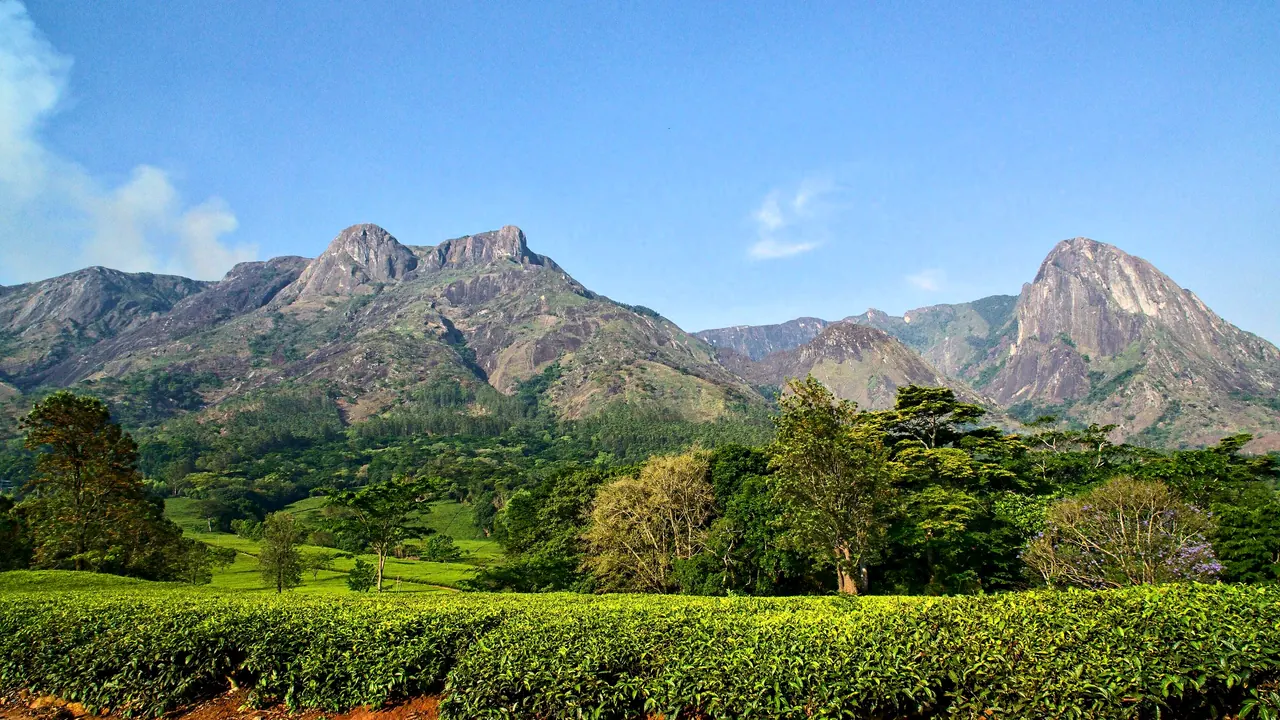
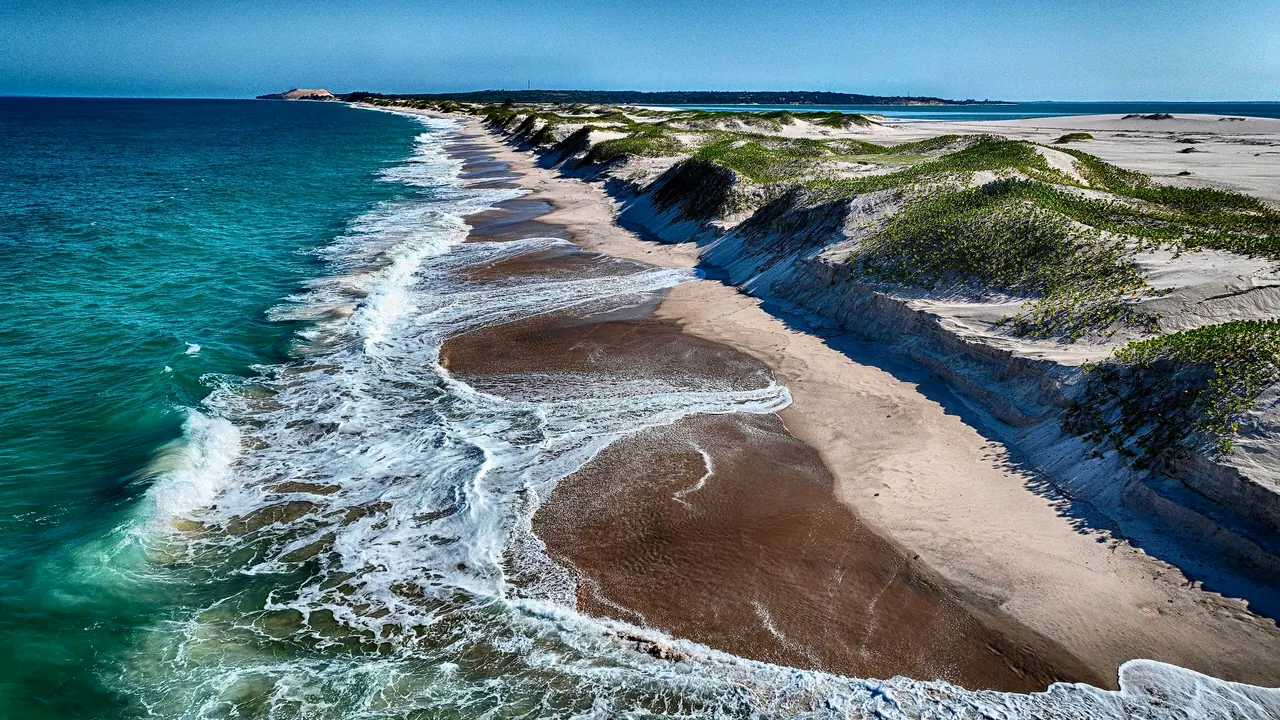
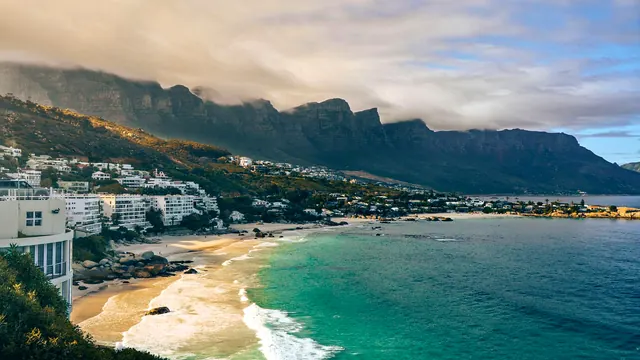
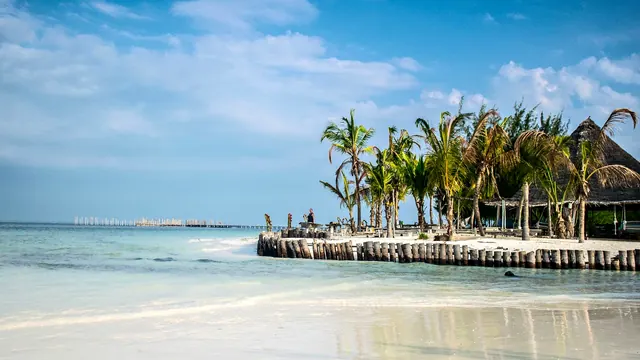
Photos: Malawi by David Davies from Birmingham, UK, CC BY-SA 2.0, cropped; Mozambique by Tom Corser, CC BY-SA 3.0, cropped.
Malawi or Mozambique?
Our verdict in twelve categories, each scored against the same fixed benchmark cities, and the climate month by month, so you can choose for your trip.
Choose Malawi for
- prices
- nature and the outdoors
Malawi suits travellers who want a slow, inexpensive trip built around one great lake and the high ground above it. You spend your days paddling between the islands off Cape Maclear, settle into a hillside lodge at Nkhata Bay, then head inland to hike Mount Mulanje or watch elephants from a boat on the Shire River. It suits people who don't mind simple food, quiet evenings and lodges with hammocks instead of resorts, and who would rather their money lasted weeks.
Choose Mozambique for
- food and drink
- nightlife
- beaches
Choose Mozambique if the Indian Ocean is the point of the trip. Its beaches are wider, sandier and more varied, from the surf and dunes at Tofo to the turquoise sandbanks of the Bazaruto Archipelago. It is also the better pick for seafood, a proper night out in Maputo and a historic town worth the journey in Ilha de Moçambique. The catch is cost and distance. Flights, island lodges and diving add up, and most visitors settle on one stretch of coast instead of trying to cover the whole country.
Scoreboard
Twelve categories on one fixed scale from 0 to 100. The shaded stretch is the gap between the two.
Your match
Pick a travel style or drag the sliders, and both match scores follow your weighting.
Wins on prices and nature and the outdoors with your weighting.
Wins on food and drink and nightlife with your weighting.
What matters to you?
Category by category
What the scores mean for a trip.
Beaches & swimming
Mozambique has the better beaches. They are real ocean beaches: long dune-backed sand and surf at Tofo, Barra and Ponta do Ouro, and the white sandbanks and clear, tidal water of Bazaruto and Benguerra off Vilanculos. The open shores have strong currents, but the lagoon and island sides give gentle swimming, and the water stays warm through the winter.
Malawi offers something else: a freshwater lake with no salt and no tides, lined with sandy bays and granite headlands. Cape Maclear and Nkhata Bay are lovely, and Likoma Island has the finest sand, but bilharzia is present in parts of the lake and beach life means lodges and dugout canoes, not resorts.
Where in Malawi: Cape Maclear, Nkhata Bay, Likoma Island, Senga Bay
Where in Mozambique: Bazaruto Archipelago, Vilanculos, Tofo, Ponta do Ouro
Food & drink
Neither country is a food destination, but Mozambique eats noticeably better. Prawns, crab and line fish are grilled over coals with peri-peri, and dishes such as matapa and coconut clam curry mix African and Indian Ocean flavours. In Maputo you can pick your catch at the fish market and have it cooked on the spot.
Malawi's cooking is plainer. Most meals are nsima with relishes, and the dish people remember is a whole grilled chambo at a lakeshore lodge. Lilongwe and Blantyre add a few Indian and Chinese places, and that is about the range.
Where in Malawi: Lake Malawi shore, Lilongwe, Blantyre
Where in Mozambique: Maputo, Inhambane, Tofo
Culture & sights
Mozambique has more to see, mainly because of Ilha de Moçambique. Its Stone Town of fortress, chapels and arcaded merchant houses sits beside the reed-roofed Macuti Town, though reaching it is a long trip of its own. Maputo adds modernist avenues, the domed railway station and public murals.
Malawi's heritage is quieter and more rural. The best of it is the painted shelters of Chongoni near Dedza, the Kungoni museum at Mua with its Gule Wamkulu masks, and the mission buildings of Livingstonia high above the lake. It makes a good handful of stops along the way, not a reason to travel.
Where in Malawi: Chongoni and Dedza, Mua, Livingstonia, Blantyre
Where in Mozambique: Ilha de Moçambique, Maputo, Inhambane
Nightlife
Maputo gives Mozambique a real night out. Evenings start in pavement bars along the seafront and move on to clubs in Polana and the Baixa, playing marrabenta, kizomba and Afro house well past midnight. Tofo and Vilanculos add beach parties in the busier months.
Malawi's going out is smaller: weekend dance clubs in Lilongwe and Blantyre, and backpacker bars at Nkhata Bay and Cape Maclear that liven up on beach evenings. Most nights end with a drink on the lodge terrace.
Where in Malawi: Lilongwe, Blantyre, Nkhata Bay
Where in Mozambique: Maputo, Tofo, Vilanculos
Nature & outdoors
Both countries are strong on nature, but the best of it lies in different places. Malawi's lies on land and in fresh water. You can snorkel among brightly coloured cichlids in Lake Malawi National Park, climb the granite massif of Mount Mulanje, walk the high grassland of Nyika with its roan antelope, and take boat safaris in Liwonde among hippo and elephant.
Mozambique's highlights are in the sea. Whale sharks and manta rays feed off Tofo all year, humpbacks pass from about July to October, and Bazaruto has reefs, turtles and dugongs. Inland, Gorongosa offers floodplain and forest wildlife, but as a separate trip from the coast.
Where in Malawi: Lake Malawi National Park, Mount Mulanje, Liwonde National Park, Nyika Plateau
Where in Mozambique: Tofo, Bazaruto Archipelago, Gorongosa National Park, Ponta do Ouro
Day trips
Day trips are thin in both countries. Mozambique's are the more appealing because they go by boat: a ferry across the bay to Catembe, a crossing to Inhaca Island and its fishing village, or a dhow from Tofo to the old port of Inhambane.
Malawi's outings run by road. From Blantyre you can visit colonial Zomba or the Thyolo tea estates, and from Lilongwe it is a day south to the pottery at Dedza and the mission at Mua.
Where in Malawi: Zomba, Thyolo, Dedza
Where in Mozambique: Inhaca Island, Inhambane, Catembe
Good for families
For families the two are much alike. Malaria is present across both, the roads are long and rough, and neither has anything built for children. Both work best as a stay at an easy beach lodge with older children.
What differs is the setting. Malawi has the shallow, sandy shore of Senga Bay close to Lilongwe, and boat trips in Liwonde that bring elephants near without hours in a vehicle. Mozambique offers the calm Bilene lagoon and the Bazaruto shallows, but medical care outside Maputo is basic.
Where in Malawi: Senga Bay, Cape Maclear, Liwonde National Park
Where in Mozambique: Bilene, Bazaruto Archipelago, Barra
Getting around
Getting around is equally hard work in both, but the problem is different in each. Malawi is compact, with one narrow main road down its length that is best avoided after dark. Most visitors hire a car with a driver, and the old lake steamer to Likoma keeps its own slow timetable.
Mozambique's challenge is distance. With more than 2,000km of coast, Maputo to Vilanculos takes most of a day by road, so many visitors fly to the coast and then take boat transfers or a four-wheel drive on sandy lodge roads.
Where in Malawi: Lilongwe, Blantyre
Where in Mozambique: Maputo, Vilanculos, Tofo
Shopping & style
Both countries are about crafts, and Mozambique has a little more choice. Maputo's markets near the old fortress sell Makonde ebony carvings, baskets and batik, and capulana cloth can be bought by the length and tailored in Maputo or Inhambane.
In Malawi you buy carved masks and chairs from roadside stalls and the market outside Lilongwe's post office, pottery at Dedza and chitenje wraps. You bargain for all of it, and there is little beyond it.
Where in Malawi: Lilongwe, Dedza, Mua
Where in Mozambique: Maputo, Inhambane
Affordability
Malawi is the cheaper country to travel in. Beach lodges and campsites at Cape Maclear, long stays at Nkhata Bay and simple guesthouses in Zomba keep daily costs low. The spending comes with the safari side, in park lodges, park fees and a hired driver.
Mozambique can also be done cheaply in the backpacker lodges of Tofo and Vilanculos, but it gets expensive quickly beyond them. Maputo hotels are priced for business travellers, domestic flights and diving add up, and the private island lodges on Bazaruto are among the costliest stays on the continent.
Where in Malawi: Cape Maclear, Nkhata Bay, Zomba
Where in Mozambique: Tofo, Vilanculos, Maputo
Live music & performing arts
Mozambique has more live performance, almost all of it in Maputo. Bars and cultural centres there host marrabenta, jazz and Afro-fusion bands, and the city has a small theatre scene. The timbila xylophone orchestras of Inhambane province are remarkable but rarely performed for visitors.
In Malawi the one event worth planning around is the Lake of Stars festival on the lakeshore. Beyond that, you may catch Gule Wamkulu masked dancing near Mua, or local bands in Lilongwe bars at weekends.
Where in Malawi: Lake Malawi shore, Mua, Lilongwe
Where in Mozambique: Maputo, Inhambane
Wellness & relaxation
Neither country has a spa tradition, but Mozambique gives more ways to unwind in comfort. The Bazaruto island lodges and some beach lodges near Vilanculos and Tofo have spa rooms and massage, and a few offer yoga by the dunes.
Malawi's version of rest is simpler and very slow. Expect a morning paddle and long shady lunches at Cape Maclear, or near-empty days on Likoma Island, with nothing beyond the odd lodge massage.
Where in Malawi: Cape Maclear, Likoma Island
Where in Mozambique: Bazaruto Archipelago, Vilanculos, Tofo
When should you go?
Pick your month, and for a country the place in it. The climate figures are measured averages, not a forecast.
Where in Malawi
Lilongwe (Malawi) in July
Maputo (Mozambique) in July
Daytime high, °C
Rainfall in the month, mm
Where the figures come from
Lilongwe (Malawi)'s station stands 179 m above the city centre, so the centre is likely a little warmer than the figures say.
Temperature and rainfall are climate normals, averaged over the years shown. Lilongwe (Malawi): 1982-2025 (rainfall 1961-1990) normals, Lilongwe International Airport (22.6 km from centre). Maputo (Mozambique): 1991-2020 (sunshine 1981-2010) normals, Maputo / Mavalane (5.8 km from centre).
Both countries have a dry season from about May to October and heavy rain in the southern summer. In Malawi the rains are fierce and heaviest by the lake. The shore gets around 308mm in January, well above Lilongwe's 230mm, though that is still a very wet month. From May to October both places are close to dry. June and July are the mildest months and the best for hiking and walking around town. From September the lakeshore heats up quickly, with daytime highs of 33°C in October and November. That suits lazy beach days but is tiring on foot.
The Mozambican figures are for Maputo only. Its rain is lighter than Malawi's, but its summer is hotter, with highs above 30°C from December to March. The sea there is warmest from January to March and cools to a fresher 22°C in winter. Sunshine is good all year, at its most reliable from March to August, and dips a little from October as the rains return. In both countries May to October is the safest time to go: Malawi is at its best in the cooler middle of that stretch, and Maputo is pleasant all the way through it.
Which traveller are you?
For a beach and sun trip, Mozambique wins clearly. The open sand and surf at Tofo and Ponta do Ouro, the calm island shallows of Bazaruto and a warm sea all year beat Malawi's freshwater bays, however pretty Cape Maclear is.
On a trip on a tight budget, Malawi goes further. Beach lodges and campsites at Cape Maclear, cheap grilled chambo and hillside rooms at Nkhata Bay let a traveller stay for weeks. In Mozambique, Maputo hotels, domestic flights and island stays drive costs up quickly.
For an outdoors trip on foot, Malawi has the edge. You can do multi-day hikes on Mount Mulanje, easy walks on the Zomba Plateau and cross the empty grassland of Nyika. Mozambique's outdoor highlights are mostly under water, with whale sharks and mantas off Tofo.
More comparisons
Each shares a side with Malawi or Mozambique.
Where else could you go?
Set Malawi or Mozambique against any other country.