Photos: Malawi by David Davies from Birmingham, UK, CC BY-SA 2.0, cropped; Tanzania by Lone Vassnos, CC BY-SA 4.0, cropped.
Malawi or Tanzania?
Our verdict in twelve categories, each scored against the same fixed benchmark cities, and the climate month by month, so you can choose for your trip.
Choose Malawi for
- prices
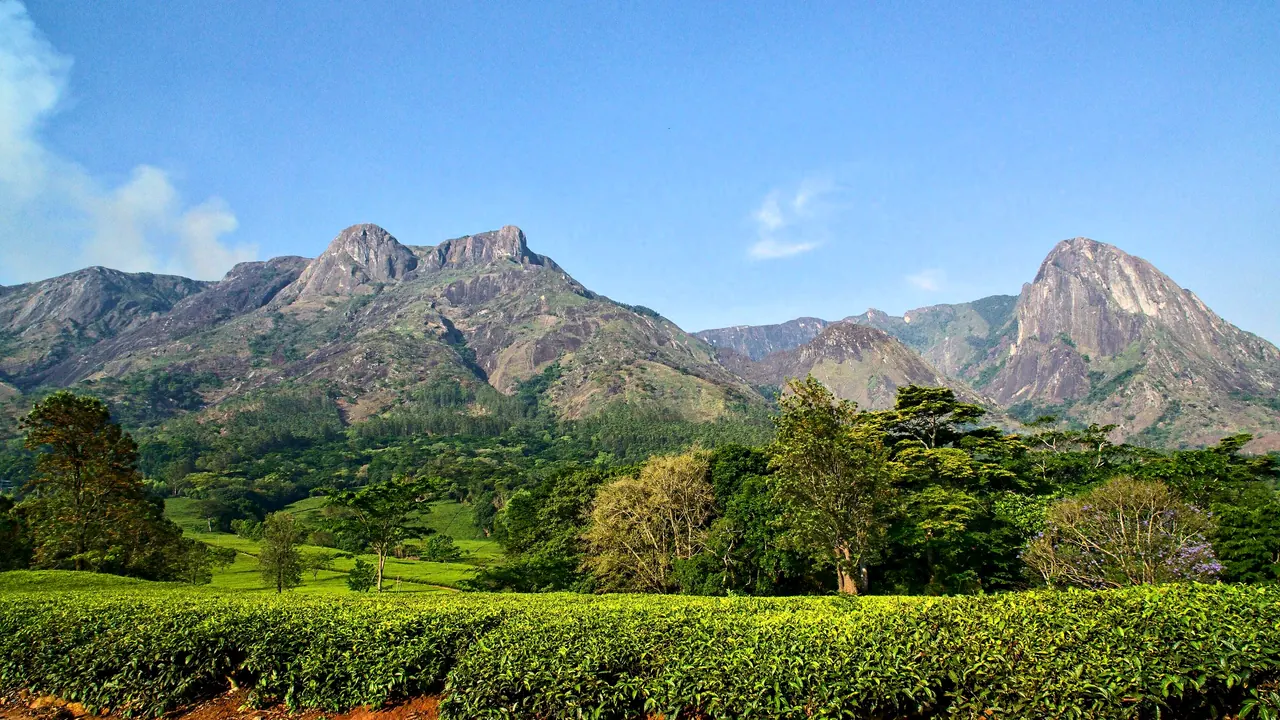
Malawi suits a traveller with time and a modest budget who would rather settle on one long freshwater shore than tick off famous sights. Lakeside lodges at Cape Maclear and Nkhata Bay cost little, snorkelling among the bright cichlid fish off the islands is unlike anything else in the region, and Mount Mulanje and the Nyika Plateau add hiking with few other people around. The price of that is slow roads and simple comforts.
Choose Tanzania for
- culture and sights
- beaches
- getting around
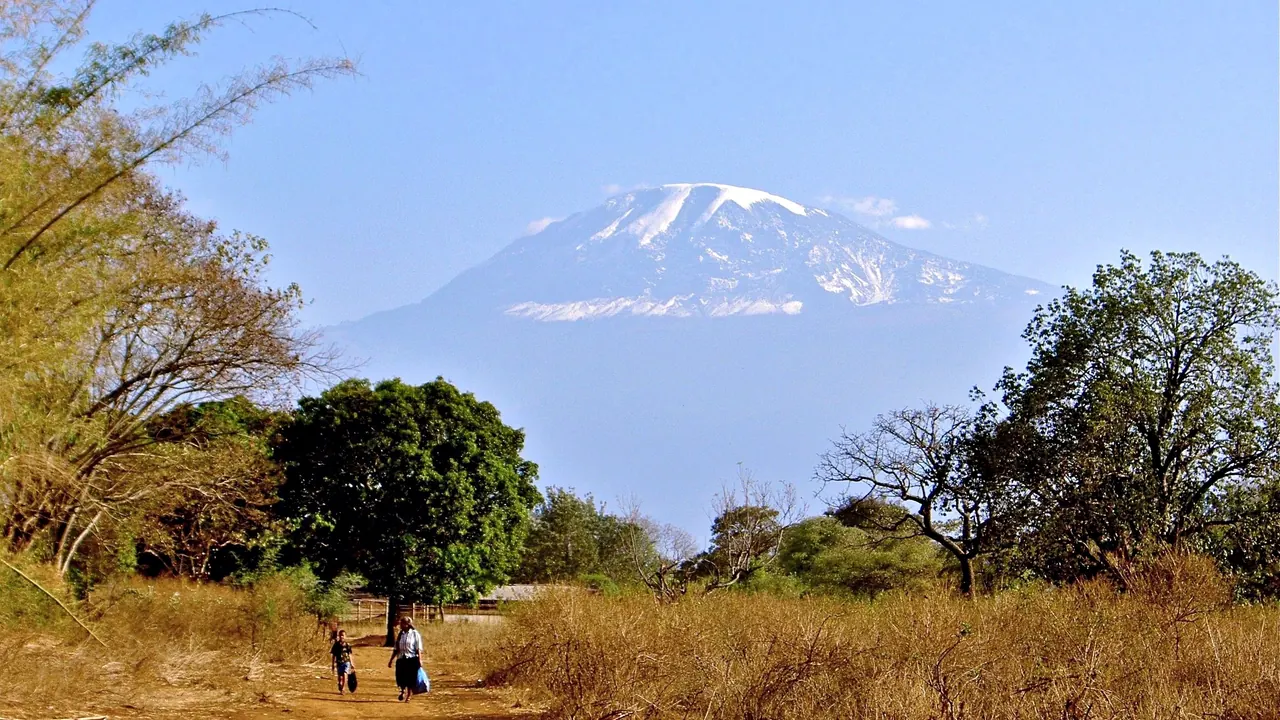
For a first big trip to Africa, Tanzania is the stronger choice on almost every front. The Serengeti, the Ngorongoro Crater and Kilimanjaro offer wildlife and mountains on a far grander scale, and Zanzibar adds better beaches, Swahili cooking and the old lanes of Stone Town. The catch is cost, because park fees and guided safaris make this a much more expensive trip.
Scoreboard
Twelve categories on one fixed scale from 0 to 100. The shaded stretch is the gap between the two.
Your match
Pick a travel style or drag the sliders, and both match scores follow your weighting.
Wins on prices with your weighting.
Wins on culture and sights and beaches with your weighting.
What matters to you?
Category by category
What the scores mean for a trip.
Beaches & swimming
Malawi's beaches are on a lake, not the sea. Lake Malawi has sandy bays and granite headlands at Cape Maclear, greener coves at Nkhata Bay, an easy weekend shore at Senga Bay and its finest sand out on Likoma Island. There is no salt and no tide, and beach life means hammocks and dugout canoes. Bilharzia in parts of the lake is a real drawback.
Tanzania has the better seaside, on the Indian Ocean. At Nungwi and Kendwa in Zanzibar's north the water is deep enough to swim at any tide. On the east coast, from Matemwe to Paje, there are turquoise lagoons, but the tide pulls far out over the reef. Pemba and Mafia are quieter island options, each a flight or ferry from the parks.
Where in Malawi: Cape Maclear, Nkhata Bay, Likoma Island, Senga Bay
Where in Tanzania: Zanzibar north coast (Nungwi and Kendwa), Zanzibar east coast (Paje and Matemwe), Pemba, Mafia Island
Food & drink
Malawi eats plainly. Meals are nsima with greens or beans, or a whole grilled or fried chambo from the lake, the one dish visitors remember. Lilongwe and Blantyre add a handful of Indian and Chinese places.
Tanzania has more to look forward to, mostly on the coast. Swahili cooking brings octopus in coconut curry, pilau scented with cloves, and urojo. Stone Town's Forodhani Gardens become an evening of seafood grills, and Dar es Salaam adds a strong Indian strand. Inland, nyama choma and lodge cooking are no more exciting than Malawi's food.
Where in Malawi: Lake Malawi shore, Lilongwe, Blantyre
Where in Tanzania: Stone Town, Dar es Salaam
Culture & sights
Malawi's heritage is a set of separate stops. There are the painted shelters of Chongoni near Dedza, the Chewa and Ngoni masks at the Kungoni centre in Mua, the mission on the escarpment at Livingstonia and the brick church in Blantyre that missionaries built without architects. Each is worth a detour, but none is enough to build a trip around.
Tanzania has a real centrepiece in Stone Town. It is a walkable Swahili old town of coral-stone houses, carved doors and the Old Fort, with the cathedral standing on the site of the last slave market. The medieval ruins of Kilwa Kisiwani and Olduvai Gorge on the Serengeti road add depth, though most visitors still fit them in around the wildlife.
Where in Malawi: Chongoni and Dedza, Mua, Livingstonia, Blantyre
Where in Tanzania: Stone Town (Zanzibar), Kilwa Kisiwani, Bagamoyo, Olduvai Gorge
Nightlife
Nights out are a minor part of a trip to either country. In Malawi they come down to weekend dance clubs in Lilongwe and Blantyre and the backpacker bars at Nkhata Bay and Cape Maclear.
Tanzania has more range. Dar es Salaam's Msasani Peninsula and Oyster Bay have rooftop bars and clubs playing Bongo Flava late, and Kendwa and Nungwi add beach bars and the odd full-moon party. On safari, evenings end by the campfire.
Where in Malawi: Lilongwe, Blantyre, Nkhata Bay
Where in Tanzania: Dar es Salaam, Zanzibar north coast (Kendwa and Nungwi), Arusha
Nature & outdoors
Malawi's outdoors are good and varied. You can snorkel and kayak among cichlids in Lake Malawi National Park, hike for several days on the granite of Mount Mulanje, cross the empty grasslands of the Nyika Plateau and take boats close to elephants and hippos on the Shire River in Liwonde. Its parks are smaller, though, and Majete is the place for the big five.
Tanzania works on another scale. The Great Migration in the Serengeti, the herds and lions of the Ngorongoro Crater and a week's climb up Kilimanjaro are among Africa's best-known experiences. Ruaha and Nyerere add emptier walking safaris, and Mnemba and Mafia offer reef diving and whale sharks.
Where in Malawi: Lake Malawi National Park, Mount Mulanje, Liwonde National Park, Nyika Plateau
Where in Tanzania: Serengeti National Park, Ngorongoro Crater, Kilimanjaro, Ruaha and Nyerere
Day trips
Day trips are few in both countries, because most outings lead into parks or onto the water. From Blantyre, Malawi has Zomba's colonial buildings and the Thyolo tea estates. From Lilongwe, Dedza's pottery and Mua make a day on the road south.
Tanzania has a little more. Stone Town and a spice farm make an easy day from any Zanzibar beach. Bagamoyo's mission and the ruins at Kaole lie up the coast from Dar es Salaam, and there are coffee farms and Maasai villages around Arusha and Moshi.
Where in Malawi: Zomba, Thyolo, Dedza
Where in Tanzania: Zanzibar, Dar es Salaam, Arusha and Moshi
Good for families
Neither country is easy with small children. Both are malaria zones, the roads are long and rough, and neither has attractions made for children. Malawi can be done gently around the shallow sand of Senga Bay, snorkelling at Cape Maclear and river boat trips in Liwonde.
Tanzania gives families more for the effort. A short northern circuit, with elephants in Tarangire and lions in the Ngorongoro Crater, followed by calm water on Zanzibar's north coast, makes a memorable trip, and many lodges have family rooms and private vehicles. Children of about eight and over get the most from it, and some camps set minimum ages.
Where in Malawi: Senga Bay, Cape Maclear, Liwonde National Park
Where in Tanzania: Northern safari circuit, Zanzibar north coast
Getting around
Malawi asks for more patience on the road than Tanzania does. Trips start in Lilongwe or Blantyre, and the one narrow main road between them is shared by minibuses, cyclists and goats, and is best avoided after dark. Shared minibuses leave only when full, so most visitors hire a car with a driver. Within the cities you need taxis too: Lilongwe's Old Town and government centre lie several kilometres apart, and hilly Blantyre is compact but not made for long walks.
Tanzania is far easier to organise, though no quicker on the ground. Guided four-wheel-drive vehicles handle the long, corrugated drives of the northern circuit, and light aircraft link the Serengeti, the south and Zanzibar to save whole days. Fast ferries cross from Dar es Salaam to Zanzibar, a rail line runs inland, and Stone Town is a pleasure on foot.
Where in Malawi: Lilongwe, Blantyre
Where in Tanzania: Northern safari circuit, Zanzibar
Shopping & style
Both countries are places to buy crafts rather than clothes, and Malawi's list is the shorter of the two. Woodcarvers sell chairs, masks and figures at the craft market outside the Lilongwe post office and at stalls along the lake shore, where bargaining is expected. Dedza is the place for pottery and Mua for carvings rooted in local tradition, and bright chitenje cloth packs flat for the journey home.
Tanzania gives a shopper more to look for. Tanzanite is mined only here and is sold in Arusha and Stone Town, though buying it calls for care. Arusha's curio markets add Tingatinga paintings, Makonde ebony carvings, Maasai beadwork and kanga cloth. Stone Town has spices and carved chests, and Kariakoo in Dar es Salaam is a vast working market rather than one laid out for visitors.
Where in Malawi: Lilongwe, Dedza, Mua
Where in Tanzania: Stone Town, Arusha, Dar es Salaam
Affordability
Malawi is much the cheaper country to travel in. With the beach lodges and campsites of Cape Maclear, the backpacker stays of Nkhata Bay and Zomba's guesthouses, a traveller can stay for weeks on very little. Only the lodges inside the parks and a hired driver push the cost up.
In Tanzania everyday life is cheap but the main attractions are not. Fees for the Serengeti and the Ngorongoro Crater, safari vehicles paid by the day and Kilimanjaro permits add up fast. Camping safaris from Arusha, guesthouses in Stone Town and Paje, and the green season help keep costs down.
Where in Malawi: Cape Maclear, Nkhata Bay, Zomba
Where in Tanzania: Stone Town, Paje, Arusha
Live music & performing arts
Zanzibar has a music all its own, while Malawi's live culture comes down to one lakeshore festival and whatever you happen across. Lake of Stars, which brings Malawian and international musicians together on the shore for a weekend, is the one event worth planning a Malawi trip around. With luck, Gule Wamkulu, the masked Chewa dance, can be seen at ceremonies near Mua, and otherwise local bands play bars in Lilongwe and Blantyre at weekends.
In Tanzania, taarab is the sound to look for. This orchestral sung poetry, with its Arabic and Indian strands, can be heard at rehearsals and performances in Stone Town, and Sauti za Busara fills the island with East African music each February. Dar es Salaam has Bongo Flava in its bars, and Bagamoyo's arts college keeps up ngoma drumming and dance.
Where in Malawi: Lake Malawi shore, Mua, Lilongwe
Where in Tanzania: Stone Town, Dar es Salaam, Bagamoyo
Wellness & relaxation
Neither country has a spa tradition, so rest means a slow pace by the water. Malawi offers that in its simplest form, with the morning paddles and sunset boats of Cape Maclear or the near-empty calm of Likoma Island, and little more than a lodge massage.
Tanzania adds comfort. Matemwe and Jambiani on Zanzibar's east coast, and the islands of Pemba and Mafia, are made for doing very little, and the larger resorts have proper spas, massage and yoga.
Where in Malawi: Cape Maclear, Likoma Island
Where in Tanzania: Zanzibar east coast, Pemba, Mafia Island
When should you go?
Pick your month, and for a country the place in it. The climate figures are measured averages, not a forecast.
Where in Malawi
Where in Tanzania
Lilongwe (Malawi) in July
Zanzibar (Tanzania) in July
Daytime high, °C
Rainfall in the month, mm
Where the figures come from
Lilongwe (Malawi)'s station stands 179 m above the city centre, so the centre is likely a little warmer than the figures say.
Zanzibar (Tanzania)'s temperatures are measured 78 km from the centre, at Dar Es Salaam Airport.
Zanzibar (Tanzania) has no rain gauge within 25 km of the centre, so its rainfall comes from a gridded climate dataset read at the destination rather than from a gauge further away.
Temperature and rainfall are climate normals, averaged over the years shown. Lilongwe (Malawi): 1982-2025 (rainfall 1961-1990) normals, Lilongwe International Airport (22.6 km from centre). Zanzibar (Tanzania): 1991-2020 normals, Dar Es Salaam Airport (77.9 km from centre).
The two countries follow the same broad rhythm: a dry season from about May or June to October, with the rains returning around November. In Malawi the dry months are almost rainless. Lilongwe is comfortable for walking all through them and coolest in June and July. By October and November the lakeshore heats up to about 33°C, and from December to March heavy rain sets in, around 230mm in Lilongwe in January, which makes slow roads slower still.
Tanzania's pattern differs by region. Zanzibar's sea is warm enough to swim in all year, but the long rains peak in April at about 363mm, a month best avoided. June to October is dry and sunny, and January and February are a hot, fairly dry second window. Inland, the Serengeti and Arusha are driest from June to September, the classic safari months, and the short rains come back in November and December.
Which traveller are you?
On a trip on a tight budget, Malawi goes much further. Beach lodges and campsites at Cape Maclear, backpacker stays above the coves of Nkhata Bay and cheap grilled chambo keep daily costs low. Tanzania's park fees and safari vehicles put its main sights out of reach for many.
For a beach and sun trip, Tanzania is the clear winner. Zanzibar's north coast at Nungwi and Kendwa has white sand and warm, deep sea at any tide, with Pemba and Mafia for quieter stays. Malawi offers simpler freshwater bays with a bilharzia risk in places.
On a culture and arts trip, Tanzania gives far more to see. Stone Town's coral-stone lanes, carved doors and the cathedral on the old slave market fill two days, with taarab music and Kilwa's ruins beyond. Malawi's heritage comes down to a few scattered stops such as Chongoni and Mua.
More comparisons
Each shares a side with Malawi or Tanzania.
Where else could you go?
Set Malawi or Tanzania against any other country.