Tanzania
Arusha
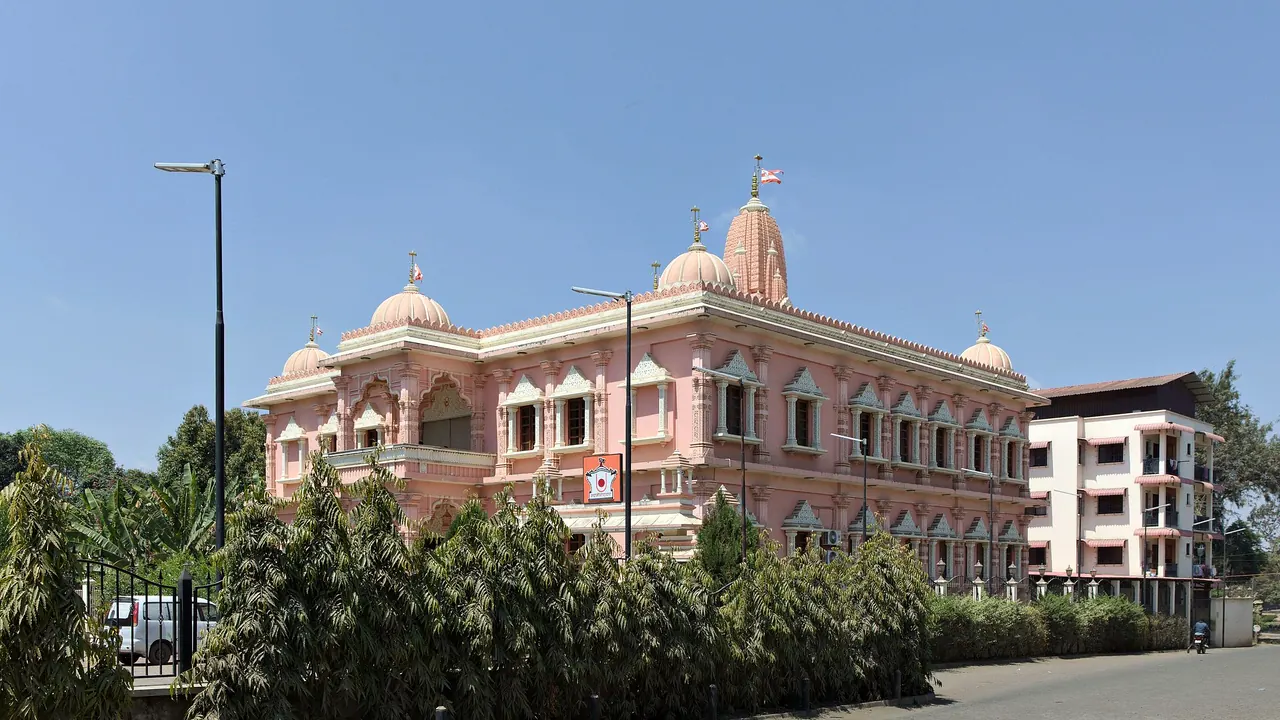
The pink Sikh temple
- Nature & outdoors88
- Affordable cities52
- Shopping40
Photo: Harald Ulver, CC BY-SA 4.0, cropped
Match
32
Every category weighted equally
- Beach & sun32
- Culture & arts27
- Food & nightlife27
- Family trip35
- Outdoors39
- Relax & unwind34
- Shopping & style30
- On a budget34
Arusha in twelve categories
Our verdict on each, scored 0 to 100 against the same fixed benchmark cities, so a score means the same thing on every page.
Beaches & swimming. Scores 7 out of 100.
Food & drink. Scores 33 out of 100.
Culture & sights. Scores 20 out of 100.
Nightlife. Scores 25 out of 100.
Nature & outdoors. Scores 88 out of 100.
Day trips. Scores 22 out of 100.
Good for families. Scores 35 out of 100.
Getting around. Scores 20 out of 100.
Shopping & style. Scores 40 out of 100.
Affordability. Scores 52 out of 100.
Live music & performing arts. Scores 10 out of 100.
Wellness & relaxation. Scores 33 out of 100.
Arusha category by category
Beaches & swimming
7Arusha is a highland town far inland, and the Indian Ocean coast is a long day's journey away. There are no beaches to use from here. The closest thing to a swim is the clear, warm spring-fed pool at Chemka (also called Kikuletwa), about an hour and a half away by road among fig trees and palms. Otherwise swimming means the pool at your lodge. Travellers who want sand usually end their safari with a flight to Zanzibar.
Food & drink
33Eating in Arusha is simple and local. Nyama choma (goat or beef grilled over charcoal and eaten with kachumbari salad and ugali) is the dish that matters, along with chipsi mayai, the chip omelette sold at roadside stalls. Mishkaki skewers are grilled on street corners in the evening. The Central Market shows the produce of the fertile slopes of Mount Meru: bananas in many varieties, avocados and spices.
The lower slopes grow Arabica coffee, and touring a farm and drinking coffee at the source is one of the better food experiences here. Beyond that the range is narrow. There are a few Indian and international restaurants for expatriates, and most safari visitors eat buffet dinners at their lodge.
Culture & sights
20Arusha has little in the way of sights. The Natural History Museum fills the old German boma, a whitewashed colonial fort, and has modest displays on human origins and local wildlife. The Arusha Declaration Museum covers the 1967 statement of Nyerere's socialist programme, which was made in this town. The clock tower roundabout marks the centre, and the large crafts galleries on the edge of town show Makonde carving and Tinga Tinga painting.
You can see all of it in half a day. Visitors use Arusha as the gateway to the parks, and its cultural interest comes mostly from Maasai and Meru village visits outside town.
Nightlife
25There is a night out to be had in Arusha. Local bars pour Kilimanjaro and Safari lagers and serve grilled meat, and a few clubs fill with Bongo Flava and Afrobeats at weekends, mostly with residents, students and volunteers. Still, the town's rhythm is set by safaris that leave at dawn. Most visitors finish dinner at their lodge and go to bed. After dark, taxis are the sensible way to move between places.
Nature & outdoors
88Arusha sits at the foot of Mount Meru, and the landscape around it is the reason people come. Arusha National Park is under an hour away. Giraffe, buffalo and colobus monkeys share forest and the alkaline Momella Lakes with flamingos, and walking safaris and canoe trips are possible there, which is rare in Tanzania. Meru itself is a three or four day climb along a narrow crater rim, and many people do it to acclimatise before Kilimanjaro, whose gates are about two hours east.
Tarangire, known for elephants and baobabs, and Lake Manyara below the Rift Valley escarpment are both roughly two hours away. Ngorongoro and the Serengeti are the reason for multi-day circuits from here. The long rains of April and May turn tracks to mud, and the dry months from June to October are prime game-viewing season.
Day trips
22Leave out the parks and there are few places to visit. Moshi, about an hour and a half east, is a relaxed town under Kilimanjaro with coffee co-operatives and a small market. On the road west, Mto wa Mbu is a market village near Lake Manyara with banana-farm walks and a mix of many tribes. Community tourism programmes run visits to Maasai bomas and Meru villages on the mountain slopes. Olduvai Gorge, with its record of early humans, is farther away and is usually seen on the way to the Serengeti, not as a day out.
Good for families
35Seeing elephants and giraffes from a safari vehicle thrills children, and many lodges around Arusha have gardens, pools and family rooms. Some safari operators set minimum ages for game drives and walking safaris, so a trip here works best with school-age children who can manage long, bumpy days in a vehicle.
The town itself offers little for children beyond a reptile park on the western road and Maasai village visits. Pavements are uneven and traffic is heavy. Families also need to plan for malaria prevention and the usual care with food and water.
Getting around
20The centre around the clock tower and the market is compact enough to walk, but pavements are broken or missing and traffic is heavy. Locals ride dala-dala minibuses and boda-boda motorbike taxis. Both are cheap but crowded and not easy for a newcomer. Most visitors use taxis or their lodge's transfers in town. Every park visit is made in a safari vehicle with a driver-guide, so in practice your transport comes with your tour.
Shopping & style
40Arusha is the main market town for crafts in northern Tanzania. Maasai beadwork, shukas (the red checked blankets), Makonde ebony carving, Tinga Tinga paintings and kitenge cloth are sold in the curio markets near the centre, where bargaining is expected. Large galleries on the outskirts sell the same crafts at fixed prices, along with finer carving and paintings. Tanzanite is mined only in the hills near Kilimanjaro airport, so gem dealers in town are a draw for some visitors. The Central Market is good for coffee, spices and fabric. There is little else: no fashion streets or department stores of any note.
Affordability
52Arusha has two price levels. Local life is cheap: street grills, market produce, dala-dalas and simple guesthouses cost very little. Visitors spend their money elsewhere. National park entry fees, safari vehicles with driver-guides and the comfortable coffee-farm and garden lodges on the outskirts all charge international prices. Mountain climbs and the big circuits beyond Arusha cost more again. A budget traveller can live cheaply in town, but a typical safari vacation planned from here is not a bargain.
Live music & performing arts
10There is almost no formal performing arts scene. Visitors mostly see Maasai jumping dances and songs, performed at cultural villages and lodge evenings, and acrobatic troupes at some hotels. Live bands play Bongo Flava and taarab in a few bars at weekends, but there is no theatre or concert season to plan around.
Wellness & relaxation
33Arusha has no bathing or spa tradition of its own, and the town centre is loud with traffic. Calm is found on the edges. Lodges set on coffee estates and in gardens towards Usa River and on the lower slopes of Meru have spas, massage rooms and quiet lawns with views of the mountain, and many travellers rest there for a day before or after a safari or a climb. The cool highland evenings help, but people do not come here to be pampered.
When should you go?
Pick a month to see what it is like. The climate figures are measured averages, not a forecast.
Arusha in July
Daytime high, °C
Rainfall in the month, mm
The whole year
Shaded against this city’s own year: the deepest cell is its best month for that figure and the palest its weakest.
Where the figures come from
Arusha has no weather station within reach, so its figures come from a gridded climate model rather than a measured record, and read a broad area rather than the city itself.
Temperature and rainfall are climate normals, averaged over the years shown. Arusha: 2001-2020 normals, NASA POWER reanalysis grid, no weather station within 90 km.
Before you go
| Measure | Arusha |
|---|---|
| Official language | English, Swahili |
| Currency | Tanzanian Shilling (TZS) |
| Sockets | G230 V, 50 Hz |
| Driving side | Left |
| Time zone | UTC+3 |
| Emergency number | Police 112, ambulance 115, fire 114 |
| Elevation | 1,387 m |
| Main airport | Kilimanjaro International Airport (JRO)44 km from centre14 non-stop destinations |
| Public holidays this year | 13 days |
By the numbers
| Measure | Arusha |
|---|---|
| City population | 416,442 |
| People per km² | 262 |
| Museums within 10 km | 0 |
| UNESCO World Heritage sites within 50 km | 0 |
Compare Arusha with
Every comparison with a written verdict behind it.