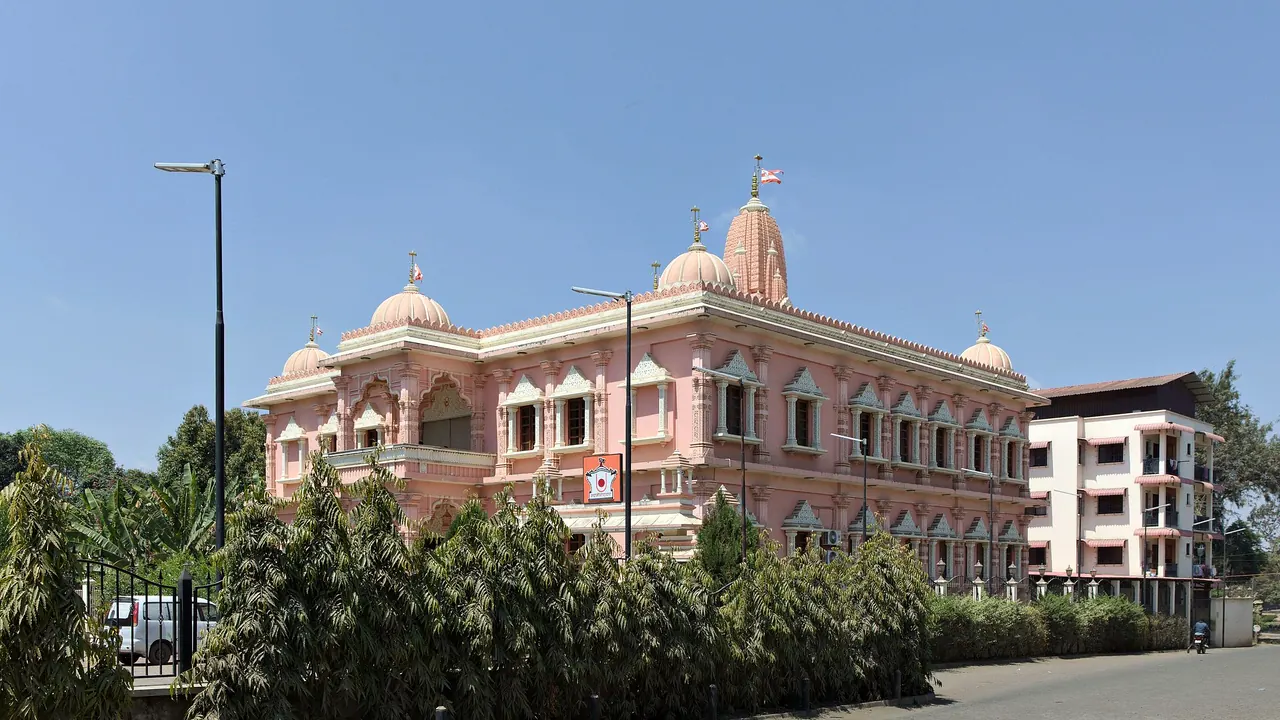
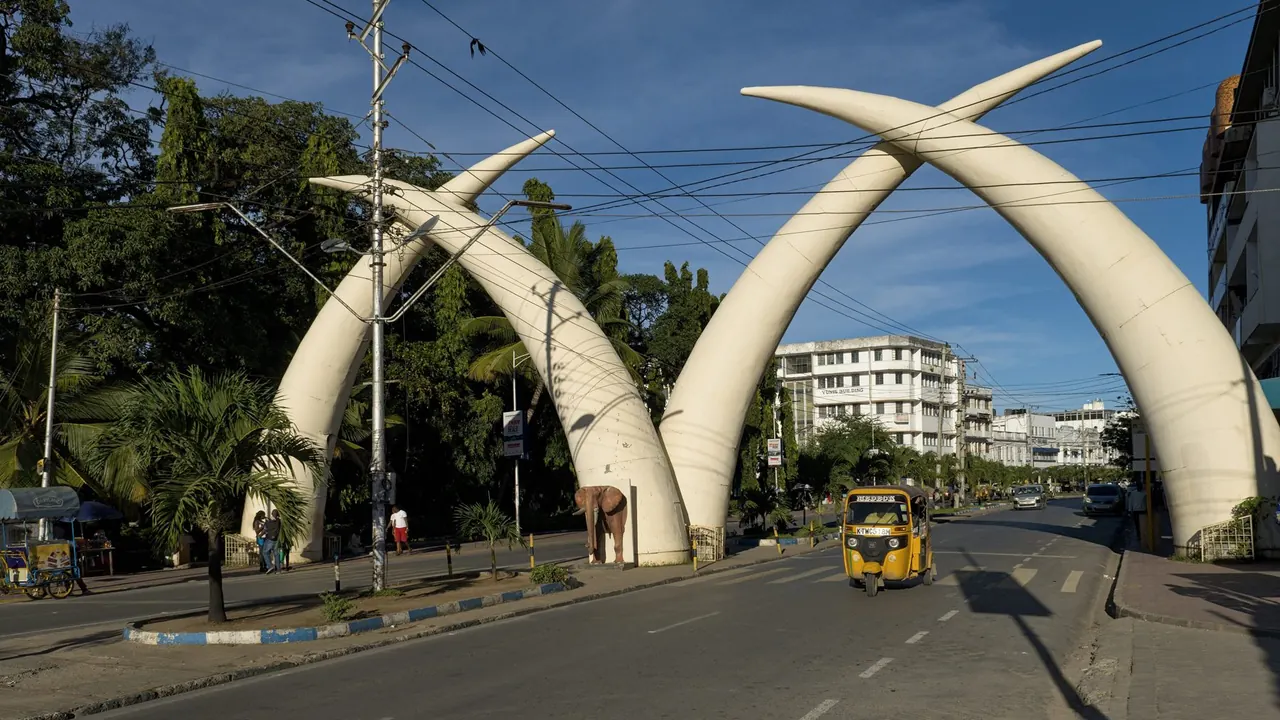
Photos: Arusha by Harald Ulver, CC BY-SA 4.0, cropped; Mombasa by Rob Oo, CC BY 2.0, cropped.
Arusha or Mombasa?
Our verdict in twelve categories, each scored against the same fixed benchmark cities, and the climate month by month, so you can choose for your trip.
Choose Arusha for
- nature and the outdoors
- shopping
Choose Arusha if the trip is about wildlife and mountains. It sits within easy reach of Arusha National Park, Tarangire and Lake Manyara, it is the starting point for the long circuits to Ngorongoro and the Serengeti, and it is the base for climbing Meru or Kilimanjaro. The town is mainly a place to sleep and leave from at dawn. It suits travellers who will spend their days in a safari vehicle or on a crater rim, not in museums or restaurants.
Choose Mombasa for
- beaches
- culture and sights
- food and drink
Mombasa is the better pick for a vacation that mixes sea, Swahili history and food. It has reef-sheltered sand at Nyali, Bamburi and Diani, Fort Jesus and the Old Town lanes, and cooking built on coconut and spice, so it offers a wider range of things to do on an ordinary day. It is also cheaper once you step outside the resorts. Most of its wildlife is under water, and Tsavo East is a long outing, not the heart of the trip.
Scoreboard
Twelve categories on one fixed scale from 0 to 100. The shaded stretch is the gap between the two.
Your match
Pick a travel style or drag the sliders, and both match scores follow your weighting.
Wins on nature and the outdoors and shopping with your weighting.
Wins on beaches and culture and sights with your weighting.
What matters to you?
Category by category
What the scores mean for a trip.
Beaches & swimming
There is no real contest here. Arusha is far inland. The nearest swim is the spring-fed Chemka pool among fig trees, an hour and a half away by road, or else your lodge pool. Mombasa is made for beach days, with white coral sand from Nyali to Shanzu, calm water inside the reef and Diani to the south.
The one thing to plan around in Mombasa is the tide. At low water it pulls far out and leaves rock pools, but not enough depth for a swim. Visitors to Arusha who want sand usually fly to the coast when their safari ends. In Mombasa it is right outside the hotel.
Food & drink
Mombasa has the better food. Its Swahili cooking was shaped by centuries of Arab and Indian trade. In the Old Town that means biryani, pilau, fish in coconut sauce and mahamri with spiced tea, and there are also Indian thalis and evening carts grilling cassava and maize.
Arusha's food is plainer and built around meat. Expect nyama choma with ugali, chipsi mayai from roadside stalls and mishkaki at dusk. Its highlight is coffee, which you can taste at the farms on Meru's lower slopes. Mombasa, where coconut water is the everyday drink, has nothing to match that.
Culture & sights
Mombasa has a real historic centre. The Portuguese built Fort Jesus at the harbour mouth in the 1590s, and beside it lies the Old Town with its carved doors, merchant houses and mosques. Hindu and Jain temples add more, and together they fill a day or two.
Arusha's sights take about half a day: the Natural History Museum in the old German boma, the Arusha Declaration Museum and the craft galleries. Its real cultural interest is outside town, in visits to Maasai and Meru villages.
Nightlife
Neither city is a nightlife destination, but Mombasa gives you more to do after dark. There are beach bars in Nyali and Bamburi, and at weekends Mtwapa's strip of bars and clubs stays open until dawn. It is loud and rough at the edges rather than polished.
Arusha has local bars pouring Kilimanjaro lager and a few weekend clubs, filled mostly with residents and volunteers. Safaris leave at first light, so most visitors are in bed early anyway.
Nature & outdoors
Both are strong, but in very different ways, and Arusha has the edge. On land it is hard to beat. Arusha National Park offers walking and canoe safaris, Meru has its crater rim and Kilimanjaro is two hours east. Tarangire, Manyara, Ngorongoro and the Serengeti make up the heart of the northern Tanzania safari circuit.
Mombasa's best nature is in the sea. There are coral gardens in the marine park off the north coast, dolphins at Kisite-Mpunguti and reef walls for divers. Shimba Hills and Tsavo East add land safaris, but the coastal heat makes hiking hard.
Day trips
Mombasa has more outings that are not safaris. You can visit the medieval Swahili ruins at Jumba la Mtwana, Mnarani near Kilifi and Gede near Watamu, go on to Malindi, or take a dhow to Wasini island. The list is short but varied, though the roads are slow.
From Arusha, take away the parks and little is left. There is Moshi under Kilimanjaro, the market village of Mto wa Mbu, and community visits to Maasai and Meru villages.
Good for families
Mombasa is easier with children, mostly because of its beach resorts in Nyali, Bamburi and Diani. They have kids' clubs and sheltered lagoons, and rock-pooling and Haller Park's giraffes and hippos keep younger children busy. Arusha's draw is seeing elephants from a safari vehicle. Minimum ages and long, bumpy days mean it suits school-age children better than toddlers.
Both need malaria precautions and care with food and water. Neither town centre is pleasant to walk with small children, with patchy pavements and heavy traffic in both.
Getting around
Arusha's centre around the clock tower is small, but broken pavements, heavy traffic and crowded dala-dalas push most visitors into taxis and lodge transfers. In practice that matters less than it sounds, because every park day comes with a safari vehicle and a driver-guide.
Mombasa gives you more ways to get about on your own. Tuk-tuks and ride-hailing apps work alongside hotel taxis, and Fort Jesus and the Old Town are easy to cover on foot. The catch is distance. The resorts stretch along the coast, and the Nyali bridge and the Likoni ferry can turn a short trip into a long one.
Shopping & style
Both are towns for crafts and markets, with no fashion or designer shopping. Arusha is the place for Maasai beadwork, red shukas, Tinga Tinga paintings and Makonde carving. It also has gem dealers selling tanzanite, which is mined only near Kilimanjaro airport.
Mombasa is stronger on textiles. Cloth merchants on Biashara Street sell kangas and kikois, the Old Town sells carved Swahili chests and brass, and Akamba carvers sell woodwork. Nyali also has modern malls for everyday needs.
Affordability
Daily life in Arusha costs very little. Street grills, market produce, dala-dalas and simple guesthouses are all cheap. The bill goes up because of what most people come for. Park fees, safari vehicles with driver-guides and mountain climbs are charged at international rates, so a trip built around them is hard to keep cheap.
Mombasa is the easier place to travel on a small budget. Swahili street food, tuk-tuks and guesthouses in town cost little, and the public beaches cost nothing beyond getting there. Costs only climb with resort stays and safari tours, so you decide how much of the trip runs at package prices.
Live music & performing arts
Neither has a theatre or concert season. Mombasa has a little more live music. Taarab, the coast's sung Swahili poetry, is heard at weddings and occasional concerts, and weekend bands play benga, rumba and reggae on the north coast. In Arusha, most visitors see Maasai jumping dances at cultural villages and lodges, and a few bars host Bongo Flava bands at weekends.
Wellness & relaxation
Arusha's calm is green and cool. Lodges on coffee estates towards Usa River and on the lower slopes of Meru have spas, massage rooms and quiet lawns facing the mountain. Most travellers use them for a rest day before or after a safari or a climb, not as the point of the trip.
Mombasa has a slight edge for a stay built around rest. Its resort spas give treatments in open-air pavilions by the sea, yoga is easy to find on the Diani side, and the slow coastal pace makes long lunches and afternoon naps the norm. In both places the quiet is outside town, on the lodge estates or along the beaches.
When should you go?
Pick your month. The climate figures are measured averages, not a forecast.
Arusha in July
Mombasa in July
Daytime high, °C
Rainfall in the month, mm
Where the figures come from
Arusha has no weather station within reach, so its figures come from a gridded climate model rather than a measured record, and read a broad area rather than the city itself.
Temperature and rainfall are climate normals, averaged over the years shown. Arusha: 2001-2020 normals, NASA POWER reanalysis grid, no weather station within 90 km. Mombasa: 1991-2020 normals, Mombasa (5.8 km from centre).
Arusha is at its best in the dry months from June to October. Rain almost stops then, and the highland days are mild, which suits game drives and climbs. The long rains peak in April at about 147mm and turn park tracks to mud, and the short rains return in November and December. January and February fall between the two wet seasons. They are warmer and fairly dry, so they make a reasonable second choice.
Mombasa runs hotter and follows a different rhythm. January and February are the driest and most settled beach months, but highs of around 33°C make walking the Old Town at midday hard work. May is very wet, with roughly 269mm, and October and November bring a second rainy spell. The sea stays warm all year and drops only to about 25°C in August, so you can swim in any month. The less hot middle of the year is easier for sightseeing on foot.
Which traveller are you?
On a beach and sun trip, Mombasa is the only real choice. It has reef-sheltered lagoons along Nyali and Bamburi, Diani's wide sand to the south and a sea that stays warm all year. Arusha's nearest swim is a spring-fed pool inland.
For an outdoors trip, Arusha comes out ahead. You get walking safaris in Arusha National Park, a climb along Meru's crater rim, Kilimanjaro close by and the Serengeti circuit beyond. Together these outweigh Mombasa's reefs and dolphin trips, unless snorkelling or diving is your main aim.
On a culture and arts trip, Mombasa offers far more. Fort Jesus, the carved doors and mosques of the Old Town, the Hindu and Jain temples and the Swahili ruins up the coast fill several days. Arusha's museums take about half a day.
Before you go
| Measure | Arusha | Mombasa |
|---|---|---|
| Official language | English, Swahili | English, Swahili |
| Currency | Tanzanian Shilling (TZS) | Kenyan Shilling (KES) |
| Sockets | G230 V, 50 Hz | G240 V, 50 Hz |
| Driving side | Left | Left |
| Time zone | UTC+3 | UTC+3 |
| Emergency number | Police 112, ambulance 115, fire 114 | Police 112/999, ambulance 112/999, fire 112/999 |
| Elevation | 1,387 m | 50 m |
| Main airport | Kilimanjaro International Airport (JRO)44 km from centre14 non-stop destinations | Moi International Airport (MBA)8 km from centre22 non-stop destinations |
| Public holidays this year | 13 days | 10 days |
By the numbers
| Measure | Arusha | Mombasa |
|---|---|---|
| City population | 416,442 | 1,208,333 |
| People per km² | 262 | 4,100 |
| Museums within 10 km | 0 | 0 |
| UNESCO World Heritage sites within 50 km | 0 | 2 |
| Swim season, months above 21 °C | - | 12 months |
Where else could you go?
Every comparison below shares a destination with this one, so you can follow Arusha or Mombasa somewhere new.
- Nairobivs Arusha
- Nairobivs Mombasa
- Kigalivs Arusha
- Kigalivs Mombasa
- Livingstonevs Arusha
- Victoria Fallsvs Arusha