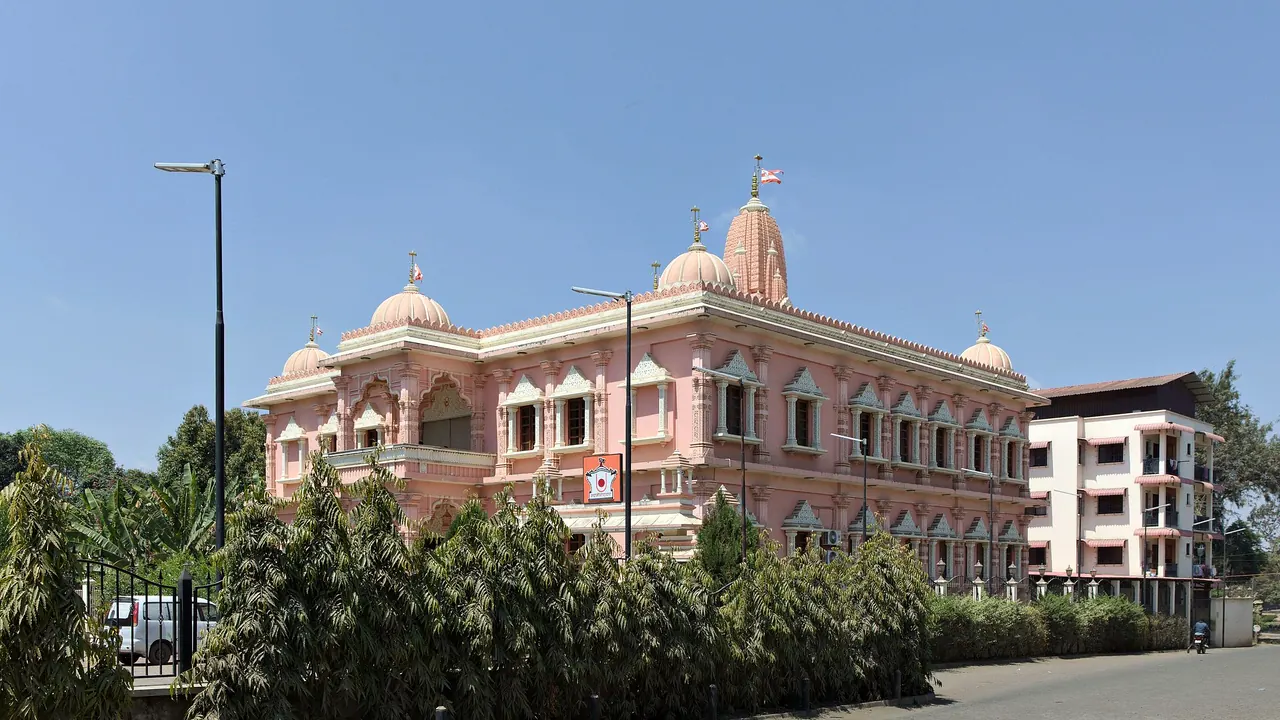
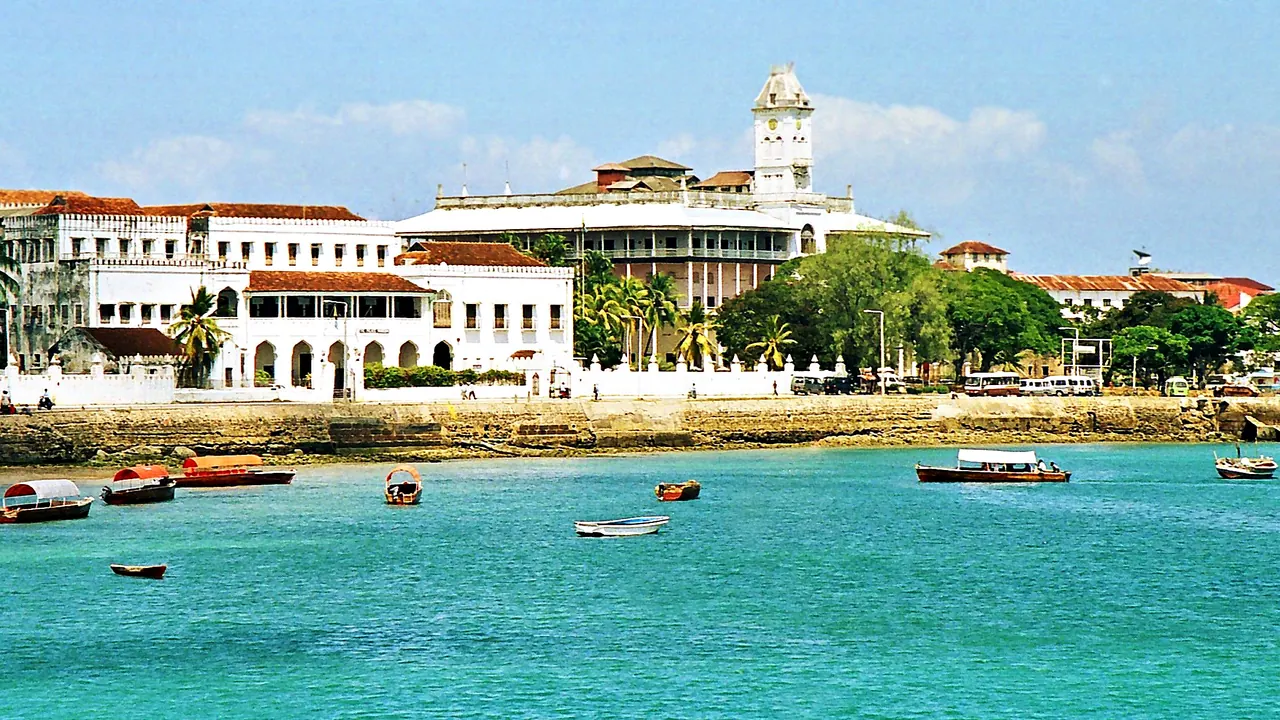
Photos: Arusha by Harald Ulver, CC BY-SA 4.0, cropped; Stone Town by Dr. Ondřej Havelka (cestovatel), CC BY 4.0, cropped.
Arusha or Stone Town?
Our verdict in twelve categories, each scored against the same fixed benchmark cities, and the climate month by month, so you can choose for your trip.
Choose Arusha for
- nature and the outdoors
- nightlife
- families
Arusha is the base for a trip built around wildlife and mountains. Arusha National Park, the climb up Meru, the Kilimanjaro gates and the long circuits to Tarangire, Ngorongoro and the Serengeti all start here. The town is a place to sleep and stock up rather than one to explore, so it suits travellers who are happy with dawn starts, long days in a safari vehicle and quiet evenings at a lodge.
Choose Stone Town for
- beaches
- culture and sights
- food and drink
If you want a town that rewards walking, with the sea close by, Stone Town is the better choice. Its coral-stone lanes, carved doors and sultans' buildings fill a couple of days. The Forodhani grill market turns dinner into an outing, and sandbanks and reefs are a short boat ride away. It is where you slow down and swim after a safari, not where you go to see big animals.
Scoreboard
Twelve categories on one fixed scale from 0 to 100. The shaded stretch is the gap between the two.
Your match
Pick a travel style or drag the sliders, and both match scores follow your weighting.
Wins on nature and the outdoors and nightlife with your weighting.
Wins on beaches and culture and sights with your weighting.
What matters to you?
Category by category
What the scores mean for a trip.
Beaches & swimming
Arusha is far inland and has no beaches. The nearest place to swim outdoors is the spring-fed pool at Chemka, about an hour and a half away by road, and otherwise you swim in your lodge pool.
Stone Town's own waterfront is for dhows and jetties, not for lying on a towel. But the Nakupenda sandbank and the islets of Changuu and Bawe are a short boat ride out, with white sand and warm, clear water. The long beaches Zanzibar is known for, Nungwi and Kendwa in the north and Paje and Jambiani on the east coast, are an hour or more by road, which is why so many people end a safari here.
Food & drink
Stone Town eats much better. Its Swahili cooking is shaped by Omani and Indian trade: clove-scented pilau and biryani, coconut fish curry, urojo soup in the morning, and the evening grill stalls in the Forodhani Gardens with lobster and Zanzibar pizza. Alcohol is mostly limited to hotels and places aimed at visitors.
Arusha's food is plainer and built around charcoal: nyama choma with ugali, chipsi mayai from roadside stalls, and mishkaki skewers on street corners. Its best food experience is touring a coffee farm on the slopes of Meru. Most safari visitors end up eating buffet dinners at their lodge.
Culture & sights
In Arusha you can see the main sights in a morning: the Natural History Museum in the old German boma, the museum on Nyerere's Arusha Declaration, and the craft galleries on the edge of town. Its cultural interest lies mostly in the Maasai and Meru villages outside town.
Stone Town's whole old town is the attraction. You can spend hours in the coral-stone lanes between Shangani and Darajani looking at the brass-studded doors, then visit the Old Fort, the Palace Museum, the Hamamni baths and the Anglican cathedral with its memorial to the slave trade. The museums are small, but it is a good two days.
Nightlife
Neither place is for a big night out, but the evenings are different. Arusha has local bars serving Kilimanjaro and Safari lager with grilled meat, and a few clubs play Bongo Flava and Afrobeats at weekends, mostly to residents and volunteers. Take a taxi between them after dark.
Stone Town's evening is sunset drinks on a hotel terrace or rooftop, then dinner at the night market, and the conservative lanes go quiet early. Anyone who wants a party goes up the coast to Nungwi or Kendwa.
Nature & outdoors
This is Arusha's great strength. Arusha National Park is under an hour away, with giraffe, colobus monkeys and flamingos on the Momella Lakes, and you can explore it on foot or by canoe. Meru offers a three or four day climb, Kilimanjaro's gates are about two hours east, and Tarangire, Lake Manyara, Ngorongoro and the Serengeti are all within reach.
Stone Town's outdoors is the sea and one forest. There is snorkelling and diving around the islets, dhow sailing at sunset, dolphin trips from Kizimkazi and the reef at Mnemba. Jozani Forest has the rare red colobus monkey. The island is flat and hot, so there is little for walkers.
Day trips
If you leave out the parks, Stone Town has the better half-day outings. You can tour a spice farm among the clove and nutmeg, see the giant tortoises on Prison Island, visit the ruined palaces at Maruhubi and Mtoni, and go up the coast to the Mangapwani slave chambers. They are all on the same island and none takes long.
From Arusha, the choices outside the safari circuit are Moshi under Kilimanjaro, the market village of Mto wa Mbu, and community visits to Maasai bomas. Olduvai Gorge is usually seen on the way to the Serengeti rather than as a separate day out.
Good for families
Both work for children with some planning, and both need malaria precautions and care with food and water. Arusha's appeal is seeing elephants and giraffes from a safari vehicle, and it suits school-age children best, because some operators set minimum ages and the drives are long and bumpy.
Stone Town's highlights are shorter: the tortoises on Changuu, boat trips to the sandbanks, the monkeys in Jozani and the Forodhani food stalls. The narrow, uneven lanes are no good for pushchairs, and families tend to relax once they move to a beach hotel.
Getting around
Stone Town is far easier on foot. You can cross the old town in about twenty minutes, and getting lost in the lanes is part of the fun, although touts offering to guide you are persistent. To reach the beaches or Jozani you need a taxi or a hired driver.
In Arusha, walking is hard work because of broken pavements and heavy traffic, and newcomers find the dala-dalas and boda-bodas difficult. In practice you use taxis in town, and your safari vehicle and driver-guide come with the tour.
Shopping & style
The two are equal for shopping and sell many of the same crafts, including Tingatinga paintings and Maasai beadwork. Arusha is the main craft market town of the north, with curio stalls for bargaining, fixed-price galleries for finer Makonde carving, and dealers in tanzanite, which is mined nearby.
Stone Town's best buys are spices: cloves, vanilla and cardamom from the Darajani market. Around Gizenga Street you will find kanga cloth and small carved Zanzibar chests, and a few boutiques sell natural soaps and better textiles.
Affordability
Stone Town is cheaper for a typical stay, although both are cheap at street level and charge more wherever they cater to visitors. In Stone Town the extra spending goes on boutique hotels, rooftop dinners, alcohol and sandbank or spice tours, and you agree taxi fares before you set off.
In Arusha, a local life of street grills and guesthouses costs very little. But the reason for coming, with park fees, safari vehicles, mountain climbs and outlying lodges, is charged at international prices, so a vacation planned from here soon gets expensive.
Live music & performing arts
Stone Town has its own music, taarab, which sets Swahili poetry to violins, qanun and oud. You can hear it at the long-established music clubs and at the academy on the waterfront, and the Sauti za Busara festival and the Zanzibar International Film Festival fill the town for a few weeks each year.
Arusha has nothing comparable. Visitors see Maasai jumping dances at cultural villages and lodges, and a few bars have weekend bands, but neither place has theatre or a concert season.
Wellness & relaxation
Neither has a living bathing tradition, and both centres can be tiring. The difference is the kind of calm. Arusha's is green and cool: spas and quiet lawns at lodges on coffee estates towards Usa River, with views of Meru and cool highland evenings.
Stone Town's calm comes from its slow pace in the heat: long afternoons on a shaded rooftop and spa treatments with clove and coconut oil in restored merchant houses. For real rest, most visitors move on to the coast.
When should you go?
Pick your month. The climate figures are measured averages, not a forecast.
Arusha in July
Stone Town in July
Daytime high, °C
Rainfall in the month, mm
Where the figures come from
Arusha has no weather station within reach, so its figures come from a gridded climate model rather than a measured record, and read a broad area rather than the city itself.
Stone Town's temperatures are measured 78 km from the centre, at Dar Es Salaam Airport.
Stone Town has no rain gauge within 25 km of the centre, so its rainfall comes from a gridded climate dataset read at the city rather than from a gauge further away.
Temperature and rainfall are climate normals, averaged over the years shown. Arusha: 2001-2020 normals, NASA POWER reanalysis grid, no weather station within 90 km. Stone Town: 1991-2020 normals, Dar Es Salaam Airport (78 km from centre).
Arusha is at its best from June to September, when the rain almost stops and the highland air keeps days comfortable for walking and game viewing. Highs climb from about 25°C in June to 29°C by September. Showers return in October, and the short rains of November and December make those the next wettest months. January and February are warm and only moderately wet, March gets wetter, and April is the wettest month of the year, with about 147mm, turning park tracks to mud. In May the rain eases and the days begin to cool.
Stone Town follows the same broad pattern but is hotter all year, reaching about 33°C from December to March, when walking the lanes at midday is hard work. Its rains are much heavier than Arusha's: April is a true washout, May stays very wet, and March and November to December are wet too. June to September is dry and sunny, and October is the sunniest month of all even as the first showers come back. January and February are hot but fairly dry. The sea never drops below about 26°C, so swimming is good in any month.
Which traveller are you?
For a beach and sun trip, Stone Town wins easily. Sandbanks and offshore islets with clear, warm water are a short boat ride away, and the famous beaches of Nungwi and Paje are an hour or so by road. Arusha has no sea at all.
On a culture and arts trip, Stone Town gives you a UNESCO-listed old town, the sultans' palace, the cathedral built on the old slave market, and taarab music. Arusha's sights take half a day, and its culture comes mostly from village visits outside town.
For an outdoors trip, Arusha is the clear choice. It has walking safaris and canoeing in its own national park, a crater-rim climb on Meru, and easy access to Kilimanjaro, Tarangire and the Serengeti. Stone Town has snorkelling, dhow sailing and Jozani Forest, but nothing on that scale.
Before you go
| Measure | Arusha | Stone Town |
|---|---|---|
| Official language | English, Swahili | English, Swahili |
| Currency | Tanzanian Shilling (TZS) | Tanzanian Shilling (TZS) |
| Sockets | G230 V, 50 Hz | G230 V, 50 Hz |
| Driving side | Left | Left |
| Time zone | UTC+3 | UTC+3 |
| Emergency number | Police 112, ambulance 115, fire 114 | Police 112, ambulance 115, fire 114 |
| Elevation | 1,387 m | 15 m |
| Main airport | Kilimanjaro International Airport (JRO)44 km from centre14 non-stop destinations | Abeid Amani Karume International Airport (ZNZ)7 km from centre40 non-stop destinations |
| Public holidays this year | 13 days | 13 days |
By the numbers
| Measure | Arusha | Stone Town |
|---|---|---|
| City population | 416,442 | - |
| People per km² | 262 | - |
| Museums within 10 km | 0 | 2 |
| UNESCO World Heritage sites within 50 km | 0 | 1 |
| Swim season, months above 21 °C | - | 12 months |
Where else could you go?
Every comparison below shares a destination with this one, so you can follow Arusha or Stone Town somewhere new.
- Nairobivs Arusha
- Mombasavs Stone Town
- Mombasavs Arusha
- Nairobivs Stone Town
- Kigalivs Arusha
- Addis Ababavs Arusha