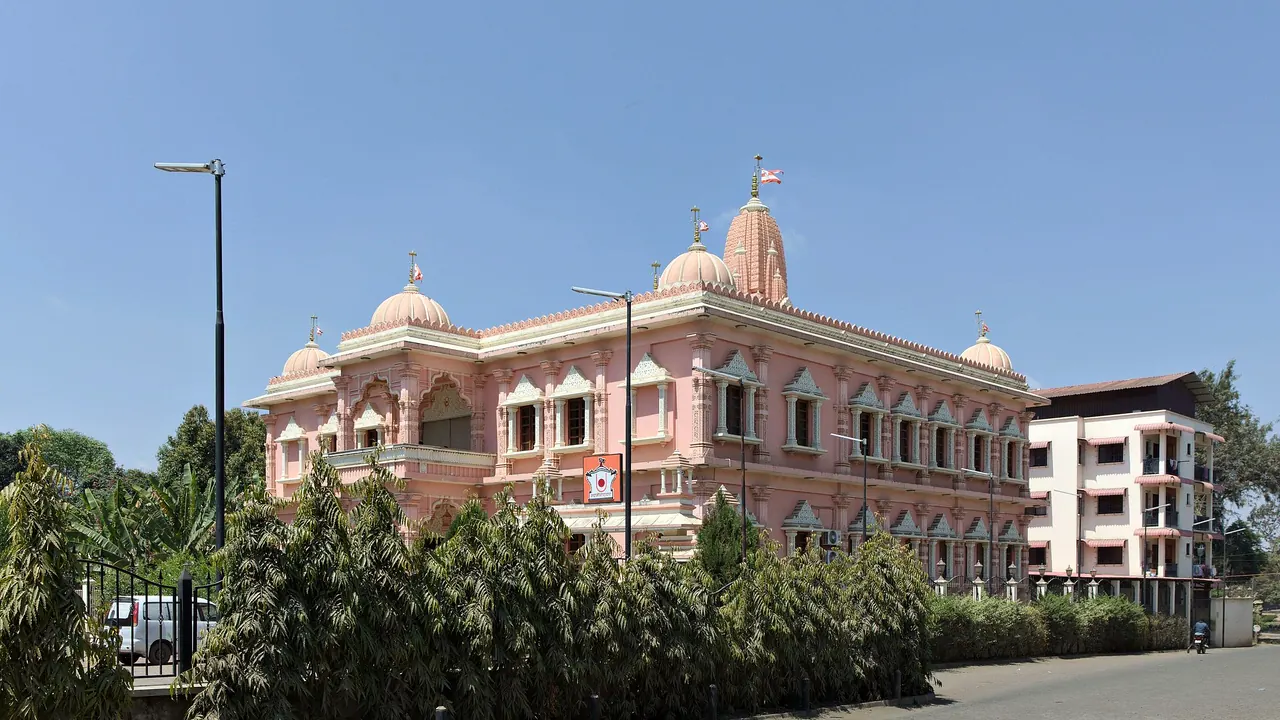
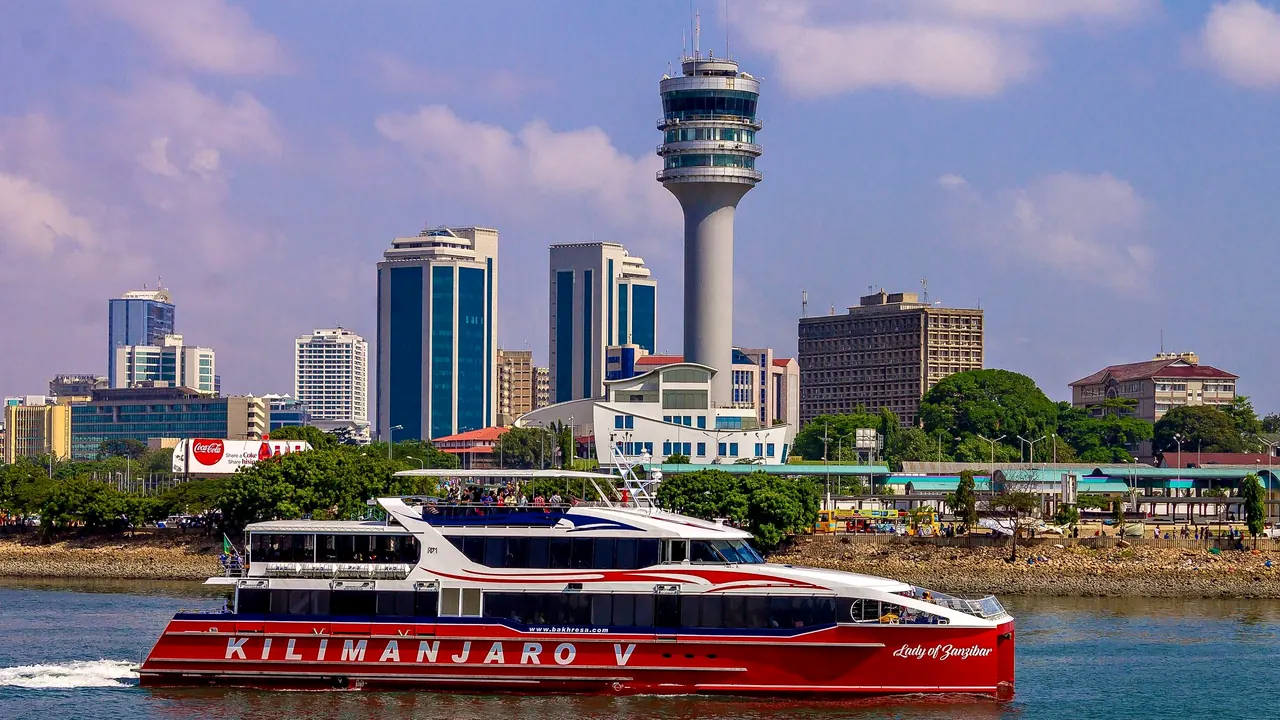
Photos: Arusha by Harald Ulver, CC BY-SA 4.0, cropped; Dar es Salaam by Dicksonpicha, CC BY-SA 4.0, cropped.
Arusha or Dar es Salaam?
Our verdict in twelve categories, each scored against the same fixed benchmark cities, and the climate month by month, so you can choose for your trip.
Choose Arusha for
- nature and the outdoors
- wellness
- families
Arusha is the choice when the trip is about wildlife and mountains. Arusha National Park lies under an hour away, Tarangire and Lake Manyara about two, and Meru and Kilimanjaro are both climbed from here. The town works as a base you leave at dawn and come back to for quiet evenings at a lodge among the coffee estates. Don't expect much to do in town itself.
Choose Dar es Salaam for
- beaches
- day trips
- food and drink
Travellers who want the coast, a wider choice of food and more to do after dark will do better in Dar es Salaam. It offers white sand on Bongoyo and Mbudya, snorkelling around the marine reserve islands, Swahili and Indian cooking, weekend live music and a fast ferry to Stone Town on Zanzibar. That makes it the better place for several days of mixed city and sea, though the great game parks are a flight away.
Scoreboard
Twelve categories on one fixed scale from 0 to 100. The shaded stretch is the gap between the two.
Your match
Pick a travel style or drag the sliders, and both match scores follow your weighting.
Wins on nature and the outdoors and wellness with your weighting.
Wins on beaches and day trips with your weighting.
What matters to you?
Category by category
What the scores mean for a trip.
Beaches & swimming
There is no real contest here. Arusha is a highland town far inland. The nearest thing to a swim is the warm spring-fed pool at Chemka, about an hour and a half by road, or the pool at your lodge.
Dar es Salaam sits on a warm Indian Ocean, though the city's own Coco Beach is for strolling rather than swimming. The good beaches are half an hour away by boat on Bongoyo and Mbudya, or along the Kigamboni and Kunduchi coasts. The large tides decide when you can swim.
Food & drink
Both cities share the same grill culture of nyama choma, mishkaki and chipsi mayai, but Dar es Salaam has far more besides. The coast brings coconut curries, octopus and grilled fish, and the Indian community in Upanga and around Kariakoo adds biryani, bhajia and sweet shops. At the Kivukoni fish market the morning catch is fried on the spot.
Arusha's choice is much narrower, and most safari visitors eat at their lodge. What it offers that Dar es Salaam cannot is the coffee farms on Meru's lower slopes, where you can drink Arabica where it is grown.
Culture & sights
Neither is a city of sights, but Dar es Salaam has a little more to see. The National Museum holds fossil finds from Olduvai Gorge, the Village Museum gathers traditional houses from across Tanzania, and a walk near the harbour takes in German-era churches and colonial buildings. A day or two is enough.
Arusha's museum in the old German boma and the Arusha Declaration Museum fill half a day. Its cultural interest lies mostly in Maasai and Meru village visits outside town.
Nightlife
Dar es Salaam has the fuller night out. Expatriates fill the beach lounges of Masaki and Oyster Bay, while the beer gardens and clubs of Sinza and Mwenge stay open into the early hours on Fridays and Saturdays. The venues are far apart, so every move is by taxi.
Arusha has local bars and a few clubs at weekends, but safaris leave at dawn, so most visitors are in bed early at their lodge.
Nature & outdoors
Nature is Arusha's great strength. Mount Meru rises over the town, and Arusha National Park, with its giraffe, colobus monkeys and flamingos on the Momella Lakes, is under an hour away. Tarangire, Lake Manyara and the Kilimanjaro gates are about two hours off, and walking safaris and canoe trips in the park are rare in Tanzania.
Dar es Salaam's outdoors is mostly at sea: snorkelling and diving around the marine reserve islands, dhow trips past the mangroves and kitesurfing on the northern beaches. On land there is little beyond the Pugu Hills, and a safari means a flight.
Day trips
Dar es Salaam has the better day trips beyond the city. Stone Town on Zanzibar is about two hours by fast ferry. Bagamoyo, the old end of the caravan route with its fort and mission buildings and the Kaole ruins nearby, is about two hours by road.
Set the parks aside and Arusha has less: the town of Moshi under Kilimanjaro, the market village of Mto wa Mbu and community visits to Maasai bomas and Meru villages.
Good for families
Neither city is built for children, and both call for malaria prevention and care with food and water. The difference is what a family comes for. Around Arusha it is the safari: elephants and giraffes seen from the vehicle, and lodges with gardens and pools. Some operators set minimum ages, though, and the long, bumpy drives suit school-age children best.
In Dar es Salaam the draw is water. There are boat trips to the islands, resort pools on Kigamboni and the northern beaches, and a water park north of the city. Against that, the heat and traffic make getting about tiring.
Getting around
In Arusha, getting around mostly takes care of itself, because every park visit is made in a safari vehicle with a driver-guide. The town centre around the clock tower and the market is small, but the pavements are broken and the traffic is heavy, so walking is hard going. Dala-dalas and boda-bodas are difficult for a newcomer, so visitors use taxis and lodge transfers.
Dar es Salaam spreads much wider but is easier to manage on your own. The bus rapid transit runs quickly in its own lanes, though mostly on commuter routes, and ride-hailing covers the long distances between Masaki, the beaches and the museums. The old centre by the harbour is walkable, but traffic sets the pace everywhere else, so allow far more time than the map suggests.
Shopping & style
Both are places for crafts rather than fashion, and the difference is in kind. Arusha is the curio market of northern Tanzania. It sells Maasai beadwork and the red shuka blankets, has fixed-price galleries on the edge of town, and has tanzanite dealers, since the gem is mined only in the nearby hills.
Dar es Salaam has Kariakoo, East Africa's great trading market, which is better for watching than buying. It also has the carvers' workshops at Mwenge, Tingatinga studios in the city where the style was born, and kanga and kitenge cloth that is cheap to have tailored.
Affordability
Both cities are cheap at street level and expensive once you pay for visitor comfort, but Dar es Salaam goes further on a modest budget. A mid-range traveller who eats locally and uses ride-hailing gets good value there, though beach resorts and island boat trips cost more.
In Arusha the expense is the reason you came. Park fees, safari vehicles, mountain climbs and lodges all charge international prices, so a typical trip from here is not cheap, however little daily life in town costs.
Live music & performing arts
Dar es Salaam is the home of bongo flava and of the coast's dance bands and taarab. On weekends there is live music in bars and open-air venues, and cultural centres hold concerts and traditional dance, so a visitor can find something, even if the programme is irregular.
Arusha has almost nothing formal. Visitors see Maasai jumping dances at cultural villages and lodge evenings, and the occasional band in a bar at weekends.
Wellness & relaxation
For a day of rest between a safari and a climb, Arusha has the edge. Lodges on the coffee estates towards Usa River and on Meru's lower slopes have spas, quiet lawns and mountain views, and the cool highland evenings make a welcome change from the loud town centre.
Dar es Salaam is hot, humid and loud, and has no spa tradition of its own. Relaxing there means a hotel spa in Masaki or a few slow days on the Kigamboni coast, and many visitors save their rest for Zanzibar.
When should you go?
Pick your month. The climate figures are measured averages, not a forecast.
Arusha in July
Dar es Salaam in July
Daytime high, °C
Rainfall in the month, mm
Where the figures come from
Arusha has no weather station within reach, so its figures come from a gridded climate model rather than a measured record, and read a broad area rather than the city itself.
Temperature and rainfall are climate normals, averaged over the years shown. Arusha: 2001-2020 normals, NASA POWER reanalysis grid, no weather station within 90 km. Dar es Salaam: 1991-2020 normals, Dar Es Salaam Airport (10.5 km from centre).
Arusha's altitude keeps it milder. Daytime highs stay between about 25°C and 31°C all year, and the coolest months, June to September, are also the driest. That makes them the best time for game drives, climbs and walking around town. The long rains come in April and May, and a second wet spell runs from November into December.
Dar es Salaam has the same rainy seasons, but they are heavier and hotter. Highs rarely drop below 30°C, and April is the wettest month at about 266mm, as well as the least sunny. June to October is the dry season and the best time for the beach, and August to October is the sunniest stretch. January and February are hotter but still fairly dry. The sea never falls below about 25°C, so swimming works in every month.
Which traveller are you?
For a beach and sun trip, Dar es Salaam is the clear pick. Boats reach the white sand of Bongoyo and Mbudya in about half an hour, Kigamboni has long beaches lined with palms, and the sea is warm all year. Arusha has no coast at all.
On an outdoors trip, Arusha wins easily. You can walk and canoe in Arusha National Park, see Tarangire's elephants, climb along Meru's crater rim and reach the Kilimanjaro gates, all close by. Dar es Salaam's outdoors means snorkelling, dhow sailing and kitesurfing instead.
For a food and nightlife trip, Dar es Salaam has far more range. There are Swahili street grills, Indian biryani in Upanga, fish fried at the Kivukoni market and clubs in Sinza and Mwenge that stay open late at weekends. Arusha eats simply and goes to bed early, ready for dawn game drives.
Before you go
| Measure | Arusha | Dar es Salaam |
|---|---|---|
| Official language | English, Swahili | English, Swahili |
| Currency | Tanzanian Shilling (TZS) | Tanzanian Shilling (TZS) |
| Sockets | G230 V, 50 Hz | G230 V, 50 Hz |
| Driving side | Left | Left |
| Time zone | UTC+3 | UTC+3 |
| Emergency number | Police 112, ambulance 115, fire 114 | Police 112, ambulance 115, fire 114 |
| Elevation | 1,387 m | 12 m |
| Main airport | Kilimanjaro International Airport (JRO)44 km from centre14 non-stop destinations | Julius Nyerere International Airport (DAR)10 km from centre39 non-stop destinations |
| Public holidays this year | 13 days | 13 days |
By the numbers
| Measure | Arusha | Dar es Salaam |
|---|---|---|
| City population | 416,442 | 4,715,000 |
| People per km² | 262 | 3,385 |
| Museums within 10 km | 0 | 3 |
| UNESCO World Heritage sites within 50 km | 0 | 0 |
| Swim season, months above 21 °C | - | 12 months |
Where else could you go?
Every comparison below shares a destination with this one, so you can follow Arusha or Dar es Salaam somewhere new.
- Stone Townvs Dar es Salaam
- Nairobivs Arusha
- Mombasavs Dar es Salaam
- Mombasavs Arusha
- Stone Townvs Arusha
- Nairobivs Dar es Salaam