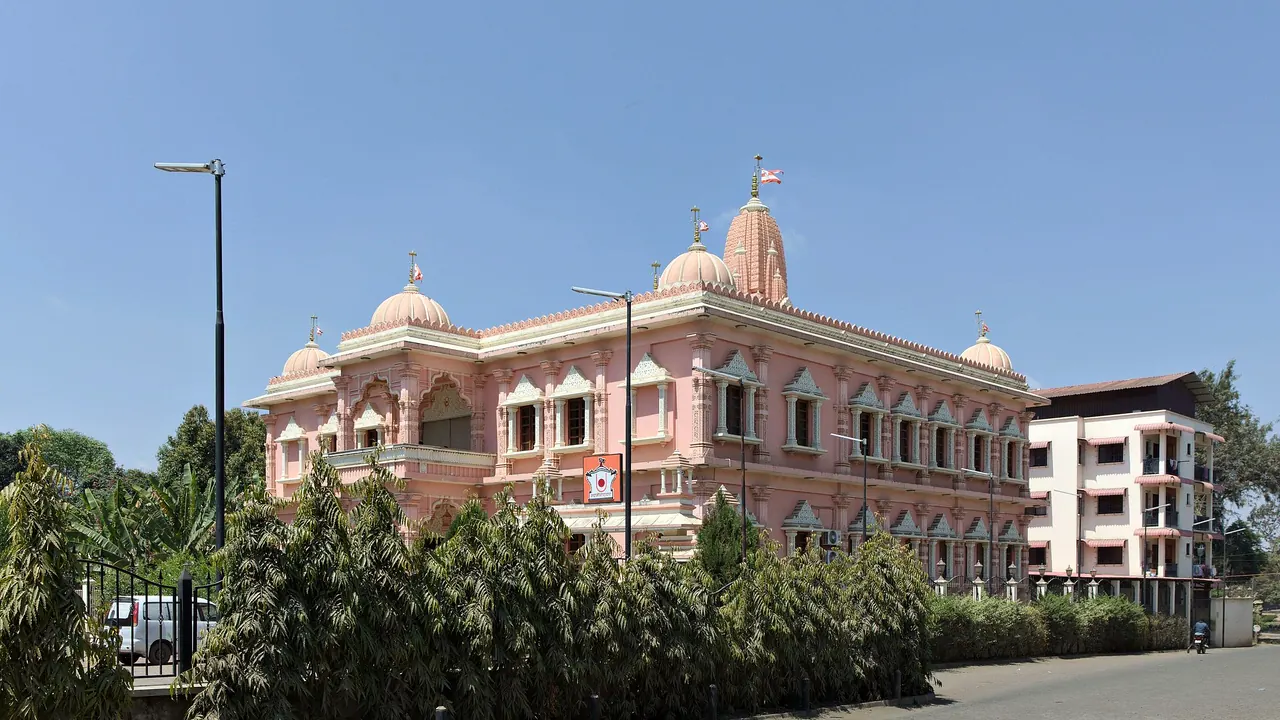
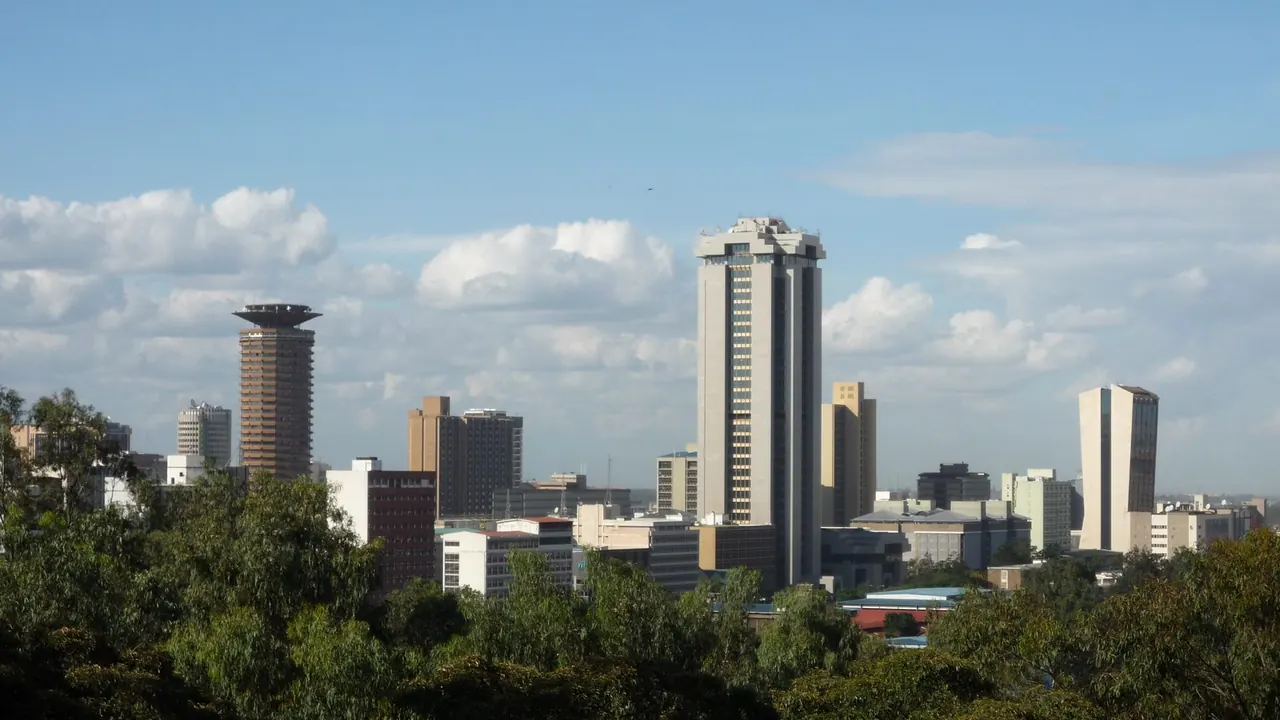
Photos: Arusha by Harald Ulver, CC BY-SA 4.0, cropped; Nairobi by Lmwangi, CC BY-SA 3.0, cropped.
Arusha or Nairobi?
Our verdict in twelve categories, each scored against the same fixed benchmark cities, and the climate month by month, so you can choose for your trip.
Choose Arusha for
- wellness
- nature and the outdoors
- beaches
Arusha suits travellers whose vacation is really about the parks and the mountains. It is the natural base for the northern Tanzania circuit, with Tarangire, Lake Manyara, Ngorongoro and the Serengeti ahead of you and Meru and Kilimanjaro close by. Its garden and coffee-estate lodges are good places to rest between drives or climbs. Expect early nights and little to do in the town itself.
Choose Nairobi for
- nightlife
- live music and the arts
- families
Choose Nairobi if you want a real city around your wildlife. Lions and giraffes live on its southern edge, and the Giraffe Centre and the elephant orphanage make it far easier with children. Westlands gives you a proper night out, and the food, the national museum and the live music fill the evenings. The cost is heavy traffic and long drives between suburbs.
Scoreboard
Twelve categories on one fixed scale from 0 to 100. The shaded stretch is the gap between the two.
Your match
Pick a travel style or drag the sliders, and both match scores follow your weighting.
Wins on wellness and nature and the outdoors with your weighting.
Wins on nightlife and live music and the arts with your weighting.
What matters to you?
Category by category
What the scores mean for a trip.
Beaches & swimming
Neither city is near the sea, so beaches give you no reason to pick one over the other. Arusha at least has the spring-fed pool at Chemka, a warm, clear swim among fig trees about an hour and a half away. In Nairobi, swimming means a hotel or club pool. Travellers who want sand go on from both: to Zanzibar after a Tanzanian safari, or to the Kenyan coast before or after Nairobi.
Food & drink
Both cities eat nyama choma with ugali and kachumbari, but Nairobi gives it far more company. Its long-settled South Asian community has made Indian food a real strength. Ethiopian places are easy to find, Swahili dishes come up from the coast, and Westlands, Kilimani and Karen have a large café scene.
Arusha's choice is narrower: chipsi mayai at roadside stalls, mishkaki skewers in the evening, and the produce of Meru's slopes at the Central Market. Its best food outing is a tour of an Arabica coffee farm, and most visitors eat buffet dinners at their lodge.
Culture & sights
Neither is a sightseeing city, but Nairobi has more to see. Its National Museum, with Kenyan history galleries and famous early human fossils, beats anything in Arusha. The Karen Blixen farmhouse and the Railway Museum fill a day or two.
Arusha's sights take half a day: the Natural History Museum in the old German boma, the Arusha Declaration Museum and the craft galleries. Its real cultural interest lies outside town, in visits to Maasai and Meru villages.
Nightlife
Nairobi is far ahead here. From Thursday onwards, the rooftop bars and clubs of Westlands play Afrobeats and amapiano until dawn. Kilimani has quieter cocktail and wine bars, and the local pubs fill up with football crowds around the grill. You get between them by ride-hailing car.
Arusha has a few local bars and some weekend clubs, mostly full of residents and volunteers. Safaris leave at dawn, though, and most visitors are in bed soon after dinner.
Nature & outdoors
Both are excellent bases for wildlife, and the difference is in kind. Nairobi National Park sets lions and rhinos against office towers on the edge of the city. Within two hours you can cycle among zebras in Hell's Gate gorge or take a boat among the hippos on Lake Naivasha.
Arusha is the starting point for longer journeys. You can take walking and canoe safaris in Arusha National Park, reach Tarangire's elephants and Lake Manyara in about two hours, and set out on multi-day circuits to Ngorongoro and the Serengeti. Meru and Kilimanjaro are close by to climb.
Day trips
Beyond the parks, Arusha's main outings are Moshi, a quiet town under Kilimanjaro with coffee co-operatives, and Mto wa Mbu, a market village near Lake Manyara with walks through the banana farms. Community programmes also run visits to Maasai and Meru villages. Olduvai Gorge is usually seen on the road to the Serengeti, not as a day trip from town.
Nairobi has a little more variety. You can spend half a day in the Limuru tea highlands and have lunch overlooking the plantations. At Olorgesailie, an hour and a half south, stone hand axes still lie where early humans left them. Kenya's real heritage towns, Lamu and old Mombasa, are on the coast and too far for a day out.
Good for families
Nairobi is much easier with children. At the Giraffe Centre they can feed giraffes, at the Sheldrick Trust they can watch orphaned elephants, and a short morning game drive gives them real wildlife without a long journey. Staying in Karen or Langata keeps all of this close.
Arusha works better with school-age children. Safari operators set minimum ages, the days in the vehicle are long and bumpy, and the town has little for children beyond a reptile park. You also need to plan for malaria prevention.
Getting around
Both cities are hard to get around without a car, but for different reasons. In Arusha the centre around the clock tower is compact, and once you leave town your safari vehicle and driver-guide take care of everything.
Nairobi's problem is distance. The Giraffe Centre, the elephant orphanage and Westlands are spread across suburbs joined by badly congested roads, so you need ride-hailing cars and patience. Nairobi's matatus and Arusha's dala-dalas are both cheap but hard for a newcomer to use.
Shopping & style
Both are places for crafts rather than fashion, and neither has boutique streets. Arusha's specialities are Makonde carving, Tinga Tinga paintings, red Maasai shukas, and tanzanite, which is mined only in the hills near Kilimanjaro airport.
In Nairobi, the Maasai Market moves between sites through the week. The workshops in Karen let you watch glass-blowing and weaving, and the malls in Westlands cover everyday needs. Coffee makes a good gift from either city.
Affordability
Almost every reason to go to Arusha comes with safari costs: park entry fees, a vehicle with a driver-guide, the lodges outside town and, for climbers, the price of Meru or Kilimanjaro. The town's street grills, dala-dalas and simple guesthouses cost very little, but few visitors spend much time there.
In Nairobi you can see lions without leaving the city, so one game drive in its own park can replace a longer and more expensive trip. Ride-hailing, coffee and roadside nyama choma are cheap. Non-resident park fees and the secure hotels in Westlands and Karen still keep it from being a budget city.
Live music & performing arts
Nairobi has a real scene. Bands play benga, rumba and jazz in clubs and garden venues at weekends, Bomas of Kenya stages the traditional dances of the country's many communities, and the Kenya National Theatre puts on plays in English and Swahili. Arusha has Maasai dances at cultural villages and lodges and a few bars with weekend bands playing Bongo Flava and taarab, with no season to plan around.
Wellness & relaxation
Arusha's quiet is just outside town, in lodges among coffee bushes and gardens towards Usa River and on the lower slopes of Meru. They have spas, massage rooms and lawns that look up at the mountain, which makes them a good place to recover from a climb or a dusty week of game drives.
Nairobi's calmer spots are in the suburbs. Karen and Langata have garden hotels and colonial-style cottages with birdsong and breakfast on the veranda, and the bigger hotels have spas. The traffic is never far away, though, so people who want real rest usually wait until they reach a lodge in the bush or the Kenyan coast.
When should you go?
Pick your month. The climate figures are measured averages, not a forecast.
Arusha in July
Nairobi in July
Daytime high, °C
Rainfall in the month, mm
Where the figures come from
Arusha has no weather station within reach, so its figures come from a gridded climate model rather than a measured record, and read a broad area rather than the city itself.
Temperature and rainfall are climate normals, averaged over the years shown. Arusha: 2001-2020 normals, NASA POWER reanalysis grid, no weather station within 90 km. Nairobi: 1991-2020 normals, Nairobi ACC/FIC/RCC/MET/COM/ (13.3 km from centre).
Both cities sit high enough to stay pleasant all year, and both have two rainy seasons. The long rains peak in April, when Arusha gets around 147mm, and the short rains come back in November and December. June to September is the dry stretch and the best time for game drives and walking in both. Arusha gets only about 9mm of rain in July.
Arusha is the warmer of the two, with afternoons reaching 31°C in February. Nairobi stays milder, rarely above 28°C and down to 24°C in the middle of the year. Nairobi's dry months are also its greyest, and July has the fewest hours of sunshine. That makes January and February its brightest and warmest time to visit. Neither city has a beach season.
Which traveller are you?
For a food and nightlife trip, Nairobi is the clear choice. Westlands keeps rooftop bars and clubs going until dawn at weekends, and the city adds strong Indian and Ethiopian cooking and a large café scene. In Arusha, most evenings end early at the lodge.
On a family trip with children, Nairobi makes wildlife easy. Children can feed giraffes in Langata, watch baby elephants being bottle-fed and see lions on a short morning drive. Arusha's safaris mean long, bumpy days that suit older children better.
For climbers heading for Kilimanjaro, Arusha is the place to stay. The mountain's gates are about two hours away. Mount Meru, right above the town, is a three or four day climb along a crater rim and the usual acclimatisation trek beforehand.
Before you go
| Measure | Arusha | Nairobi |
|---|---|---|
| Official language | English, Swahili | English, Swahili |
| Currency | Tanzanian Shilling (TZS) | Kenyan Shilling (KES) |
| Sockets | G230 V, 50 Hz | G240 V, 50 Hz |
| Driving side | Left | Left |
| Time zone | UTC+3 | UTC+3 |
| Emergency number | Police 112, ambulance 115, fire 114 | Police 112/999, ambulance 112/999, fire 112/999 |
| Elevation | 1,387 m | 1,661 m |
| Main airport | Kilimanjaro International Airport (JRO)44 km from centre14 non-stop destinations | Jomo Kenyatta International Airport (NBO)13 km from centre60 non-stop destinations |
| Public holidays this year | 13 days | 10 days |
By the numbers
| Measure | Arusha | Nairobi |
|---|---|---|
| City population | 416,442 | 5,545,000 |
| People per km² | 262 | 7,967 |
| Museums within 10 km | 0 | 4 |
| UNESCO World Heritage sites within 50 km | 0 | 0 |
Where else could you go?
Every comparison below shares a destination with this one, so you can follow Arusha or Nairobi somewhere new.
- Mombasavs Arusha
- Mombasavs Nairobi
- Kigalivs Arusha
- Kigalivs Nairobi
- Livingstonevs Arusha
- Victoria Fallsvs Arusha