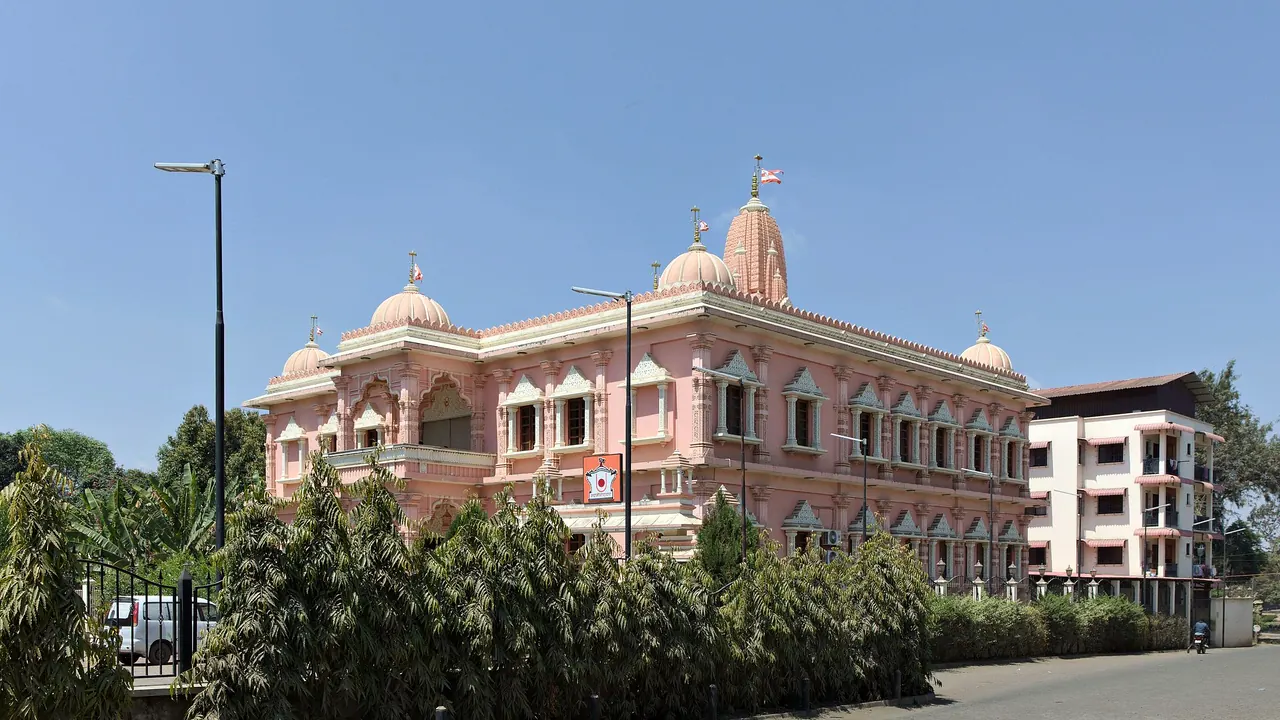
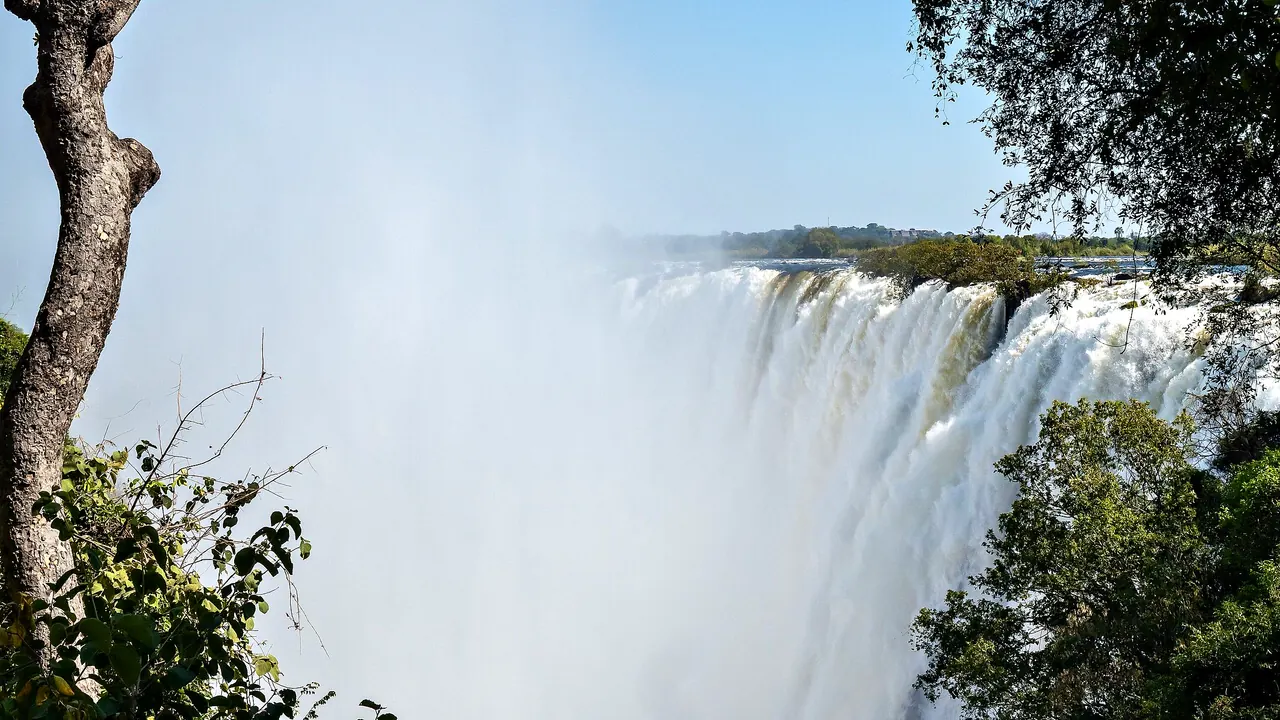
Photos: Arusha by Harald Ulver, CC BY-SA 4.0, cropped; Livingstone by Matti Blume, CC BY-SA 4.0, cropped.
Arusha or Livingstone?
Our verdict in twelve categories, each scored against the same fixed benchmark cities, and the climate month by month, so you can choose for your trip.
Choose Arusha for
- shopping
- food and drink
- nightlife
Arusha suits travellers who want the classic northern Tanzania safari, with Tarangire, Manyara, Ngorongoro and the Serengeti on multi-day circuits, or a climb of Meru or Kilimanjaro. It also has more going on in town: better street food, a weekend club night, and the best craft and tanzanite shopping in the region. It is also somewhat kinder to a tight budget.
Choose Livingstone for
- getting around
- wellness
- culture and sights
Livingstone is the pick if you want one great natural wonder and a lot to do around it. The falls, rafting in the Batoka Gorge, canoeing on the upper Zambezi and a day in Chobe fill a short, active stay. Afterwards a quiet lodge on the river is a calmer place to rest than anything on Arusha's noisy edges, and lodge transfers make getting around simpler.
Scoreboard
Twelve categories on one fixed scale from 0 to 100. The shaded stretch is the gap between the two.
Your match
Pick a travel style or drag the sliders, and both match scores follow your weighting.
Wins on shopping and food and drink with your weighting.
Wins on getting around and wellness with your weighting.
What matters to you?
Category by category
What the scores mean for a trip.
Beaches & swimming
Neither city offers a beach vacation. Both are far inland, so in both your swimming will mostly be in a lodge pool.
The swims each one does offer are very different. Near Arusha it is Chemka, a warm, clear spring among fig trees about an hour and a half's drive away. In Livingstone it is Devil's Pool or Angel's Pool, guided swims on the very edge of the falls, possible only when the river is low.
Food & drink
Arusha has more to eat outside your lodge. Nyama choma with kachumbari and ugali, chipsi mayai at roadside stalls and evening mishkaki skewers give it real street food. The Central Market and the coffee farms on Meru's slopes, where you can drink coffee where it is grown, add to the choice.
Livingstone's food is mostly lodge grills and international dishes. The local food worth trying is nshima with relishes and whole Zambezi bream. Here the setting, a river deck or a sunset cruise, matters more than the cooking.
Culture & sights
Both towns take an afternoon at most. Their history is different. Arusha's is political and post-colonial: a museum in the old German boma and another on Nyerere's 1967 Arusha Declaration. Its strongest cultural experience is a visit to Maasai and Meru villages outside town.
Livingstone's history is colonial and about exploration. The Livingstone Museum holds the explorer's letters, the railway museum has steam locomotives, and veranda-fronted buildings line the main road. The steel arch of the Victoria Falls Bridge is the landmark visitors remember.
Nightlife
Arusha has a proper night out if you want one. Bars serve Kilimanjaro lager with grilled meat, and a few clubs fill with Bongo Flava and Afrobeats at weekends, though mostly with locals, students and volunteers.
Livingstone has no clubs. Evenings mean a sundowner on the river, then perhaps a backpacker hostel bar or a local tavern. Early starts for rafting keep most nights short.
Nature & outdoors
Both are among Africa's great outdoor bases, but they work differently. From Arusha you head out on long journeys: walking and canoe safaris in Arusha National Park, a crater-rim climb of Meru, Kilimanjaro two hours east, and multi-day circuits to Ngorongoro and the Serengeti.
Livingstone has everything close by. The falls are about 10km from town, with rafting, gorge swings and hikes to the Boiling Pot in the Batoka Gorge below. You can also canoe past hippos above the falls, walk to see white rhino, and spend a day in Chobe. Those within easy reach give it the slight edge.
Day trips
Away from the wildlife, there are few towns to visit from either base. From Arusha, the outings stay in Tanzania: Moshi under Kilimanjaro, the market village of Mto wa Mbu near Lake Manyara, and community-run visits to Maasai and Meru villages.
Livingstone's outings cross borders. You walk over the bridge to Victoria Falls town in Zimbabwe, which needs a visa, or drive to Kasane in Botswana. Closer to home there is Mukuni village, whose chief is the traditional custodian of the falls.
Good for families
Neither is easy with toddlers. Both suit older children better, and both need malaria precautions. Arusha works for school-age children who can cope with long, bumpy drives. In town there is a reptile park, but pavements are uneven and traffic is heavy.
Livingstone is better for teenagers, who can enjoy the spray of the falls and boat trips among hippos. Many of its best activities, including rafting and Devil's Pool, have minimum ages, and the heat in October and November is hard on young children.
Getting around
Livingstone is the easier of the two. Activities usually include pick-ups and taxis are plentiful, so getting to the falls and the riverside lodges takes little planning, though walking the roads near the park edges is unwise because of elephants.
In Arusha, the centre around the clock tower is close enough to walk, but pavements are broken and traffic is heavy. Dala-dalas and boda-bodas are hard for newcomers, so you end up depending on taxis, lodge transfers and your safari driver.
Shopping & style
Arusha is the clear choice. It is the craft centre of northern Tanzania, with Maasai beadwork, shukas, Makonde ebony carving and Tinga Tinga paintings in the curio markets. Galleries on the edge of town have finer pieces at fixed prices, and tanzanite dealers sell a gem mined nowhere else. The Central Market is good for coffee and spices.
Livingstone has curio stalls in town and at the falls selling carvings, baskets and copper, plus brightly coloured chitenge cloth, and little else.
Affordability
Both towns have two price levels: cheap local life and international prices for what visitors come to do. Arusha comes out somewhat cheaper. Its guesthouses, street grills and dala-dalas cost very little, although park fees, safari vehicles and climbs are expensive.
In Livingstone, the falls walkways on their own are a modest outing. Costs rise quickly once you add rafting, helicopter flights, Devil's Pool, a Chobe safari and visas for the border crossings.
Live music & performing arts
Neither has a theatre or concert season, so what you see is traditional performance, and the traditions differ. Arusha has Maasai jumping dances at cultural villages and lodges, hotel acrobatic troupes, and weekend bar bands playing Bongo Flava and taarab.
Livingstone's drum and dance troupes sometimes include the masked Makishi dancers. The Lwiindi ceremony of the Toka-Leya is the main event in its traditional calendar.
Wellness & relaxation
Livingstone is the more restful place to stay. A lodge on the upper Zambezi gives you decks over the water and long quiet hours between excursions, provided you avoid the busy adrenaline side of town.
In Arusha the calm is found only on the outskirts, at coffee-estate and garden lodges towards Usa River with spas and views of Meru. Most people use them for a day's rest before or after a safari or a climb rather than as a reason to visit.
When should you go?
Pick your month. The climate figures are measured averages, not a forecast.
Arusha in July
Livingstone in July
Daytime high, °C
Rainfall in the month, mm
Where the figures come from
Arusha has no weather station within reach, so its figures come from a gridded climate model rather than a measured record, and read a broad area rather than the city itself.
Temperature and rainfall are climate normals, averaged over the years shown. Arusha: 2001-2020 normals, NASA POWER reanalysis grid, no weather station within 90 km. Livingstone: 1991-2020 (sunshine 1981-2010) normals, Livingstone (6.5 km from centre).
Arusha has two rainy seasons. The long rains peak in April at around 147mm and turn park tracks to mud, and the short rains return in November and December. The dry months from June to September are the best time to go. June to August is also the coolest stretch, with days around 25°C, which is comfortable for game drives, climbing and walking around town. September stays dry but is noticeably warmer, close to 29°C.
Livingstone has one long dry season. From April to October there is very little rain, and from May to September there is almost none, with plenty of sunshine. The falls are at their fullest from March to May, while the low water later in the year is better for rafting and Devil's Pool. The heat builds before the rains and reaches about 35°C in October, and the wet season peaks in January at around 154mm. The middle of the year suits both towns, but Livingstone stays dry for longer.
Which traveller are you?
For a food and nightlife trip, Arusha is the better choice. It has nyama choma, roadside chipsi mayai and mishkaki grilled on street corners, and clubs play Bongo Flava at weekends. Livingstone's evenings usually end soon after dinner on a lodge deck.
On a shopping trip, choose Arusha. It is northern Tanzania's craft market town, with bargaining in the curio stalls, fixed-price galleries for finer carving, and tanzanite from nearby mines. Livingstone's craft markets and chitenge cloth make a much shorter shopping list.
For a relaxing and wellness trip, Livingstone has the edge. A quiet lodge on the upper Zambezi gives you decks over the water, birdsong at dawn and empty hours between a game walk and a sunset cruise. Arusha's calm is limited to garden lodges outside a noisy town.
Before you go
| Measure | Arusha | Livingstone |
|---|---|---|
| Official language | English, Swahili | English |
| Currency | Tanzanian Shilling (TZS) | Zambian Kwacha (ZMW) |
| Sockets | G230 V, 50 Hz | CG230 V, 50 Hz |
| Driving side | Left | Left |
| Time zone | UTC+3 | UTC+2 |
| Emergency number | Police 112, ambulance 115, fire 114 | 991 or 999 |
| Elevation | 1,387 m | 931 m |
| Main airport | Kilimanjaro International Airport (JRO)44 km from centre14 non-stop destinations | Harry Mwanga Nkumbula International Airport (LVI)6 km from centre6 non-stop destinations |
| Public holidays this year | 13 days | 16 days |
By the numbers
| Measure | Arusha | Livingstone |
|---|---|---|
| City population | 416,442 | 177,393 |
| People per km² | 262 | - |
| Museums within 10 km | 0 | 2 |
| UNESCO World Heritage sites within 50 km | 0 | 1 |
Where else could you go?
Every comparison below shares a destination with this one, so you can follow Arusha or Livingstone somewhere new.
- Victoria Fallsvs Livingstone
- Nairobivs Arusha
- Mombasavs Arusha
- Kigalivs Arusha
- Johannesburgvs Livingstone
- Windhoekvs Livingstone