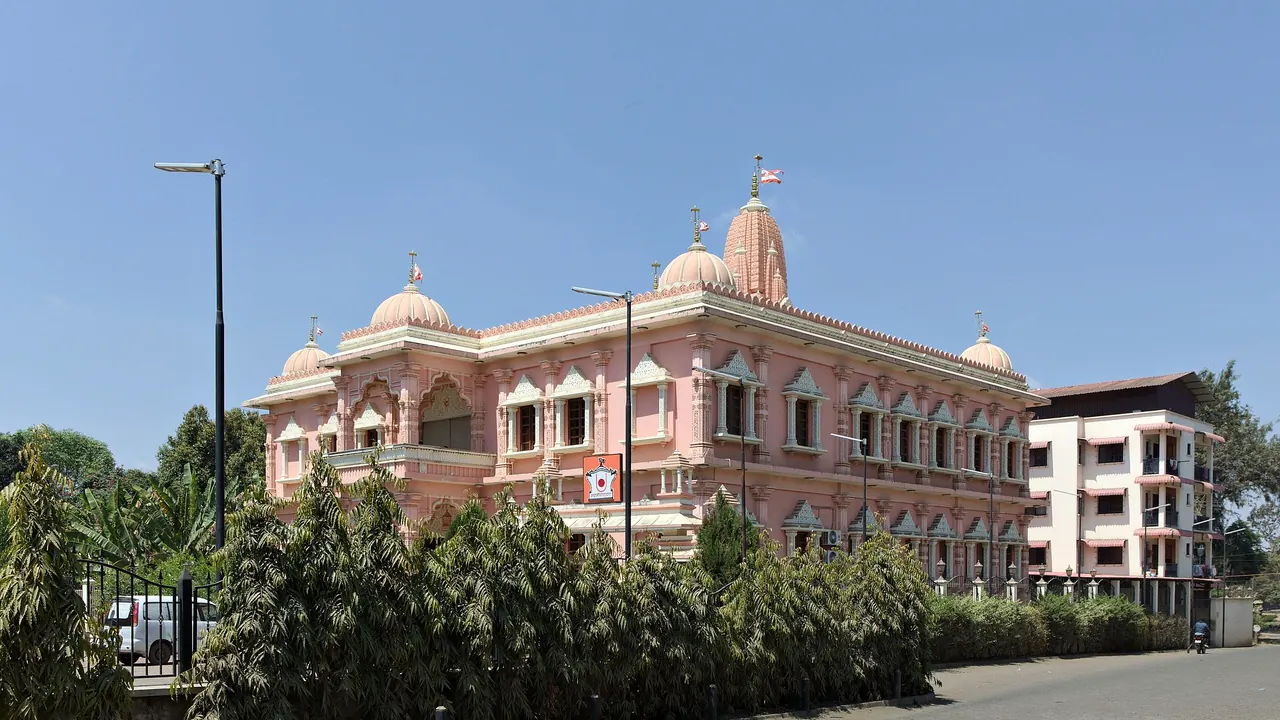
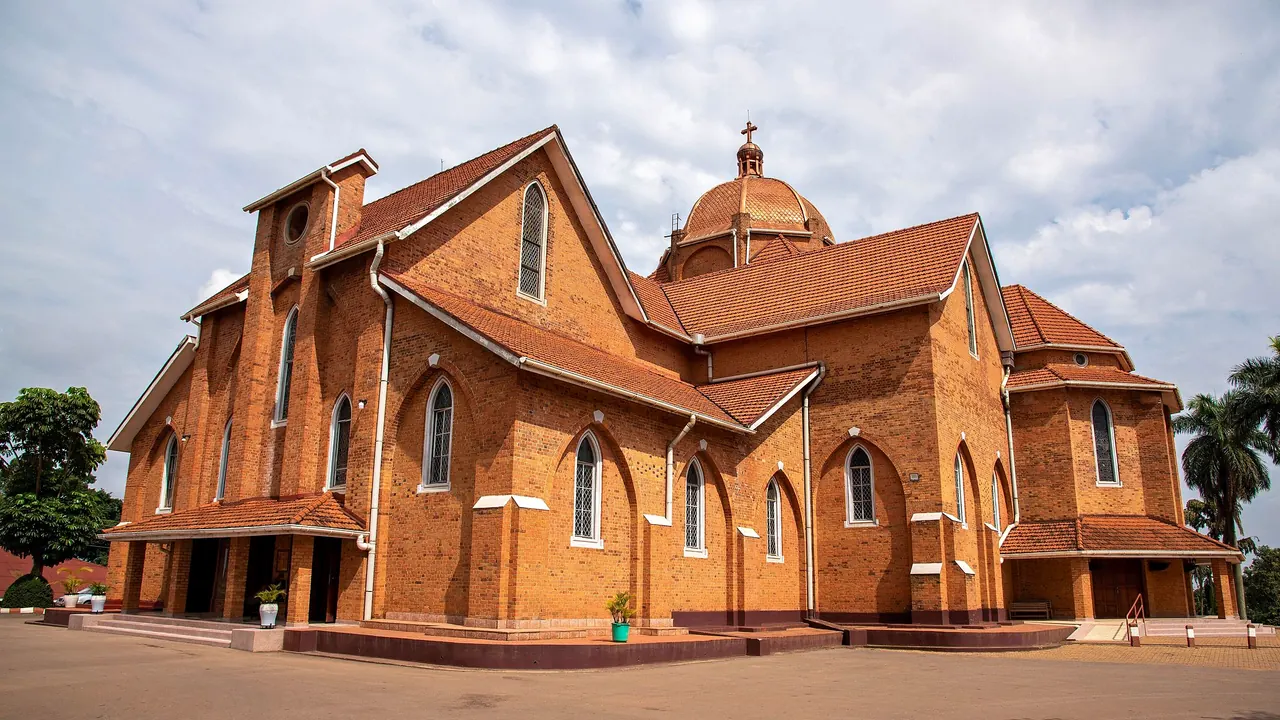
Photos: Arusha by Harald Ulver, CC BY-SA 4.0, cropped; Kampala by Timothy Akolamazima, CC BY-SA 4.0, cropped.
Arusha or Kampala?
Our verdict in twelve categories, each scored against the same fixed benchmark cities, and the climate month by month, so you can choose for your trip.
Choose Arusha for
- nature and the outdoors
- wellness
- families
Arusha is the choice if the trip is really about wildlife and mountains. It sits at the foot of Mount Meru, with Arusha National Park under an hour away, Tarangire and Lake Manyara within a morning's drive, and Kilimanjaro, Ngorongoro and the Serengeti beyond. The town itself is quiet and slight, but the lodges on its green edges make a calm base before or after a safari or a climb, and the whole place is set up for people who leave at dawn.
Choose Kampala for
- nightlife
- live music and the arts
- prices
Kampala suits travellers who want an African capital with a life of its own after dark. Its bars and clubs run late all week, live bands and dance troupes fill the evenings, and the Buganda royal sites and hilltop cathedrals give more to see than Arusha's half-day round. Day to day it is also the cheaper of the two. For wildlife, though, it is a starting point rather than a base, with the gorillas and big parks many hours away.
Scoreboard
Twelve categories on one fixed scale from 0 to 100. The shaded stretch is the gap between the two.
Your match
Pick a travel style or drag the sliders, and both match scores follow your weighting.
Wins on nature and the outdoors and wellness with your weighting.
Wins on nightlife and live music and the arts with your weighting.
What matters to you?
Category by category
What the scores mean for a trip.
Beaches & swimming
Neither city is a beach destination, and both send swimmers to a hotel pool. The difference is in what replaces the sea. From Arusha the best swim is the clear, warm spring at Chemka among fig trees, about an hour and a half away. Kampala has real sandy lakeshores at Entebbe and Ggaba, but bilharzia means they are for sitting with grilled tilapia rather than going in the water.
Food & drink
Kampala gives you more to eat. Matooke, luwombo slow-cooked in banana leaves, roadside rolex and late grilled skewers make a fuller local table, and a long-settled Indian community plus Ethiopian kitchens widen the range. Nakasero Market and cafés serving Ugandan arabica round it out.
Arusha's food is plainer: nyama choma, chipsi mayai and mishkaki on the street, and the Central Market's bananas and spices. Its standout is a coffee farm tour on Meru's slopes. Beyond that, most safari visitors eat buffet dinners at their lodge.
Culture & sights
Kampala has more history to visit. The UNESCO-listed Kasubi Tombs, the royal mile between the Kabaka's palace and the Bulange, and cathedrals and the national mosque crowning separate hills tell the story of the Buganda kingdom and the faiths that came in the nineteenth century. Allow two or three days.
Arusha takes half a day: the Natural History Museum in the old German boma, the museum of the 1967 Arusha Declaration and the craft galleries. Its cultural interest lies mostly in Maasai and Meru village visits outside town.
Nightlife
This is where the two differ most. Kampala is known across East Africa for going out late, with open-fronted bars and dance floors along Kabalagala and Ggaba Road, smarter rooftops in Kololo, and clubs playing dancehall and Congolese rhumba until dawn even on weeknights.
Arusha has local bars and a few weekend clubs playing Bongo Flava, mostly filled with residents and volunteers. Most visitors are up before dawn for a game drive and have gone to bed long before Kampala gets going.
Nature & outdoors
Arusha is the stronger base by a wide margin. Giraffe, buffalo and flamingos are less than an hour away in Arusha National Park, where you can walk or canoe. Meru and Kilimanjaro are there to climb, and Tarangire, Manyara, Ngorongoro and the Serengeti are within range.
Kampala's outdoors is quieter and wetter: boat trips into papyrus channels, shoebills at Mabamba and white-water rafting on the Nile at Jinja. It is excellent for birders, but Uganda's gorillas and savannah parks are many hours away.
Day trips
Kampala has the better ordinary day trips. Entebbe offers botanical gardens, a lakeshore and the boat to the Ngamba Island chimpanzees, and Jinja has its colonial shopfronts and the source of the Nile. Leave early, because the traffic eats time.
From Arusha, once you leave out the parks, the list is short: Moshi under Kilimanjaro, the market village of Mto wa Mbu and community visits to Maasai bomas. Olduvai Gorge is usually seen on the way to the Serengeti rather than as a day out.
Good for families
Arusha has the edge for families with school-age children. Watching elephants and giraffes from a safari vehicle is a real thrill, and lodges with gardens, pools and family rooms make the downtime easy. Long, bumpy drives and minimum ages on some safaris mean it suits older children best.
Kampala is warm towards children but has less built for them: the wildlife education centre and Ngamba chimps at Entebbe, and weekend lakeside spots with playgrounds. Its hills and traffic make it tiring with little ones. Both need malaria precautions.
Getting around
Both are hard work on foot, with broken pavements and heavy traffic, so the difference lies in how you end up travelling. In Arusha your driver-guide does most of the work, since every park visit comes with its own safari vehicle, and the small centre around the clock tower can at least be walked.
Kampala's sights are spread over separate hills, and jams can stretch short hops to an hour. Ride-hailing cars or a car with a driver are the sensible choice. Bodas are quicker but riskier.
Shopping & style
The two are close, and both are about crafts rather than fashion. Arusha has a slight lead as northern Tanzania's craft market town, with Maasai beadwork, shukas, Makonde carving and Tinga Tinga paintings, plus tanzanite, which is mined nowhere else.
Kampala gathers baskets, barkcloth and kitenge fabrics at the craft market by the National Theatre, and Owino Market is worth a wander for the scale of it. It also has a few design studios selling modern Ugandan textiles.
Affordability
Kampala is clearly kinder to the wallet. Rolex stands, market meals, local beer, guesthouses and cheap rides keep daily life inexpensive, and only comfortable hotels and gorilla permits push the bill up.
Arusha is cheap for living locally too, but hardly anyone comes for that. Park fees, safari vehicles, garden lodges and mountain climbs are all charged at international prices, so a typical trip from Arusha costs considerably more.
Live music & performing arts
Kampala has an actual performance scene. Evening shows of drumming and dance from Uganda's many regions, plays and comedy at the National Theatre, stand-up in English and Luganda, and live bands playing kadongo kamu and rhumba most nights give you something to plan an evening around.
In Arusha, performance mostly means Maasai jumping dances at cultural villages and lodges, with a few weekend bar bands.
Wellness & relaxation
Neither city has a spa tradition, but Arusha makes resting easier. Coffee-estate and garden lodges towards Usa River and on Meru's lower slopes have massage rooms, quiet lawns and mountain views, and the cool evenings help.
Kampala is loud and late-running, so for calm you have to leave town for the lakeshore resorts at Munyonyo or the gardens of Entebbe.
When should you go?
Pick your month. The climate figures are measured averages, not a forecast.
Arusha in July
Kampala in July
Daytime high, °C
Rainfall in the month, mm
Where the figures come from
Arusha has no weather station within reach, so its figures come from a gridded climate model rather than a measured record, and read a broad area rather than one spot.
Kampala's temperatures are measured 33 km from the centre, at Entebbe Airport.
Kampala has no rain gauge within 25 km of the centre, so its rainfall comes from a gridded climate dataset read at the destination rather than from a gauge further away.
Temperature and rainfall are climate normals, averaged over the years shown. Arusha: 2001-2020 normals, NASA POWER reanalysis grid, no weather station within 90 km. Kampala: 1957-2025, 17 years observed (rainfall 1991-2020) normals, Entebbe Airport (32.7 km from centre).
Arusha has a proper dry season. From June to September the rain almost stops, and daytime highs drop to about 25°C, which is comfortable for walking and the best stretch for game viewing. The long rains peak in April at around 147mm, and the short rains return in November and run through December, so park tracks can turn muddy in both spells. January to March are the hottest months, near 30°C, with a lighter break in the rain around February.
Kampala barely changes temperature, staying close to 26°C all year, but it never truly dries out. April is the wettest month at about 175mm, and a second wet spell runs from September to November. The kindest months are December to February and June to August, when the rain eases without stopping. If you are combining the two, June to August suits both, and Arusha is much the drier of the two then.
Which traveller are you?
For an outdoors trip, Arusha wins. Arusha National Park, the Momella Lakes, a crater-rim climb of Meru and the big northern parks are all within reach, and walking safaris add something Kampala's birding and rafting day trips cannot.
On a food and nightlife trip, Kampala is far livelier. Rolex stands, evening muchomo grills and good Indian cooking lead into bars that fill after work and clubs that run until dawn, while Arusha mostly goes to bed early before the safaris leave.
On a tight budget, Kampala keeps you busy without any paid excursion. The Kasubi Tombs, the hilltop cathedrals and mosque, Owino Market and a day out at Entebbe or Jinja fill several days. Arusha without a safari is a town you finish in an afternoon.
Before you go
| Measure | Arusha | Kampala |
|---|---|---|
| Official language | English, Swahili | English, Swahili |
| Currency | Tanzanian Shilling (TZS) | Uganda Shilling (UGX) |
| Sockets | G230 V, 50 Hz | G240 V, 50 Hz |
| Driving side | Left | Left |
| Time zone | UTC+3 | UTC+3 |
| Emergency number | Police 112, ambulance 115, fire 114 | Police 112/999, ambulance 911, fire 112/999 |
| Elevation | 1,387 m | 1,190 m |
| Main airport | Kilimanjaro International Airport (JRO)44 km from centre14 non-stop destinations | Entebbe International Airport (EBB)34 km from centre27 non-stop destinations |
| Public holidays this year | 13 days | 12 days |
By the numbers
| Measure | Arusha | Kampala |
|---|---|---|
| Population | 416,442 | 1,680,600 |
| People per km² | 262 | 8,892 |
| Museums within 10 km | 0 | 4 |
| UNESCO World Heritage sites within 50 km | 0 | 1 |
Where else could you go?
Every comparison below shares a destination with this one, so you can follow Arusha or Kampala somewhere new.
- Nairobivs Arusha
- Mombasavs Arusha
- Kigalivs Kampala
- Stone Townvs Arusha
- Dar es Salaamvs Arusha
- Nairobivs Kampala