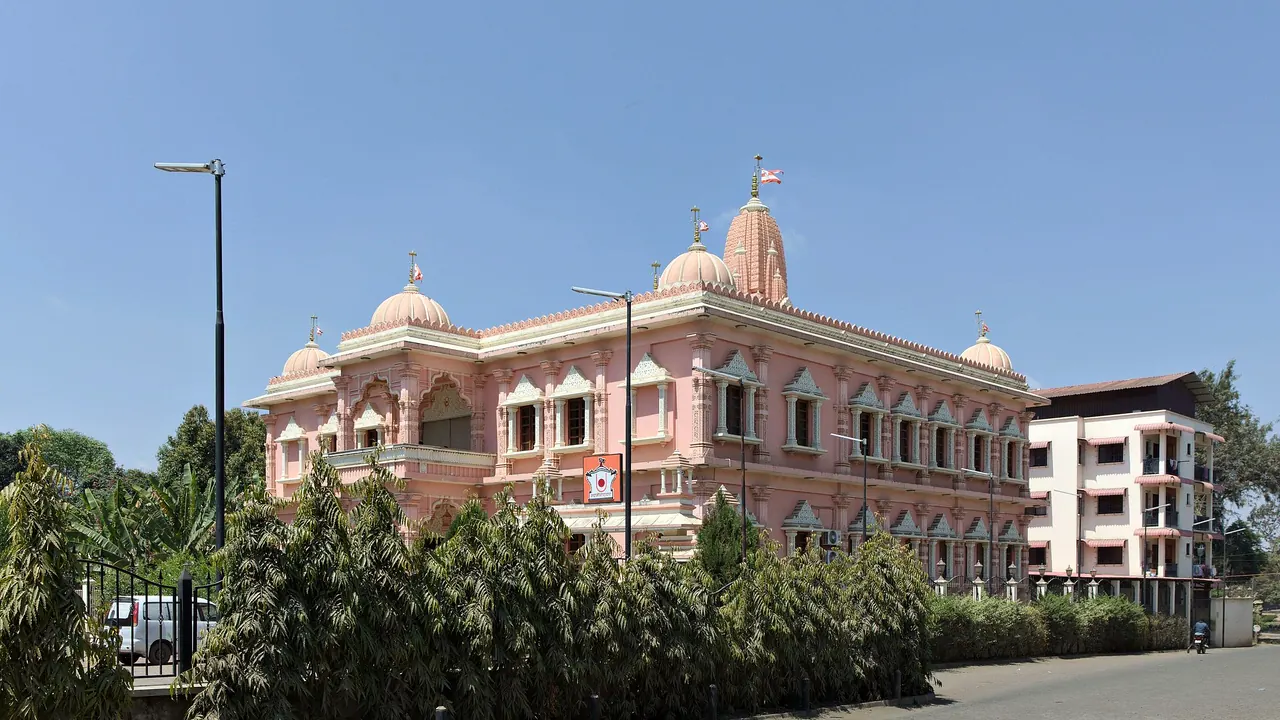
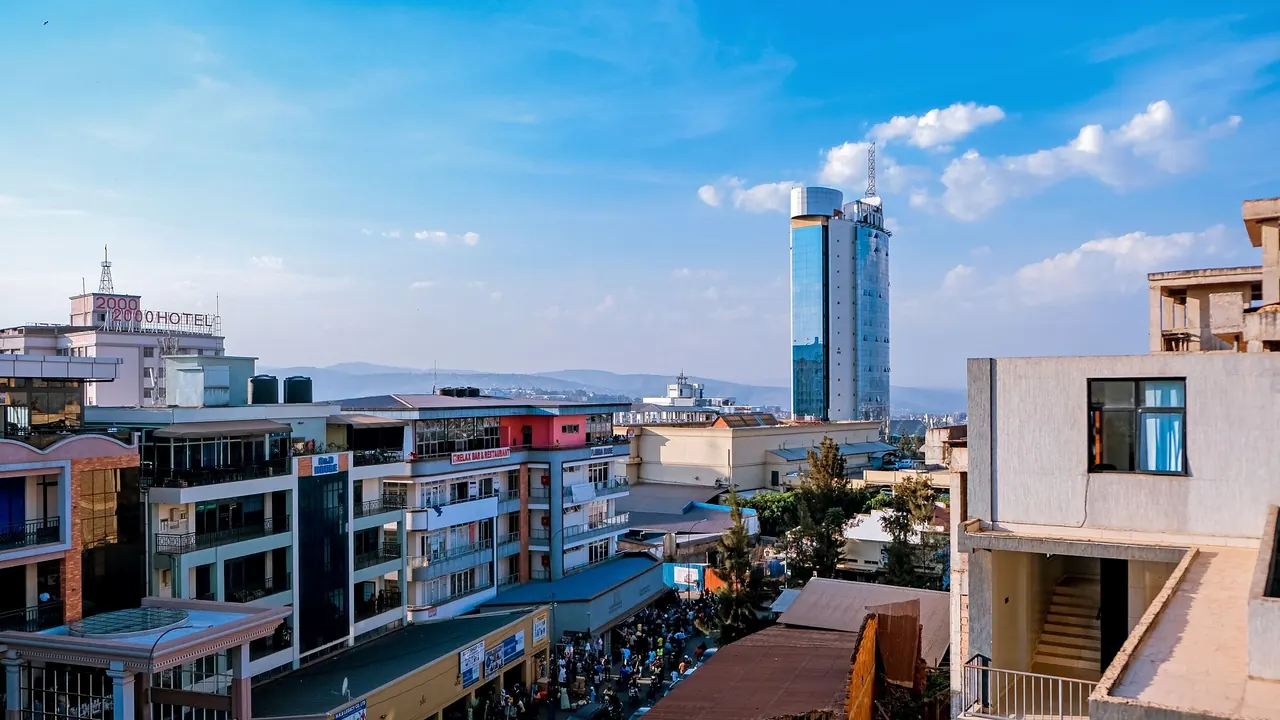
Photos: Arusha by Harald Ulver, CC BY-SA 4.0, cropped; Kigali by Jax pexels, Pexels License.
Arusha or Kigali?
Our verdict in twelve categories, each scored against the same fixed benchmark cities, and the climate month by month, so you can choose for your trip.
Choose Arusha for
- nature and the outdoors
- shopping
- wellness
Arusha is for travellers whose vacation is really about the wild country around it. Arusha National Park is close enough for a morning, Tarangire, Manyara, Ngorongoro and the Serengeti are within reach, and Meru and Kilimanjaro are there to climb. The town is a base with crafts markets and coffee farms. Expect early nights, a safari vehicle and the price of the parks.
Choose Kigali for
- getting around
- live music and the arts
- nightlife
Kigali suits someone who wants the city itself to be part of the trip. Its memorials explain Rwanda's recent history with real care, and the streets are clean and easy to get around. The cafés, weekend clubs and international restaurants make an evening out more interesting than in Arusha, and day-to-day costs are lower. Wildlife and gorillas are possible from here, but they take a long drive or a night away.
Scoreboard
Twelve categories on one fixed scale from 0 to 100. The shaded stretch is the gap between the two.
Your match
Pick a travel style or drag the sliders, and both match scores follow your weighting.
Wins on nature and the outdoors and shopping with your weighting.
Wins on getting around and live music and the arts with your weighting.
What matters to you?
Category by category
What the scores mean for a trip.
Beaches & swimming
Neither city has a beach, and both are a long way from the sea. The difference is in the substitutes. From Arusha, the spring-fed pool at Chemka makes a pleasant swimming outing among fig trees, and most sand-seekers fly on to Zanzibar after their safari. From Kigali, Lake Muhazi is good for a lakeside lunch, and the proper lake beaches on Kivu at Rubavu need an overnight stay.
Food & drink
Kigali eats a little better, mostly because of its coffee culture and the variety its diplomatic community has brought. Highland beans are brewed with care in the cafés of Kiyovu and Kacyiru, and there are good Ethiopian, Indian and Italian kitchens beside the brochette-and-Primus bars on the hills.
Arusha's food is narrower and earthier: nyama choma, chipsi mayai from roadside stalls and evening mishkaki. Its best food experience is drinking coffee on a farm on Meru's slopes. Most safari visitors end up eating buffet dinners at their lodge.
Culture & sights
Kigali gives a visitor much more to think about. The Genocide Memorial at Gisozi and the shell-marked parliament museum make a moving and important day, and the contemporary galleries around Kacyiru and Kimihurura add a lighter afternoon.
Arusha's colonial boma museum, the Arusha Declaration Museum and the clock tower take half a day at most. Its real cultural interest is outside town, in Maasai and Meru village visits.
Nightlife
Kigali is the better place for a night out. Evenings start at open-air brochette bars or rooftop lounges looking over the lit hills. On Fridays and Saturdays the clubs of Kimihurura, Kiyovu and Nyarutarama play Congolese rumba and Afrobeats until late, in an orderly rather than rowdy mood.
Arusha has its lager bars and a few weekend clubs playing Bongo Flava, filled mostly with residents and volunteers. With safaris leaving at dawn, though, most visitors are in bed early.
Nature & outdoors
This is where Arusha is far ahead. Arusha National Park, under an hour away, combines giraffe, colobus and flamingo-lined Momella Lakes with walking and canoe safaris. Meru can be climbed from town and Kilimanjaro's gates are about two hours east. Tarangire, Manyara, Ngorongoro and the Serengeti put Arusha at the start of East Africa's classic safari circuit.
Kigali's nature is gentler and closer to hand: the views from Mount Kigali, birdlife along the Nyandungu boardwalks, and green ridges to cycle. Akagera and the gorilla volcanoes are both a long drive away, and the gorillas usually need an overnight stay.
Day trips
Kigali has the more rewarding short excursions. The memorial churches at Nyamata and Ntarama are about an hour south and are deeply affecting. The reconstructed King's Palace at Nyanza, with its long-horned Inyambo cattle, makes a second full day.
Once the parks are set aside, Arusha's list is shorter. It includes Moshi under Kilimanjaro, the market village of Mto wa Mbu and community visits to Maasai bomas. Olduvai Gorge is normally a stop on the way to the Serengeti, not a separate outing.
Good for families
Families will find the two about equally manageable, but in different ways. Arusha is built around the thrill of seeing elephants and giraffes, with lodge gardens and pools as a backup. It suits school-age children who can cope with long, bumpy drives, and parents need to plan for malaria precautions, broken pavements and traffic.
Kigali is the calmer and tidier base, with safe streets, a mild climate and Nyandungu's open spaces. Nothing in the city is built for children, though, and its main sight is not for young ones.
Getting around
Kigali is clearly easier to get around. The central pavements are good and traffic is light. The licensed moto-taxis have numbered vests and spare helmets, and app-booked cars are easy to find. The only catch is the steep valleys between ridges, which make walking from one district to another hard work.
In Arusha, walking beyond the clock tower area means broken pavements and heavy traffic, and dala-dalas are hard going for newcomers. In practice visitors use taxis and lodge transfers, and outside town the driver-guide comes with the tour.
Shopping & style
Crafts are the point in both, and neither has fashion streets or department stores worth the time. Arusha has the bigger and more varied choice, because it supplies visitors from the whole northern safari circuit. You can haggle in the curio markets near the centre or pay fixed prices in the large galleries on the outskirts, where the finer pieces are. The Central Market adds coffee, spices and fabric to take home.
Kigali's choice is smaller and more personal. Much of it is sold through craft cooperatives near the centre, and at Kimironko you can choose cloth and have clothes made to your measurements before you leave. A small group of Rwandan designers in Kiyovu and Kimihurura sells modern clothing, and highland coffee and tea make easy gifts. The malls are there for residents rather than visitors.
Affordability
Kigali is the cheaper place to spend time. Buffet lunches, brochettes and moto-taxis cost little, the main memorial is free to enter, and mid-range guesthouses give fair comfort for the money. Gorilla permits are the exception and can swallow a budget whole.
Arusha's local life is just as cheap, but few visitors live that way. The reason for coming is the parks, and park fees, safari vehicles and garden lodges all charge international prices, so a typical trip from here costs more.
Live music & performing arts
Kigali offers more to watch. Intore dancers in grass headdresses perform with drummers at cultural centres, the indoor arena hosts concerts by East African stars, and there are annual music and theatre festivals and occasional open-mic nights. Arusha's performances are mostly Maasai jumping dances and acrobats at lodges and cultural villages, plus weekend bands in a few bars, with no season to plan around.
Wellness & relaxation
Neither city is a place to come for pampering, and both rely on hotel spas. Arusha's calm is on its edges, in coffee-estate and garden lodges towards Usa River with Meru on the horizon, where people rest before or after a climb. In Kigali the whole city is the restful part: quiet clean streets, yoga in Kiyovu and slow coffee on a terrace.
When should you go?
Pick your month. The climate figures are measured averages, not a forecast.
Arusha in July
Kigali in July
Daytime high, °C
Rainfall in the month, mm
Where the figures come from
Arusha has no weather station within reach, so its figures come from a gridded climate model rather than a measured record, and read a broad area rather than the city itself.
Temperature and rainfall are climate normals, averaged over the years shown. Arusha: 2001-2020 normals, NASA POWER reanalysis grid, no weather station within 90 km. Kigali: 1991-2020 normals, Kigali (1.6 km from centre).
Both cities sit at altitude near the equator, so neither ever gets truly cold or oppressively hot. The rain decides the timing. Arusha is warmest from January to March, with highs around 31°C. The long rains peak in April and the short rains come back in November. June to September is the clear choice: almost dry, with pleasant days in the mid-20s, and it lines up with prime game viewing in the parks.
Kigali is steadier, with highs of 27 to 29°C all year. Its rains are heavier and last longer, peaking at about 148mm in November and filling most of March to May as well. The dry spell is shorter than Arusha's, really June to August, and by September the showers are already building again. For walking the hills and getting out to the parks, a mid-year visit works best in both places, but Arusha keeps its dry weather a month or so longer.
Which traveller are you?
For an outdoors trip, Arusha is the obvious choice. You can do a walking safari or go canoeing in Arusha National Park, climb Meru along its crater rim, and set off for Kilimanjaro or the great northern parks. From Kigali, the big landscapes mostly mean long drives.
For a short city break, Kigali works much better. It has two or three days of serious sights around the Genocide Memorial, safe and clean streets, easy moto-taxis and lively weekend nights. Arusha's sights fill half a day, and the town mainly serves as a launch point for safaris.
On a shopping trip for crafts, Arusha has more to offer. Its curio markets and large galleries sell Maasai beadwork, Makonde carving and Tinga Tinga painting, and the tanzanite dealers add something you won't find elsewhere. Kigali's baskets, imigongo panels and tailors at Kimironko make a smaller, though distinctive, haul.
Before you go
| Measure | Arusha | Kigali |
|---|---|---|
| Official language | English, Swahili | French, English, Swahili, Kinyarwanda |
| Currency | Tanzanian Shilling (TZS) | Rwanda Franc (RWF) |
| Sockets | G230 V, 50 Hz | CEG230 V, 50 Hz |
| Driving side | Left | Right |
| Time zone | UTC+3 | UTC+2 |
| Emergency number | Police 112, ambulance 115, fire 114 | Police 112, ambulance 912, fire 112 |
| Elevation | 1,387 m | 1,567 m |
| Main airport | Kilimanjaro International Airport (JRO)44 km from centre14 non-stop destinations | Kigali International Airport (KGL)3 km from centre24 non-stop destinations |
| Public holidays this year | 13 days | 13 days |
By the numbers
| Measure | Arusha | Kigali |
|---|---|---|
| City population | 416,442 | 1,745,555 |
| People per km² | 262 | 2,391 |
| Museums within 10 km | 0 | 4 |
| UNESCO World Heritage sites within 50 km | 0 | 1 |
Where else could you go?
Every comparison below shares a destination with this one, so you can follow Arusha or Kigali somewhere new.
- Nairobivs Arusha
- Mombasavs Arusha
- Nairobivs Kigali
- Mombasavs Kigali
- Livingstonevs Arusha
- Victoria Fallsvs Arusha