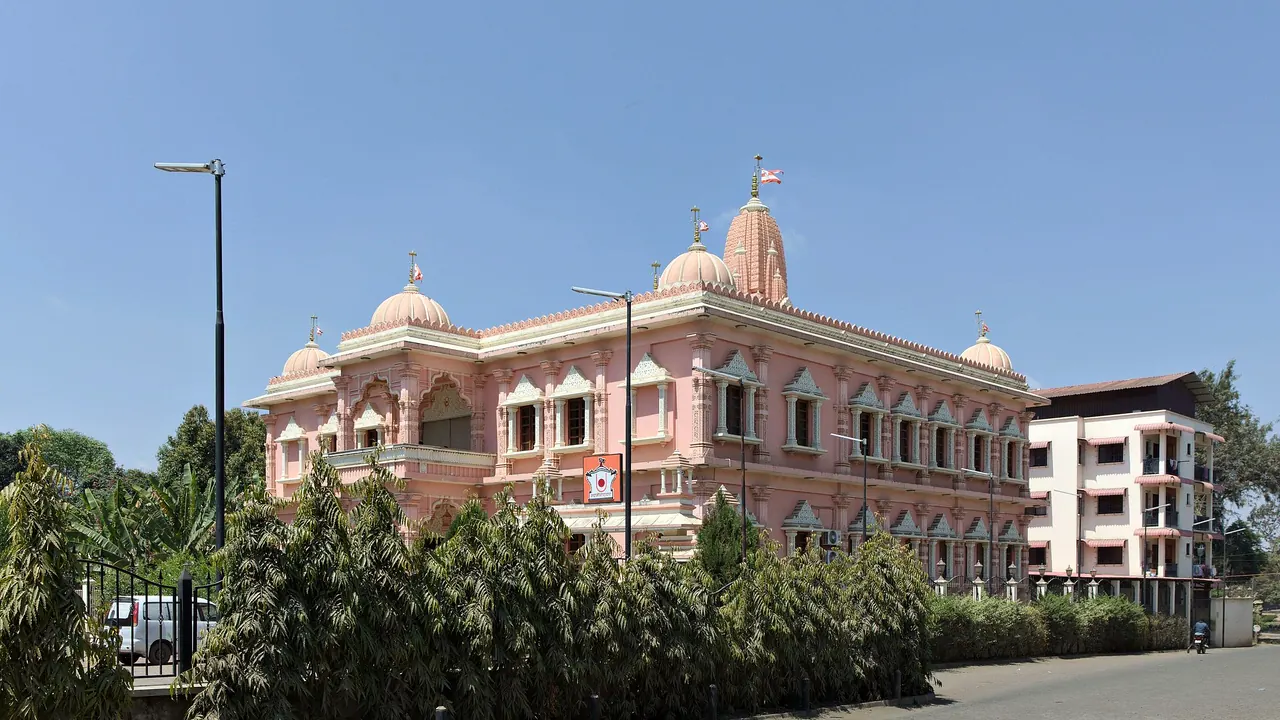
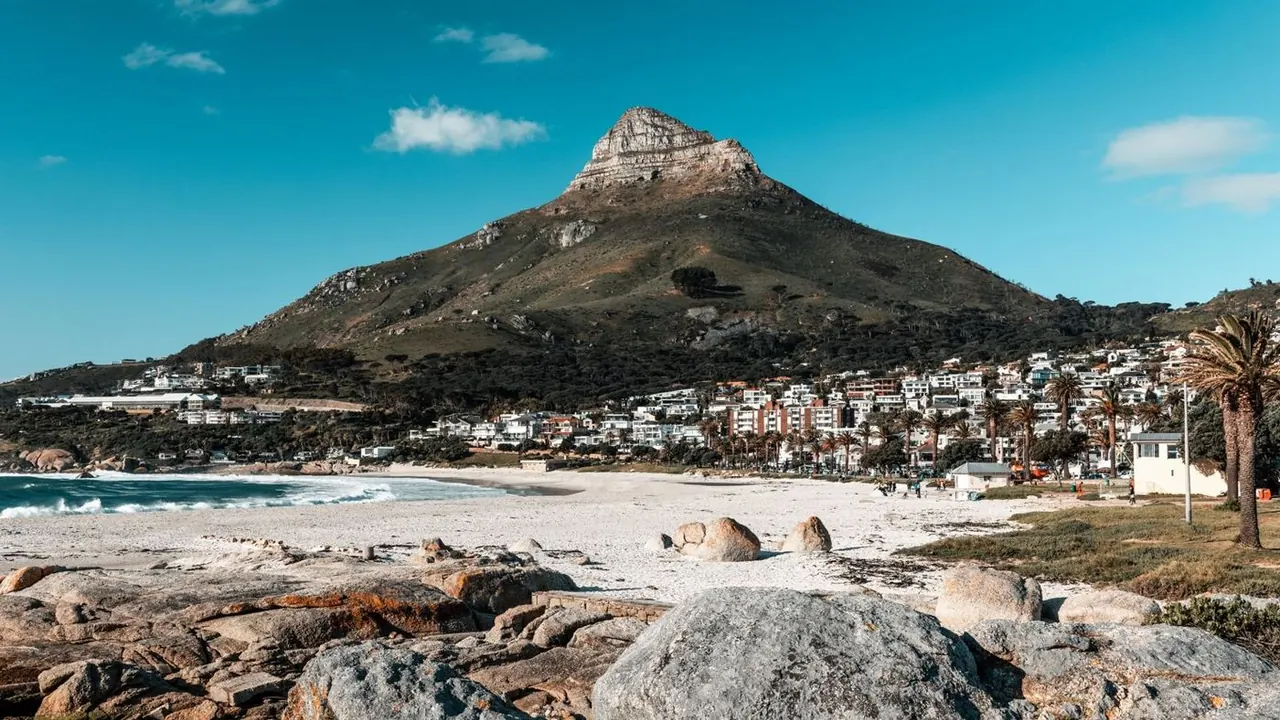
Photos: Arusha by Harald Ulver, CC BY-SA 4.0, cropped; Cape Town by Stephan Louis, Pexels License.
Arusha or Cape Town?
Our verdict in twelve categories, each scored against the same fixed benchmark cities, and the climate month by month, so you can choose for your trip.
Choose Arusha for
Arusha does not lead in any category we score.
Arusha is for a trip built around wild animals and mountains, not around the town itself. It is the base for Arusha National Park's walking safaris, for climbs of Meru and Kilimanjaro, and for the long circuits to Tarangire, Ngorongoro and the Serengeti. Expect dawn starts, dinners at the lodge and little to do in town. That suits travellers who have come for the parks and want nothing else from the trip.
Choose Cape Town for
- beaches
- day trips
- live music and the arts
For a more rounded vacation, Cape Town is the stronger choice. Table Mountain, the False Bay beaches, the Winelands and a serious restaurant scene are all within a short drive of one another, and the evenings bring cocktail bars, Cape jazz and sundowners over the Atlantic. Couples, families with younger children and anyone who wants landscape and city life on the same trip will be happier here, as long as they don't mind driving or using ride-hailing.
Scoreboard
Twelve categories on one fixed scale from 0 to 100. The shaded stretch is the gap between the two.
Your match
Pick a travel style or drag the sliders, and both match scores follow your weighting.
Has no clear advantage with the weighting you have chosen.
Wins on beaches and day trips with your weighting.
What matters to you?
Category by category
What the scores mean for a trip.
Beaches & swimming
Arusha has no beach at all. The nearest swim is the clear spring water at Chemka, an hour and a half's drive away, or else the lodge pool, and visitors who want sand fly on to Zanzibar after their safari.
Cape Town has real beaches, with a catch. The Atlantic coves at Clifton and Llandudno are beautiful but too cold for more than a quick dip, so for an actual swim you go to Muizenberg, St James or the tidal pools at Kalk Bay. All of this only works in summer.
Food & drink
Arusha's food is honest but limited: nyama choma with ugali, chipsi mayai from roadside stalls, mishkaki skewers in the evening, and the best food outing is a tour of a coffee farm on Meru's slopes. Most safari visitors end up eating buffet dinners at their lodge.
Cape Town is a dining destination in its own right. It has Cape Malay curries and bobotie from the Bo-Kaap, fish by the harbour at Kalk Bay, ambitious tasting menus around Bree Street and Woodstock, and wine estates less than an hour away. It doesn't have the street grills that Arusha has, but it beats Arusha on almost everything else.
Culture & sights
Arusha's sights fit easily into half a day. There is the Natural History Museum inside the whitewashed German boma, the small museum on Nyerere's 1967 Arusha Declaration and the large craft galleries on the edge of town. The cultural encounters people remember happen outside town, on visits to Maasai and Meru villages.
Cape Town needs three or four days and has a much heavier story to tell. Robben Island, the District Six Museum and the Castle of Good Hope trace the long line from Dutch settlement to apartheid. The South African Museum and the National Gallery around the Company's Garden, the painted houses of the Bo-Kaap and Zeitz MOCAA's contemporary African art fill the rest of the itinerary.
Nightlife
Arusha has local bars pouring Kilimanjaro lager and a few clubs playing Bongo Flava at weekends, but the crowd is mostly residents and volunteers. Safari visitors usually go to bed early because the vehicles leave at dawn.
Cape Town has a proper night out, spread over several areas. There is the noisy backpacker strip on Long Street, the cocktail and wine bars of Bree and Kloof Streets, the gay quarter in De Waterkant, and summer sundowners at Camps Bay. In both cities you take a car between places after dark.
Nature & outdoors
Both cities are superb for the outdoors, but Cape Town has more variety close at hand. Table Mountain rises right behind the centre, Lion's Head is a short sunrise climb, and the peninsula park runs down to Cape Point. On top of that come Kirstenbosch's fynbos, penguins at Boulders, whales in False Bay, surf at Muizenberg and the drive along Chapman's Peak, and you can do almost all of it on your own in a day.
Arusha's strength is narrower but grand: big game and big mountains. It has walking and canoe safaris in Arusha National Park, the crater rim of Meru, the Kilimanjaro gates two hours east, and elephants in Tarangire. Nearly all of it means a safari vehicle and long days, though, and the April and May rains make the tracks muddy.
Day trips
If you leave the parks out, Arusha has few outings. There is Moshi's coffee co-operatives under Kilimanjaro, the market village of Mto wa Mbu, and community visits to Maasai bomas, and Olduvai Gorge is usually seen on the way to the Serengeti rather than as a trip of its own.
Cape Town has the Winelands under an hour away: the oak-lined streets of Stellenbosch, Franschhoek's valley restaurants, and hundreds of estates for tastings in Paarl and Constantia. You can add whale watching from the clifftops at Hermanus or Cape Dutch architecture in Tulbagh, though a car or a tour is needed for all of them.
Good for families
In Arusha, the family experience is the safari itself. Seeing giraffes and elephants from the vehicle thrills children, but age limits on game drives, long bumpy days, malaria precautions and a town with little for children mean it works best with school-age children.
Cape Town is easier with younger children. There is the Two Oceans Aquarium, the penguins at Boulders, the cableway, Kirstenbosch's treetop walkway and calm tidal pools at St James. The main challenge is the distances, which almost always mean hiring a car.
Getting around
Neither city is easy to explore on foot, but Cape Town gives you more freedom. Arusha's dala-dala minibuses and boda-boda motorbikes are hard for newcomers, and the pavements are broken, so in practice visitors use taxis and the vehicle that comes with their safari.
In Cape Town you can walk the City Bowl and the Waterfront by day, and MyCiTi buses run out to the Atlantic beaches and Hout Bay. Ride-hailing is cheap, and the good roads, driving on the left, make self-drive trips down the peninsula a pleasure.
Shopping & style
Cape Town has the wider range of shops, while Arusha is the better place for East African crafts. Arusha's curio markets and galleries sell Maasai beadwork, red shuka blankets, Makonde carving and Tinga Tinga paintings, and tanzanite, mined only in the nearby hills, draws some visitors to its gem dealers.
Cape Town adds what Arusha lacks. The Waterfront mall has South African labels, Woodstock and Kloof Street sell local design and ceramics, and you can take home wine and rooibos, though its craft stalls on Greenmarket Square are less specialised.
Affordability
Cape Town is the cheaper vacation overall, because there visitors spend their money on things that are cheap: restaurant meals, estate wine, car hire and ride-hailing. Accommodation by the beaches is the main expense, especially around Christmas and New Year.
Arusha's low local prices hardly help visitors. Street grills and guesthouses cost little, but park fees, driver-guides, lodges and mountain climbs are all charged at international rates, so a typical safari from here costs more in total.
Live music & performing arts
Arusha has almost no stage to speak of. Most visitors see Maasai jumping dances at lodges and cultural villages, perhaps with a taarab or Bongo Flava band in a bar at the weekend.
Cape Town has its own musical tradition in Cape jazz, which you can hear in clubs, at a major annual jazz festival and at the summer sunset concerts on the lawns at Kirstenbosch. Artscape, the Baxter Theatre and the Cape Philharmonic add enough opera, drama and concerts for a couple of evenings.
Wellness & relaxation
Neither city has a bathing tradition, so both are better for slowing down than for treatments. In Arusha, rest means a day at a coffee-estate or garden lodge towards Usa River, with a massage and a view of Meru before or after the hard days on safari, away from the noisy town.
Cape Town offers more ways to unwind. You can spend long lunches on a wine estate, take early yoga in the Atlantic suburbs, join the morning swimmers in the False Bay tidal pools, or book a spa at one of the grander Winelands estates.
When should you go?
Pick your month. The climate figures are measured averages, not a forecast.
Arusha in July
Cape Town in July
Daytime high, °C
Rainfall in the month, mm
Where the figures come from
Arusha has no weather station within reach, so its figures come from a gridded climate model rather than a measured record, and read a broad area rather than the city itself.
Temperature and rainfall are climate normals, averaged over the years shown. Arusha: 2001-2020 normals, NASA POWER reanalysis grid, no weather station within 90 km. Cape Town: 1991-2020 normals, Cape Town Airport (17.5 km from centre).
Arusha is warm all year, so its seasons come from the rain, not the temperature. June to September is the clear choice: days are dry and mild, around 25°C, and it is the prime time for game viewing. The long rains peak in April at about 147mm and turn park tracks to mud, and a second wet spell runs from November into December. January to March is the hottest part of the year, but still easy enough for days out in a safari vehicle.
Cape Town's year runs the other way. December to March is dry, very sunny and warm, with highs around 27°C, and it is the only time the beaches make sense. Even then the sea only reaches about 18°C, and False Bay is the side warm enough for a proper swim. June to August is cool and wet, with about 97mm of rain in June, which is fine for museums and whale watching but not for the coast. So the two fit together well: Arusha is at its best in the southern winter, when Cape Town is grey.
Which traveller are you?
On a beach and sun trip, Cape Town is the only real option. Clifton and Camps Bay are lovely for sunbathing and False Bay is good for swimming in summer, while Arusha is far inland and has nothing closer than a spring-fed pool.
For a culture and arts trip, Cape Town gives you several days of real substance: Robben Island, the District Six Museum, Zeitz MOCAA, Cape jazz and the Baxter Theatre. Arusha's two small museums take half a day, and live performance there mostly means Maasai dancing at the lodges.
For a wildlife safari or a Kilimanjaro climb, choose Arusha. Elephants in Tarangire, the Ngorongoro crater, the Serengeti circuits and the trek up Meru all start here. Cape Town has penguins, seals and whales, but no big game.
Before you go
| Measure | Arusha | Cape Town |
|---|---|---|
| Official language | English, Swahili | English, Zulu, Xhosa, Afrikaans, Venda, Northern Sotho, Swazi, Tswana, Tsonga, Sesotho, Southern Ndebele, South African Sign Language |
| Currency | Tanzanian Shilling (TZS) | Rand (ZAR) |
| Sockets | G230 V, 50 Hz | CMN230 V, 50 Hz |
| Driving side | Left | Left |
| Time zone | UTC+3 | UTC+2 |
| Emergency number | Police 112, ambulance 115, fire 114 | 112 |
| Elevation | 1,387 m | 5 m |
| Main airport | Kilimanjaro International Airport (JRO)44 km from centre14 non-stop destinations | Cape Town International Airport (CPT)18 km from centre45 non-stop destinations |
| Public holidays this year | 13 days | 13 days |
By the numbers
| Measure | Arusha | Cape Town |
|---|---|---|
| City population | 416,442 | 3,776,313 |
| People per km² | 262 | 1,538 |
| Museums within 10 km | 0 | 22 |
| UNESCO World Heritage sites within 50 km | 0 | 3 |
| Swim season, months above 21 °C | - | None |
Where else could you go?
Every comparison below shares a destination with this one, so you can follow Arusha or Cape Town somewhere new.
- Stellenboschvs Cape Town
- Nairobivs Arusha
- Mombasavs Arusha
- Kigalivs Arusha
- Johannesburgvs Cape Town
- Windhoekvs Cape Town