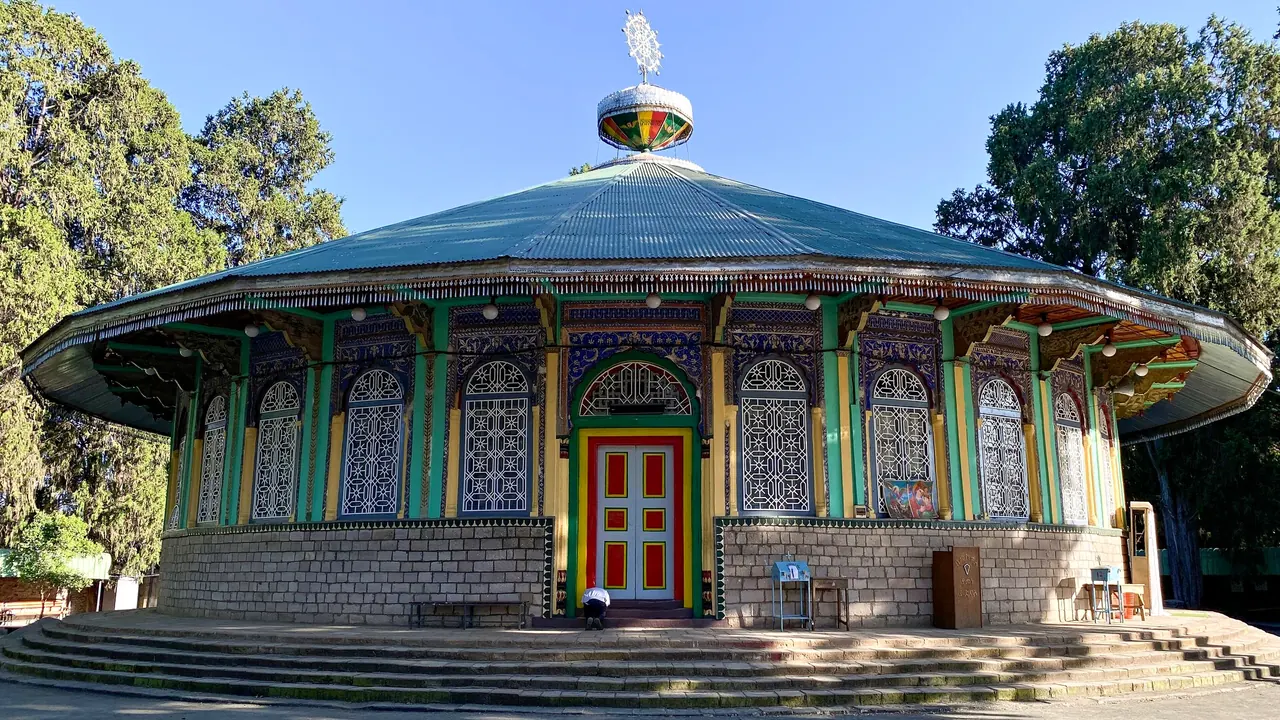
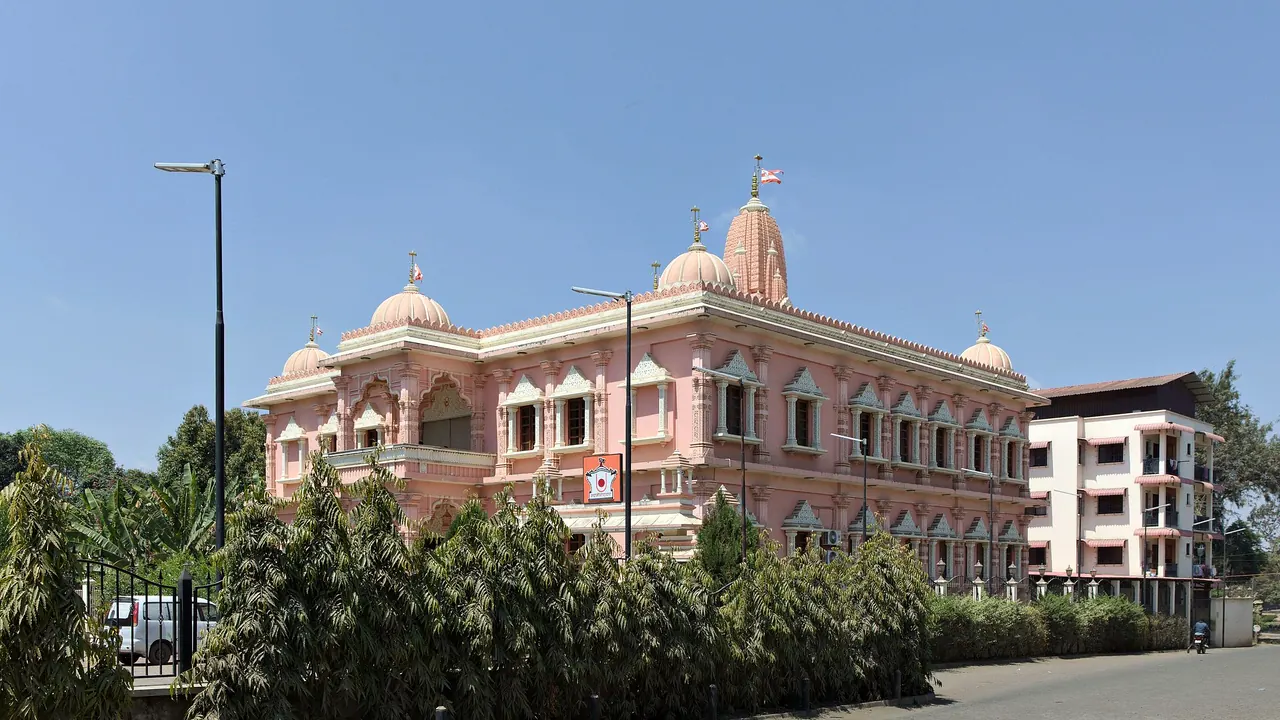
Photos: Addis Ababa by ProtoplasmaKid, CC BY 4.0, cropped; Arusha by Harald Ulver, CC BY-SA 4.0, cropped.
Addis Ababa or Arusha?
Our verdict in twelve categories, each scored against the same fixed benchmark cities, and the climate month by month, so you can choose for your trip.
Choose Addis Ababa for
- live music and the arts
- food and drink
- culture and sights
Addis Ababa is the choice for a traveller who wants a city to explore for its own sake. Its strengths are in town: the museums that hold Lucy and the imperial past, injera and the coffee ceremony, azmari singers and Ethio-jazz after dark. It also has a handful of monasteries and stelae fields within a day's drive. Day-to-day life is cheap, and a few days here make a strong first stop in Ethiopia.
Choose Arusha for
- nature and the outdoors
- families
- beaches
Arusha makes sense when the town matters less than what lies around it. Arusha National Park, Tarangire, Lake Manyara, Mount Meru and the routes to Ngorongoro and the Serengeti all start from here. Families with school-age children and people heading for a climb or a safari will be well served. Anyone hoping for museums, food or evenings out will find very little to do between game drives.
Scoreboard
Twelve categories on one fixed scale from 0 to 100. The shaded stretch is the gap between the two.
Your match
Pick a travel style or drag the sliders, and both match scores follow your weighting.
Wins on live music and the arts and food and drink with your weighting.
Wins on nature and the outdoors and families with your weighting.
What matters to you?
Category by category
What the scores mean for a trip.
Beaches & swimming
Neither city has any beach, so this category cannot decide between them. In Addis Ababa, getting near water means a weekend at the lakeside resorts of the Bishoftu crater lakes, though people go there to relax beside the lakes rather than to swim in them.
From Arusha the better outing is the warm, clear spring pool at Chemka, about an hour and a half away among fig trees and palms. Many safari travellers finish with a flight to Zanzibar's beaches.
Food & drink
Food is one of Addis Ababa's real strengths. Injera shared by hand from one platter comes with doro wat, tibs or kitfo, and on fasting days there is a spread of shiro and lentils that suits vegans perfectly. Tej is served in flasks, and the coffee ceremony and Italian-era macchiato bars make coffee a daily pleasure.
Arusha's eating is plainer: nyama choma with ugali, chipsi mayai from roadside stalls and mishkaki skewers at night. Its best food experience is a coffee farm tour on Meru's slopes, because most visitors eat their dinners at the lodge buffet.
Culture & sights
Addis Ababa has much more to see, even though it is a young city without an old quarter. Lucy at the National Museum, the Ethnological Museum, Holy Trinity Cathedral, the Red Terror memorial, Menelik's palace grounds and the churches on Entoto can fill two or three days.
Arusha has two small museums, one in the old German boma and one on the 1967 Arusha Declaration, and both can be seen in a morning. Its cultural interest lies mainly in the Maasai and Meru villages outside town.
Nightlife
Addis Ababa has a real weekend night out. The rooftop bars, lounges and clubs of Bole stay busy past midnight, and Kazanchis and Piazza offer rougher local bars, though weeknights are quiet.
Arusha has a few clubs playing Bongo Flava for residents and volunteers. The town runs to the safari schedule, though, so most visitors are asleep early ahead of a dawn departure.
Nature & outdoors
This is the reason to go to Arusha, and it is far ahead. Arusha National Park, with giraffe, buffalo and flamingos on the Momella Lakes, lies under an hour away and allows walking safaris and canoeing. Mount Meru can be climbed in three or four days, and Tarangire, Lake Manyara and the big circuits to Ngorongoro and the Serengeti begin here.
Addis Ababa's outdoor options are gentler. You can walk in the eucalyptus of the Entoto hills, look for colobus monkeys in the Menagesha forest, watch birds at Bishoftu's crater lakes or see geladas on the cliffs above the Blue Nile gorge. Ethiopia's large wild landscapes are much further away.
Day trips
Addis Ababa has the better choice of outings. Within a long day's drive are the monastery of Debre Libanos above the Blue Nile gorge, the carved stelae of Tiya, the rock-hewn church of Adadi Mariam and the prehistoric site at Melka Kunture, though you will need a hired driver on slow roads.
Once its national parks are set aside, Arusha has little left to visit. Moshi below Kilimanjaro, the market village of Mto wa Mbu and community-run visits to Maasai bomas make pleasant days, while Olduvai Gorge is usually seen on the way to the Serengeti.
Good for families
Arusha is the better choice for families, mainly because of the safari. Children are thrilled by elephants and giraffes, and many lodges have gardens, pools and family rooms. However, some operators set minimum ages, the days in a vehicle are long and bumpy, and you will need to plan for malaria.
Addis Ababa welcomes children warmly but has little built for them beyond the lions in the palace park and space to run on Entoto. The altitude tires small children for the first few days, so the city suits a short stop with older children better than a whole family vacation.
Getting around
Neither city is easy to get around, but Addis Ababa gives visitors a little more to work with. The light rail crosses the city, even if it misses most sights. Ride-hailing apps and metered taxis are the usual answer, and the long distances and rush-hour traffic make walking impractical.
Arusha's centre around the clock tower is small enough to walk, apart from the broken pavements. Dala-dalas and boda-bodas are hard for newcomers, but this matters less here, because every park visit includes a vehicle and driver-guide.
Shopping & style
The two are evenly matched, and both cities are best for crafts. Addis Ababa has the huge maze of Merkato, handwoven cotton shawls from the weavers of Shiro Meda, silver and brass Orthodox crosses and roasted coffee.
Arusha's curio markets sell Maasai beadwork, shukas, Makonde carving and Tinga Tinga paintings, with fixed-price galleries on the outskirts. It also has tanzanite dealers selling a gem mined only nearby. Neither city has much in the way of fashion streets.
Affordability
Addis Ababa is the cheaper destination, because the things a visitor does there cost local prices. Injera, macchiatos, minibuses and museum entry are all cheap. The costs rise only with international-standard hotels, Bole's lounges and a hired driver.
Arusha's town life is just as cheap, but people rarely come for the town. Park fees, safari vehicles and lodges all charge international prices, and a mountain climb costs more again, so a typical trip from here is expensive.
Live music & performing arts
Addis Ababa has a strong live scene and Arusha has almost none. In the azmari bets of Kazanchis, singers improvise teasing verses to the masinko, often about the foreigners present. Ethio-jazz plays live in a few clubs, eskista dancers perform over dinner and Hager Fikir stages plays, though mostly in Amharic.
In Arusha, live performance mostly means Maasai jumping dances at a cultural village or a lodge evening, plus a few bar bands at weekends.
Wellness & relaxation
The two are about level, and in both cities the calm lies outside the noisy, crowded centre. Addis Ababa grew up around the Filwoha hot springs, but its bath cubicles are plain and functional. Residents go to the Bishoftu lake resorts to unwind, or simply settle into a long coffee ceremony.
Arusha has no bathing tradition. Its quiet places are the coffee-estate and garden lodges towards Usa River, with spas and lawns looking out to Meru, where many travellers rest for a day after a safari or a climb.
When should you go?
Pick your month. The climate figures are measured averages, not a forecast.
Addis Ababa in July
Arusha in July
Daytime high, °C
Rainfall in the month, mm
Where the figures come from
Arusha has no weather station within reach, so its figures come from a gridded climate model rather than a measured record, and read a broad area rather than the city itself.
Temperature and rainfall are climate normals, averaged over the years shown. Addis Ababa: 1991-2020 normals, Addis Ababa (7.8 km from centre). Arusha: 2001-2020 normals, NASA POWER reanalysis grid, no weather station within 90 km.
The two cities are at their best at almost opposite times. Addis Ababa stays mild all year, with highs in the low to mid twenties, so it is never too hot for walking. Its dry, sunny season runs from October to February, with the clearest skies in December and January. Lighter rains arrive from March to May, and the main rains follow from June to September. July and August are very wet, with close to 300mm in August, so streets and day trips suffer and the sun is rarely out for long.
Arusha is warmer, with highs near 31°C in February, and it has two rainy seasons. The long rains peak in April, when park tracks turn to mud, and the short rains return in November and December. June to September is the dry window, with July almost rainless at 9mm and days a comfortable 25°C or so. That is the best time for game viewing, and it falls exactly when Addis Ababa is at its wettest. October is the one month when both are fairly dry.
Which traveller are you?
For a culture and arts trip, Addis Ababa is the clear choice. The National Museum, the Ethnological Museum in Haile Selassie's palace and Menelik's palace compound fill two or three days, and evenings bring azmari singers and live Ethio-jazz. Arusha's sights take half a day.
On an outdoors trip, Arusha wins easily. Arusha National Park, with its walking safaris and canoeing on the Momella Lakes, is under an hour away, Meru can be climbed and Tarangire and Manyara are two hours off. Addis has the Entoto hills and the Blue Nile gorge, which are pleasant but much smaller.
For a food and nightlife trip, Addis Ababa gives far more. There is injera with doro wat and kitfo, tej in traditional houses, coffee ceremonies and macchiato bars, then late weekend nights in Bole or a music bar in Kazanchis. Arusha's dawn safari starts send most visitors to bed after dinner.
Before you go
| Measure | Addis Ababa | Arusha |
|---|---|---|
| Official language | Amharic | English, Swahili |
| Currency | Ethiopian Birr (ETB) | Tanzanian Shilling (TZS) |
| Sockets | CEFJL220 V, 50 Hz | G230 V, 50 Hz |
| Driving side | Right | Left |
| Time zone | UTC+3 | UTC+3 |
| Emergency number | 911 | Police 112, ambulance 115, fire 114 |
| Elevation | 2,355 m | 1,387 m |
| Main airport | Addis Ababa Bole International Airport (ADD)8 km from centre137 non-stop destinations | Kilimanjaro International Airport (JRO)44 km from centre14 non-stop destinations |
| Public holidays this year | 10 days | 13 days |
By the numbers
| Measure | Addis Ababa | Arusha |
|---|---|---|
| City population | 5,704,000 | 416,442 |
| People per km² | 10,824 | 262 |
| Museums within 10 km | 7 | 0 |
| UNESCO World Heritage sites within 50 km | 1 | 0 |
Where else could you go?
Every comparison below shares a destination with this one, so you can follow Addis Ababa or Arusha somewhere new.
- Nairobivs Arusha
- Mombasavs Arusha
- Stone Townvs Arusha
- Kigalivs Arusha
- Nairobivs Addis Ababa
- Kigalivs Addis Ababa