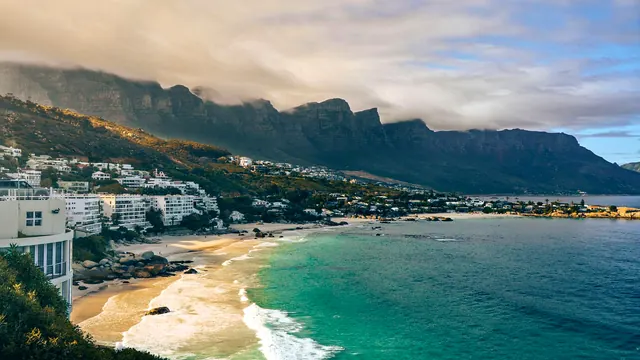
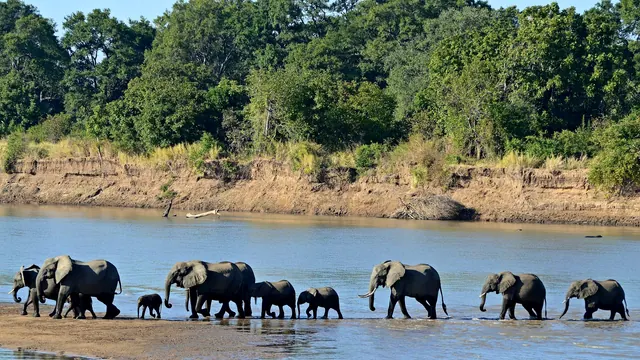
Photos: Ethiopia by Aldo Bordoni, Pexels License; Tanzania by Lone Vassnos, CC BY-SA 4.0, cropped.
Ethiopia or Tanzania?
Our verdict in twelve categories, each scored against the same fixed benchmark cities, and the climate month by month, so you can choose for your trip.
Choose Ethiopia for
- culture and sights
- prices
- day trips
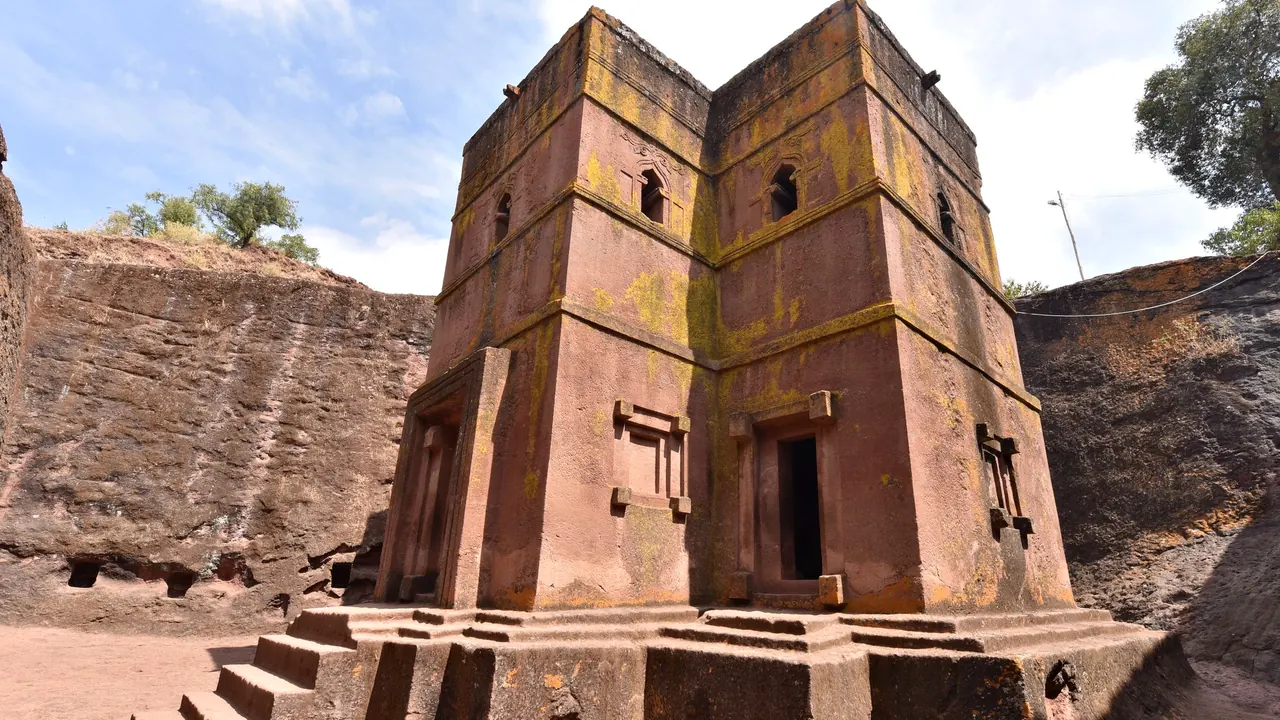
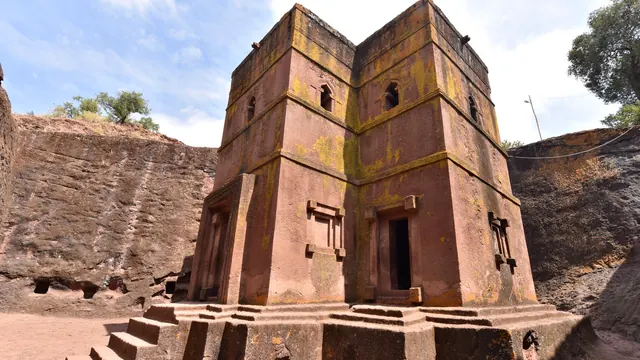
Ethiopia suits travellers who want history found nowhere else: Lalibela's churches cut down into the rock, the stelae of Aksum, Gondar's castles and the walled lanes of Harar, linked along a northern route you can fly in short hops. It adds highland trekking in the Simien Mountains, a cuisine entirely its own and low day-to-day costs. In return you accept altitude, early starts and almost no swimming.
Choose Tanzania for
- beaches
- families
- nature and the outdoors
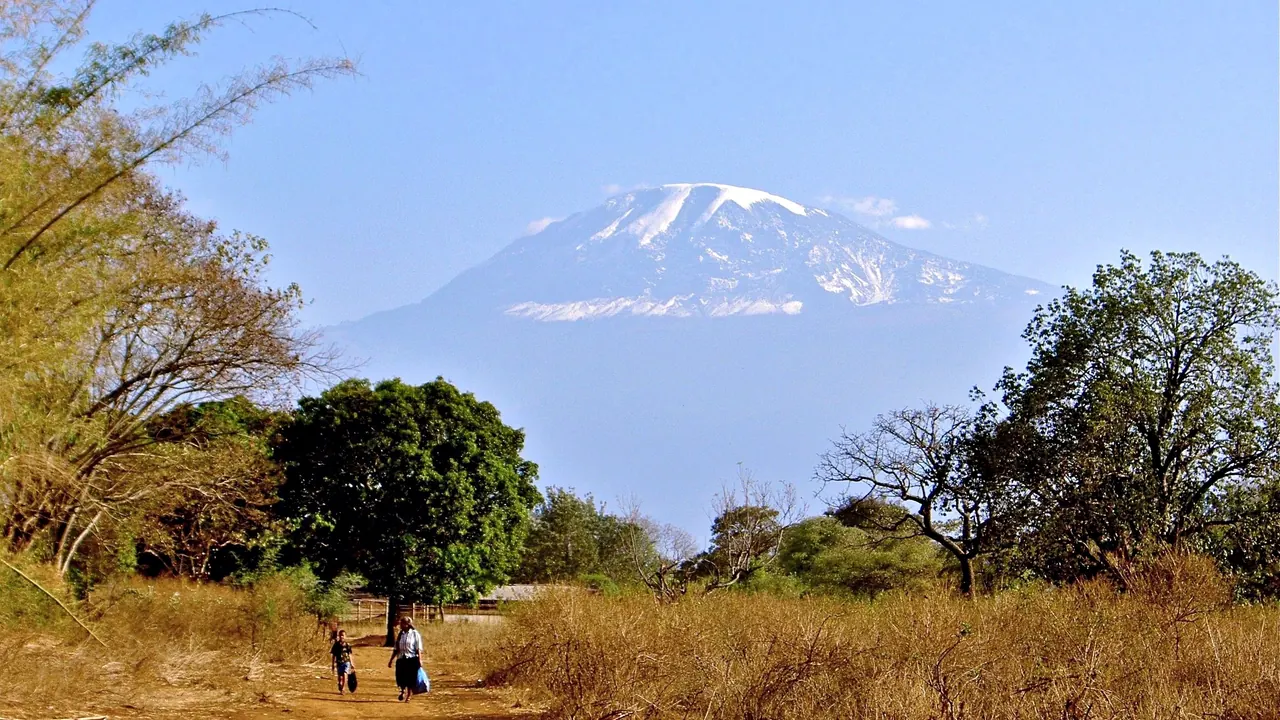
For wildlife and the sea, Tanzania is the stronger choice. The Serengeti, the Ngorongoro Crater and Kilimanjaro make it the bigger outdoors trip, and a week on Zanzibar's white beaches gives a kind of rest Ethiopia cannot. Park fees and lodges make it the dearer of the two, but it works better with older children and for anyone who wants the trip to end with a swim.
Scoreboard
Twelve categories on one fixed scale from 0 to 100. The shaded stretch is the gap between the two.
Your match
Pick a travel style or drag the sliders, and both match scores follow your weighting.
Too close to call, 1 point apart
Wins on culture and sights and prices with your weighting.
Wins on beaches and families with your weighting.
What matters to you?
Category by category
What the scores mean for a trip.
Beaches & swimming
Ethiopia is landlocked, and bilharzia rules out most of its lakes. The one real exception is Lake Langano, a few hours south of Addis Ababa, with sandy shores and tea-brown water. Otherwise, swimming means a hotel pool.
Tanzania has some of the finest beaches on the Indian Ocean. Nungwi and Kendwa on Zanzibar's north coast are deep enough to swim at any tide. Paje and Matemwe in the east have wide turquoise lagoons that empty at low tide. Pemba and Mafia are quieter still, so you can make a full beach week out of it.
Where in Ethiopia: Lake Langano
Where in Tanzania: Zanzibar north coast (Nungwi and Kendwa), Zanzibar east coast (Paje and Matemwe), Pemba, Mafia Island
Food & drink
Ethiopia has the more distinctive food, and it is the same across the whole country. You eat from a shared round of sour injera topped with wots and tibs, flavoured with berbere. On the many fasting days the food is entirely plant-based, and the coffee ceremony is part of daily life. Addis Ababa and Harar have the most variety, although menus repeat once you leave the capital.
Tanzania's best food is on the coast. Stone Town has Swahili coconut curries, clove-scented pilau and the seafood grills in Forodhani Gardens. Inland, meals are usually nyama choma with ugali or generic food cooked in safari lodges.
Where in Ethiopia: Addis Ababa, Harar, Gondar
Where in Tanzania: Stone Town, Dar es Salaam
Culture & sights
Here Ethiopia is far ahead. Lalibela's medieval rock-cut churches still hold daily services, and Aksum's giant stelae, Gondar's castle compound, the painted monasteries of Lake Tana and Harar's walled town make a whole route of heritage. You could plan an entire trip around it.
Tanzania's history is concentrated in Stone Town: carved doors, the Old Fort and the cathedral on the site of the slave market. Kilwa Kisiwani and Olduvai Gorge add depth, but most visitors fit them in around the wildlife.
Where in Ethiopia: Lalibela, Aksum, Gondar, Harar
Where in Tanzania: Stone Town (Zanzibar), Kilwa Kisiwani, Bagamoyo, Olduvai Gorge
Nightlife
Nightlife is about level in both countries and is limited to a few places. In Ethiopia almost all of it is in Addis Ababa, with lounges, rooftop bars and clubs in Bole and Kazanchis and small bars pouring tej.
Tanzania's nightlife comes in two forms. Dar es Salaam has seafront bars and clubs playing Bongo Flava on the Msasani Peninsula, and Kendwa and Nungwi on Zanzibar have beach bars and the odd full-moon party. On safari or on Ethiopia's historic route, evenings end early.
Where in Ethiopia: Addis Ababa
Where in Tanzania: Dar es Salaam, Zanzibar north coast (Kendwa and Nungwi), Arusha
Nature & outdoors
Both are superb, but Tanzania goes further. It has the classic big-game parks: the Great Migration across the Serengeti, lions on the floor of the Ngorongoro Crater, and quieter safaris in Ruaha and Nyerere. Kilimanjaro, at 5,895m, adds a week's climb, and you can track chimpanzees on Lake Tanganyika or dive the reefs off Mnemba and Mafia.
Ethiopia's strengths are landscape and rare species rather than big herds. Gelada monkeys graze on the cliff edges of the Simien Mountains, and the Ethiopian wolf lives on Bale's Sanetti Plateau. The Danakil Depression, with Erta Ale's lava lake and the salt fields of Dallol, is a hard but extraordinary trip.
Where in Ethiopia: Simien Mountains, Bale Mountains, Danakil Depression, Rift Valley lakes
Where in Tanzania: Serengeti National Park, Ngorongoro Crater, Kilimanjaro, Ruaha and Nyerere
Day trips
Ethiopia has more true day outings, because every stop on the circuit has something nearby. From Bahir Dar, boats cross Lake Tana to the island monasteries. From Lalibela you can drive to Yemrehanna Kristos, and from Addis Ababa to Debre Libanos, the Tiya stelae and Entoto. Most fill a morning rather than a whole day.
In Tanzania most days out are game drives, not visits to places. The main exceptions are a day in Stone Town with a spice farm from a Zanzibar beach, and Bagamoyo, about two hours up the coast from Dar es Salaam.
Where in Ethiopia: Bahir Dar, Lalibela, Addis Ababa, Aksum
Where in Tanzania: Zanzibar, Dar es Salaam, Arusha and Moshi
Good for families
Tanzania is clearly easier with children. A short northern safari, with elephants in Tarangire and lions in the Ngorongoro Crater, followed by calm water on Zanzibar's north coast, works well for children of about eight and over. Many lodges have family rooms and private vehicles.
Ethiopia is harder going. Much of the route is above 2,000m and the sights are churches and ruins. Older children with an adventurous streak may enjoy the geladas or a lodge on Lake Langano, but there is very little aimed at children.
Where in Ethiopia: Simien Mountains, Lake Langano
Where in Tanzania: Northern safari circuit, Zanzibar north coast
Getting around
Both countries are big and slow overland, but they solve it differently. In Ethiopia, scheduled domestic flights from Addis Ababa reach Bahir Dar, Gondar, Lalibela and Aksum. Addis Ababa itself is hard work in the traffic, while Bahir Dar is easy by bajaj or bicycle.
In Tanzania you are mostly driven in a guided 4x4 on corrugated park roads. Light aircraft between the airstrips save days but cost more. Fast ferries run between Dar es Salaam and Zanzibar, and Stone Town is easy to walk.
Where in Ethiopia: Bahir Dar, Gondar, Lalibela, Addis Ababa
Where in Tanzania: Northern safari circuit, Zanzibar
Shopping & style
In both countries shopping means crafts rather than fashion. In Ethiopia you buy handwoven cotton shawls from Shiro Meda, carved Orthodox crosses in Lalibela, woven baskets in Harar and coffee everywhere, and Addis Ababa's huge Merkato is worth seeing for itself.
Tanzania's buys are tanzanite, found nowhere else, along with Tingatinga paintings, Makonde carvings and Maasai beadwork. Arusha's curio markets and Stone Town's spice stalls are the places to look.
Where in Ethiopia: Addis Ababa, Harar, Lalibela
Where in Tanzania: Stone Town, Arusha, Dar es Salaam
Affordability
Ethiopia is noticeably cheaper. Local meals, coffee and simple guesthouses cost little everywhere. Bahir Dar and Gondar are good value for rooms, so the main extra costs are entry fees, guides and domestic flights.
Tanzania is cheap for daily life but expensive for what most visitors come for. Park fees for the Serengeti and the Ngorongoro Crater, safari vehicles paid by the day and lodges priced for international guests all add up. Budget camping safaris from Arusha, guesthouses in Stone Town and Paje, and the green season help a careful traveller.
Where in Ethiopia: Bahir Dar, Gondar, Addis Ababa
Where in Tanzania: Stone Town, Paje, Arusha
Live music & performing arts
Ethiopia has more live music to seek out. In the azmari houses of Addis Ababa and Gondar, singers improvise verses to the one-stringed masenqo. Ethio-jazz has its own club following, and traditional restaurants put on eskista dancing. If you are there in January, the chanting and drumming at Timket and Genna are worth timing the trip around.
Tanzania's distinctive music is taarab, Zanzibar's sung poetry, which you can hear in Stone Town, along with the Sauti za Busara festival in February and ngoma drumming at Bagamoyo. Beyond that there is little to attend.
Where in Ethiopia: Addis Ababa, Gondar, Lalibela
Where in Tanzania: Stone Town, Dar es Salaam, Bagamoyo
Wellness & relaxation
Tanzania is the more restful of the two. The quiet stretches of Zanzibar's east coast at Matemwe and Jambiani, and the islands of Pemba and Mafia, are made for doing very little, and the larger resorts have spas and yoga.
Ethiopia has an older bathing tradition, with the Filwoha baths in Addis Ababa and warm spring pools at Sodere and Wondo Genet. They are basic local places, though, and long drives and early starts make most trips here tiring.
Where in Ethiopia: Addis Ababa, Wondo Genet, Sodere
Where in Tanzania: Zanzibar east coast, Pemba, Mafia Island
When should you go?
Pick your month, and for a country the place in it. The climate figures are measured averages, not a forecast.
Where in Tanzania
Addis Ababa (Ethiopia) in July
Zanzibar (Tanzania) in July
Daytime high, °C
Rainfall in the month, mm
Where the figures come from
Zanzibar (Tanzania)'s temperatures are measured 78 km from the centre, at Dar Es Salaam Airport.
Zanzibar (Tanzania) has no rain gauge within 25 km of the centre, so its rainfall comes from a gridded climate dataset read at the destination rather than from a gauge further away.
Temperature and rainfall are climate normals, averaged over the years shown. Addis Ababa (Ethiopia): 1991-2020 normals, Addis Ababa (7.8 km from centre). Zanzibar (Tanzania): 1991-2020 normals, Dar Es Salaam Airport (77.9 km from centre).
In Ethiopia's highlands, Addis Ababa stays mild all year. It is pleasant for walking in any month and never too hot. The long rains run from June to September and peak in August at 298mm, and July is the greyest month. Lighter rains fall from March to May. October to February is dry and sunny, and October to March is the trekking season, when the highlands are green and gold after the rains.
On Zanzibar it is hot all year, often too hot for walking in the middle of the day. The sea stays between 26°C and 29°C, so you can swim in any month. The long rains from March to May are heavy, with 363mm in April, and shorter rains return in November and December. From June to October Zanzibar is dry and sunny, and the Serengeti and Arusha are at their driest too. The two countries' seasons partly run opposite each other, because Tanzania's best months are the wettest in Ethiopia. January and February are fairly dry on Zanzibar and in Addis Ababa, and October, when Ethiopia's dry season starts and Tanzania's ends, works for both.
Which traveller are you?
For a beach and sun trip, Tanzania is the only real choice. The water is warm enough to swim in any month, and you can make the beach a whole leg of the trip. In Ethiopia a lakeshore weekend or a hotel pool is all you get.
On a culture and arts trip, Ethiopia lets almost every stop be a historic site, linked by short flights, with traditional music after dark. In Tanzania, culture usually means a day or two in Zanzibar, fitted in between the safari and the beach.
On a tight budget, Ethiopia goes further, especially if you travel independently by bus. Budget for the fees foreigners pay at the sites, guides and the odd flight. In Tanzania the safari is what costs the money, so a cheap trip ends up spending most of its time on the coast.
More comparisons
Each shares a side with Ethiopia or Tanzania.
Where else could you go?
Set Ethiopia or Tanzania against any other country.