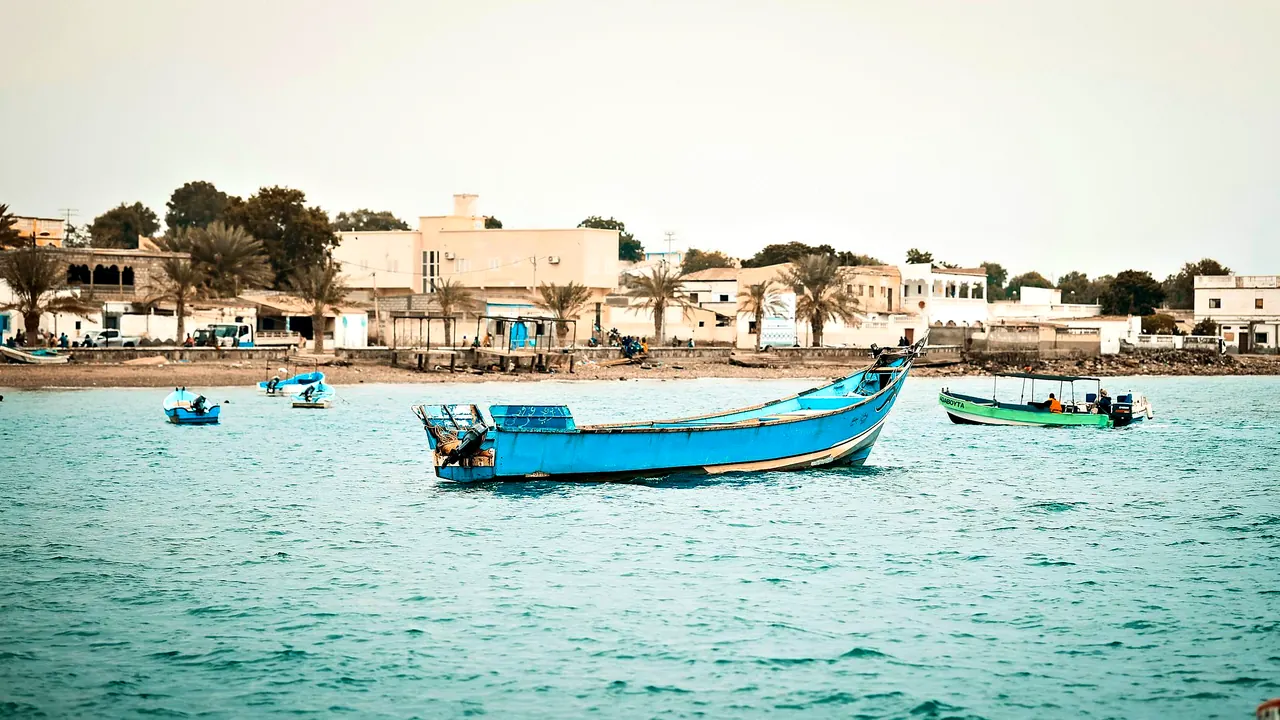
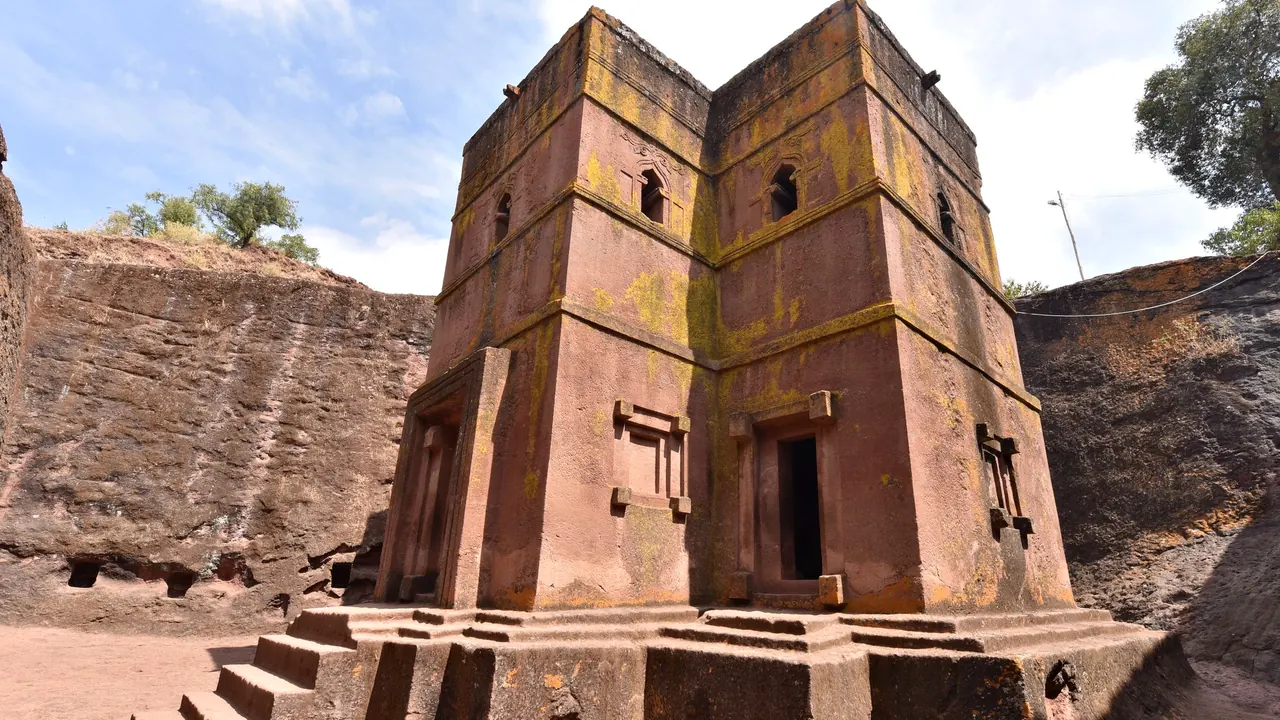
Photos: Djibouti by Mohamed Badri, Pexels License; Ethiopia by Aldo Bordoni, Pexels License.
Djibouti or Ethiopia?
Our verdict in twelve categories, each scored against the same fixed benchmark cities, and the climate month by month, so you can choose for your trip.
Choose Djibouti for
- beaches
- families
Djibouti is for a traveller who wants the sea and the rawest rift landscapes in one small country. Snorkelling off the Moucha and Maskali islands, swimming beside whale sharks in the Gulf of Tadjoura in winter, then driving out to the salt flats of Lac Assal and the steaming chimneys of Lac Abbé makes a short trip that is expensive but like nowhere else. It works best if you are happy to do without sights, restaurants and evenings out.
Choose Ethiopia for
- culture and sights
- prices
- day trips
Almost every other kind of trip is better in Ethiopia. Lalibela's rock-cut churches, the stelae of Aksum and the castles of Gondar give it a depth of history that Djibouti cannot come close to, and the Simien and Bale Mountains offer proper trekking. Injera, coffee ceremonies and azmari houses fill the meals and the nights, and day-to-day travel costs far less. The one thing it lacks is a coast.
Scoreboard
Twelve categories on one fixed scale from 0 to 100. The shaded stretch is the gap between the two.
Your match
Pick a travel style or drag the sliders, and both match scores follow your weighting.
Wins on beaches and families with your weighting.
Wins on culture and sights and prices with your weighting.
What matters to you?
Category by category
What the scores mean for a trip.
Beaches & swimming
Djibouti has the sea and Ethiopia does not, and that settles it. Djibouti's best swimming is off the Moucha and Maskali islands, a short boat ride from the capital, with white sand and reef shallows for snorkelling. Across the gulf there are simple camps at the Sables Blancs near Tadjoura. Even so, the beaches are few and have little built around them.
Landlocked Ethiopia comes down to one lake. Most of its Rift Valley lakes are not advised for swimming because of bilharzia, which leaves the sandy, tea-brown shores of Lake Langano, south of Addis Ababa, and hotel pools.
Where in Djibouti: Moucha and Maskali islands, Sables Blancs, Tadjoura, Ghoubbet
Where in Ethiopia: Lake Langano
Food & drink
Ethiopia is the clear winner here. A shared round of injera topped with wots, tibs and kitfo, all coloured by berbere, is a cuisine of its own, and the Orthodox fasting days add a whole plant-based repertoire. The coffee ceremony is part of daily life, and Addis Ababa and Harar have the most variety.
In Djibouti, eating well means staying in the capital. Its best dish is Yemeni-style fish baked against the wall of a clay oven in the African quarter, and the French bakeries around Place Menelik add some variety. Beyond that the choice is narrow, the smarter places are expensive, and out in the interior you eat whatever the camp serves.
Where in Djibouti: Djibouti City
Where in Ethiopia: Addis Ababa, Harar, Gondar
Culture & sights
The gap is wide. In Djibouti, history fills a few mornings: the arcaded colonial buildings around Place Menelik, the Hamoudi Mosque, the white houses of Tadjoura and, for anyone willing to make the long 4x4 drive and hike, the rock engravings at Abourma.
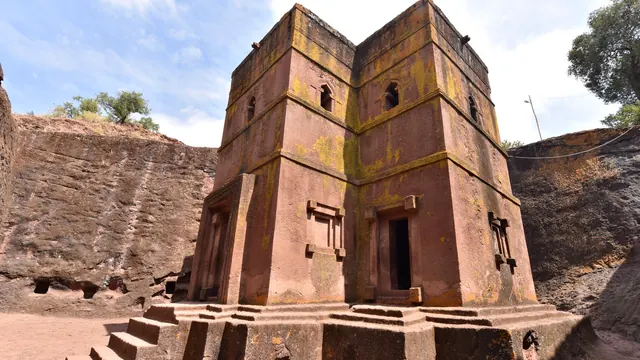
Ethiopia's heritage could carry a whole trip. The rock-cut churches of Lalibela are still used daily by priests and pilgrims, and there are the stelae of Aksum, the royal compound at Gondar, the painted monasteries of Lake Tana and the walled old town of Harar. Most of it is living religious heritage rather than museum display.
Where in Djibouti: Djibouti City, Tadjoura, Abourma
Where in Ethiopia: Lalibela, Aksum, Gondar, Harar
Nightlife
Neither country is made for going out, but Ethiopia has more of it. In Djibouti City a handful of expensive bars, hotel lounges and small clubs around the European quarter serve mostly foreign residents. Addis Ababa has rooftop bars, lounges and clubs in Bole and Kazanchis that fill late at weekends, and neighbourhood bars pour local beer and tej. In both countries, nights away from the capital end early, at a campfire in Djibouti and after dinner before an early start in Ethiopia.
Where in Djibouti: Djibouti City
Where in Ethiopia: Addis Ababa
Nature & outdoors
This is where Djibouti is strongest, but Ethiopia offers more. Djibouti's rift landscapes are startling and within reach of the capital: the turquoise lake and salt crust of Lac Assal, the steaming limestone chimneys of Lac Abbé. It also has something Ethiopia lacks, the sea, with whale sharks in the Gulf of Tadjoura and wild reefs around the Seven Brothers islands.
Ethiopia adds mountains and wildlife on a different scale. You can trek the cliff edges of the Simien Mountains among gelada monkeys, look for the Ethiopian wolf on the Bale moorland and watch birds at the Rift Valley lakes. The Danakil, with Erta Ale and Dallol, takes the same volcanic drama even further.
Where in Djibouti: Lac Abbé, Lac Assal and the Ghoubbet, Gulf of Tadjoura, Goda Mountains
Where in Ethiopia: Simien Mountains, Bale Mountains, Danakil Depression, Rift Valley lakes
Day trips
In Djibouti, the best outings from the capital lead to landscapes, and the towns are small. Tadjoura, Obock, the cooler hills of Arta and the market town of Ali Sabieh are each worth an hour or two.
Ethiopia's side trips are linked to its circuit and have more substance. There are boats from Bahir Dar to the Lake Tana monasteries, the cave church of Yemrehanna Kristos near Lalibela, the temple at Yeha from Aksum, and Debre Libanos or the stelae at Tiya from Addis Ababa. Slow roads mean most of these take a morning rather than a full day.
Where in Djibouti: Tadjoura, Obock, Arta, Ali Sabieh
Where in Ethiopia: Bahir Dar, Lalibela, Addis Ababa, Aksum
Good for families
Both countries are hard going with children, and neither has parks or attractions made for them. The difference is the setting. In Djibouti the risk is heat, which is dangerous for young children for much of the year. Families with older children who come in winter can take a boat to the Moucha islands to snorkel or go out to see the whale sharks.
In Ethiopia the challenges are altitude, long drives and careful health preparation. The rewards are inland: gelada monkeys in the Simien Mountains, a lodge on Lake Langano, and people who are warm towards children.
Where in Djibouti: Moucha and Maskali islands, Gulf of Tadjoura
Where in Ethiopia: Simien Mountains, Lake Langano
Getting around
Ethiopia is easier to cover, mainly because domestic flights from Addis Ababa reach every stop on the northern historic route in short hops. Bahir Dar is flat and easy by bajaj or bicycle, while Addis Ababa itself is spread out and slow with traffic.
Djibouti is small but harder than its size suggests. There is no public transport a visitor would use outside the capital, the road west is busy with trucks, and the tracks to Lac Abbé and the north need a 4x4 and a driver who knows them. Boats take you to the islands and to Tadjoura.
Where in Djibouti: Djibouti City
Where in Ethiopia: Bahir Dar, Gondar, Lalibela, Addis Ababa
Shopping & style
Ethiopia has much more worth taking home. Merkato in Addis Ababa is a vast market and a sight in its own right, Shiro Meda sells handwoven cotton shawls with embroidered borders, and there are carved crosses in Lalibela, woven baskets in Harar and coffee beans everywhere. Djibouti's shopping is the port-fed market stalls of the capital's African quarter, where Afar daggers, baskets and incense burners are the only crafts of note.
Where in Djibouti: Djibouti City
Where in Ethiopia: Addis Ababa, Harar, Lalibela
Affordability
Ethiopia is much the cheaper of the two. Everyday meals, coffee, buses and guesthouses cost very little, and Bahir Dar and Gondar are especially good value. Its extra costs are entry fees, guides, trekking crews and flights between regions, so a comfortable organised circuit comes out reasonable rather than cheap.
In Djibouti, the costs come at you from every side. Hotel rooms in the capital are expensive for what they offer, and the outings that justify the trip, 4x4s to the lakes, camps and boats to the islands, are costly for one or two people. Travelling in a small group and sharing vehicles helps most.
Where in Djibouti: Djibouti City
Where in Ethiopia: Bahir Dar, Gondar, Addis Ababa
Live music & performing arts
Ethiopia is the only one of the two with performances to plan an evening around. Addis Ababa has azmari houses, where singers improvise teasing verses to the one-stringed masenqo, Ethio-jazz clubs and the eskista dance in traditional restaurants, and Gondar keeps its own azmari houses going. In January, Timket in Gondar and Genna at Lalibela are worth building a trip around. In Djibouti, Somali and Afar music lives at weddings and national celebrations, with no venues a visitor can rely on.
Where in Ethiopia: Addis Ababa, Gondar, Lalibela
Wellness & relaxation
Neither country is a place for pampering, but Ethiopia has a real hot-spring tradition: the Filwoha baths in Addis Ababa, and the warm pools at Sodere and Wondo Genet where Ethiopians spend their weekends. Djibouti's versions are memorable but brief, floating in the dense salt water of Lac Assal or soaking in the springs near Lac Abbé in the middle of a hot excursion. In Djibouti the calmest days come on the gulf islands in winter, and in Ethiopia at a lakeside lodge.
Where in Djibouti: Lac Assal, Lac Abbé
Where in Ethiopia: Addis Ababa, Wondo Genet, Sodere
When should you go?
Pick your month, and for a country the place in it. The climate figures are measured averages, not a forecast.
Djibouti City (Djibouti) in July
Addis Ababa (Ethiopia) in July
Daytime high, °C
Rainfall in the month, mm
Where the figures come from
Djibouti City (Djibouti) has no weather station within reach, so its figures come from a gridded climate model rather than a measured record, and read a broad area rather than one spot.
Temperature and rainfall are climate normals, averaged over the years shown. Djibouti City (Djibouti): 2001-2020 normals, NASA POWER reanalysis grid, no weather station within 90 km. Addis Ababa (Ethiopia): 1991-2020 normals, Addis Ababa (7.8 km from centre).
Djibouti is a winter destination. From December to February the capital's days are around 28°C and the sea is warm, mostly 27 to 28°C, and these are the months when the beaches, the island boat trips and the whale sharks all come together. The heat builds through spring, and by June and July Djibouti City reaches 39°C, far too hot for walking the streets or lying on the sand. Rain hardly matters at any time of year.
Addis Ababa is mild all year, with daytime highs in the low to mid twenties, so in the highland capital the problem is rain, not heat. The long rains start in June and peak in August at nearly 300mm, which is also the greyest stretch of the year. October to February is dry and bright, December is the sunniest month, and this is the season for trekking and for the January festivals. That makes November to February the best time for both countries.
Which traveller are you?
On a beach and sun trip, Djibouti is the only real option of the two. Ethiopia has no coast, while Djibouti offers warm, clear water, white sand and reef shallows on the Moucha and Maskali islands in winter, plus snorkelling with whale sharks.
For a culture and arts trip, Ethiopia wins easily. Lalibela's living rock churches, Aksum's stelae, Gondar's castles and Harar's walled lanes make a full historic circuit, and azmari music and the festivals of Timket and Genna add evenings and spectacle that Djibouti cannot match.
On a trip on a tight budget, Ethiopia goes much further. Local meals, coffee, minibuses and simple guesthouses cost very little, especially in Bahir Dar and Gondar. In Djibouti the hotels are expensive and the 4x4s, camps and boats that every worthwhile outing needs add up quickly.
More comparisons
Each shares a side with Djibouti or Ethiopia.
Where else could you go?
Set Djibouti or Ethiopia against any other country.