Djibouti City
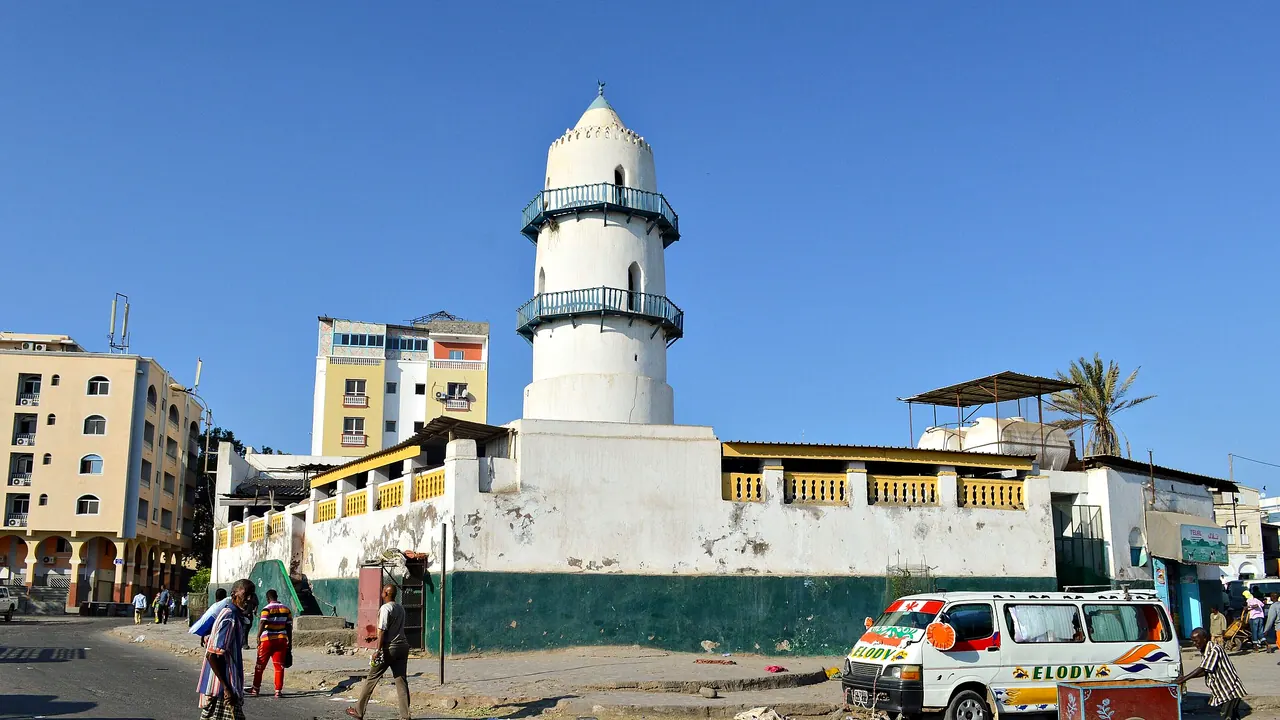
The Hamoudi Mosque and its white minaret in Djibouti City
- Nature & outdoors63
- Beaches52
- Food & drink33
Photo: Francisco Anzola from United States, CC BY 2.0, cropped
Match
26
Every category weighted equally
- Beach & sun30
- Culture & arts21
- Food & nightlife24
- Family trip29
- Outdoors31
- Relax & unwind29
- Shopping & style23
- On a budget26
Djibouti City in twelve categories
Our verdict on each, scored 0 to 100 against the same fixed benchmark cities, so a score means the same thing on every page.
Beaches & swimming. Scores 52 out of 100.
Food & drink. Scores 33 out of 100.
Culture & sights. Scores 16 out of 100.
Nightlife. Scores 22 out of 100.
Nature & outdoors. Scores 63 out of 100.
Day trips. Scores 10 out of 100.
Good for families. Scores 20 out of 100.
Getting around. Scores 28 out of 100.
Shopping & style. Scores 18 out of 100.
Affordability. Scores 27 out of 100.
Live music & performing arts. Scores 7 out of 100.
Wellness & relaxation. Scores 14 out of 100.
Djibouti City category by category
Beaches & swimming
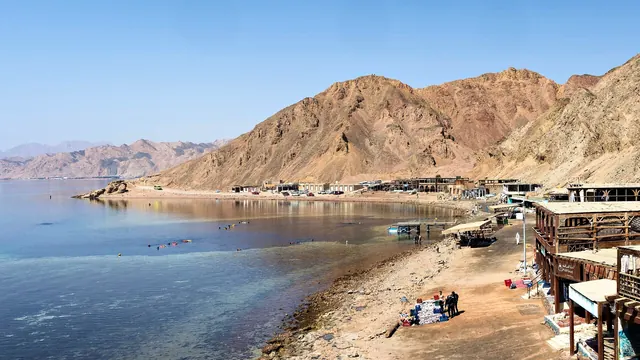
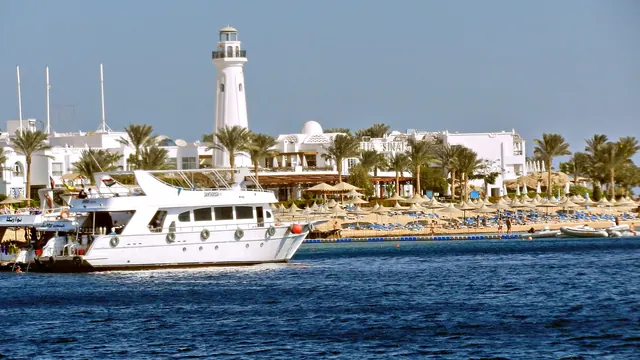
52The sea here is very warm, around 27°C in the cooler months and above 30°C in summer, but the city's own shore is mostly port, rocky foreshore and a few small strips of sand. The beaches worth the effort lie offshore. Moucha and Maskali islands are a short boat ride across the bay and have pale sand, calm shallows and coral close in. Doraleh and the coves towards Khor Ambado are a short drive west.
The comfortable season runs from about November to March. From June to September the air passes 40°C and lying on a beach stops being a pleasure. Shade is scarce and facilities are basic, so beach days mean an organised island trip rather than a stroll to the sand.
Food & drink
33The dish to seek out is Yemeni-style fish: whole fish split open, spread with chilli paste and baked against the walls of a clay oven, then eaten by hand with flatbread. You find it in plain grill houses around the African quarter. Somali and Ethiopian cooking, with spiced rice, goat, injera and sweet spiced tea, fill in the rest of the everyday table, and the French past shows in baguettes and croissants from the bakeries of the European quarter.
Beyond that the choice is narrow. Sit-down restaurants mostly serve a mix of French, Italian and grilled seafood to expatriates and military personnel. Alcohol is sold, but in hotels and a few restaurants rather than as part of daily life. Afternoon social life centres on khat, not on food or drink.
Culture & sights
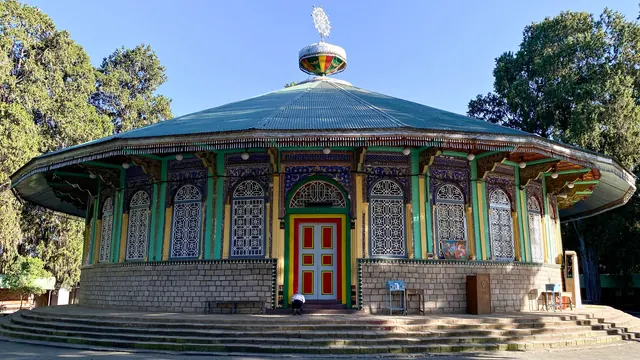
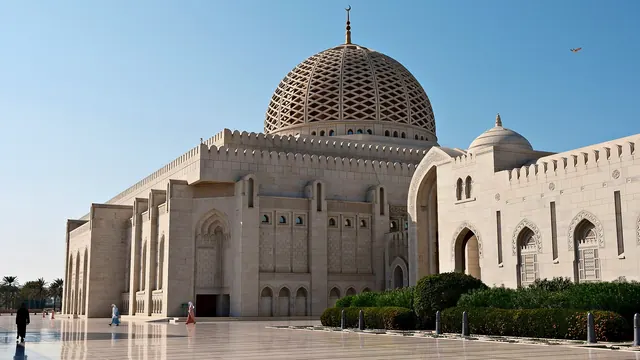
16Djibouti City has little to see in the conventional sense. The European quarter around Place Menelik keeps some arcaded colonial buildings in Moorish-tinged white plaster, faded and patched. The Hamoudi mosque, with its white minaret, is the best-known landmark, and the presidential palace and the old railway station are worth a look from outside. There is no museum of real substance. Most visitors spend half a day walking the centre and the African quarter, then put their time into the landscapes outside the city.
Nightlife
22Going out here is a small scene shaped by the foreign military bases and the expatriate community. A few bars and nightclubs in the European quarter stay open late at weekends, and the larger hotels have bars and terraces facing the sea. Local evening life is different: families walk the seafront and men gather to chew khat, which leaves little bar culture of the street-drinking kind. Expect a drink and perhaps a dance, not a night out worth planning a trip around.
Nature & outdoors
63The real reason to come is the landscape around the city, raw and volcanic and unlike almost anywhere else. In the cooler months whale sharks gather in the Gulf of Tadjoura, and snorkelling alongside them from a small boat is the outstanding experience. The reefs around Moucha and further along the gulf are good for diving. About two hours west by road, Lac Assal lies 155m below sea level, a turquoise crater lake ringed with dazzling salt flats, beside the black lava fields of the Ghoubbet.
Further afield, Lac Abbe's limestone chimneys and the Day Forest's juniper hills are overnight journeys. Almost everything needs a 4x4 and a driver. From June to September the heat makes hiking and long excursions close to impossible.
Day trips
10There is little to visit as a separate town or heritage site. The exception is Tadjoura across the gulf, the oldest town in the country, with whitewashed houses and several small mosques, reached by boat or a long drive round the coast. Arta, in the hills above the city, is a cooler stop on the way west rather than a destination. Beyond that, trips out of the city are trips into the desert and the lakes, not to other places.
Good for families
20Very little here is made for children. Families manage best in the cooler months, using a hotel pool as a base and taking boat trips to the island beaches, where the water is calm and shallow. Older children may love the whale shark trips. Otherwise there are no parks, zoos or museums aimed at them. The summer heat is genuinely hard on small children, medical facilities are limited and excursions involve long, hot drives on rough roads.
Getting around
28The centre is compact, and the European quarter, the markets and the seafront are walkable in winter, though pavements are uneven and shade is rare. Shared minibuses serve locals but are hard for a visitor to read, so most people use the plentiful taxis and agree the fare first. For anything outside the city, whether the islands, Lac Assal or Tadjoura, you need a boat operator or a 4x4 with a driver, usually booked through a hotel or a local agency. In summer even short walks are punishing.
Shopping & style
18Shopping is a matter of markets rather than boutiques. The central market in the African quarter sells spices, fabrics, incense and household goods, and the stalls of Les Caisses near Place Menelik deal in cloth, imported electronics and odds and ends. Local crafts, such as woven baskets, Afar knives and silver jewellery, are available but not abundant. There are no fashion streets or department stores, and most visitors leave with little more than a scarf and some incense.
Affordability
27Djibouti City is a surprisingly expensive place to visit. Hotel rooms are priced for business travellers and military contractors, and even simple places cost what a comfortable hotel would in much of Europe. Almost everything is imported, so restaurants serving Western food and anything in a supermarket are dear. The biggest costs are the excursions: 4x4 hire with a driver and private boat trips quickly add up. Local grill houses, street tea and taxis within the city are the only real savings.
Live music & performing arts
7There is almost no performing arts life for a visitor to attend. Somali and Afar music and dance are part of weddings and national celebrations, and occasional concerts take place at the cultural centres, but there is no regular theatre, concert season or live-music circuit. Evening entertainment beyond dinner is very limited.
Wellness & relaxation
14Wellness here means a hotel spa and a pool. There is no hammam or bathing tradition to explore, and the city itself, hot, dusty and full of traffic around the port, is not a restful place. The quietest days come from a seafront hotel in the cooler months or an overnight stay at a simple desert camp, where the pace slows and the nights are very still.
When should you go?
Pick a month to see what it is like. The climate figures are measured averages, not a forecast.
Djibouti City in July
Daytime high, °C
Rainfall in the month, mm
The whole year
Shaded against this destination’s own year: the deepest cell is its best month for that figure and the palest its weakest.
Where the figures come from
Djibouti City has no weather station within reach, so its figures come from a gridded climate model rather than a measured record, and read a broad area rather than one spot.
Temperature and rainfall are climate normals, averaged over the years shown. Djibouti City: 2001-2020 normals, NASA POWER reanalysis grid, no weather station within 90 km.
Before you go
| Measure | Djibouti City |
|---|---|
| Official language | French, Arabic |
| Currency | Djibouti Franc (DJF) |
| Sockets | CE220 V, 50 Hz |
| Driving side | Right |
| Time zone | UTC+3 |
| Emergency number | Police 17, ambulance 19, fire 18 |
| Elevation | 14 m |
| Main airport | Djibouti-Ambouli Airport (JIB)5 km from centre10 non-stop destinations |
By the numbers
| Measure | Djibouti City |
|---|---|
| Population | 603,900 |
| People per km² | 3,020 |
| Museums within 10 km | 0 |
| UNESCO World Heritage sites within 50 km | 0 |
| Swim season, months above 21 °C | 12 months |
Compare Djibouti City with
Every comparison with a written verdict behind it.