Photos: Ethiopia by Aldo Bordoni, Pexels License; Kenya by Wladimir Kühne, Pexels License.
Ethiopia or Kenya?
Our verdict in twelve categories, each scored against the same fixed benchmark cities, and the climate month by month, so you can choose for your trip.
Choose Ethiopia for
- culture and sights
- prices
- day trips
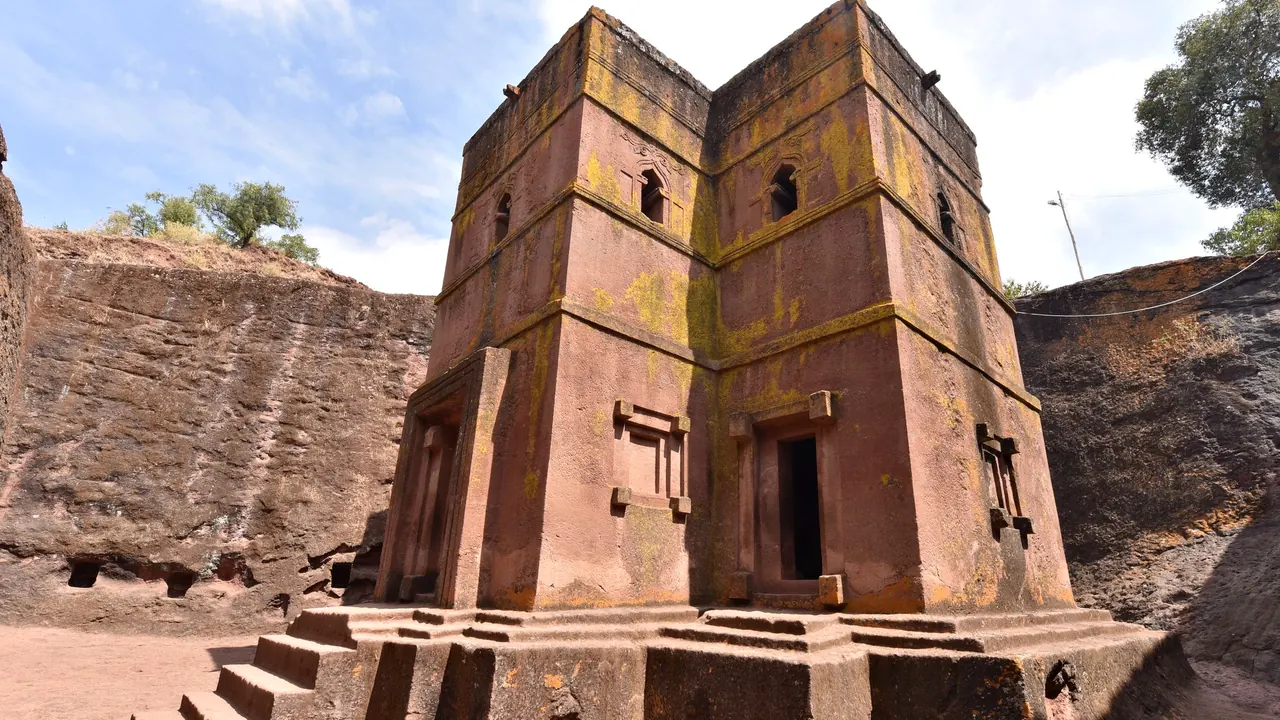
Ethiopia is for the traveller who wants history they have never seen before: rock-hewn churches in Lalibela still in daily use, the stelae of Aksum, Gondar's castles and the painted monasteries of Lake Tana. Add the Simien Mountains for trekking and a food culture of injera, wots and coffee roasted in front of you, and it makes a demanding, absorbing circuit for adults. Ordinary daily costs are lower too, as long as you can live without a beach and without much comfort for children.
Choose Kenya for
- beaches
- families
- nature and the outdoors
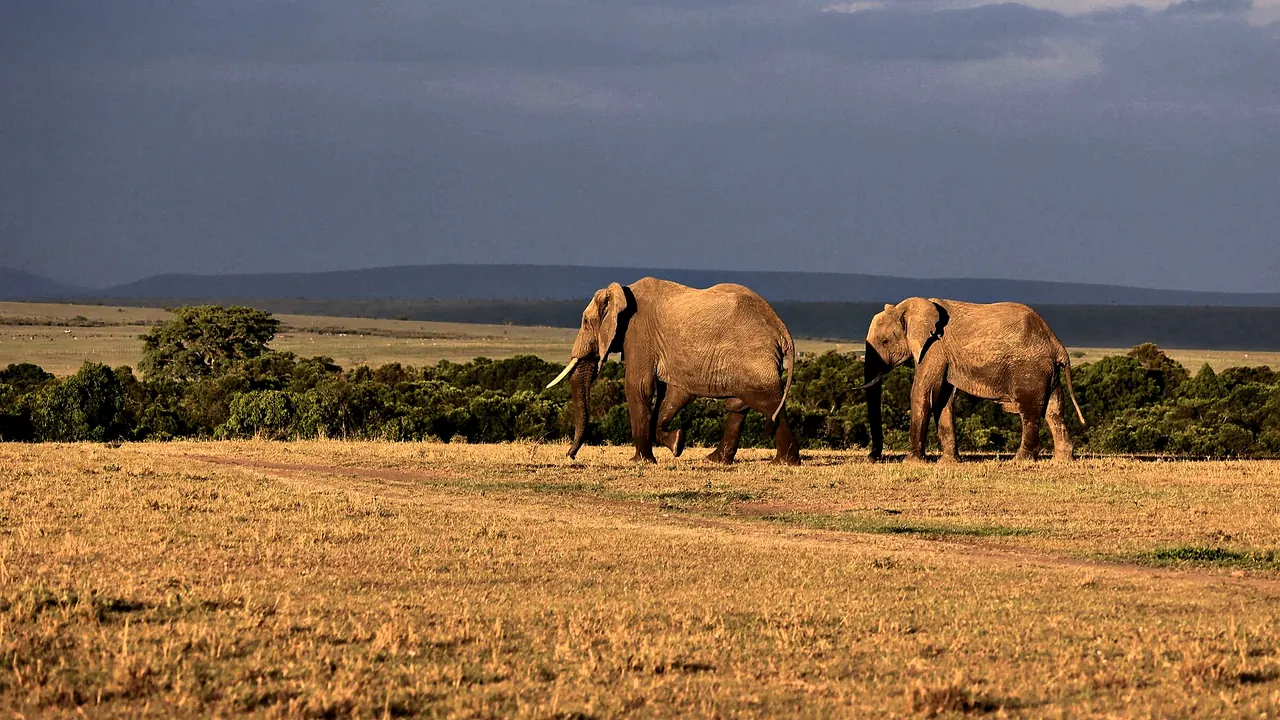
Kenya suits a trip built around animals and the sea. The Maasai Mara, Amboseli and Laikipia give one of the world's great safaris, and Diani, Watamu or Lamu make a warm Indian Ocean week to follow it. It is the easier choice for families and for anyone who wants rest at the end of the trip, though the days on safari make it the more expensive of the two.
Scoreboard
Twelve categories on one fixed scale from 0 to 100. The shaded stretch is the gap between the two.
Your match
Pick a travel style or drag the sliders, and both match scores follow your weighting.
Wins on culture and sights and prices with your weighting.
Wins on beaches and families with your weighting.
What matters to you?
Category by category
What the scores mean for a trip.
Beaches & swimming
Ethiopia has no coastline, and most of its lakes are not safe for swimming because of bilharzia. Lake Langano, with its brown water and sandy shore lodges, is the one place for a quiet lakeside swim, and anywhere else it means a pool.
Kenya has a proper beach coast. Diani has long white sand and shallow turquoise lagoons, Watamu has coves inside a marine park, and the Lamu archipelago has empty dunes reached by dhow. The sea is warm all year, but the tide pulls far out over the reefs, so swimming times depend on the tide table.
Where in Ethiopia: Lake Langano
Where in Kenya: Diani, Watamu, Lamu archipelago, Malindi
Food & drink
Ethiopia's cooking is more distinctive and more interesting to travel for. Shared rounds of injera topped with wots, tibs and kitfo, berbere in almost every dish, a large plant-based repertoire from the fasting days and the coffee ceremony make each meal feel particular to the place. Addis Ababa and Harar are where the depth is.
Kenya's food is plainer inland, mostly nyama choma, ugali and greens. The Swahili coast is the exception, with coconut fish curries in Lamu and Mombasa's evening street food. Nairobi's Indian cooking adds range, but safari meals are generic lodge cooking.
Where in Ethiopia: Addis Ababa, Harar, Gondar
Culture & sights
This is where Ethiopia is clearly stronger. Its old Christian heritage runs the length of the northern route: Lalibela's carved churches with priests and pilgrims still in them, Aksum's ancient stelae, Gondar's royal enclosure and the manuscript-filled monasteries of Lake Tana, with Muslim Harar in the east as a different world again.
Kenya's history is mostly on the coast, in the coral-stone Swahili towns. Lamu Old Town is a fine place to wander, and Fort Jesus and the Gede ruins are worth seeing, but inland there is little beyond Nairobi's museum. Both capitals display early human fossils, and that is roughly where the overlap ends.
Where in Ethiopia: Lalibela, Aksum, Gondar, Harar
Nightlife
Both countries keep their night out in the capital, and Kenya has a bit more of it. Nairobi's Westlands and Kilimani are full of rooftop bars and clubs playing Afrobeats and gengetone, and Mombasa and Diani add seafront and beach bars in the high season.
In Ethiopia, Bole and Kazanchis in Addis Ababa have lounges and weekend clubs, and small bars pour tej. On the historic route, though, evenings end after dinner in both countries' bush and heritage stops alike.
Where in Ethiopia: Addis Ababa
Nature & outdoors
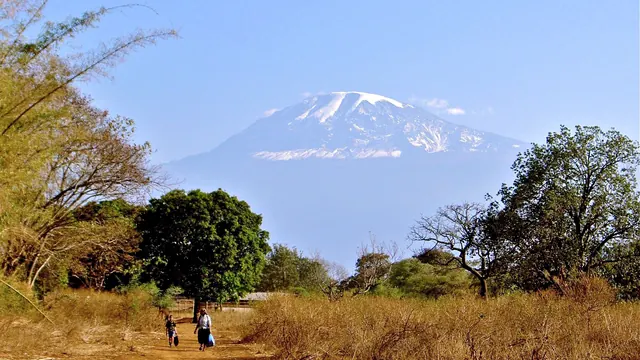
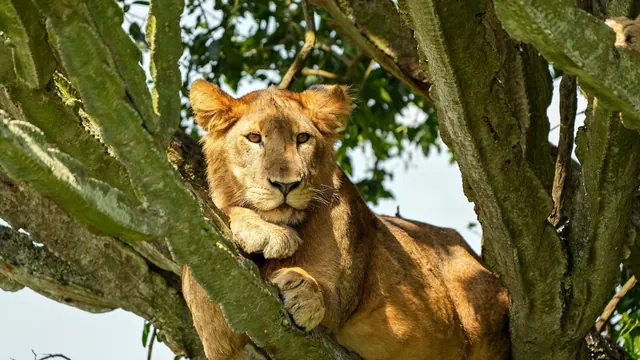
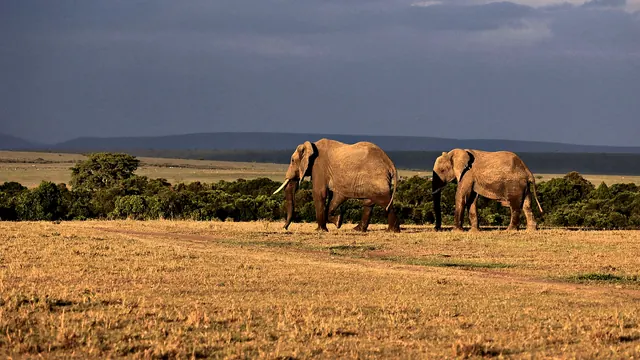
Both are outstanding, and Kenya has the edge thanks to its wildlife. The Maasai Mara's predators and migration, Amboseli's elephants under Kilimanjaro and walking safaris in Laikipia make it one of the world's defining safari countries, and coral reefs at Watamu and the Mount Kenya treks broaden it further.
Ethiopia's strength is the dramatic landscape itself. The Simien Mountains' cliff edges and gelada herds, the Ethiopian wolf on the Bale plateau and the lava and salt fields of the Danakil Depression are walking and expedition country rather than game-drive country.
Where in Ethiopia: Simien Mountains, Bale Mountains, Danakil Depression, Rift Valley lakes
Where in Kenya: Maasai Mara, Amboseli, Samburu and Laikipia, Mount Kenya
Day trips
Neither country is built for day trips from one base, but Ethiopia's side trips are more rewarding. From Lalibela you can drive to the cave church of Yemrehanna Kristos, boats cross Lake Tana from Bahir Dar, and Addis Ababa has Debre Libanos and the Tiya stelae within reach.
In Kenya most outings are into nature. Lamu's dhow trips to Shela, Takwa and Pate are the highlight, and Nairobi offers the Giraffe Centre and Lake Naivasha, but inland there are few towns worth a separate day.
Where in Ethiopia: Bahir Dar, Lalibela, Addis Ababa, Aksum
Where in Kenya: Lamu archipelago, Mombasa, Watamu and Malindi
Good for families
Kenya is far easier with children. From about six or seven, a Mara safari is a real adventure because the animals are easy to see. Lodges and Laikipia ranches run family tents and junior ranger programmes, Nairobi's elephant orphanage and Giraffe Centre are aimed squarely at young visitors, and Diani's pools and lagoons make a gentle finish. Malaria and bumpy transfers are the drawbacks.
Ethiopia is hard going for families. Much of the route lies above 2,000m, and the sights are churches and ruins reached on long drives or flights. Only adventurous older children are likely to enjoy the Simien geladas or a lodge on Lake Langano.
Where in Ethiopia: Simien Mountains, Lake Langano
Getting around
Getting around is about equally demanding in both, and both rely on short domestic flights. Ethiopia flies its historic circuit in hops from Addis Ababa, while Kenya's small planes from Wilson airport land on bush airstrips in the Mara and Samburu. Kenya also has the Nairobi to Mombasa railway across Tsavo, which Ethiopia lacks.
Within towns, flat Bahir Dar with its bajaj taxis is Ethiopia's easiest stop. In Kenya the equivalent is car-free Lamu, explored on foot and by boat. Both capitals are sprawling and heavy with traffic, so visitors mostly take taxis.
Where in Ethiopia: Bahir Dar, Gondar, Lalibela, Addis Ababa
Shopping & style
Both countries are about crafts rather than fashion, so the difference is in what you bring home. Ethiopia offers hand-carved Orthodox crosses and church paintings from Lalibela, Harar baskets, white cotton shawls from Shiro Meda and coffee beans, and Merkato is an overwhelming sight in its own right.
Kenya has Maasai beadwork, kikoy cloths and soapstone carvings, best browsed at Nairobi's rotating Maasai Market, and it also has more malls and a small designer scene in Karen and Westlands.
Where in Ethiopia: Addis Ababa, Harar, Lalibela
Affordability
Ethiopia is the cheaper country overall. Local meals, coffee and guesthouses cost very little, and Bahir Dar and Gondar are especially good value. Entry fees for foreigners, compulsory guides and domestic flights raise the price of an organised circuit, but it still rarely matches what Kenya costs.
Kenya's big expense is the safari. Daily park and conservancy fees and lodges in the Mara among Africa's most expensive mean the bill climbs quickly, while a beach week in Diani or Watamu can be modest. Camping safaris from Nairobi are the way to save.
Where in Ethiopia: Bahir Dar, Gondar, Addis Ababa
Live music & performing arts
Ethiopia has more live performance worth going out for. In Addis Ababa's azmari houses, singers with the one-stringed masenqo make up verses about the audience, Ethio-jazz has its own club following, and Gondar keeps the azmari tradition going. The Timket and Genna festivals in Gondar and Lalibela are spectacles worth planning a trip around.
Kenya's music is mostly bands in Nairobi's bars playing benga, rhumba and Afro-fusion, with dancing put on for visitors at safari lodges. The most distinctive event is Lamu's cultural festival, with its dhow races and Swahili poetry.
Where in Ethiopia: Addis Ababa, Gondar, Lalibela
Where in Kenya: Nairobi, Lamu
Wellness & relaxation
Kenya is the easier place to unwind. Diani and Watamu have resort spas and yoga retreats, and the car-free pace of the Lamu archipelago is deeply restful after a safari.
Ethiopia has the bathing tradition Kenya lacks, with the Filwoha springs in Addis Ababa and warm pools at Sodere and Wondo Genet, but these are simple local baths rather than spas. Long drives and early starts also make an Ethiopian circuit more tiring than relaxing.
Where in Ethiopia: Addis Ababa, Wondo Genet, Sodere
Where in Kenya: Lamu archipelago, Diani, Watamu
When should you go?
Pick your month, and for a country the place in it. The climate figures are measured averages, not a forecast.
Where in Kenya
Addis Ababa (Ethiopia) in July
Nairobi (Kenya) in July
Daytime high, °C
Rainfall in the month, mm
Temperature and rainfall are climate normals, averaged over the years shown. Addis Ababa (Ethiopia): 1991-2020 normals, Addis Ababa (7.8 km from centre). Nairobi (Kenya): 1991-2020 normals, Nairobi ACC/FIC/RCC/MET/COM/ (13.3 km from centre).
Ethiopia's year turns on one long rainy season. In Addis Ababa and across the highlands, October to March is the dry, sunny stretch and the best time for walking around churches and castles, with December the sunniest month of all. Showers build through April and May, and from June to September the rains set in hard, peaking near 298mm in August, with days cooling to about 21°C. Trekking in the Simien and Bale Mountains is best from October to March, when the hills are green after the rains.
Kenya's calendar runs almost the other way. In the Maasai Mara and Nairobi, June to September is the driest and most reliable time for safari, which is when the Mara's migration arrives, while March to May and November to December bring the rains. At Diani the days are hot all year and the sea stays between about 25°C and 29°C. January and February are the driest months on the coast and May the wettest, at about 310mm. So Ethiopia's wet months fall in Kenya's best safari season, and Ethiopia's dry winter suits a Kenyan beach week.
Which traveller are you?
On a beach and sun trip, Kenya is the only real choice. Diani's white sand and reef-sheltered lagoons, Watamu's marine park and the dunes of Lamu offer warm Indian Ocean swimming, while landlocked Ethiopia has little beyond Lake Langano and hotel pools.
For a culture and arts trip, Ethiopia is far richer. Lalibela's rock churches, Aksum's stelae, Gondar's castles and walled Harar make a historic route unlike anywhere else, and azmari houses add live music in the evening. Kenya's heritage is mostly Lamu and Mombasa's Fort Jesus.
On a family trip with children, Kenya works much better. The open Mara makes animals easy to spot, lodges run junior ranger programmes and Diani's resort pools make a gentle second week. Ethiopia means high altitude, long drives and sights that are mostly churches.
More comparisons
Each shares a side with Ethiopia or Kenya.

Where else could you go?
Set Ethiopia or Kenya against any other country.