Kenya
Nairobi
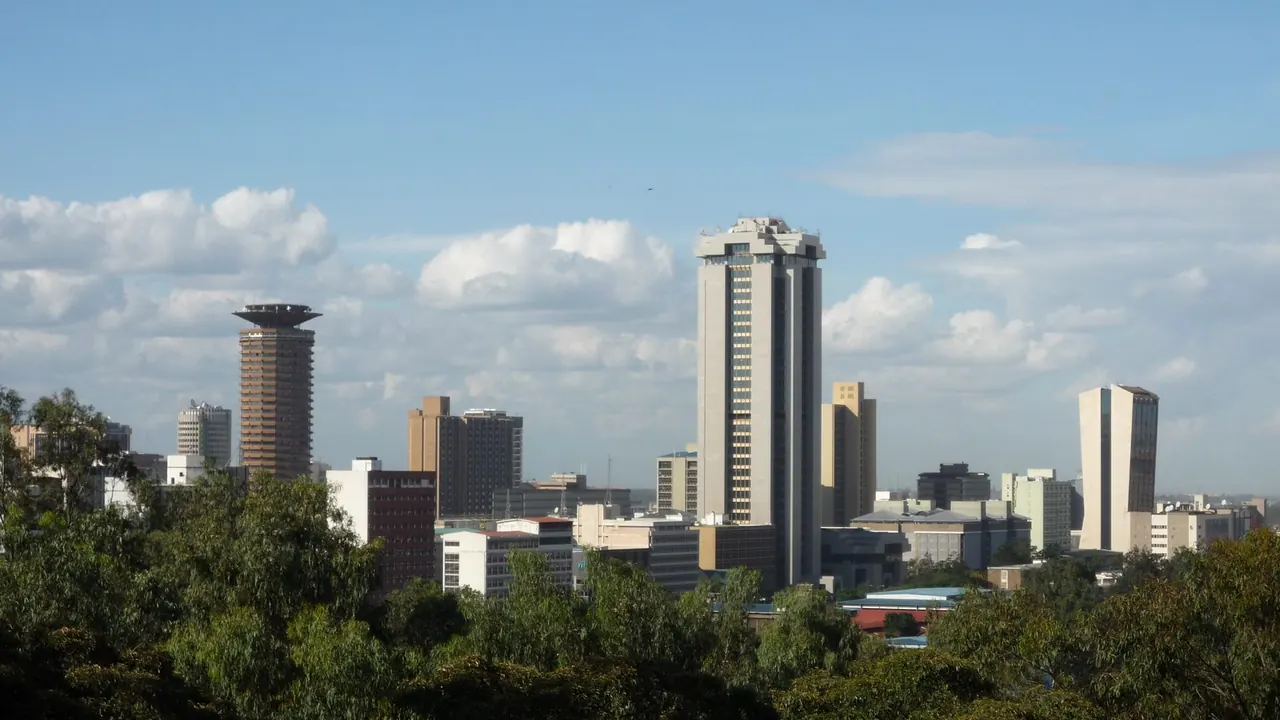
The Nairobi skyline with the KICC tower
- Nature & outdoors84
- Affordable cities60
- Nightlife58
Photo: Lmwangi, CC BY-SA 3.0, cropped
Match
41
Every category weighted equally
- Beach & sun39
- Culture & arts39
- Food & nightlife40
- Family trip42
- Outdoors44
- Relax & unwind39
- Shopping & style41
- On a budget43
Nairobi in twelve categories
Our verdict on each, scored 0 to 100 against the same fixed benchmark cities, so a score means the same thing on every page.
Beaches & swimming. Scores 4 out of 100.
Food & drink. Scores 48 out of 100.
Culture & sights. Scores 35 out of 100.
Nightlife. Scores 58 out of 100.
Nature & outdoors. Scores 84 out of 100.
Day trips. Scores 28 out of 100.
Good for families. Scores 55 out of 100.
Getting around. Scores 20 out of 100.
Shopping & style. Scores 45 out of 100.
Affordability. Scores 60 out of 100.
Live music & performing arts. Scores 35 out of 100.
Wellness & relaxation. Scores 25 out of 100.
Nairobi category by category
Beaches & swimming
4Nairobi sits on a highland plateau far from the sea. The Kenyan coast is an hour's flight or several hours by train away, so it can't be reached as part of a stay in the city. Swimming here means a hotel or club pool. Travellers who want beach time usually add a few days at the coast before or after Nairobi.
Food & drink
48Eating in Nairobi revolves around nyama choma, goat or beef roasted slowly over charcoal and served with ugali, kachumbari salad and cold beer. Long weekend afternoons around the grill are a social ritual. The rest of everyday Kenyan food is hearty and simple: chapati, sukuma wiki greens, githeri and pilau, much of it eaten at roadside kiosks and busy canteens near the centre. Swahili dishes from the coast add coconut and spice.
The city's long-settled South Asian community has made Indian food one of its real strengths, and Ethiopian restaurants are easy to find. Kenyan coffee and tea are grown just outside the city and turn up fresh in a large café scene around Westlands, Kilimani and Karen. Upmarket dining exists but has limited depth, and the local cuisine on its own isn't much of a reason to visit.
Culture & sights
35Nairobi only dates from 1899, when it began as a railway depot, so it has no old quarter or grand historic cityscape. Its best cultural stop is the Nairobi National Museum, with good galleries on Kenyan history and peoples and a famous collection of early human fossils. On the city's edge, the Karen Blixen Museum keeps the farmhouse made famous by Out of Africa.
Smaller sights include the Railway Museum, a few colonial-era buildings in the central business district, and the Kenyatta International Convention Centre, whose rooftop gives a view over the city. Contemporary African art galleries add some interest. Most visitors give the city's sights a day or two and spend the rest of their time on wildlife.
Nightlife
58Nairobi goes out late and hard, especially from Thursday to Saturday. The centre of it is Westlands, a district of rooftop bars, lounges and clubs where Afrobeats, amapiano, gengetone and bongo flava play until dawn. Kilimani and Kileleshwa have quieter cocktail and wine bars, and the city's many local pubs fill up with crowds watching football and roasting meat. The scene is local and confident, with no expat bubble.
The catch is getting around. Areas are spread out and not safe to walk between at night, so visitors take ride-hailing cars door to door. If you plan around that, there's a good, lively night to be had.
Nature & outdoors
84Nairobi is the only capital where you can watch lions, rhinos, buffalo and giraffes on open savanna with office towers on the horizon. Nairobi National Park begins at the city's southern edge, and early-morning game drives are a real safari. Inside the city, Karura Forest has shaded walking and cycling trails, waterfalls and caves, and the Ngong Hills give ridge walks with views across the Rift Valley.
Within about two hours you reach the floor of the Rift Valley. You can cycle among zebras in Hell's Gate gorge, take boats among hippos on Lake Naivasha, or hike the rim of the extinct volcano Mount Longonot. At about 1,700m, the city has a mild climate for being outdoors all year, apart from the long rains around April and May.
Day trips
28Most trips out of Nairobi lead to landscapes and wildlife rather than other towns, and the places within easy reach are modest. The green tea estates of the Limuru highlands make a pleasant half-day, with farm visits and lunch looking over the plantations. Olorgesailie, about 90 minutes south in the Rift Valley, is a prehistoric site where stone hand axes lie where they were found.
Beyond those, nearby market towns such as Naivasha and Thika are working places rather than destinations. Kenya's major heritage sites, including old Mombasa, Lamu and the Swahili ruins, are on the coast, which is too far for a day trip.
Good for families
55Nairobi's wildlife attractions are hard for children to beat. At the Giraffe Centre in Langata, they can feed endangered Rothschild's giraffes from a raised platform. Nearby, the Sheldrick Wildlife Trust's elephant orphanage lets visitors watch baby elephants being bottle-fed and playing in the mud. A morning drive in Nairobi National Park gives young children a full safari without a long journey, and the park's animal orphanage and Karura Forest's trails fill another day.
The rest is harder work. The family attractions are in the leafy suburbs of Karen and Langata, so staying there makes life easier. Long drives in heavy traffic, few pavements and the need to stay watchful in busy areas make the city itself tiring with small children. Kenyans are warm towards children everywhere, though.
Getting around
20Getting around Nairobi takes patience. The main sights are spread across the outer suburbs, with the Giraffe Centre and elephant orphanage in Karen and Langata and nightlife in Westlands. The roads between them are among the most congested in Africa, so a short distance can take an hour at rush hour.
The city's minibuses, called matatus, are loud, brightly painted and a cultural sight in themselves, but their routes are hard for a visitor to work out. The compact central business district can be walked by day, but few other areas have pavements, and walking after dark isn't advised. In practice, visitors use ride-hailing apps, taxis or a hired driver. The elevated expressway to the airport is a real help.
Shopping & style
45Shopping in Nairobi is mostly about crafts. The Maasai Market moves between sites around the city on different days of the week, and its stalls sell beadwork, soapstone carvings, kiondo sisal baskets, kikoy and kanga cloth, and wooden animals. Expect to bargain. In Karen and on the city's outskirts, workshops make hand-blown glass, ceramic beads and woven textiles, and you can often watch the work being done. Kenyan coffee and tea make good gifts to take home.
Westlands, Gigiri and the newer suburbs have large shopping malls with international chains and supermarkets. These are comfortable and safe but much like malls anywhere. A small scene of local fashion designers exists, but there are no luxury or boutique streets.
Affordability
60Nairobi costs very different amounts depending on how you travel. Local canteens, roadside nyama choma, beer, coffee and ride-hailing cars are cheap. But visitors mostly stay in secure, international-standard hotels in Westlands, Upper Hill or Karen, and those are priced well above the local cost of living. The same is true of restaurants in the affluent suburbs.
Wildlife sightseeing adds to the bill. Non-residents pay much higher entry fees than Kenyans at the national park and many attractions, and a game drive also means paying for a vehicle and driver. A careful traveller can keep costs moderate, but Nairobi is not a budget city.
Live music & performing arts
35Nairobi's best live performances come from its own music. Bands play benga, rumba, Afro-fusion and jazz in clubs and garden venues, especially on weekend evenings. A few venues host regular jazz nights, and annual music festivals bring artists from across Africa. At Bomas of Kenya, on the road to Langata, troupes perform the traditional dances of Kenya's many communities in a large auditorium. These shows are a good introduction for a visitor.
The Kenya National Theatre and the Kenya Cultural Centre stage plays in English and Swahili, and there is a lively spoken-word and comedy scene. Opera and professional classical music barely exist, though, and you'll need to check local listings to see what's on.
Wellness & relaxation
25Nairobi has no bathing or spa tradition of its own. Wellness here means the spas of the larger hotels and some day spas in Westlands and Karen. The city itself is noisy and congested, so it won't restore you.
The closest thing to calm is in the green suburbs of Karen and Langata. Garden hotels and old colonial-style cottages there have lawns, birdsong and long breakfasts on the veranda, and the cool highland mornings are pleasant. Many visitors save their rest for the safari lodges or the coast.
When should you go?
Pick a month to see what it is like. The climate figures are measured averages, not a forecast.
Nairobi in July
Daytime high, °C
Rainfall in the month, mm
The whole year
Shaded against this city’s own year: the deepest cell is its best month for that figure and the palest its weakest.
Temperature and rainfall are climate normals, averaged over the years shown. Nairobi: 1991-2020 normals, Nairobi ACC/FIC/RCC/MET/COM/ (13.3 km from centre).
Before you go
| Measure | Nairobi |
|---|---|
| Official language | English, Swahili |
| Currency | Kenyan Shilling (KES) |
| Sockets | G240 V, 50 Hz |
| Driving side | Left |
| Time zone | UTC+3 |
| Emergency number | Police 112/999, ambulance 112/999, fire 112/999 |
| Elevation | 1,661 m |
| Main airport | Jomo Kenyatta International Airport (NBO)13 km from centre60 non-stop destinations |
| Public holidays this year | 10 days |
By the numbers
| Measure | Nairobi |
|---|---|
| City population | 5,545,000 |
| People per km² | 7,967 |
| Museums within 10 km | 4 |
| UNESCO World Heritage sites within 50 km | 0 |
Compare Nairobi with
Every comparison with a written verdict behind it.