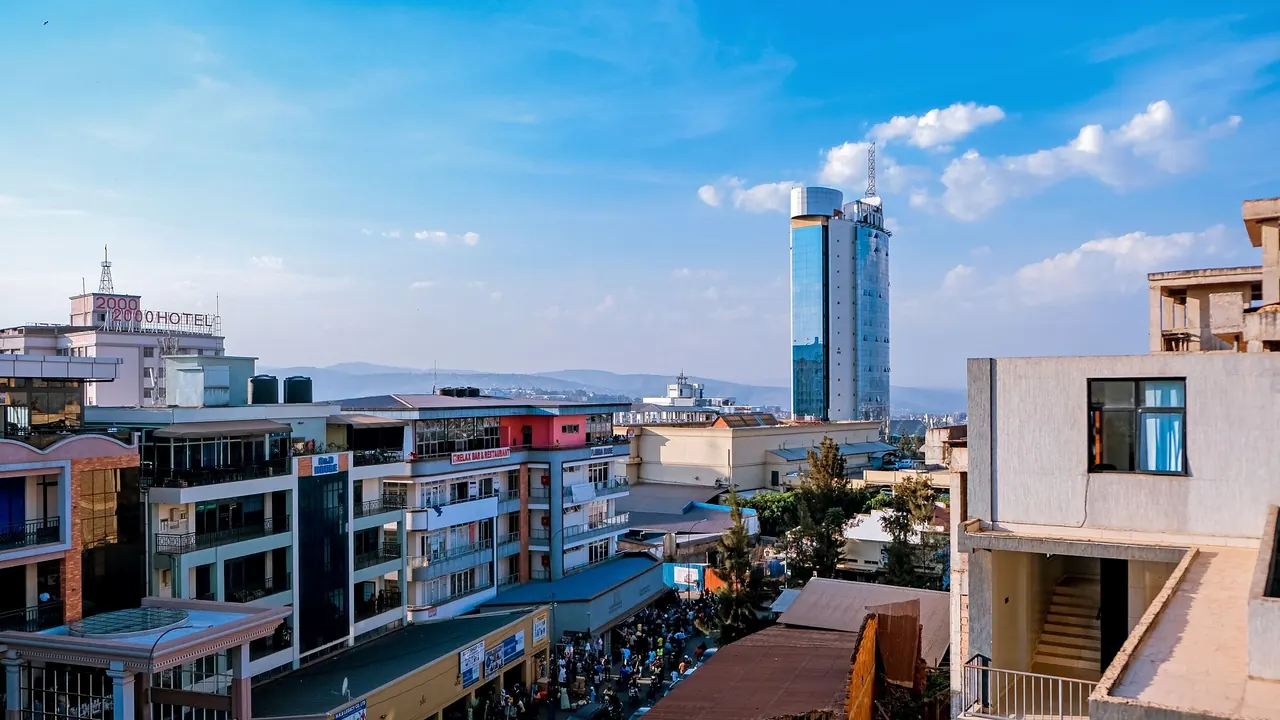
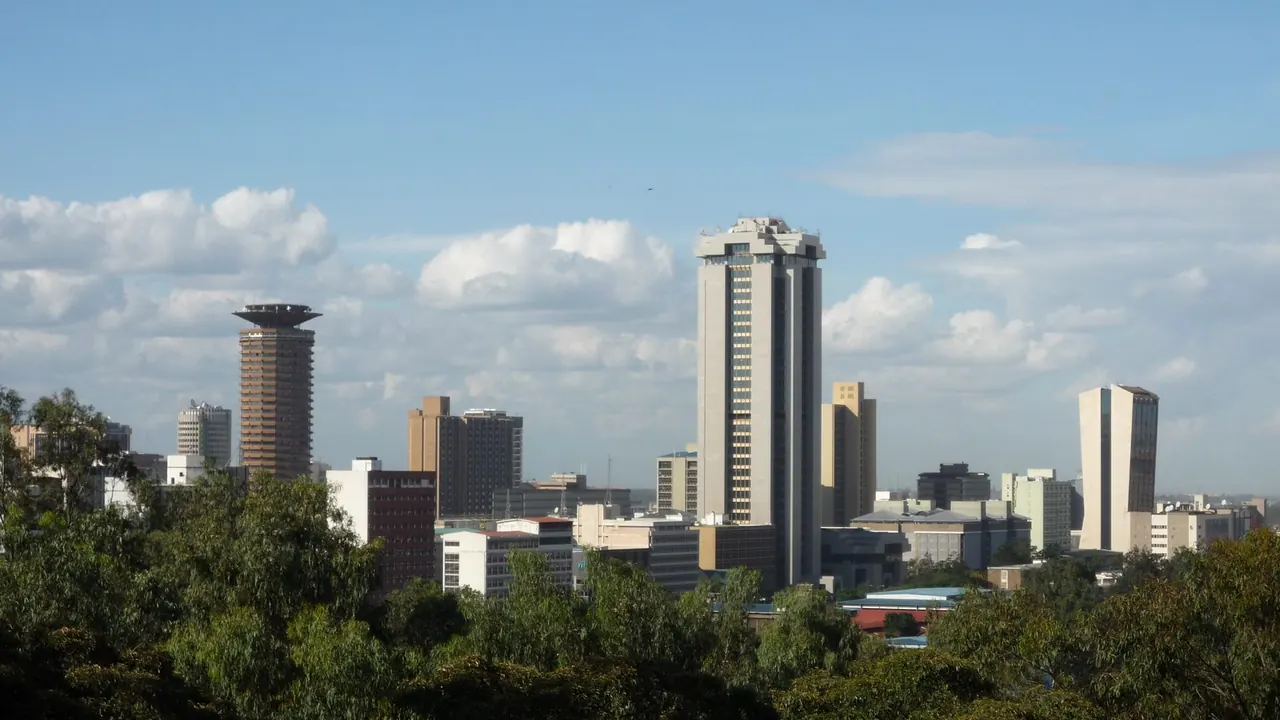
Photos: Kigali by Jax pexels, Pexels License; Nairobi by Lmwangi, CC BY-SA 3.0, cropped.
Kigali or Nairobi?
Our verdict in twelve categories, each scored against the same fixed benchmark cities, and the climate month by month, so you can choose for your trip.
Choose Kigali for
- getting around
- wellness
- day trips
Kigali suits a traveller who wants a calm, orderly capital as a base for Rwanda. Rides between the ridges are short, the streets are clean and safe to walk, and the memorials at Gisozi, Nyamata and Ntarama make a few days of reflection. It is the gentler city of the two, better for unhurried days and for anyone going on to the gorillas or Lake Kivu.
Choose Nairobi for
- nature and the outdoors
- nightlife
- families
Choose Nairobi if you want wildlife on the doorstep and a bigger night out. Lions and rhinos graze within sight of the city's towers, and the Giraffe Centre and elephant orphanage make it the stronger choice with children. Westlands keeps going until dawn. The cost is time spent in traffic and a car for nearly every journey.
Scoreboard
Twelve categories on one fixed scale from 0 to 100. The shaded stretch is the gap between the two.
Your match
Pick a travel style or drag the sliders, and both match scores follow your weighting.
Wins on getting around and wellness with your weighting.
Wins on nature and the outdoors and nightlife with your weighting.
What matters to you?
Category by category
What the scores mean for a trip.
Beaches & swimming
Neither city is a beach destination, and in both a swim means a hotel pool. The difference is what lies beyond the city.
From Kigali, Lake Muhazi is an hour away for a lakeside lunch or a boat trip, and the sandy shores of Lake Kivu at Rubavu make a good overnight trip. From Nairobi, the only real beaches are on the Indian Ocean coast, an hour's flight away, so they mean adding separate days before or after the city.
Food & drink
Nairobi eats better, chiefly because of nyama choma, slow charcoal-roasted goat or beef that anchors long weekend afternoons. Its long-settled South Asian community makes Indian food a real strength, and Swahili dishes from the coast bring a spice that Kigali's kitchens lack.
Kigali's food is plainer: lunchtime buffets of beans, plantain and isombe, then goat brochettes at open-air bars in the evening. Where it holds its own is coffee, roasted with care in cafés around Kiyovu and Kacyiru, although Nairobi's cafés in Westlands and Karen also serve excellent Kenyan beans.
Culture & sights
Both are young capitals without an old town, and each needs only a couple of days. They differ in what they cover. Kigali's sights are shaped by the 1994 genocide, through the memorial at Gisozi and the Campaign Against Genocide Museum at the parliament building, so a visit is sobering and explains a great deal about the country.
Nairobi's cultural stops reach further back and cover more ground. The Nairobi National Museum holds early human fossils, the Karen Blixen farmhouse recalls Out of Africa, and the Railway Museum tells how the city began as a depot in 1899.
Nightlife
Nairobi has the much bigger night out. From Thursday to Saturday, the rooftop bars and clubs of Westlands play amapiano, gengetone and Afrobeats until dawn, and local pubs fill with football crowds around the grill.
Kigali goes out mainly on Fridays and Saturdays, in clubs across Kimihurura, Kiyovu and Nyarutarama playing rumba and East African pop, and it is quiet on weeknights. The mood is more orderly, which suits a couple of good evenings better than a run of late ones. In both cities you will want a car home.
Nature & outdoors
Nairobi is one of the few places where a safari starts at the city boundary. Lions, rhinos and giraffes graze in the national park with office towers behind them, and Karura Forest and the Ngong Hills offer walks close by. Hell's Gate, Lake Naivasha and Mount Longonot in the Rift Valley are about two hours away.
Kigali's green ridges are pleasant to walk, with Mount Kigali for views and the Nyandungu wetland for birds. Its big wildlife is further off, though: seeing it means a long day to Akagera or a night near the volcanoes for gorilla trekking.
Day trips
Kigali has the more meaningful day out. About an hour south, the memorial churches at Nyamata and Ntarama have been left as they were found and complete what the city memorial begins. The King's Palace at Nyanza, a thatched royal compound where long-horned Inyambo cattle are kept, is a two-hour drive.
Nairobi's nearby options are lighter: a half-day among the Limuru tea estates, or the stone hand axes at Olorgesailie in the Rift Valley. Its major heritage sites, Mombasa and Lamu, are on the coast and too far to return from the same day.
Good for families
Nairobi has the attractions children remember. They can feed Rothschild's giraffes at the Giraffe Centre, watch orphaned elephants at the Sheldrick Wildlife Trust and go on a safari without a long drive. The drawback is traffic and a lack of pavements, so staying in Karen or Langata, close to those sights, helps.
Kigali is the easier city to be in with children because it is clean, safe and mild, but it has no zoo or museum aimed at them, and its main sight is not suitable for young ones. Hotel pools, the Nyandungu wetland and, for older children, a long day trip to Akagera fill the time.
Getting around
Kigali is the simpler city to get around. Its steep valleys mean you rarely walk from one district to another, but licensed moto-taxis with spare helmets and metered cars cross the ridges quickly, and heavy traffic is rare. The central districts have good pavements.
Nairobi takes far more patience. Its sights are scattered across Karen, Langata and Westlands, the roads are badly congested, and a short trip can take an hour at rush hour. Matatus are colourful but hard for a visitor to work out, so most people rely on ride-hailing or a driver, and walking after dark is not advised.
Shopping & style
Both cities are best for crafts, but Nairobi offers more. The Maasai Market moves between sites and sells beadwork, soapstone and kiondo baskets, and in Karen's workshops you can watch glass being blown and beads being made. Large malls in Westlands and Gigiri add international chains.
Kigali's range is narrower but its own: agaseke baskets and geometric imigongo panels from the craft cooperatives, and kitenge cloth at Kimironko market that tailors make into clothes within days.
Affordability
Both cities are cheap day to day if you eat and travel like a local, since brochettes or nyama choma, beer and short rides cost little. Both get expensive at the international end. What pushes up the bill differs. In Kigali it is going beyond the city, where park fees and above all gorilla permits can outweigh everything else, while the Genocide Memorial itself is free.
In Nairobi the big costs are within the city: secure hotels in Westlands or Karen, higher entry fees for non-residents at the national park and other attractions, and a vehicle and driver for every game drive.
Live music & performing arts
Nairobi has more to see on any given evening. Benga, rumba and jazz bands play in clubs and garden venues at weekends, Bomas of Kenya stages dances from Kenya's many communities, and the Kenya National Theatre puts on plays in English and Swahili.
Kigali's highlight is intore dance, with leaping warriors in grass headdresses and drummers. Its shows, concerts and festivals happen only on certain nights, though, with no regular programme.
Wellness & relaxation
Neither city has a bathing tradition, so both rely on hotel spas and massage. Kigali is the more restful place to stay. Its streets are quiet and clean, the hills are green and the pace is unhurried, so days of garden hotels and coffee on a terrace in Kiyovu or Nyarutarama come easily.
Nairobi itself is noisy and congested. Calm comes mainly from the suburbs of Karen and Langata, with breakfast on the veranda and birdsong in old cottage gardens, and many visitors save their rest for the safari lodges.
When should you go?
Pick your month. The climate figures are measured averages, not a forecast.
Kigali in July
Nairobi in July
Daytime high, °C
Rainfall in the month, mm
Temperature and rainfall are climate normals, averaged over the years shown. Kigali: 1991-2020 normals, Kigali (1.6 km from centre). Nairobi: 1991-2020 normals, Nairobi ACC/FIC/RCC/MET/COM/ (13.3 km from centre).
Both cities sit at altitude near the equator, so neither gets too hot or too cold for walking at any time of year. What changes is the rain. Kigali stays warm and steady, with highs around 28°C in every month. It is at its best in the dry stretch from June to August, when July sees only 17mm. The long rains of March to May and a second wet spell in October and November bring muddy trails and damp afternoons.
Nairobi follows a similar pattern but runs a little cooler, dropping to about 24°C from June to August. Those months are the driest but also the greyest. January and February combine low rainfall with the most sunshine, around 260 hours a month. April, May and November bring the heaviest rain, so for dry ground and bright skies Nairobi's best windows are January to February and late August to October.
Which traveller are you?
For an outdoors trip, Nairobi is the clear choice. Its national park starts at the city's edge for dawn game drives, Karura Forest has trails and waterfalls, and Hell's Gate, Lake Naivasha and Mount Longonot are all within about two hours.
On a family trip with children, Nairobi gives them far more to do. They can feed giraffes at the Giraffe Centre, watch baby elephants being bottle-fed at the Sheldrick orphanage and see lions on a morning drive. Kigali is calm and safe but has little built for children.
For a short city break, Kigali is the easier choice. Journeys between the ridges are quick because traffic is light, licensed moto-taxis are simple to use, and the memorials and galleries fit into two or three days. In Nairobi the sights are spread out and traffic eats hours.
Before you go
| Measure | Kigali | Nairobi |
|---|---|---|
| Official language | French, English, Swahili, Kinyarwanda | English, Swahili |
| Currency | Rwanda Franc (RWF) | Kenyan Shilling (KES) |
| Sockets | CEG230 V, 50 Hz | G240 V, 50 Hz |
| Driving side | Right | Left |
| Time zone | UTC+2 | UTC+3 |
| Emergency number | Police 112, ambulance 912, fire 112 | Police 112/999, ambulance 112/999, fire 112/999 |
| Elevation | 1,567 m | 1,661 m |
| Main airport | Kigali International Airport (KGL)3 km from centre24 non-stop destinations | Jomo Kenyatta International Airport (NBO)13 km from centre60 non-stop destinations |
| Public holidays this year | 13 days | 10 days |
By the numbers
| Measure | Kigali | Nairobi |
|---|---|---|
| City population | 1,745,555 | 5,545,000 |
| People per km² | 2,391 | 7,967 |
| Museums within 10 km | 4 | 4 |
| UNESCO World Heritage sites within 50 km | 1 | 0 |
Where else could you go?
Every comparison below shares a destination with this one, so you can follow Kigali or Nairobi somewhere new.
- Arushavs Nairobi
- Mombasavs Nairobi
- Arushavs Kigali
- Mombasavs Kigali
- Livingstonevs Nairobi
- Victoria Fallsvs Nairobi