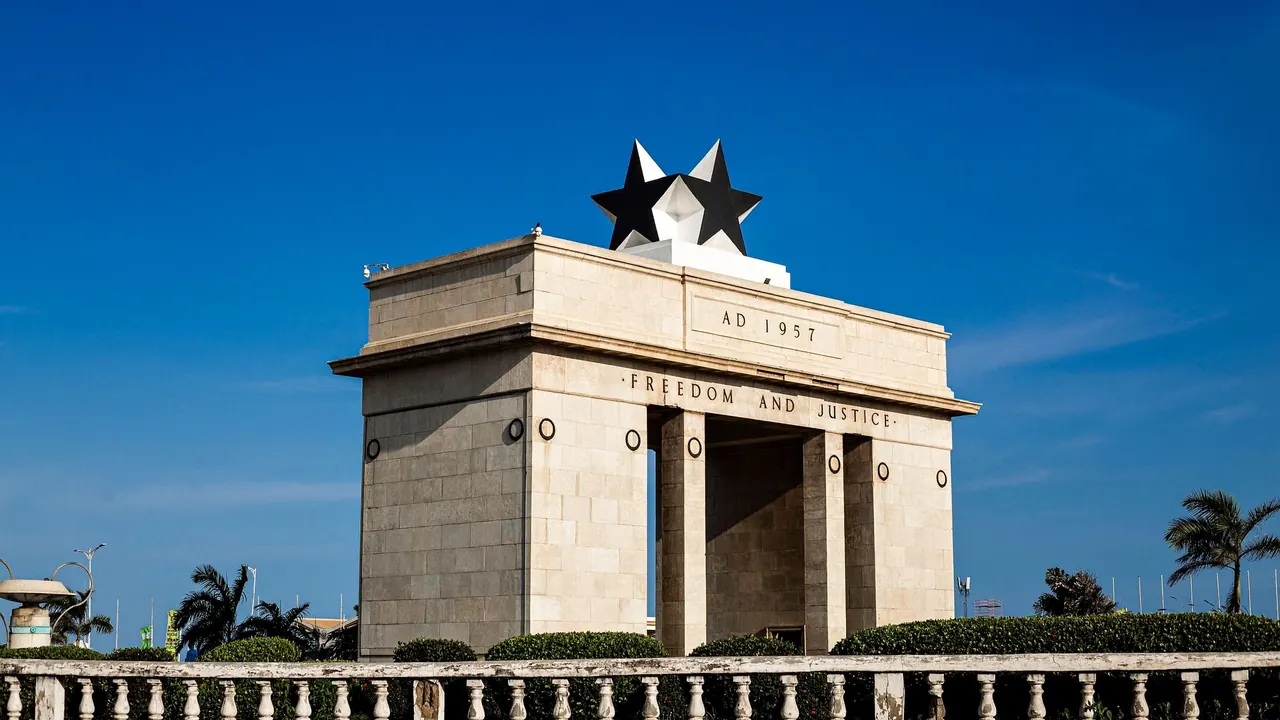
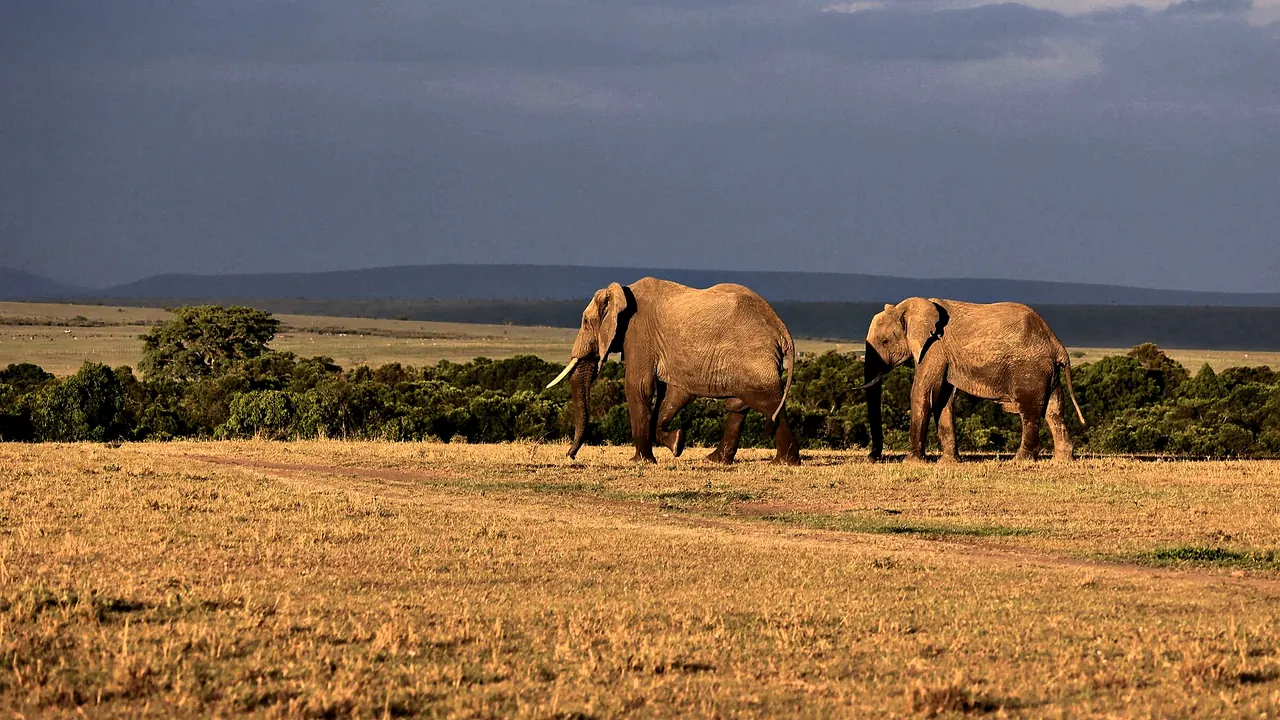
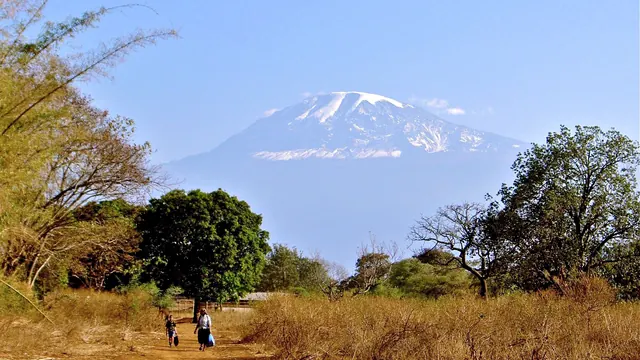
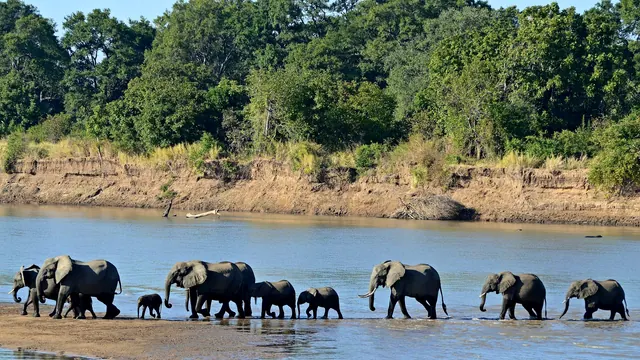
Photos: Ghana by Axel Dagrou, Pexels License; Kenya by Wladimir Kühne, Pexels License.
Ghana or Kenya?
Our verdict in twelve categories, each scored against the same fixed benchmark cities, and the climate month by month, so you can choose for your trip.
Choose Ghana for
- culture and sights
- day trips
- live music and the arts
Ghana suits a traveller who comes for history and people more than scenery. It has the slave-trade castles at Cape Coast and Elmina, the Asante court in Kumasi, the villages where kente is woven, and chop bars and markets that cost little. On this trip you travel for the stories and for daily life. Drumming festivals and highlife reward good timing, and a few beach days on the Western Region coast fit at the end rather than at the centre.
Choose Kenya for
- nature and the outdoors
- beaches
- wellness
Choose Kenya for wildlife and the sea. The Maasai Mara, Amboseli and Samburu make it far stronger for safari, and the reef-sheltered sand at Diani, Watamu and Lamu is the obvious second week. Kenya is easier with children and better for switching off. The days on safari make it the dearer of the two, though, and its towns and sights are an extra rather than the reason to go.
Scoreboard
Twelve categories on one fixed scale from 0 to 100. The shaded stretch is the gap between the two.
Your match
Pick a travel style or drag the sliders, and both match scores follow your weighting.
Too close to call, 1 point apart
Wins on culture and sights and day trips with your weighting.
Wins on nature and the outdoors and beaches with your weighting.
What matters to you?
Category by category
What the scores mean for a trip.
Beaches & swimming
Both coasts are warm all year, but the seas are very different. Ghana's Gulf of Guinea shore is lined with palms, but heavy surf and rip currents make much of it better for walking than swimming. The exceptions are Busua's sheltered bay on the Western Region coast and the calm river side of the sandbar at Ada Foah.
Kenya's Indian Ocean coast is the one to plan a beach vacation around. Coral reefs calm the water off Diani's white sand and lagoons, Watamu has coves and a marine park, and Lamu has dunes at Shela. The tide decides when you can swim, but the water is calm enough to swim in.
Where in Ghana: Western Region coast, Busua, Kokrobite, Ada Foah
Where in Kenya: Diani, Watamu, Lamu archipelago, Malindi
Food & drink
Ghana has the stronger and more distinctive cooking, eaten in chop bars and at roadside grills. Look for fufu pounded to order in Kumasi, tilapia with shito, jollof rice in every town, and smoked fish with kenkey around Cape Coast. Accra's Osu and Labone add restaurant choice.
Kenya's food inland is plainer: ugali and nyama choma with a cold beer, and on safari, meals from the lodge kitchen. It eats best on the coast, where Swahili cooking in Mombasa and Lamu uses coconut and tamarind, and Mombasa's old town has evening street food. Its coffee and tea are far better than Ghana's.
Where in Ghana: Accra, Kumasi, Cape Coast
Culture & sights
Ghana's coast carries heritage of world importance. Cape Coast Castle and Elmina, with their dungeons and the Door of No Return, are visits that stay with you. Kumasi's Manhyia Palace and the old mud-built mosque at Larabanga carry the story inland.
Kenya's heritage is Swahili. Lamu Old Town has carved doors and lanes without cars, Fort Jesus stands over Mombasa harbour, and the ruins of Gede lie in the forest. Nairobi's National Museum is strong on human origins, but culture is something to fit around the safari rather than the reason for the trip.
Where in Ghana: Cape Coast and Elmina, Kumasi, Accra, Larabanga
Nightlife
The two are much alike, and in both countries going out means the capital. Accra's Osu, Labone and East Legon stay out late to Afrobeats and amapiano, with Labadi beach bars on Friday and Sunday nights. Nairobi's Westlands and Kilimani have rooftop bars and clubs playing gengetone and East African pop.
The difference is on the coast. Diani and Malindi in Kenya have beach bars and resort clubs in the high season, while Ghana's beach towns have only the occasional bonfire night.
Where in Ghana: Accra, Kumasi
Nature & outdoors
This is the widest gap between the two. Kenya is classic safari country, with lions and huge herds in the Mara, the wildebeest crossing the Mara River, and Amboseli's elephants under Kilimanjaro. Laikipia adds walking safaris and night drives, and beyond the parks there are flamingos on the Rift Valley lakes, trekking on Mount Kenya and reef snorkelling at Watamu.
Ghana's outdoors is gentler. It has the canopy walkway in Kakum's rainforest, ranger walks near elephants at Mole, and waterfalls and forested hills in the Volta Region. These places are rewarding, but they are far apart and cannot match what Kenya offers.
Where in Ghana: Mole National Park, Volta Region, Kakum National Park, Lake Volta
Where in Kenya: Maasai Mara, Amboseli, Samburu and Laikipia, Mount Kenya
Day trips
Ghana gives you more to do from a single base, as long as the base is not Accra. From Cape Coast, Elmina and the fort at Anomabo are close. From Kumasi you can reach the kente, adinkra and woodcarving villages, and the crater lake at Bosomtwe is about an hour away.
In Kenya most outings are into nature, and there are few inland towns worth a day. Lamu is the exception, with dhows to Shela, Takwa and Pate island. Elsewhere, variety comes from moving between bases rather than going out and back.
Where in Ghana: Cape Coast, Kumasi, Accra
Where in Kenya: Lamu archipelago, Mombasa, Watamu and Malindi
Good for families
Kenya is the easier choice with children. Game drives in the Mara find animals quickly, and lodges there and on Laikipia run family tents and junior ranger programmes. Nairobi's elephant orphanage and Giraffe Centre are easy wins, and Diani's resort pools and shallow lagoons make a gentle second week.
Ghana welcomes children warmly but has little built for them. Kakum's canopy walkway and the elephants at Mole suit older children, the castle dungeons are better for teenagers, and the surf needs close watching. Both countries have malaria and long road journeys, but Ghana has fewer ways to make them easier.
Where in Ghana: Western Region coast, Kakum National Park, Mole National Park, Cape Coast
Getting around
Neither country is easy to travel around, but Kenya has better shortcuts. Small planes from Nairobi's Wilson airport fly to the Mara, Samburu, Amboseli and Lamu, and the train from Nairobi to Mombasa crosses Tsavo in about five hours. In the parks themselves you need a vehicle with a driver-guide.
Ghana relies on intercity coaches, tro-tros and a few domestic flights to Kumasi, Tamale and Takoradi, with almost no passenger rail. Accra is hard to cross on foot, and many visitors hire a car with a driver to link the coast and the Ashanti region.
Where in Ghana: Accra, Kumasi, Cape Coast
Shopping & style
Both countries are for crafts rather than brands, but Ghana's crafts are richer and easier to buy where they are made. You can buy kente in Bonwire, adinkra cloth from Ntonso and glass beads from Krobo, and a tailor will turn wax-print fabric into clothes in a few days. Kejetia in Kumasi and Makola in Accra are sights in themselves.
Kenya has Maasai beadwork, kikoy cloth, soapstone and baskets at Nairobi's rotating Maasai Market, and silver and carved furniture in Lamu. A small designer scene in Karen and Westlands adds some modern pieces.
Where in Ghana: Kumasi and the Ashanti craft villages, Accra, Volta Region
Affordability
Ghana is the cheaper trip overall. Chop bars, tro-tros and simple rooms cost little everywhere, and Kumasi, Cape Coast and the Western Region lodges are reasonably priced. The big costs are Accra's international hotels and a hired driver.
Kenya can be cheap at the edges, with Swahili food and guesthouses in Diani or Watamu. But most people come for the safari, and per-person park fees, Mara camps and bush flights make it expensive. Group camping trips from Nairobi are the way to keep costs down.
Where in Ghana: Western Region coast, Kumasi, Cape Coast
Live music & performing arts
Ghana has more live music, though little of it can be booked ahead. It is the home of highlife, and Accra has live bands and big Afrobeats shows. The best moments are traditional: Akwasidae drumming in Kumasi, and Homowo, Fetu Afahye and Hogbetsotso when they come round.
In Kenya, live performance is mostly in Nairobi, at the National Theatre and in bars playing benga, rhumba and jazz. Beyond the capital there is lodge dancing for visitors, taarab music on the coast and Lamu's cultural festival.
Where in Ghana: Accra, Kumasi, Cape Coast
Where in Kenya: Nairobi, Lamu
Wellness & relaxation
Neither country has a bathing tradition, but Kenya is far better for rest. Diani and Watamu have resort spas and yoga retreats, and the car-free Lamu archipelago moves at the pace of the tide. Even the safari camps are silent at night.
In Ghana, wellness means a hotel spa in Accra, a massage at a beach lodge, or slow days at an eco-lodge on the Western Region coast or by Lake Bosomtwe. The travel between these places is hot and tiring.
Where in Ghana: Western Region coast, Lake Bosomtwe
Where in Kenya: Lamu archipelago, Diani, Watamu
When should you go?
Pick your month, and for a country the place in it. The climate figures are measured averages, not a forecast.
Where in Kenya
Accra (Ghana) in July
Nairobi (Kenya) in July
Daytime high, °C
Rainfall in the month, mm
Temperature and rainfall are climate normals, averaged over the years shown. Accra (Ghana): 1991-2020 normals, Accra (5.9 km from centre). Nairobi (Kenya): 1991-2020 normals, Nairobi ACC/FIC/RCC/MET/COM/ (13.3 km from centre).
For Ghana the figures are for Accra, so they describe the capital and the coast around it rather than the inland regions. Accra is hot in every month, and the sea is warm enough for the beach for most of the year. December to February are the driest months and October to December the sunniest, so November and December are the clearest time for Accra and the coast. Rain builds from March and peaks in May and June, with 167mm in June, which makes those the wettest months on the coast. July and August are a little cooler and fairly dry, so walking Accra's streets is easier then, though the sea drops to 23°C.
Kenya's weather changes from place to place. Nairobi is mild all year, sunniest in January and February and coolest from June to August. The Mara is driest from June to September, with only 26mm of rain in July, and the wildebeest migration is there from about July to October. Diani is hot and dry from December to March, the calmest time on the coast, and its sea is warm in every month. The long rains of April and May reach all three places, with 310mm at Diani in May, and November brings shorter rains to Nairobi and the Mara.
Which traveller are you?
On an outdoors trip, Kenya wins outright. The Mara, Amboseli and Samburu offer classic safari, and Mount Kenya, the Rift Valley lakes and the reefs at Watamu add trekking, cycling and snorkelling. Ghana's Kakum and Mole make a pleasant sideline by comparison.
For a culture and arts trip, Ghana is the stronger choice. The castles at Cape Coast and Elmina, the Asante court in Kumasi and the weaving villages nearby tell a story of world importance, and festival drumming and highlife bring it to life.
On a beach and sun trip, pick Kenya. Reefs calm the water at Diani, Watamu and Lamu, the sand is white and the sea is warm all year. Much of Ghana's shore is too rough for easy swimming, so its beaches are better for walking and sitting.
More comparisons
Each shares a side with Ghana or Kenya.
Where else could you go?
Set Ghana or Kenya against any other country.