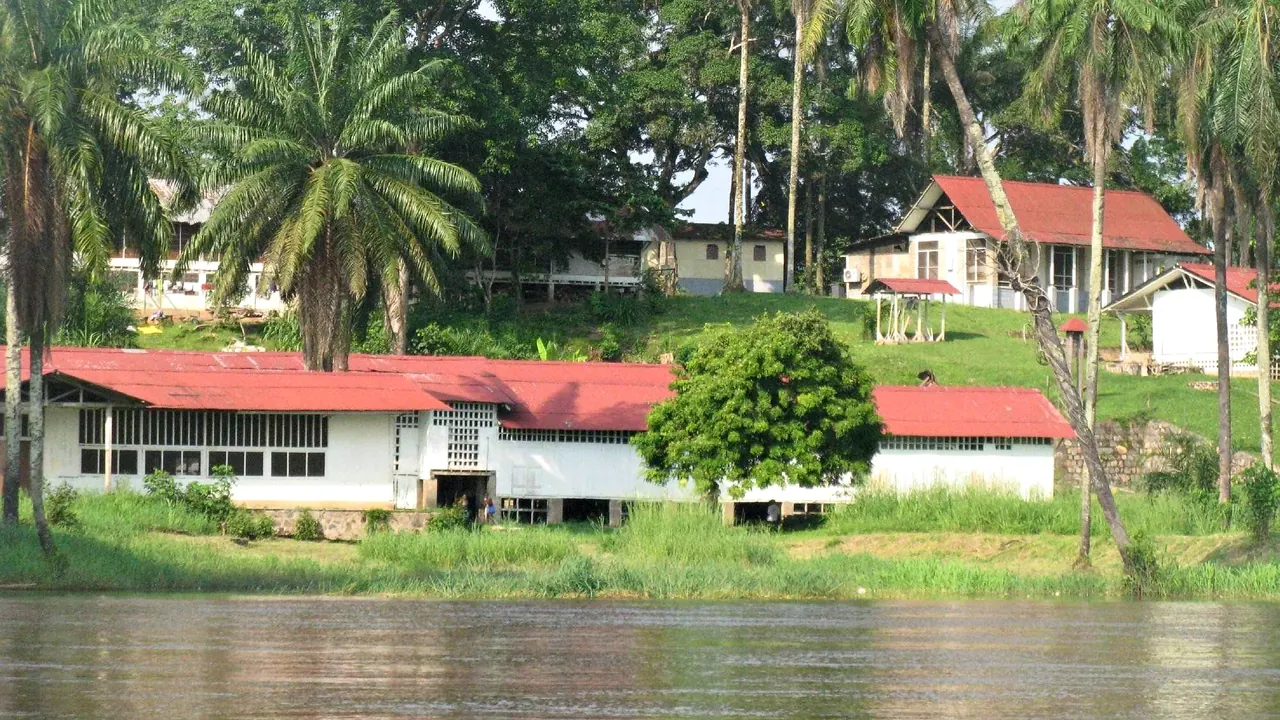
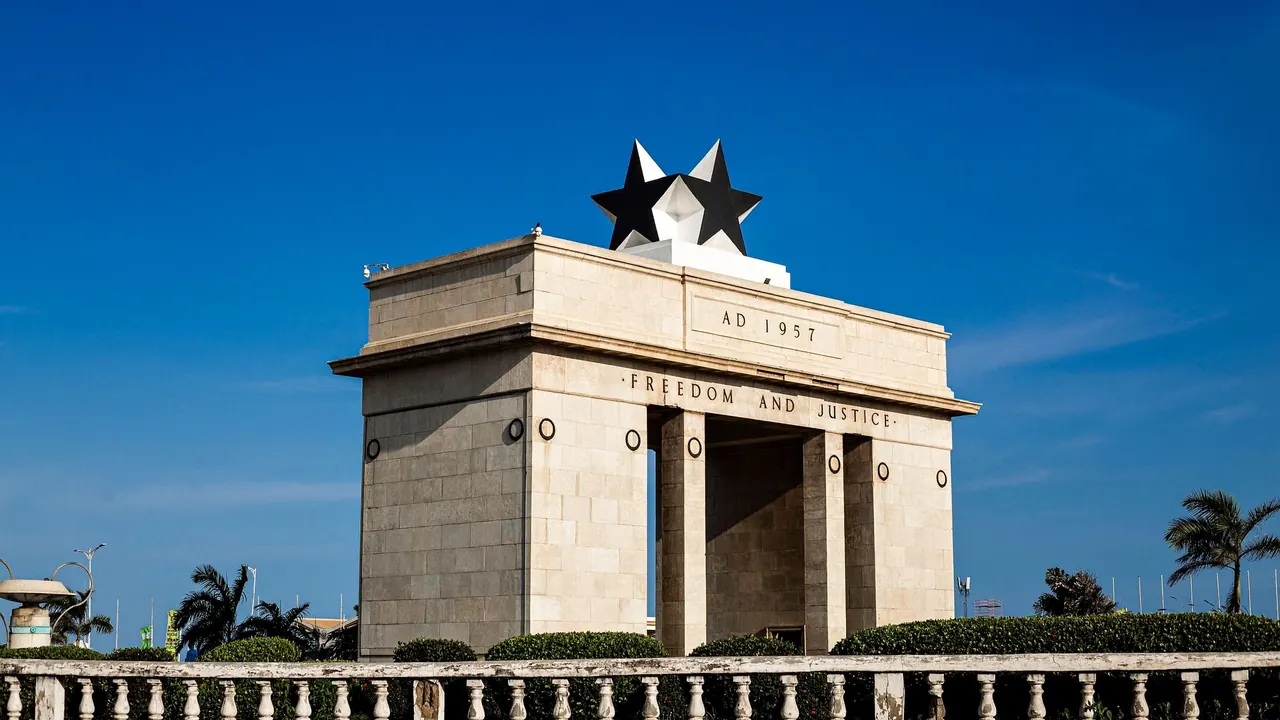
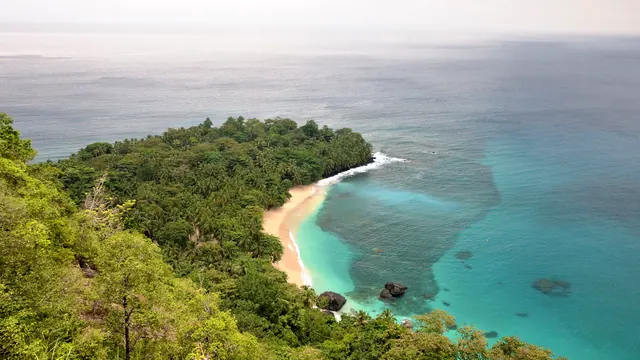
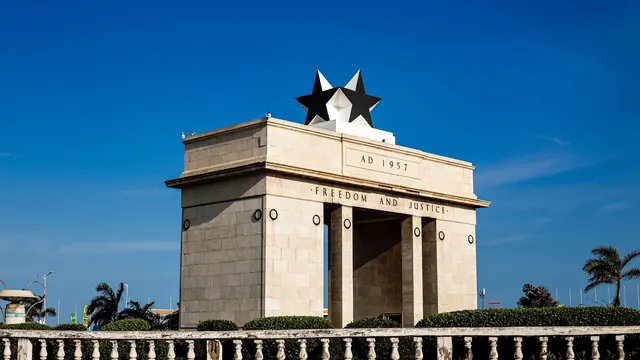
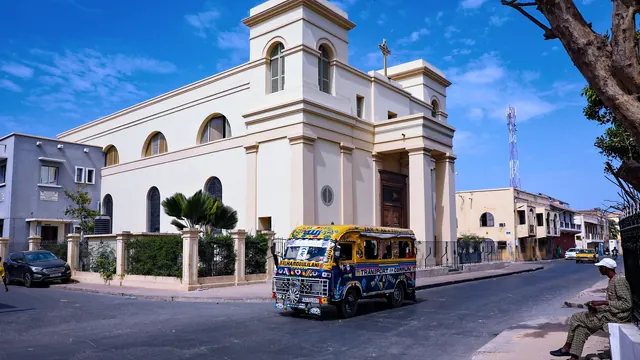
Photos: Gabon by Patrice H, CC0; Ghana by Axel Dagrou, Pexels License.
Gabon or Ghana?
Our verdict in twelve categories, each scored against the same fixed benchmark cities, and the climate month by month, so you can choose for your trip.
Choose Gabon for
- nature and the outdoors
Gabon is for travellers who put wildlife first and accept the cost. Its rainforest parks are on a different level from anything Ghana offers outdoors, with Loango above all, where forest elephants walk the beach and whales pass offshore. Almost everything else is thin, though: culture, food, getting around and value. Each park is its own long, costly journey, usually booked as a lodge package.
Choose Ghana for
- prices
- culture and sights
- day trips
Ghana suits a broader, cheaper and more varied West African trip. The slave-trade castles at Cape Coast and Elmina, Asante heritage around Kumasi, craft villages, big markets and chop bars put history, food and people at the centre, with Kakum, Mole and a few beach days fitted in around them. Travel is still hot and slow, but you can put the trip together yourself far more easily.
Scoreboard
Twelve categories on one fixed scale from 0 to 100. The shaded stretch is the gap between the two.
Your match
Pick a travel style or drag the sliders, and both match scores follow your weighting.
Wins on nature and the outdoors with your weighting.
Wins on prices and culture and sights with your weighting.
What matters to you?
Category by category
What the scores mean for a trip.
Beaches & swimming
Neither country is a beach destination, but Ghana has more coast you can actually stay on. Busua's sheltered bay is good for swimming and beginner surfing, and the coves around Akwidaa and Cape Three Points have beach lodges for a few days. At Ada Foah you get calm river water on one side of the sandbar and open surf on the other.
In Gabon the beaches are mostly weekend trips from Libreville, to Cap Esterias or across the estuary to Pointe Denis, where the water is calm but clouded by the rivers. Mayumba and the Loango shore are beautiful and empty, but they are for watching turtles and walking rather than swimming.
Where in Gabon: Pointe Denis, Cap Esterias, Mayumba
Where in Ghana: Western Region coast, Busua, Kokrobite, Ada Foah
Food & drink
Ghana gives you much more to eat. Chop bars serve groundnut soup with fufu, kelewele is sold at roadside stalls after dark, and jollof and grilled tilapia with shito are easy to find. Accra's Osu, the market chop bars of Kumasi and the fish of the Cape Coast towns each have their own character.
Gabon's cooking is worth trying, with nyembwe palm-nut sauce, smoked fish and stews flavoured with odika, but the restaurant scene is small. Libreville and Port-Gentil have French bistros and seafood grills at high prices, and in the parks you eat whatever the lodge serves.
Where in Gabon: Libreville, Port-Gentil
Where in Ghana: Accra, Kumasi, Cape Coast
Culture & sights
This is where the two countries differ most. Ghana's chain of slave-trade forts, led by Cape Coast Castle and Elmina, is heritage of world importance. Kumasi's Asante palace museum, the old mud mosque at Larabanga in the north and Accra's Jamestown add more inland and in the capital.
Gabon has only a handful of sights: Fang and Punu art in Libreville's small national museum, the carved wooden columns of Saint-Michel in Nkembo and Schweitzer's hospital at Lambaréné. Here culture is an extra on a wildlife trip, not a reason to go.
Where in Gabon: Libreville, Lambaréné, Lopé National Park
Where in Ghana: Cape Coast and Elmina, Kumasi, Accra, Larabanga
Nightlife
In both countries going out means the capital, but Accra's scene is bigger and runs later, with rooftop bars and clubs in Osu and East Legon playing Afrobeats and amapiano, and beach bars at Labadi that fill at weekends. Libreville's Quartier Louis is rougher and more local, with open-air maquis and Congolese rumba, and once you head for the parks, evenings end with a drink at the lodge before a dawn start.
Where in Gabon: Libreville, Port-Gentil
Where in Ghana: Accra, Kumasi
Nature & outdoors
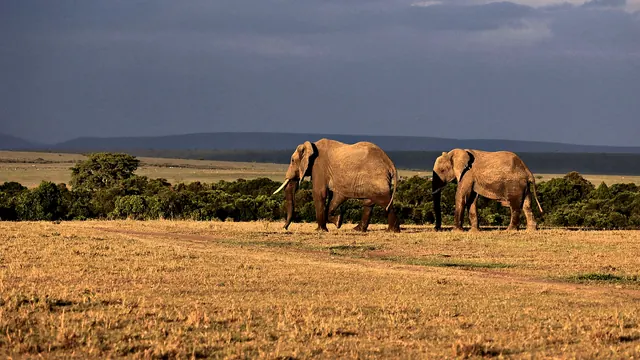
Gabon is in another league for wildlife. Forest covers most of the country, and in Loango forest elephants and hippos come out onto the beach, humpbacks pass offshore from July to September and gorillas can be tracked nearby. Lopé's mandrills and the Kongou falls in Ivindo add more reasons to go deeper.
Ghana's outdoors is softer: the Kakum canopy walkway, ranger walks near elephants in Mole, and the forested Volta hills with Mount Afadjato and Wli Falls. It is pleasant and easier to reach, but nothing in it matches a morning on the Loango shore.
Where in Gabon: Loango National Park, Lopé National Park, Ivindo National Park, Pongara National Park
Where in Ghana: Mole National Park, Volta Region, Kakum National Park, Lake Volta
Day trips
Ghana works well in short trips from a regional base. From Cape Coast, Elmina is a short drive. From Kumasi you can reach the kente, adinkra and woodcarving villages, with Lake Bosomtwe about an hour away, and from Accra, Aburi's botanical garden in the hills.
Gabon barely has day trips at all. From Libreville the outings are boat trips to Pointe Denis or into the Pongara and Akanda mangroves, and Lambaréné is several hours away and better as an overnight stop.
Where in Gabon: Lambaréné
Where in Ghana: Cape Coast, Kumasi, Accra
Good for families
Neither country suits young children, and malaria is a serious concern in both, but Ghana is easier to manage. Kakum's canopy walkway is an outing children remember, Busua's beach lodges make a relaxed few days, and Ghanaians are notably warm towards families.
In Gabon the long transfers, high costs and health precautions weigh even more. The exception is older children who love animals: for them, a Loango lodge with elephants on the sand and whales seen from a boat can be extraordinary.
Where in Gabon: Loango National Park, Pointe Denis
Where in Ghana: Western Region coast, Kakum National Park, Mole National Park, Cape Coast
Getting around
Both countries are slow to get around, but Ghana gives an independent traveller more to work with. Intercity coaches link Accra, Kumasi, Cape Coast and Tamale, domestic flights shorten the trip north to Mole, and tro-tros cover the rest, though many visitors hire a car with a driver.
Gabon relies on the Transgabonais railway inland to Lopé and Franceville. The largely roadless south and Loango are reached by small plane, boat or four-wheel drive, usually arranged by the lodge. In neither capital can you walk between sights, so you take taxis.
Where in Gabon: Libreville, Lopé National Park
Where in Ghana: Accra, Kumasi, Cape Coast
Shopping & style
Ghana is the place for handmade things to take home: kente woven at Bonwire or in the Volta Region, adinkra cloth, Krobo glass beads and carved stools, as well as the huge Kejetia and Makola markets.
Gabon has less on offer: Mont-Bouët market in Libreville, which is more for looking than buying, and craft stalls with masks and Mbigou soapstone carvings. In both countries, the most practical buy is wax-print cloth made into clothes by a local tailor.
Where in Gabon: Libreville
Where in Ghana: Kumasi and the Ashanti craft villages, Accra, Volta Region
Affordability
Ghana is much easier on a budget. Away from Accra, chop bars, shared minibuses and simple guesthouses in Kumasi, Cape Coast and along the Western Region coast cost very little, and the biggest expense is usually a car with a driver.
Gabon is expensive from the start. Libreville's hotels charge well above what their quality would suggest, budget lodging hardly exists, and remote park lodges with plane or boat transfers make a wildlife trip costlier still. Only street food, beer and shared taxis feel cheap.
Where in Gabon: Libreville
Where in Ghana: Western Region coast, Kumasi, Cape Coast
Live music & performing arts
Ghana has far more to see and hear. It is the home of highlife, Accra's National Theatre stages concerts and dance when it has a programme, and festivals such as Homowo in Accra, Fetu Afahye in Cape Coast and the Akwasidae ceremony in Kumasi bring drumming and processions into the streets.
In Gabon, live music mostly means bands in Libreville's bars and the occasional programme at the French cultural centre. You will hear Bwiti harp and drum music only by chance or by arrangement in a village.
Where in Gabon: Libreville
Where in Ghana: Accra, Kumasi, Cape Coast
Wellness & relaxation
Neither country is a place to go for rest, but Ghana has a few quiet corners, with hammock-strung eco-lodges on the Western Region coast and retreats on Lake Bosomtwe. Gabon's slow days at a forest or lagoon lodge come with long transfers, heat and early wildlife starts, and apart from a few hotel pools in Libreville there are no spas to speak of.
Where in Ghana: Western Region coast, Lake Bosomtwe
When should you go?
Pick your month, and for a country the place in it. The climate figures are measured averages, not a forecast.
Where in Gabon
Libreville (Gabon) in July
Accra (Ghana) in July
Daytime high, °C
Rainfall in the month, mm
Temperature and rainfall are climate normals, averaged over the years shown. Libreville (Gabon): 1991-2020 normals, Libreville (5.4 km from centre). Accra (Ghana): 1991-2020 normals, Accra (5.9 km from centre).
Gabon is at its best in its dry season, from June to August and into September. Libreville gets only 8mm of rain in July and Loango is almost completely dry, so this is the easiest time for the parks and for seeing whales off Loango. Skies are greyer then, though, and the sea a little cooler. The rains return hard from October, with Libreville taking 506mm in November, and they stay heavy until May. It is warm to hot all year and never cold.
Ghana's year runs almost the other way. Accra is driest from December to February, with just 9mm in January, and this is also when elephants gather at Mole's waterholes. Days reach 33°C, though, and walking the streets is tiring by midday. The main rains peak in May and June at 167mm, with a short drier spell in August, and October to December is the sunniest stretch. The sea in both countries is warm enough to swim in all year, and slightly cooler in July and August.
Which traveller are you?
On an outdoors trip, Gabon is the clear choice. Loango puts forest elephants, hippos and buffalo on an empty Atlantic shore, Lopé has its huge mandrill troops and Ivindo its falls. Ghana's Kakum canopy walk and Mole safari are gentler and less wild.
For a culture and arts trip, Ghana wins easily. Cape Coast Castle, Elmina, Kumasi's Manhyia Palace and festivals such as Fetu Afahye give real substance. Gabon offers a small museum in Libreville, Schweitzer's house at Lambaréné and little else.
On a trip on a tight budget, Ghana is the only realistic option of the two. Chop bars, tro-tros and simple guesthouses in Kumasi, Cape Coast or Busua cost little. Gabon has almost no budget lodging, and the park transfers alone are expensive.
More comparisons
Each shares a side with Gabon or Ghana.
Where else could you go?
Set Gabon or Ghana against any other country.