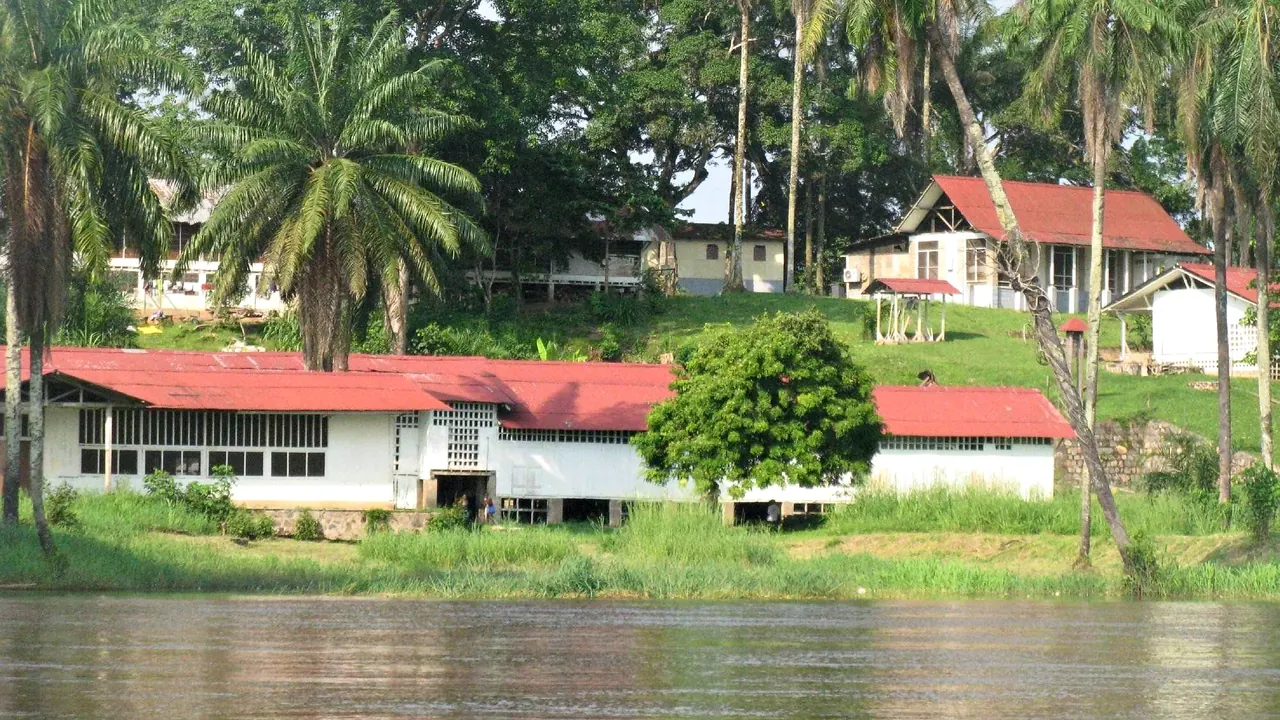
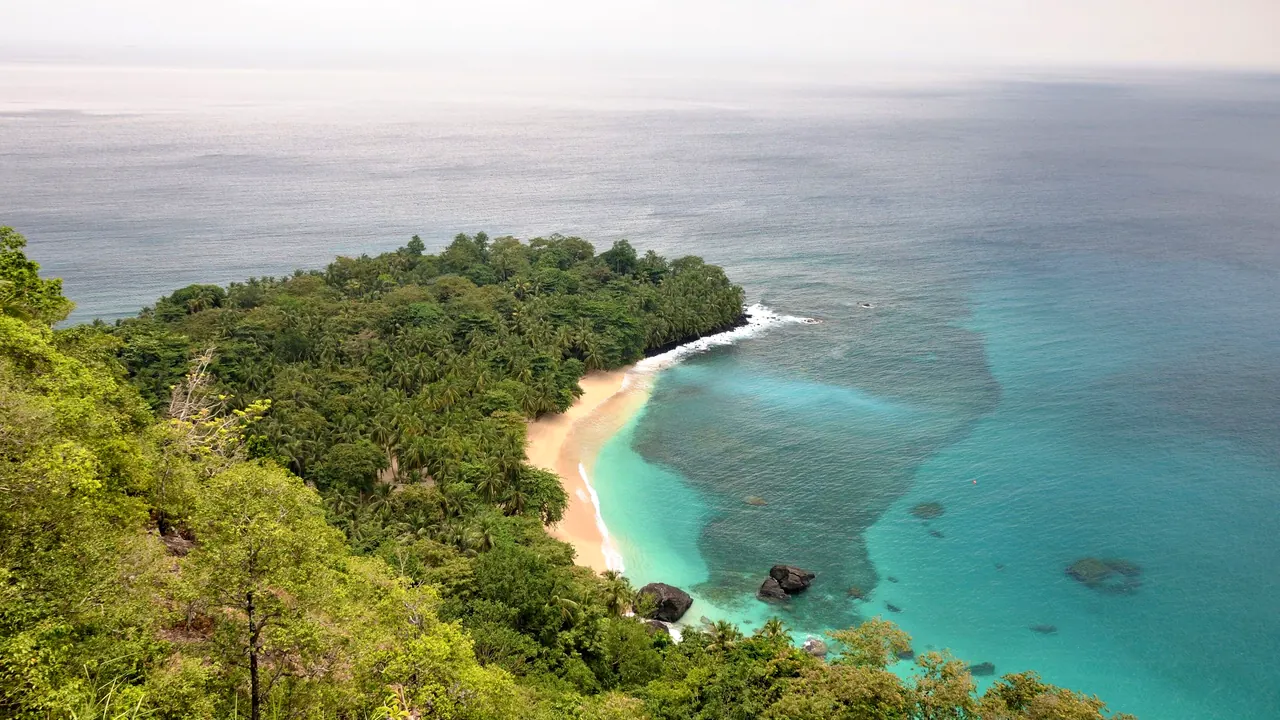
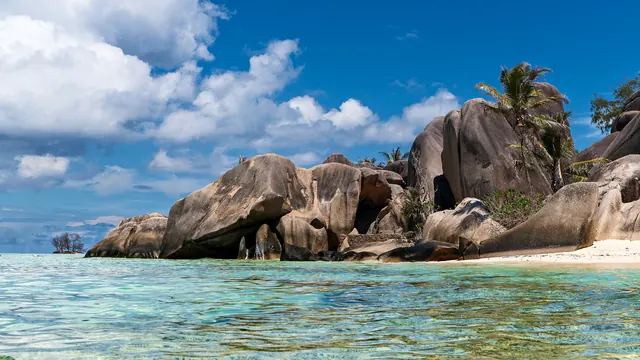
Photos: Gabon by Patrice H, CC0; São Tomé and Príncipe by Josep M. Gracia, CC BY-SA 4.0, cropped.
Gabon or São Tomé and Príncipe?
Our verdict in twelve categories, each scored against the same fixed benchmark cities, and the climate month by month, so you can choose for your trip.
Choose Gabon for
- nightlife
- nature and the outdoors
- shopping
Gabon is for the traveller who comes for big wildlife and will pay for it. Forest elephants walking onto the sand at Loango, mandrill troops at Lopé and lowland gorillas in the region make it one of Africa's great rainforest trips, and Libreville adds a proper night out in Quartier Louis. In return it costs more, involves long transfers between parks, and is a poor fit for young children or anyone who wants a lazy week.
Choose São Tomé and Príncipe for
- prices
- beaches
- wellness
São Tomé and Príncipe suits a slower, gentler trip. The beaches are far better, the plantation roças give the islands a history you can walk through, and the short distances and leve-leve pace make it the easier, calmer and cheaper choice. Rainforest hikes, endemic birds and turtle nesting give it plenty of nature, just with fewer large animals than Gabon's parks.
Scoreboard
Twelve categories on one fixed scale from 0 to 100. The shaded stretch is the gap between the two.
Your match
Pick a travel style or drag the sliders, and both match scores follow your weighting.
Wins on nightlife and nature and the outdoors with your weighting.
Wins on prices and beaches with your weighting.
What matters to you?
Category by category
What the scores mean for a trip.
Beaches & swimming
This is one of the widest gaps between the two. Gabon has warm water, but its beaches near Libreville, at Pointe Denis and Cap Esterias, are weekend escapes on a river-clouded estuary. The wild sands of Mayumba and Loango are for turtle-watching and walking more than for swimming.
São Tomé and Príncipe is a real beach destination. Palms and forest run down to golden or volcanic sand, there is gentle snorkelling at Lagoa Azul on the calmer north coast, Praia Piscina's rock pool lies in the south, and Príncipe has the finest stretches of all. Facilities are thin in both countries, but the islands give you far more beach days worth having.
Where in Gabon: Pointe Denis, Cap Esterias, Mayumba
Where in São Tomé and Príncipe: Príncipe, São Tomé south coast, Ilhéu das Rolas, Lagoa Azul
Food & drink
The two are broadly level, and in both the cooking is simple and regional. Gabon's strength is variety in Libreville, where French bakeries, Lebanese and West African kitchens and seafront grills sit alongside nyembwe palm-nut stews and odika sauces, with Port-Gentil's delta prawns as a second stop.
São Tomé and Príncipe has less choice but something Gabon lacks: cacao and coffee grown on the spot. Tastings at the highland estates around Monte Café round out a diet of calulu, breadfruit and fish grilled straight off the boats.
Where in Gabon: Libreville, Port-Gentil
Where in São Tomé and Príncipe: São Tomé city, Monte Café and the central highlands, Príncipe
Culture & sights
The islands have more to see. Their roças, the great cacao and coffee plantations such as Agostinho Neto, Monte Café and Sundy on Príncipe, are a coherent and moving heritage of manor houses, hospitals and workers' quarters, with the forced-labour history in plain view. São Tomé city's pastel streets and its fort museum fill an extra afternoon.
Gabon's sights are scattered and few: the national museum's Fang reliquaries and Punu masks and the carved columns of Saint-Michel in Libreville, Schweitzer's hospital at Lambaréné, and rock engravings at Lopé. In both countries culture is a side dish, but on the islands it is a fuller one.
Where in Gabon: Libreville, Lambaréné, Lopé National Park
Where in São Tomé and Príncipe: São Tomé city, Roça Agostinho Neto, Roça Monte Café, Roça Sundy, Príncipe
Nightlife
Gabon is the one to choose for going out, though only in Libreville. Quartier Louis has open-air maquis bars and clubs playing rumba, coupé-décalé and Afro beats late into weekend nights, and the seafront adds smarter lounge bars.
São Tomé city has a handful of seafront bars and weekend kizomba dancing that is friendly but small. Beyond the capital, on either island, the night ends at your lodge.
Where in Gabon: Libreville, Port-Gentil
Where in São Tomé and Príncipe: São Tomé city
Nature & outdoors
Both are superb, but Gabon has the bigger wildlife. Loango combines lagoons, savanna and beach, with forest elephants, buffalo and hippos on the sand and gorillas to track nearby. Lopé has huge mandrill troops, Ivindo has the Kongou falls and its elephant clearings, and Pongara's mangroves lie just across from Libreville. Each park, though, is a separate and costly trip.
São Tomé and Príncipe's nature is about landscape and rarity rather than large mammals: the cloud forest of Obô, the crater of Lagoa Amélia, the sheer needle of Pico Cão Grande, a two-day climb to the island's summit and many endemic birds. Both countries have nesting turtles and passing humpbacks, and the islands' sights sit much closer together.
Where in Gabon: Loango National Park, Lopé National Park, Ivindo National Park, Pongara National Park
Where in São Tomé and Príncipe: Obô Natural Park, Pico Cão Grande, Príncipe, Pico de São Tomé
Day trips
Neither country is built for excursions, but the islands give you more of them. From São Tomé city the two coast roads make easy days out, north to Neves and its estates or south through São João dos Angolares to the boat for Ilhéu das Rolas on the equator, and the drive itself is the attraction.
From Libreville the outings are boat trips to Pointe Denis or the mangroves. Lambaréné is the only town worth the effort, and it is too far for a day.
Where in Gabon: Lambaréné
Where in São Tomé and Príncipe: São João dos Angolares, Ilhéu das Rolas, Neves
Good for families
Neither suits small children, but the islands are the gentler option. On São Tomé's north coast the calm bays, the easy snorkelling and the lodge pools sit close to the capital, and the people are easygoing with children. Turtle hatchings tend to be the highlight.
Gabon asks more of a family: costlier flights, long transfers to the parks and the same serious malaria precautions. For older children who love animals, though, a Loango lodge with elephants on the beach is an experience the islands cannot match.
Where in Gabon: Loango National Park, Pointe Denis
Where in São Tomé and Príncipe: São Tomé north coast, Príncipe
Getting around
Both take effort, but the islands are a little easier because everything is close. São Tomé city can be walked, a hired driver reaches most sights within the day, and Príncipe is a short hop by small plane.
Gabon is a country of long distances. Libreville spreads along the coast and runs on taxis, the Transgabonais railway is the reliable way inland to Lopé, and Loango and the southern coast need small planes, boats or long four-wheel-drive transfers. That is why so many visitors take a package.
Where in Gabon: Libreville, Lopé National Park
Where in São Tomé and Príncipe: São Tomé city
Shopping & style
Shopping is minor in both, and the difference is in what you bring home. In Libreville that means wax-print cloth made up by a tailor, carved masks and Mbigou soapstone, with Mont-Bouët market worth seeing for its sheer scale. On São Tomé the best buys are edible, chocolate and coffee from the islands' own plantations, alongside a few carvings at the central market.
Where in Gabon: Libreville
Where in São Tomé and Príncipe: São Tomé city
Affordability
São Tomé and Príncipe is the much easier trip on the wallet. Its comfortable lodges are not cheap, and Príncipe's eco-lodges are upmarket, but simple guesthouses around the capital, cheap local meals and short distances keep a trip moderate.
Gabon is expensive at every level. Libreville's hotels charge more than their quality would suggest, there is little decent budget lodging, and a wildlife trip adds remote lodges and plane or boat transfers. Only street food, beer and shared taxis come cheap.
Where in Gabon: Libreville
Where in São Tomé and Príncipe: São Tomé city
Live music & performing arts
There is little staged performance in either, and the two differ in kind. Gabon's live music is in Libreville's bars and clubs, Central African dance bands on a night out, while Bwiti harp and drum music belongs to ritual life. The islands have a distinctive folk theatre instead: masked tchiloli on São Tomé and the Auto de Floripes in Santo António's streets each August, though catching either needs timing or local help.
Where in Gabon: Libreville
Where in São Tomé and Príncipe: São Tomé city, Santo António, Príncipe
Wellness & relaxation
The islands are clearly the place to slow down. There is no spa tradition, but a remote lodge on Príncipe or a quiet stretch of São Tomé coast, set to the leve-leve pace, makes for a genuinely restful week.
In Gabon rest is hard to come by. A few hotel pools in Libreville aside, the heat, the transfers and the dawn game walks make a trip there invigorating rather than relaxing.
Where in São Tomé and Príncipe: Príncipe, São Tomé north coast
When should you go?
Pick your month, and for a country the place in it. The climate figures are measured averages, not a forecast.
Where in Gabon
Where in São Tomé and Príncipe
Libreville (Gabon) in July
São Tomé (São Tomé and Príncipe) in July
Daytime high, °C
Rainfall in the month, mm
Where the figures come from
São Tomé (São Tomé and Príncipe) has no weather station within reach, so its figures come from a gridded climate model rather than a measured record, and read a broad area rather than one spot.
Temperature and rainfall are climate normals, averaged over the years shown. Libreville (Gabon): 1991-2020 normals, Libreville (5.4 km from centre). São Tomé (São Tomé and Príncipe): 2001-2020 normals, NASA POWER reanalysis grid, no weather station within 90 km.
Both countries are hot all year, with daytime highs that barely move, and the sea is warm enough to swim in every month. So the season is decided by rain. In Gabon the dry window is short and sharp: Libreville gets almost nothing in July, only 8mm, and Loango is just as dry from June to August, which is the time for the parks and roads. From October the rains come back hard, and Libreville takes over 500mm in November. That dry season is also Libreville's greyest stretch, with fewer sunshine hours than the wet early months.
São Tomé follows the same rhythm but much more gently. June to September is the dry gravana and the best time for beaches and hikes, with São Tomé down to about 20mm in August, and even its wettest months are mild next to Gabon's. Príncipe is wetter than the main island, especially in October and November, so plan a Príncipe stay for the middle of the year.
Which traveller are you?
On a beach and sun trip, São Tomé and Príncipe is the clear pick. Lagoa Azul's snorkelling, the coves of the south coast, Ilhéu das Rolas and Príncipe's Banana Beach beat Gabon's cloudy estuary sand and swell-beaten open coast.
For an outdoors trip built around wildlife, Gabon has the edge. Loango's elephants and hippos on the beach, gorilla tracking, Lopé's mandrills and Ivindo's Kongou falls are bigger encounters than anything the islands offer, if you can absorb the transfers.
On a trip with a tight budget, São Tomé and Príncipe goes much further. Simple guesthouses around São Tomé city, local fish grills and short drives keep costs moderate, while Gabon's imported prices and lodges reached by plane or boat soon add up.
More comparisons
Each shares a side with Gabon or São Tomé and Príncipe.
Where else could you go?
Set Gabon or São Tomé and Príncipe against any other country.