São Tomé
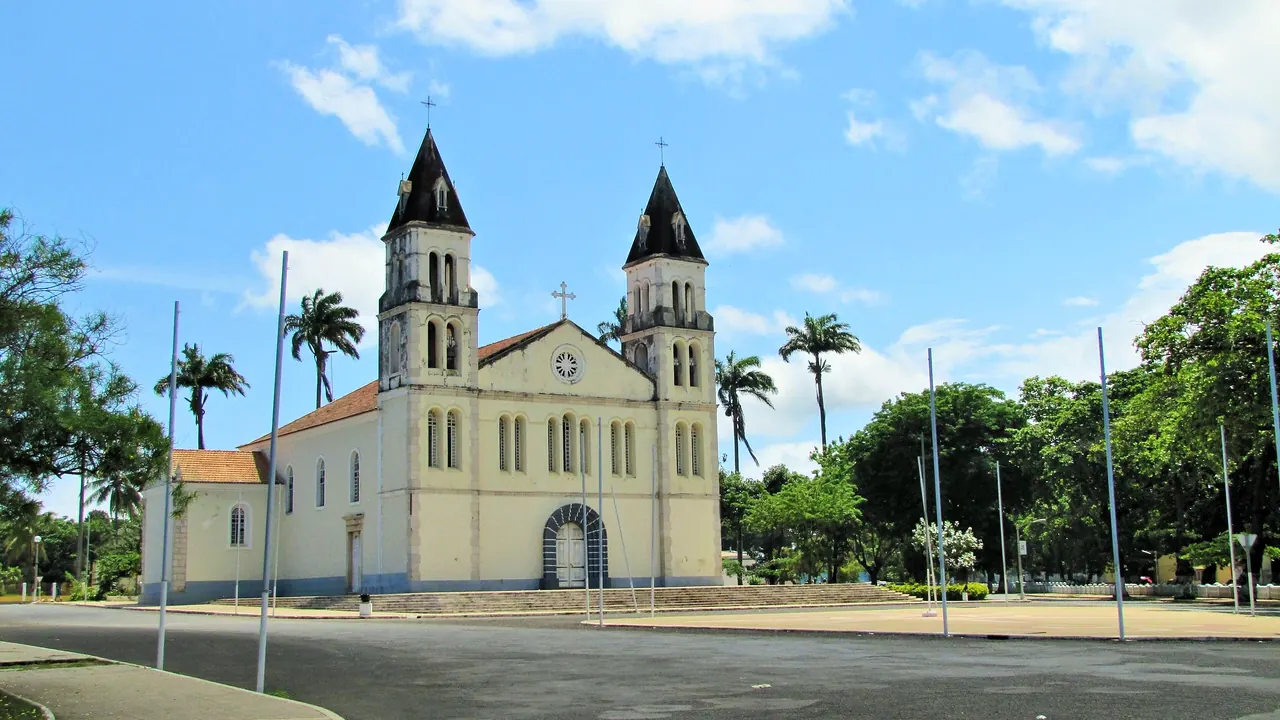
The Cathedral of Nossa Senhora da Graça among palms in São Tomé
- Nature & outdoors77
- Beaches64
- Affordability42
Photo: Chuck Moravec, CC BY 2.0, cropped
Match
33
Every category weighted equally
- Beach & sun38
- Culture & arts27
- Food & nightlife27
- Family trip37
- Outdoors42
- Relax & unwind38
- Shopping & style26
- On a budget34
São Tomé in twelve categories
Our verdict on each, scored 0 to 100 against the same fixed benchmark cities, so a score means the same thing on every page.
Beaches & swimming. Scores 64 out of 100.
Food & drink. Scores 36 out of 100.
Culture & sights. Scores 27 out of 100.
Nightlife. Scores 14 out of 100.
Nature & outdoors. Scores 77 out of 100.
Day trips. Scores 38 out of 100.
Good for families. Scores 22 out of 100.
Getting around. Scores 18 out of 100.
Shopping & style. Scores 10 out of 100.
Affordability. Scores 42 out of 100.
Live music & performing arts. Scores 14 out of 100.
Wellness & relaxation. Scores 28 out of 100.
São Tomé category by category
Beaches & swimming
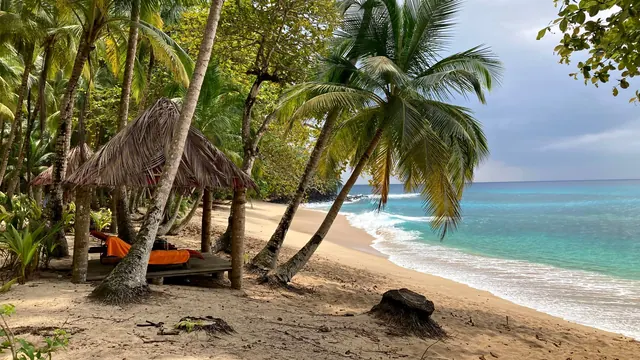
64The sea around São Tomé is warm all year, usually about 27°C, and the coast north of the capital has a string of small, quiet beaches. Lagoa Azul is a clear, sheltered bay about half an hour away, good for snorkelling over rocks and coral. Praia dos Tamarindos and the coves around Micoló and Morro Peixe are calm and often empty. The town's own seafront is mostly a promenade, and Praia Lagarto near the airport is the only real beach close in.
The postcard beaches lie in the south: Praia Piscina, Praia Jalé and the sands facing Ilhéu das Rolas. On slow, winding roads they are a long day out or an overnight stay rather than a swim before lunch. Expect volcanic grey and golden sand, palms down to the water and very few people. There are almost no beach facilities, and some shores have strong surf. The dry gravana months in the middle of the year bring clearer skies.
Food & drink
36Eating here means island Creole cooking built on fish, breadfruit, plantain, matabala root and palm oil. The dish to try is calulu, a slow stew of smoked fish or chicken with leafy greens and herbs. You will also find grilled fish sold by the shore and banana in every form. Palm wine is tapped across the island, and the island's cacao and coffee, grown on the old plantations, are excellent. Fine chocolate made from local beans is the one thing visitors take home.
The range is narrow. There are a handful of seafront and guesthouse restaurants, simple local eating houses and the produce stalls of the municipal market, but very little international or fine dining. Meals are relaxed and service is unhurried.
Culture & sights
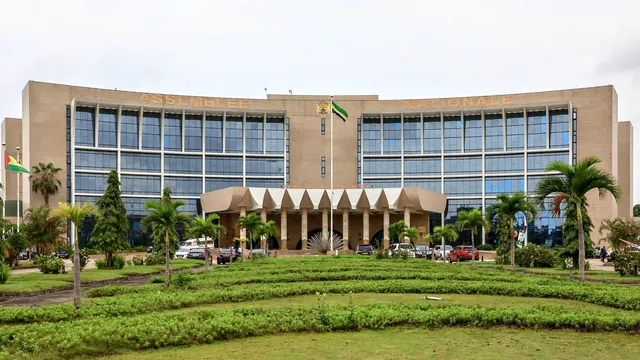
27The capital is small and low-rise, with pastel Portuguese colonial buildings around the bay. The main sights are the cathedral, the pink presidential palace and the Forte de São Sebastião on the point, a sixteenth-century fort that holds the national museum. Its rooms cover colonial life, the plantation economy and slavery, and the 1953 Batepá massacre. Wandering the faded streets and the seafront covers most of what the town itself has to show in half a day. The island's more striking heritage, the old cacao plantation estates, lies out in the countryside.
Nightlife
14Evenings in the capital are low-key. People drink beer at open-air bars along the bay, and at weekends a few local dance spots play kizomba, zouk and Angolan and Cape Verdean music until late. It is friendly and easy to join, but there are only a few places, and most visitors finish the day with dinner and an early night before a morning in the forest.
Nature & outdoors
77Most of the island is volcanic and densely green, and Obô Natural Park covers much of the interior and southwest. Guided hikes lead through cloud forest to the Lagoa Amélia crater and up Pico de São Tomé, 2,024m, a hard climb best done over two days. In the south, Pico Cão Grande, a bare volcanic needle rising out of the jungle, is one of the strangest landscapes in Africa. Waterfalls such as São Nicolau and the blowhole at Boca do Inferno are easy stops.
Wildlife is the other draw. The island has a long list of endemic birds, sea turtles nest on the beaches from about November to February, and humpback whales pass offshore in the dry season. Rain is heavy for much of the year, trails are muddy and need a guide, and the southern sights take hours on slow roads.
Day trips
38The best days out are to the roças, the great cacao and coffee plantations of the colonial era. Roça Agostinho Neto, with its long avenue to a crumbling hospital, is close to the capital. Monte Café, up in the cool hills, explains coffee growing. On the east coast, São João dos Angolares and Água Izé combine estate ruins with fishing villages, and some roças also take overnight guests. Further south, Porto Alegre faces Ilhéu das Rolas, where a monument marks the equator. The small towns of Neves, Santana and Trindade make easy stops along the way. Príncipe is a separate trip by plane, not a day out.
Good for families
22Children are welcomed warmly, the pace is gentle, and older children who like wildlife will enjoy turtle-watching nights and the quiet coves. Against that, there are no attractions made for children, medical care is basic, malaria is present all year, and reaching the best places means long, bumpy drives. The island suits adventurous families with older children better than those with toddlers.
Getting around
18The centre of the capital is compact enough to walk, though pavements are broken and the midday heat is heavy. Yellow taxis and shared taxis are easy to find in town. Beyond it, you need a driver, a hired four-wheel drive or an organised tour. The coast road south is narrow and slow, the interior tracks get muddy in the rains, and distances that look short on a map take much of a day.
Shopping & style
10Shopping is limited to the municipal market, a few craft stalls with wood carvings and printed cloth, and bars of island chocolate and bags of coffee. Nobody comes here to shop, but the cacao makes a good gift.
Affordability
42Local food, market produce and shared taxis cost little, but a visitor's main costs do not. Comfortable rooms are few and the good lodges and restored plantation houses charge international prices. Imported goods are expensive. Since getting around the island needs a hired driver or a guided tour, transport is a real part of the budget. Simple guesthouses keep costs down for those who are happy with basic comfort.
Live music & performing arts
14The island's great performance tradition is Tchiloli, a masked folk drama in which local groups have acted out a sixteenth-century Portuguese play for centuries, with costumes, flutes and drums. Danço-Congo is a related dance theatre. Both are performed at festivals and community events rather than on a fixed programme, so seeing one is a matter of luck or local contacts. Otherwise there is little formal theatre or concert life, and live music mostly means weekend dances.
Wellness & relaxation
28There is no spa or bathing tradition here, and treatments are limited to a few lodges. What the island has is pace. The local motto, leve-leve, means "easy, easy", and life really does move slowly, especially on a quiet plantation estate or a remote stretch of coast. For rest, choose a lodge outside the capital and expect stillness rather than pampering.
When should you go?
Pick a month to see what it is like. The climate figures are measured averages, not a forecast.
São Tomé in July
Daytime high, °C
Rainfall in the month, mm
The whole year
Shaded against this destination’s own year: the deepest cell is its best month for that figure and the palest its weakest.
Where the figures come from
São Tomé has no weather station within reach, so its figures come from a gridded climate model rather than a measured record, and read a broad area rather than one spot.
Temperature and rainfall are climate normals, averaged over the years shown. São Tomé: 2001-2020 normals, NASA POWER reanalysis grid, no weather station within 90 km.
Before you go
| Measure | São Tomé |
|---|---|
| Official language | Portuguese |
| Currency | Dobra (STN) |
| Sockets | CF220 V, 50 Hz |
| Driving side | Right |
| Time zone | UTC |
| Emergency number | 112 |
| Elevation | 137 m |
| Main airport | São Tomé International Airport (TMS)5 km from centre6 non-stop destinations |
| Public holidays this year | 8 days |
By the numbers
| Measure | São Tomé |
|---|---|
| Population | 65,468 |
| People per km² | 3,851 |
| Museums within 10 km | 1 |
| UNESCO World Heritage sites within 50 km | 1 |
| Swim season, months above 21 °C | 12 months |
Compare São Tomé with
Every comparison with a written verdict behind it.