Príncipe
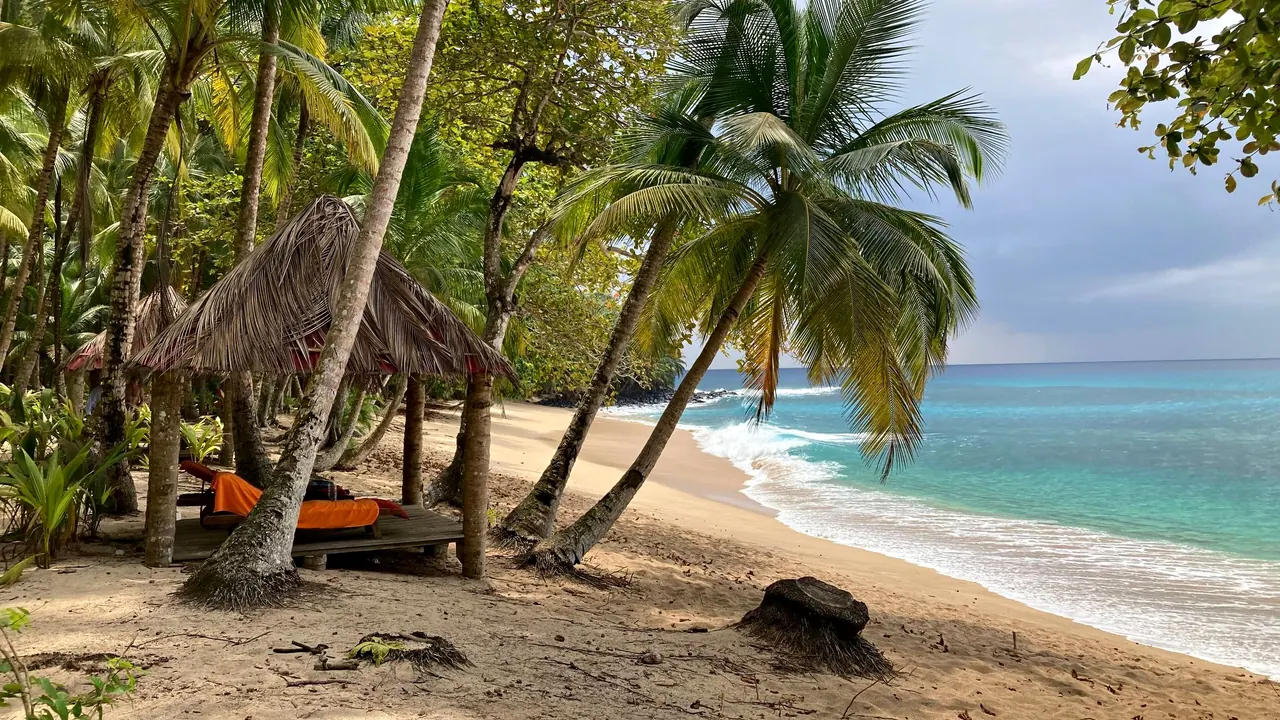
Palms and a small thatched shelter at Praia Banana
- Beaches82
- Nature & outdoors82
- Wellness & relaxation42
Photo: Josep M. Gracia, CC BY-SA 4.0, cropped
Match
30
Every category weighted equally
- Beach & sun38
- Culture & arts21
- Food & nightlife22
- Family trip36
- Outdoors38
- Relax & unwind38
- Shopping & style22
- On a budget29
Príncipe in twelve categories
Our verdict on each, scored 0 to 100 against the same fixed benchmark cities, so a score means the same thing on every page.
Beaches & swimming. Scores 82 out of 100.
Food & drink. Scores 24 out of 100.
Culture & sights. Scores 20 out of 100.
Nightlife. Scores 4 out of 100.
Nature & outdoors. Scores 82 out of 100.
Day trips. Scores 6 out of 100.
Good for families. Scores 27 out of 100.
Getting around. Scores 22 out of 100.
Shopping & style. Scores 4 out of 100.
Affordability. Scores 28 out of 100.
Live music & performing arts. Scores 14 out of 100.
Wellness & relaxation. Scores 42 out of 100.
Príncipe category by category
Beaches & swimming
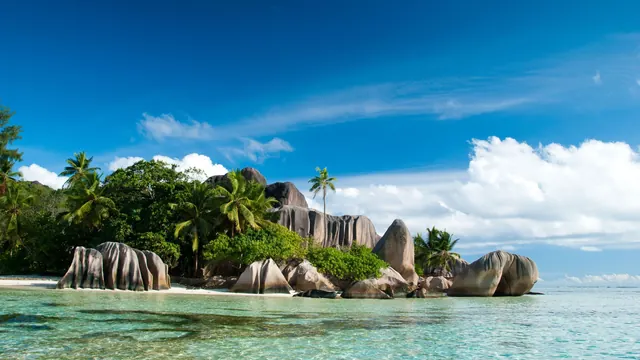
82Príncipe's beaches are small coves of golden sand where the rainforest comes down to the water's edge, and most of the time you will share them with almost nobody. Praia Banana, with its curve of palms and green-backed water, is the famous one. Praia Macaco, Praia Boi and Praia Sundy in the north, and the sandbar beside the Bom Bom islet, are just as quiet. The sea sits at about 26°C to 28°C all year and is calm in the sheltered bays.
This is a beach stay of a particular kind: very few amenities, no promenades, and beaches you reach by a rough track or a boat. Some shores are rocky or have strong currents, so local advice matters. The dry season from June to September gives the most reliable sun. From November to February turtles nest on several beaches, and you may find their tracks in the sand.
Food & drink
24Eating on Príncipe means grilled fish caught that morning, plantain, breadfruit, cassava and tropical fruit, with the occasional Santomean stew such as calulu, slow-cooked with smoked fish and leaves. Santo António has a few simple local eating places and a market, and most visitors take most of their meals where they stay. The island's cocoa and coffee estates offer tastings and a sense of where good chocolate begins. Range is very limited, and you do not come here to eat.
Culture & sights
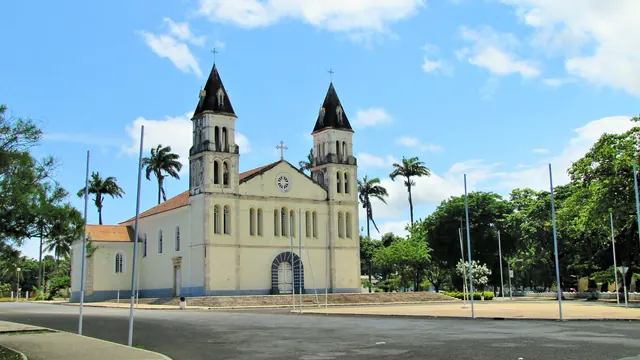
20The island's heritage lies in its roças, the colonial cocoa and coffee plantations whose manor houses, hospitals and workers' quarters stand half-reclaimed by the forest. Roça Sundy is where Arthur Eddington's expedition photographed the 1919 solar eclipse that helped confirm Einstein's theory of relativity, and a small memorial marks the spot. Roça Belo Monte and Porto Real show the same plantation history, with its legacy of forced labour. Santo António, one of the smallest capitals of its kind, has a few pastel colonial buildings and churches along a sleepy river. It makes for a morning or two of quiet sightseeing, not a cultural trip.
Nightlife
4There is almost no nightlife. Santo António has a few small bars where locals gather with music on weekend nights, and the resorts have a bar for a drink after dinner. Most visitors are asleep early, ready for a dawn walk or boat trip.
Nature & outdoors
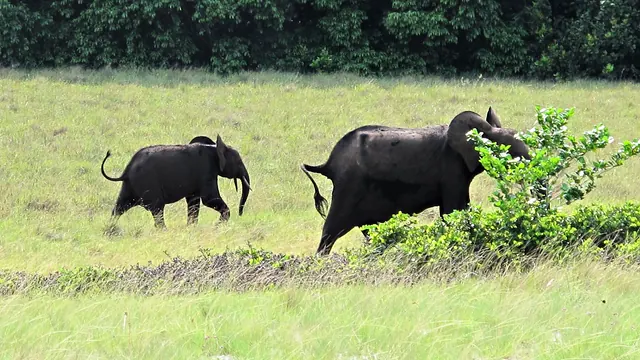
82Príncipe is an old volcanic island covered in rainforest, and the whole island is a UNESCO biosphere reserve. The south is the wildest part: Obô Natural Park, roadless forest rising to the Pico do Príncipe at about 950m, with sheer phonolite spires such as Pico Papagaio and the Joque rising above the canopy. The island has a remarkable share of endemic birds for its size, and guided forest walks lead to waterfalls and through the abandoned plantations.
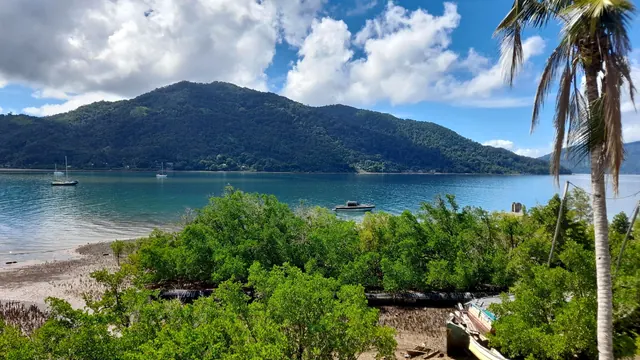
The sea adds the rest. Boats run along the cliffs and mangrove creeks, out to the seabird colonies on the Tinhosas islets, and to snorkelling and diving reefs. Humpback whales pass between July and October, and green, hawksbill and leatherback turtles nest from November to February. Trails are rough and best walked with a local guide, and the rainy months make them heavy going.
Day trips
6Príncipe offers almost nothing in the way of day trips. Beyond Santo António and the plantations there are no other towns to visit, and outings are into the forest or out to sea. The main island of São Tomé, with its capital and larger roças, is a short flight away and is better added as a separate stay than treated as a day out.
Good for families
27Older children who love animals will remember turtle hatchlings, whales and forest walks, and the sheltered coves are calm. But nothing on the island is made for children. It is a long journey with a small-plane hop, malaria is present, and medical care is basic. Rough roads and wet trails make getting about tiring. It suits adventurous families with older children better than parents of toddlers.
Getting around
22Getting there is part of the effort: small planes fly in from São Tomé, and sea crossings are irregular. On the island the distances are short, but only a few roads exist, partly paved and often rutted, and the forested south has no roads at all, so boats reach the far beaches. There are no useful buses. Visitors rely on transfers, local drivers in four-wheel-drive vehicles and guided excursions, while Santo António itself is a few minutes' walk end to end.
Shopping & style
4There is very little to buy. Santo António's market sells produce and everyday goods, and a few stalls and plantations offer local chocolate, coffee, carvings and fabrics. Bring what you need, because choice on the island is minimal.
Affordability
28Príncipe is an expensive place to visit. Most of the island's rooms are in a few upmarket eco-resorts, and the cost of getting there, transfers, boat trips and guided outings adds up quickly. Imported goods cost more than you would expect. A handful of simple guesthouses in and near Santo António, where local meals are cheap, bring the cost down for travellers who can do without comfort and arrange their own excursions.
Live music & performing arts
14The island's one great performance is the Auto de Floripes, a folk drama of Christians and Moors staged across the streets of Santo António in August during the feast of São Lourenço. The masked and costumed cast take over the whole town for days of music and battles. Outside that festival, live performance is limited to occasional local bands and drumming at community celebrations.
Wellness & relaxation
42Wellness here comes from the pace rather than any bathing tradition. There are no thermal baths or hammams, and spa treatments are limited to a resort or two. What the island offers is real quiet: few cars, no crowds, forest sounds through the night and long days with nothing to do. It suits travellers who want to switch off completely, not those looking for a spa vacation.
When should you go?
Pick a month to see what it is like. The climate figures are measured averages, not a forecast.
Príncipe in July
Daytime high, °C
Rainfall in the month, mm
The whole year
Shaded against this destination’s own year: the deepest cell is its best month for that figure and the palest its weakest.
Where the figures come from
Príncipe has no weather station within reach, so its figures come from a gridded climate model rather than a measured record, and read a broad area rather than one spot.
Temperature and rainfall are climate normals, averaged over the years shown. Príncipe: 2001-2020 normals, NASA POWER reanalysis grid, no weather station within 90 km.
Before you go
| Measure | Príncipe |
|---|---|
| Official language | Portuguese |
| Currency | Dobra (STN) |
| Sockets | CF220 V, 50 Hz |
| Driving side | Right |
| Time zone | UTC |
| Emergency number | 112 |
| Main airport | Principe Airport (PCP)1 non-stop destination |
| Public holidays this year | 8 days |
By the numbers
| Measure | Príncipe |
|---|---|
| Population | 7,344 |
| People per km² | 54 |
| Swim season, months above 21 °C | 12 months |
Compare Príncipe with
Every comparison with a written verdict behind it.