Lake Malawi
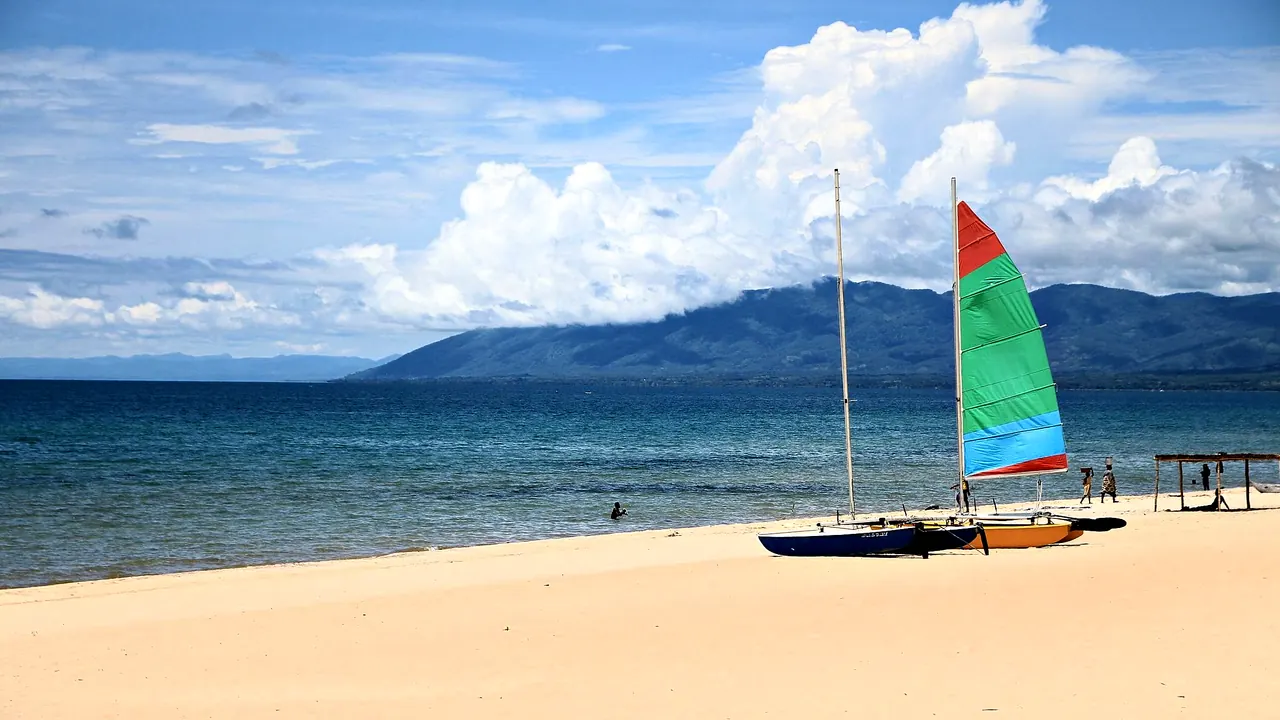
Sailing boats on a sunlit sandy beach on Lake Malawi, with mountains behind
- Affordability78
- Nature & outdoors76
- Beaches70
Photo: Ros NL, Pexels License
Match
35
Every category weighted equally
- Beach & sun43
- Culture & arts26
- Food & nightlife27
- Family trip41
- Outdoors44
- Relax & unwind41
- Shopping & style26
- On a budget39
Lake Malawi in twelve categories
Our verdict on each, scored 0 to 100 against the same fixed benchmark cities, so a score means the same thing on every page.
Beaches & swimming. Scores 70 out of 100.
Food & drink. Scores 22 out of 100.
Culture & sights. Scores 22 out of 100.
Nightlife. Scores 15 out of 100.
Nature & outdoors. Scores 76 out of 100.
Day trips. Scores 26 out of 100.
Good for families. Scores 26 out of 100.
Getting around. Scores 18 out of 100.
Shopping & style. Scores 12 out of 100.
Affordability. Scores 78 out of 100.
Live music & performing arts. Scores 8 out of 100.
Wellness & relaxation. Scores 42 out of 100.
Lake Malawi category by category
Beaches & swimming
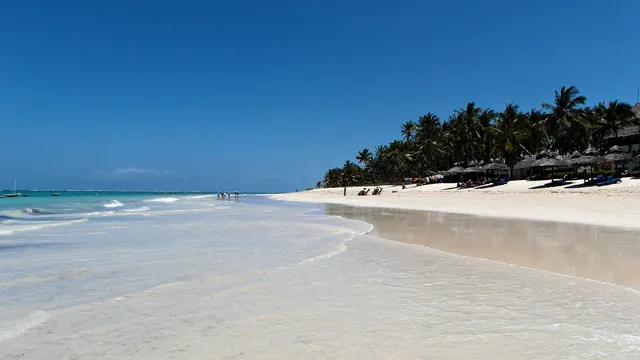
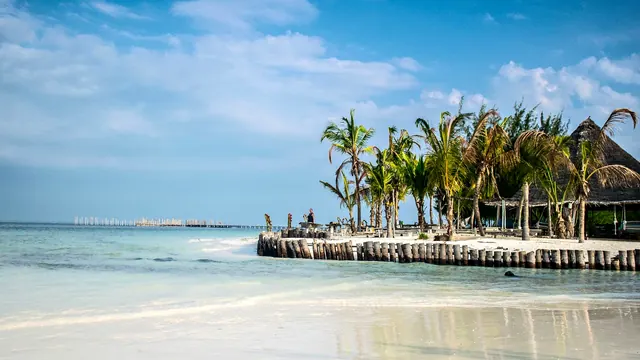
70Swimming is the main reason most people stay on the lake. The water is fresh, clear and warm, roughly 24°C in the cooler months of mid-year and close to 29°C by October and November, and most lodges sit right on golden sand with the lake a few steps from the room. Cape Maclear in the south has sheltered bays and rocky islands. Nkhata Bay in the north has small coves set below wooded hills, Chintheche has long empty strands, and Likoma Island has quiet beaches facing the Mozambique shore.
The lake has its own risks. Bilharzia is present in shallow, reedy water near villages, so swim off rocks or open beaches, ask locally and plan a test on return. In the south, keep clear of river mouths, where hippos and crocodiles can turn up. There are no waves, tides or salt, and the lake gets choppy when the afternoon wind rises.
Food & drink
22Most meals are eaten at your lodge. The lake's own contribution is fish: chambo, a tilapia that is grilled or fried whole, and tiny usipa, which are dried in great silver heaps on racks along the shore. With it comes nsima, the stiff maize porridge that is eaten with the hand at every meal. Roadside stalls sell roasted maize, mandazi doughnuts and fruit in season, and the drink is cold local lager. There is no restaurant scene to speak of, and lodge kitchens make simple international dishes with whatever arrives on the supply run.
Culture & sights
22The lake's heritage is mostly missionary and colonial, and there is not much of it. The largest site is St Peter's Cathedral on Likoma Island, a huge Anglican church of brick and granite that seems out of scale with the small island around it. High on the escarpment above the northern shore, the Livingstonia mission keeps its old stone church, a stone house and a small museum about the Scottish missionaries. Mangochi, near the southern tip, has a small lake museum and a colonial clock tower, and Cape Maclear has the graves of early missionaries. People come for the water and the villages, not to see sights.
Nightlife
15Evenings mean a drink at the lodge bar and maybe a bonfire on the sand. Nkhata Bay and Cape Maclear, the two backpacker hubs, have the liveliest bars, with reggae, pool tables and a beach party now and then. Elsewhere, and on the quieter upmarket island lodges, the night is over soon after dinner. Do not come here for clubs or late nights.
Nature & outdoors
76This is one of Africa's great lakes, close to 580km long, with hills on the Malawi side and the Mozambique highlands across the water. The real draw is underwater. Its rocky shores hold hundreds of species of cichlid, small fish in brilliant colours found nowhere else, and Lake Malawi National Park around Cape Maclear protects the richest stretch. You can snorkel straight off the rocks and learn to dive in calm fresh water, kayak out to Thumbi and Mumbo islands, and watch fish eagles dive for their catch.
Nkhata Bay is the northern base for kayaking and shore walks. Above Chitimba the road climbs to Livingstonia, where trails lead to the Manchewe Falls and views over the whole north basin. From the southern lakeshore, Liwonde National Park on the Shire River is a long drive or more, a good place for boat safaris among hippos, crocodiles and elephants. The dry season, roughly May to October, is the easiest time to be outdoors.
Day trips
26There are few places to go for the day, and the roads make every trip feel long. From the southern lakeshore, Zomba, the old colonial capital at the foot of its plateau, is about two hours away and has a market and colonial-era buildings. From Senga Bay, Lilongwe is within reach for its markets and a look at the capital. In the north, Mzuzu is a busy trading town, and the Livingstonia mission is half a day's climb up the escarpment. Likoma Island feels like an outing, but the ferries and flights make it a trip of several days, not one.
Good for families
26Families who are used to independent travel in Africa can have a gentle stay here. The water is calm and warm, lodges are relaxed, and Malawians are warm with children. Some lodges also have family rooms and shallow beach fronts. The problems are serious, though. Malaria runs all year, bilharzia means watching where children paddle, and the transfers from the airport are long and bumpy. Medical care near the lake is basic, and nothing here is made for children beyond the water and the sand.
Getting around
18Moving around the lake takes time and patience. The bases are hundreds of kilometres apart along a lakeshore road that is slow in places, and side roads to beaches like Cape Maclear are rough. Local transport means packed minibuses and shared taxis. Most visitors use lodge transfers or hire a car with a driver, and self-driving at night is best avoided. The old lake steamer and the small flights to Likoma connect the north and the islands, but neither runs often. Once you are at a lodge, you get around on foot or by boat.
Shopping & style
12Shopping means roadside curio stalls and the sellers who walk the beaches with carved wooden figures, bao boards, chief's chairs and painted key rings. Village markets sell brightly printed chitenje cloth, which is the most useful thing to bring home. There are no boutiques or craft centres of note around the lake.
Affordability
78For a traveller on a budget the lake is very cheap. Simple lodges, campsites and local meals cost little, and so do the minibuses. Costs rise quickly with comfort. Private transfers, diving, park entry and imported drinks are priced more like an international destination than a local one, and the remote island lodges are a luxury product. A visitor can choose either way, and the cheaper way is easy.
Live music & performing arts
8There is almost no formal performance life. Some lodges put on drumming and dance evenings with nearby villages, and you may come across choirs at church on a Sunday. The masked Gule Wamkulu dances of the Chewa belong to funerals and ceremonies, not to visitors, and are seldom seen. There are no theatres or concert venues on the lake.
Wellness & relaxation
42The lake has no baths, hammams or spa tradition. What it offers is a very slow pace: hammocks under the trees, early swims in still water, and lake sunsets with nothing to do afterwards. Some of the quieter lodges, especially on Likoma and the islands off Cape Maclear, offer massage or yoga decks. Visitors who want proper treatments will find very few, and those who simply want to stop will find the lake very good for it.
When should you go?
Pick a month to see what it is like. The climate figures are measured averages, not a forecast.
Lake Malawi in July
Daytime high, °C
Rainfall in the month, mm
The whole year
Shaded against this destination’s own year: the deepest cell is its best month for that figure and the palest its weakest.
Where the figures come from
Lake Malawi has no weather station within reach, so its figures come from a gridded climate model rather than a measured record, and read a broad area rather than one spot.
Temperature and rainfall are climate normals, averaged over the years shown. Lake Malawi: 2001-2020 normals, NASA POWER reanalysis grid, no weather station within 90 km.
Before you go
| Measure | Lake Malawi |
|---|---|
| Official language | English, Chewa, Tumbuka |
| Currency | Malawi Kwacha (MWK) |
| Sockets | G230 V, 50 Hz |
| Driving side | Left |
| Time zone | UTC+2 |
| Emergency number | Police 990/997, ambulance 998, fire 999 |
| Main airport | Kamuzu International Airport (LLW)9 non-stop destinations |
| Public holidays this year | 11 days |
Compare Lake Malawi with
Every comparison with a written verdict behind it.