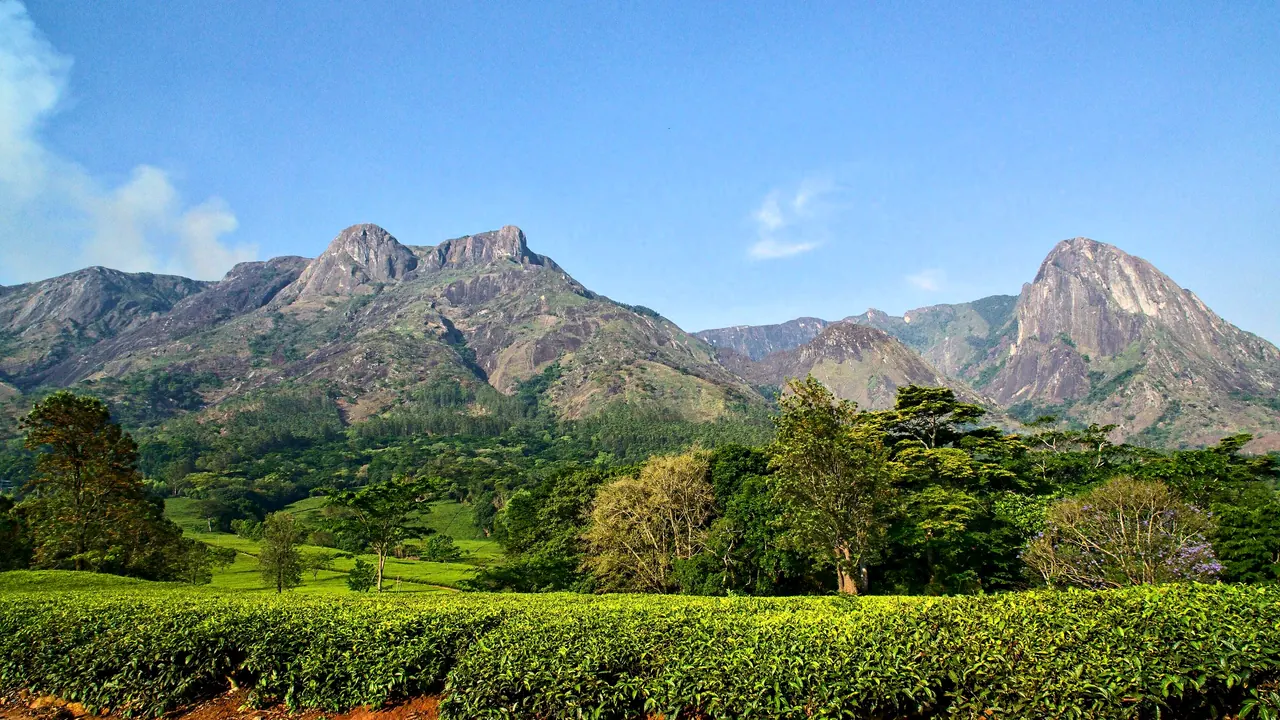
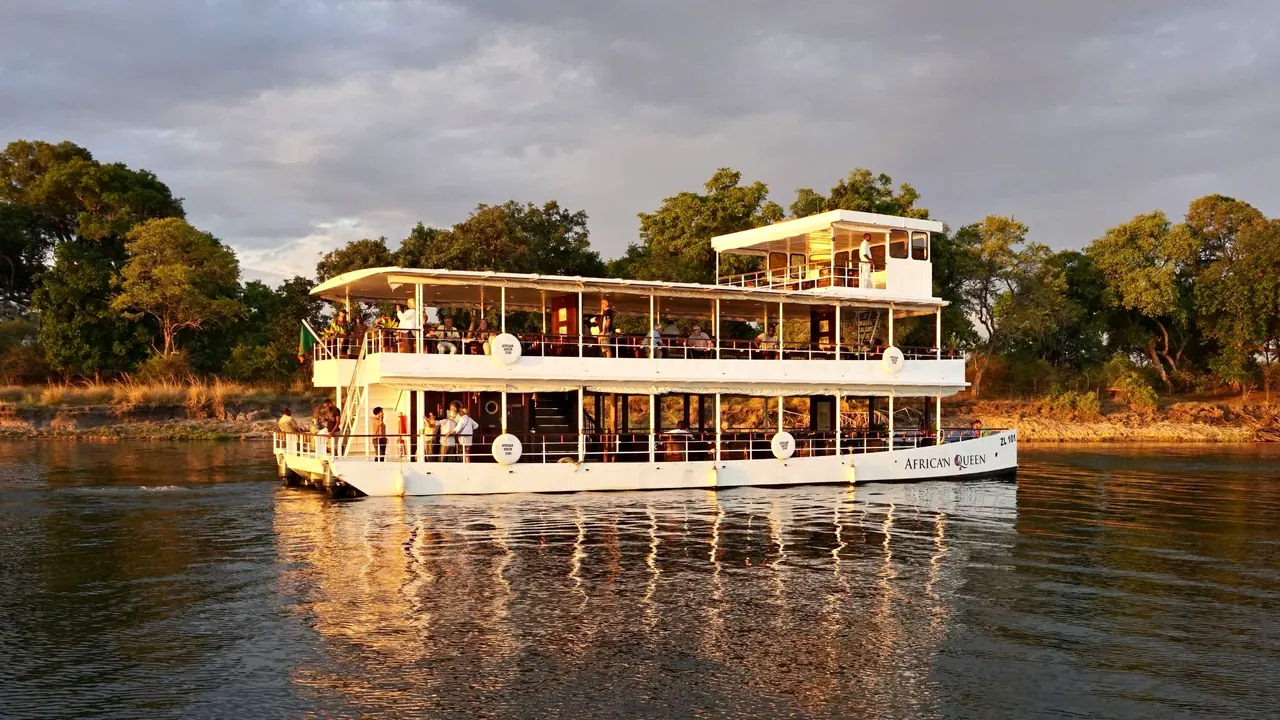
Photos: Malawi by David Davies from Birmingham, UK, CC BY-SA 2.0, cropped; Zimbabwe by Bernard Gagnon, CC BY-SA 4.0, cropped.
Malawi or Zimbabwe?
Our verdict in twelve categories, each scored against the same fixed benchmark cities, and the climate month by month, so you can choose for your trip.
Choose Malawi for
- beaches
- prices
- wellness
Malawi is the choice for a slower, cheaper trip built around water. Lake Malawi gives it the beach days its neighbour cannot offer, from the village sand at Cape Maclear to the quiet coves of Nkhata Bay and the remote shore of Likoma Island. Simple lodges let a traveller stay put for days, snorkel among cichlids and spend very little. Add a hike on Mount Mulanje or a boat trip in Liwonde and you have a full trip without the safari price tag.
Choose Zimbabwe for
- culture and sights
- nature and the outdoors
- live music and the arts
Travellers who want the big African landscapes should look at Zimbabwe, and it asks more of the budget. Victoria Falls, walking safaris in Mana Pools and elephant herds in Hwange are the reason to go. Great Zimbabwe gives it a monument of real stature, and Shona sculpture and mbira music give it more culture to take home. You can't swim, and lodges and activities are expensive, so it suits a planned trip with money set aside for the parks.
Scoreboard
Twelve categories on one fixed scale from 0 to 100. The shaded stretch is the gap between the two.
Your match
Pick a travel style or drag the sliders, and both match scores follow your weighting.
Wins on beaches and prices with your weighting.
Wins on culture and sights and nature and the outdoors with your weighting.
What matters to you?
Category by category
What the scores mean for a trip.
Beaches & swimming
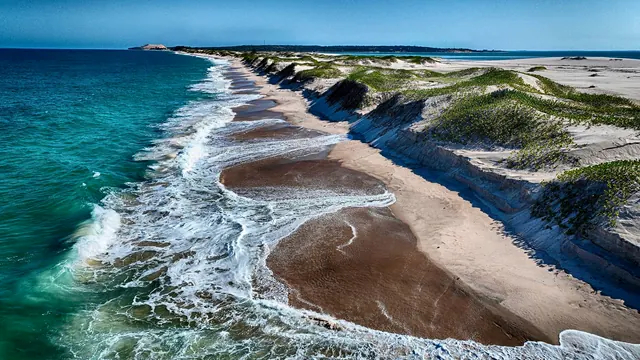
Malawi wins this outright. Lake Malawi gives it a long shore of sandy bays and granite headlands. Cape Maclear has a classic village beach with islands offshore, Nkhata Bay has small green coves below the lodges, and Senga Bay is the easy run from Lilongwe. Likoma Island has the finest sand for those willing to make the journey. The one caution is bilharzia near villages and reeds.
Zimbabwe has no beach at all. Lake Kariba is beautiful at sunset, but the crocodiles and hippos rule out swimming, so a dip here means a lodge or hotel pool.
Where in Malawi: Cape Maclear, Nkhata Bay, Likoma Island, Senga Bay
Food & drink
The two eat much the same way. Both are built on a stiff maize porridge, nsima in Malawi and sadza in Zimbabwe, eaten by hand with greens, beans or stewed meat. In neither country is food a reason to go.
The differences are in the side dishes. Malawi's best meal is grilled or fried chambo straight from the lake, eaten at a lodge or a roadside stall. Zimbabwe has dried kapenta, mopane worms and braai stands. Its safari lodges often serve very good meals, and Harare's northern suburbs have a few more restaurants than Lilongwe or Blantyre.
Where in Malawi: Lake Malawi shore, Lilongwe, Blantyre
Where in Zimbabwe: Harare, Bulawayo, Victoria Falls
Culture & sights
Zimbabwe has much more to see, mostly thanks to Great Zimbabwe. The mortarless granite walls and the conical tower of the Great Enclosure deserve a full day. The Khami ruins near Bulawayo, the San paintings in the Matobo Hills and Bulawayo's natural history museum make a short but solid heritage route.
Malawi's heritage is smaller and quieter: painted shelters at Chongoni near Dedza, the mission town of Livingstonia on its escarpment, and the Kungoni centre at Mua with its Gule Wamkulu masks. These are good stops along the way rather than a reason to plan a route.
Where in Malawi: Chongoni and Dedza, Mua, Livingstonia, Blantyre
Where in Zimbabwe: Great Zimbabwe, Bulawayo, Matobo Hills, Harare
Nightlife
Malawi's nights out come in two kinds. In Lilongwe and Blantyre, busy bars and dance clubs play local and Afro-pop music late on Fridays and Saturdays. On the lake, the backpacker lodges at Nkhata Bay and Cape Maclear have bars that fill with travellers, with the odd party night.
Zimbabwe has a little more, and most of it is in Harare. Bars, lounges and a few clubs in Avondale, Borrowdale and the centre fill with a local crowd at weekends, and Victoria Falls town adds a small circuit of bars for rafters. Anywhere else in either country, the evening ends early on a lodge terrace or by a safari fire.
Where in Malawi: Lilongwe, Blantyre, Nkhata Bay
Where in Zimbabwe: Harare, Victoria Falls
Nature & outdoors
Malawi's outdoors is its great strength, and much of it centres on the lake and the high ground. You can snorkel and kayak among the cichlids in Lake Malawi National Park, take multi-day hikes on Mount Mulanje or cross the empty grassland of the Nyika Plateau. Liwonde's boat safaris bring elephant and hippo close, and Majete holds the big five, but the parks are smaller.
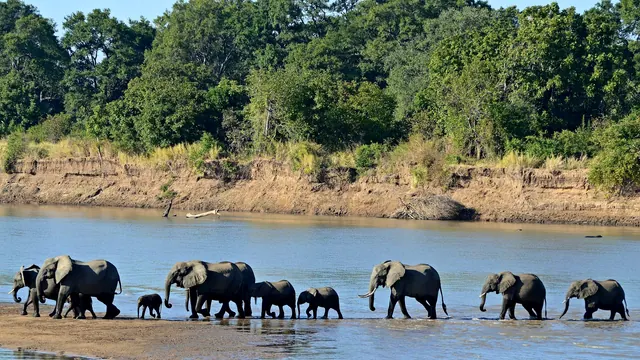
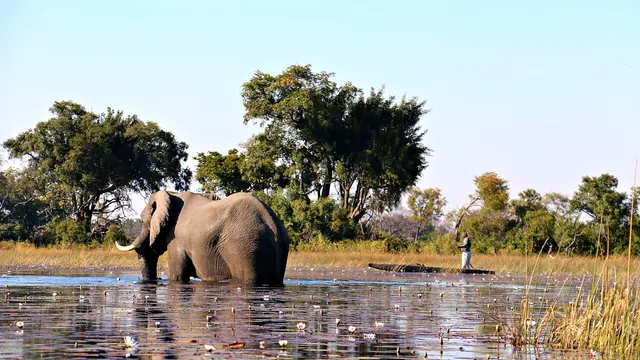
Zimbabwe's landscapes are grander. At Victoria Falls you watch the Zambezi drop into its gorge from the rainforest path, then raft the white water below or cruise the river above. Mana Pools puts you on foot or in a canoe among elephants and wild dogs, Hwange has huge elephant herds, and the misty Eastern Highlands add mountain walking.
Where in Malawi: Lake Malawi National Park, Mount Mulanje, Liwonde National Park, Nyika Plateau
Where in Zimbabwe: Victoria Falls, Mana Pools, Hwange National Park, Eastern Highlands
Day trips
Neither country is built for day trips between towns, but Zimbabwe has slightly better options. Bulawayo puts the Khami ruins and the Matobo Hills within an hour or so. From Victoria Falls you can cross the bridge for a day in Livingstone.
Malawi's outings are gentler and more rural. Zomba's colonial buildings and the tea estates around Thyolo are both easy from Blantyre. From Lilongwe, the road south to Dedza's pottery and the mission at Mua fills a day.
Where in Malawi: Zomba, Thyolo, Dedza
Where in Zimbabwe: Victoria Falls, Bulawayo, Harare
Good for families
In Malawi a family trip is a lake trip, and in Zimbabwe it is a safari, which gives children a little more to look forward to. In Malawi, Senga Bay's shallow sand is the easiest start, and older children can kayak and snorkel at Cape Maclear. Boat trips in Liwonde bring hippos and elephants close without long hours in a vehicle.
Zimbabwe has the spray-soaked rainforest path and gentle river cruises at Victoria Falls, which suit any age. Hwange shows elephants from the vehicle, and the Matobo granite domes are good for scrambling. Many lodges set minimum ages for drives and walks, and in both countries malaria and long, rough roads favour older children.
Where in Malawi: Senga Bay, Cape Maclear, Liwonde National Park
Where in Zimbabwe: Victoria Falls, Hwange National Park, Matobo Hills
Getting around
Both are slow and tiring to cross, and most visitors hire a car with a driver or join a tour. The shape of each country changes how that works.
Malawi is long and narrow, strung along one main road shared with minibuses, cyclists and goats. Its only quirk is the slow lake steamer to Likoma. Zimbabwe is wider, and its sights sit at the far corners, with potholes and police checkpoints on the roads. However, scheduled flights link Harare, Bulawayo and Victoria Falls, and many visitors simply fly into the falls and stay in the west.
Where in Malawi: Lilongwe, Blantyre
Where in Zimbabwe: Victoria Falls, Harare
Shopping & style
Zimbabwe has the one souvenir worth seeking out: Shona stone sculpture in serpentine and springstone. You can buy it in the galleries and sculpture gardens around Harare, and the big craft market at Victoria Falls rounds out the choice.
Malawi's crafts are humbler: carved chairs and masks at roadside stalls and the Lilongwe craft market, pottery from Dedza and carvings from Mua. The bright chitenje cloth is the easiest thing to pack. Fashion shopping doesn't exist in either country.
Where in Malawi: Lilongwe, Dedza, Mua
Where in Zimbabwe: Harare, Victoria Falls
Affordability
Malawi is far cheaper. A traveller can spend weeks in the beachfront lodges and campsites of Cape Maclear or above the coves at Nkhata Bay, eating grilled chambo for very little. Zomba's guesthouses and free plateau walks keep costs down inland too. Money only goes fast in the park lodges and on a hired driver.
In Zimbabwe those expensive items make up most of the trip. Fly-in lodges, guided walks at Mana Pools, falls activities and charter flights all cost a lot. The budget route through Hwange's park-run chalets and the Matobo campsites works, but it takes planning and a self-drive vehicle.
Where in Malawi: Cape Maclear, Nkhata Bay, Zomba
Where in Zimbabwe: Hwange National Park, Matobo Hills, Bulawayo, Harare
Live music & performing arts
Zimbabwe has the richer music. The mbira, and the chimurenga guitar music that grew from it, give it a sound of its own, and fast sungura bands play bars and garden venues in Harare at weekends. An mbira performance is the evening to look for.
Malawi has less to attend, but it has one fixed point: the Lake of Stars festival on the lakeshore, worth timing a trip around. With luck you may also see the masked Gule Wamkulu dance near Mua. Otherwise there are weekend bar bands in the two cities.
Where in Malawi: Lake Malawi shore, Mua, Lilongwe
Where in Zimbabwe: Harare, Victoria Falls
Wellness & relaxation
Both are about rest rather than treatments. Neither has a spa tradition, and you won't find much beyond a lodge massage or a hotel spa.
The difference is the setting. In Malawi you rest by the water, with paddles, hammocks and fishing boats at dusk at Cape Maclear, and near-solitude on Likoma Island. In Zimbabwe you get cool air and log fires in the old country hotels of Nyanga and the Bvumba, or slow dawn-to-dusk days on a Kariba houseboat.
Where in Malawi: Cape Maclear, Likoma Island
Where in Zimbabwe: Eastern Highlands, Mana Pools, Lake Kariba, Victoria Falls
When should you go?
Pick your month, and for a country the place in it. The climate figures are measured averages, not a forecast.
Where in Malawi
Lilongwe (Malawi) in July
Victoria Falls (Zimbabwe) in July
Daytime high, °C
Rainfall in the month, mm
Where the figures come from
Lilongwe (Malawi)'s station stands 179 m above the city centre, so the centre is likely a little warmer than the figures say.
Temperature and rainfall are climate normals, averaged over the years shown. Lilongwe (Malawi): 1982-2025 (rainfall 1961-1990) normals, Lilongwe International Airport (22.6 km from centre). Victoria Falls (Zimbabwe): 1991-2020 (sunshine 1981-2010) normals, Livingstone (13.1 km from centre).
The two countries share a season pattern. Rain falls from about November to March and the dry months run from May to October. In Malawi the lakeshore takes the heaviest rain, around 308mm in January. Lilongwe is at its coolest in June and July, near 23°C, which makes those months easy for walking and travelling by road. Lake Malawi gets very hot by October and November, around 33°C, so the lake is most comfortable for beach days from May to September, before the heat and then the rains build.
Victoria Falls in Zimbabwe runs hotter all year and peaks at about 35°C in October. That is the hardest month for game drives and walking. June to August are the dry, mild and sunniest months, with around 324 hours of sunshine in August, and they suit both countries' parks. The falls carry the most water from March to May, just after the rains, while the clearest views of the rock face come late in the dry season.
Which traveller are you?
On a beach and sun trip, Malawi is the only choice. Lake Malawi's sandy bays at Cape Maclear, Senga Bay and Likoma Island have warm fresh water, though windy afternoons can bring sea-like waves. In Zimbabwe, crocodiles and hippos keep swimmers out of the lakes and rivers.
On a trip on a tight budget, Malawi goes much further, with cheap lakeshore lodges at Cape Maclear and Nkhata Bay and modest guesthouses in Zomba. Zimbabwe can be done cheaply with Hwange's park chalets, guesthouses in Bulawayo and self-driving, but only with careful planning.
For an outdoors trip, Malawi offers snorkelling in the lake and multi-day hikes on Mount Mulanje and the Nyika Plateau. Zimbabwe works on a larger scale: Victoria Falls, walking among elephants in Mana Pools and the great herds of Hwange.
More comparisons
Each shares a side with Malawi or Zimbabwe.
Where else could you go?
Set Malawi or Zimbabwe against any other country.