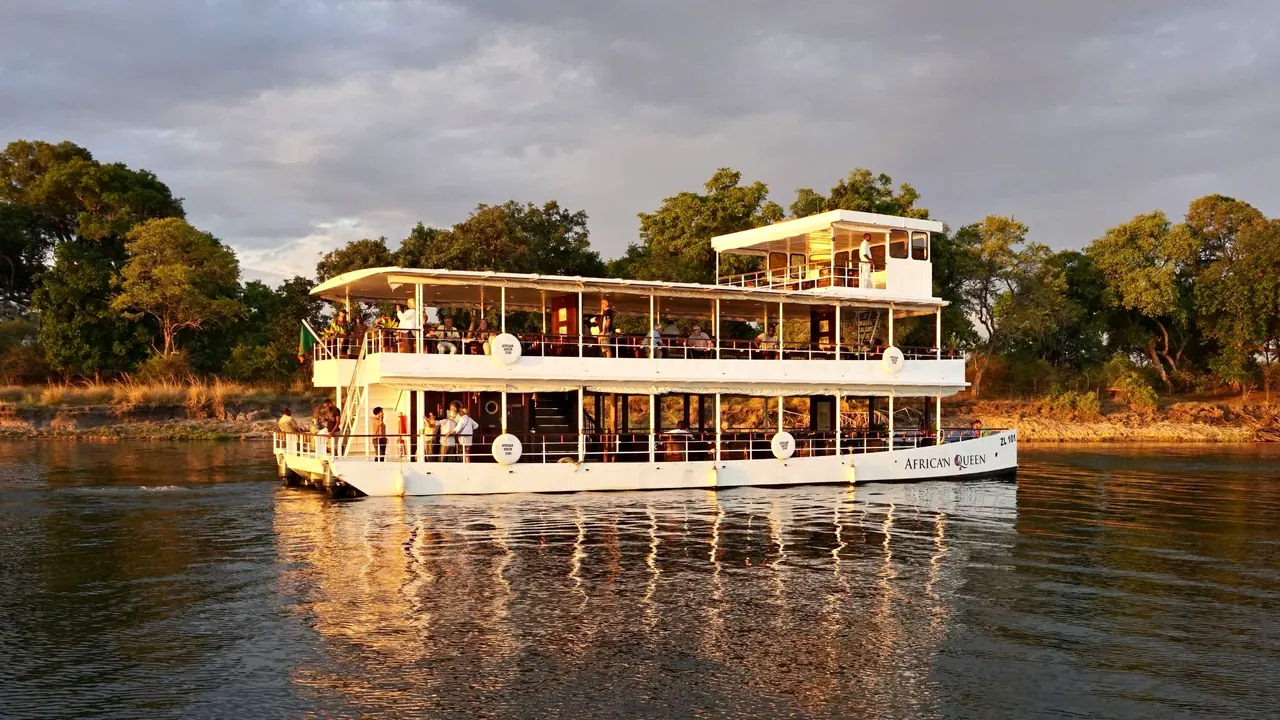
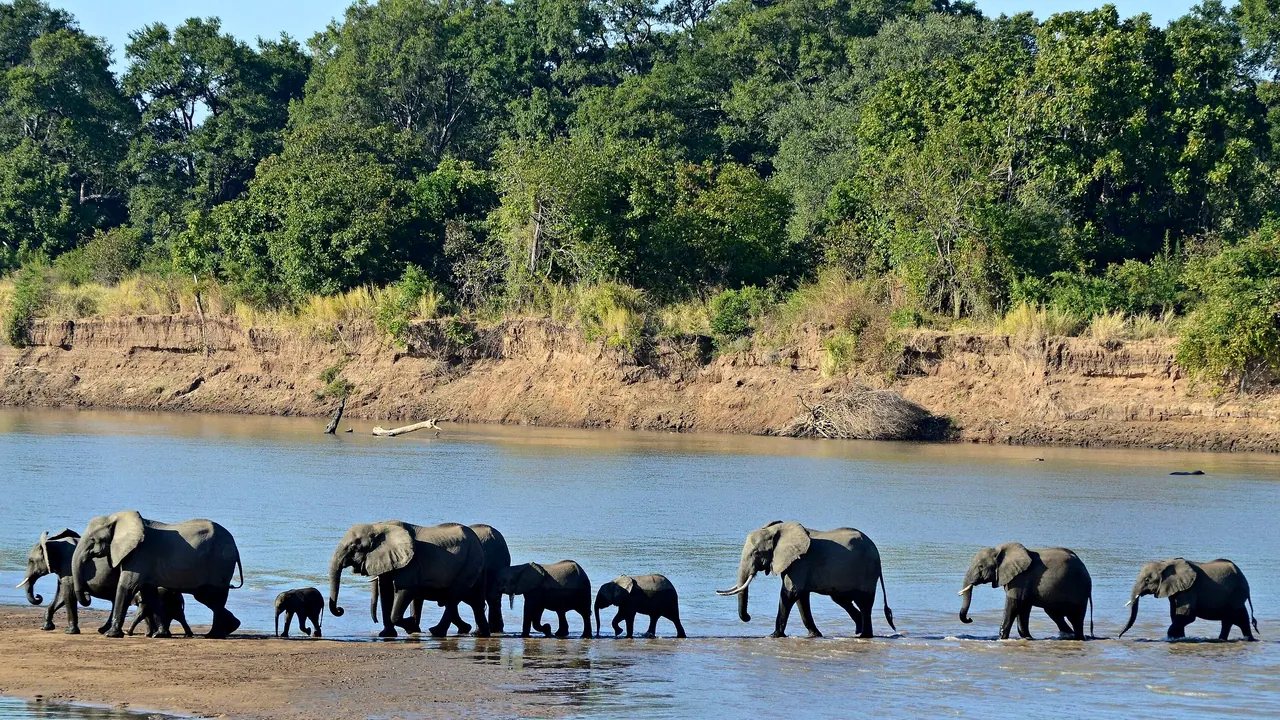
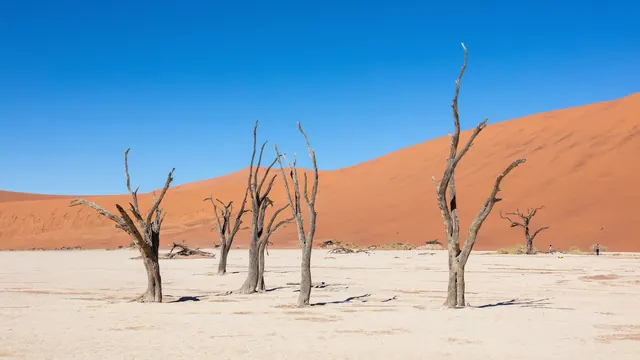
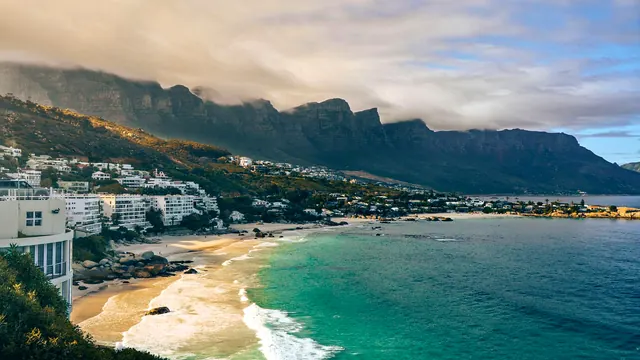
Photos: Zimbabwe by Bernard Gagnon, CC BY-SA 4.0, cropped; Zambia by Geoff Gallice, CC BY 2.0, cropped.
Zimbabwe or Zambia?
Our verdict in twelve categories, each scored against the same fixed benchmark cities, and the climate month by month, so you can choose for your trip.
Choose Zimbabwe for
- culture and sights
- live music and the arts
- shopping
Zimbabwe is the better choice if you want some history and music with your wildlife. Great Zimbabwe's mortarless stone walls, the Khami ruins and the rock paintings of the Matobo Hills give it a heritage trail that Zambia cannot match. Harare's weekend bands and mbira evenings add a musical side, and the cool Eastern Highlands offer mountain walking and a rest from the lowveld heat.
Choose Zambia for
- beaches
- prices
- wellness
Zambia suits travellers who want the bush and little else. Its strength is the remote, foot-level safari: walking in South Luangwa, canoeing the Lower Zambezi, and seasonal sights such as the Liuwa wildebeest and the Kasanka bats. Budget campsites on the edge of South Luangwa and backpacker lodges in Livingstone also give it a slightly cheaper way in.
Scoreboard
Twelve categories on one fixed scale from 0 to 100. The shaded stretch is the gap between the two.
Your match
Pick a travel style or drag the sliders, and both match scores follow your weighting.
Too close to call, 2 points apart
Wins on culture and sights and live music and the arts with your weighting.
Wins on beaches and prices with your weighting.
What matters to you?
Category by category
What the scores mean for a trip.
Beaches & swimming
Neither country has a coast, and in both the lakes and rivers belong to crocodiles and hippos. Most swimming happens in a lodge pool. Lake Kariba, which the two countries share, is for houseboats and sunsets rather than swimming.
Zambia has two small extras. The Devil's Pool on the lip of Victoria Falls is a guided swim when the river is low, and Lake Tanganyika in the far north has sandy bays with clear water. Both are novelties rather than reasons to choose the country.
Where in Zambia: Lake Tanganyika, Victoria Falls
Food & drink
The food is very similar on both sides of the Zambezi. Zimbabwe's sadza and Zambia's nshima are the same stiff maize porridge, eaten with greens, beans or kapenta, and on safari you eat whatever the camp serves.
The differences are small. Zimbabwe has its roadside braai stands, mopane worms for the adventurous and a few wines from the Eastern Highlands, and its restaurants are in Harare's northern suburbs. In Zambia the only real choice of restaurants is in Lusaka, where Indian and Chinese kitchens make a change from nshima.
Where in Zimbabwe: Harare, Bulawayo, Victoria Falls
Where in Zambia: Lusaka, South Luangwa, Livingstone
Culture & sights
Zimbabwe is well ahead here because of Great Zimbabwe, the stone city near Masvingo that is worth a full day. Add the Khami ruins and the San paintings in the Matobo Hills, both near Bulawayo, and you have a heritage route worth planning a trip around. Bulawayo's natural history museum and Harare's National Gallery add to it.
Zambia's culture is more about living tradition than monuments. Livingstone has the country's oldest museum, and the royal Lozi compounds in Barotseland and the Shiwa Ng'andu manor house are interesting. However, each needs a long journey and none comes close to Great Zimbabwe.
Where in Zimbabwe: Great Zimbabwe, Bulawayo, Matobo Hills, Harare
Where in Zambia: Livingstone, Lusaka, Barotseland, Shiwa Ng'andu
Nightlife
Nightlife is a small part of a trip to either country, and on safari the evening means a fire and an early bed. Each capital has the main weekend scene: Harare's bars and lounges in Avondale and Borrowdale, and Lusaka's beer gardens and clubs playing African pop. Near the falls, Victoria Falls town and Livingstone both have a few bars where rafters and backpackers meet after a day on the river.
Where in Zimbabwe: Harare, Victoria Falls
Where in Zambia: Lusaka, Livingstone
Nature & outdoors
Both countries offer some of the finest wildlife and wild landscapes in Africa, and they share Victoria Falls and the Zambezi. Zimbabwe has more variety of scenery. Hwange's big elephant herds, walking and canoeing at Mana Pools, the rhino in the granite domes of Matobo and the misty mountain walks of the Eastern Highlands give a range of landscapes.
Zambia goes deeper into the bush. South Luangwa, where the walking safari began, the canoe trips of the Lower Zambezi and the empty expanse of Kafue are its core. It adds seasonal events Zimbabwe lacks: the Liuwa Plain wildebeest migration in November and the Kasanka fruit bat gathering from October to December.
Where in Zimbabwe: Victoria Falls, Mana Pools, Hwange National Park, Eastern Highlands
Where in Zambia: South Luangwa, Victoria Falls, Lower Zambezi, Kafue
Day trips
In both countries, most outings are game drives and river trips rather than visits to other towns. Ironically, the best-known day trip from each is a visit to the other: Livingstone and Victoria Falls town face each other across the bridge.
Beyond that, Zimbabwe has more heritage within reach, with Khami and the Matobo Hills an hour or so from Bulawayo. From Livingstone, Zambia offers Mukuni village and wildlife days into Botswana's Chobe instead.
Where in Zimbabwe: Victoria Falls, Bulawayo, Harare
Where in Zambia: Livingstone
Good for families
Both countries are best with older children who can sit quietly on a game drive. Both have minimum ages for walking and canoe safaris, and neither has theme parks or children's museums.
Zimbabwe is slightly easier. Malaria is confined to certain regions rather than the whole country, and the Matobo Hills, with granite domes to climb and caves of rock paintings to find, suit active children well. In Zambia, families do best based in Livingstone, where the falls and gentle river cruises are close together.
Where in Zimbabwe: Victoria Falls, Hwange National Park, Matobo Hills
Where in Zambia: Livingstone, South Luangwa
Getting around
Both countries are hard work to travel around: long distances, potholed roads and good reasons not to drive after dark. Zimbabwe's main sights are spread to its four corners, so many visitors fly into Victoria Falls and stay in the west, or hire a driver or a 4x4. Police checkpoints add to the delays.
Zambia's safari circuit is more often stitched together by air, through Mfuwe for South Luangwa and in light aircraft to bush airstrips. Camps or tour operators usually handle the logistics. That is easier on the visitor, but it adds to the cost.
Where in Zimbabwe: Victoria Falls, Harare
Where in Zambia: Livingstone, South Luangwa, Lusaka
Shopping & style
In both countries, shopping means crafts rather than fashion. Zimbabwe has the more distinctive thing to buy: Shona stone sculpture, sold from galleries and sculpture gardens around Harare, along with the large craft market in Victoria Falls town. In Zambia, look for copper work, malachite and bright chitenge cloth at Lusaka's craft market and in Kabwata's stalls.
Where in Zimbabwe: Harare, Victoria Falls
Where in Zambia: Lusaka, Livingstone
Affordability
Neither country is cheap once lodges, park fees and charter flights are involved, but Zambia is a little kinder to a careful budget. Livingstone's backpacker lodges and the campsites on the edge of South Luangwa, with game drives sold separately, offer a cheaper way in.
The top camps in South Luangwa and the Lower Zambezi are among the priciest in Africa. In Zimbabwe, the budget route is self-driving to Hwange's park-run chalets or the Matobo camps, which takes more planning.
Where in Zimbabwe: Hwange National Park, Matobo Hills, Bulawayo, Harare
Where in Zambia: Livingstone, South Luangwa, Lusaka
Live music & performing arts
Zimbabwe has the richer music to hear. Mbira music and its electric offshoot chimurenga, along with fast guitar-led sungura, fill Harare's bars and garden venues at weekends. An mbira performance makes the most memorable musical evening in either country.
Zambia's best performances are its annual ceremonies, such as the Kuomboka, the Ncwala and the Makishi masquerades. These are remarkable but far from the usual routes and depend on an uncertain calendar. Otherwise there is local theatre at the Lusaka Playhouse and the occasional live band.
Where in Zimbabwe: Harare, Victoria Falls
Where in Zambia: Barotseland, Eastern Province, North-Western Province, Lusaka
Wellness & relaxation
Neither country has a spa tradition, so relaxation means calm days at a lodge, with the odd massage. Zambia's calm comes from the bush: midday hours on a deck over the Luangwa River, and the remote Kapishya hot springs near Shiwa Ng'andu.
Zimbabwe offers a change of air. The old country hotels of Nyanga and the Bvumba, with their gardens and log fires, are cool and restful after the lowveld, and a houseboat on Lake Kariba is a slow, quiet way to spend a few days.
Where in Zimbabwe: Eastern Highlands, Mana Pools, Lake Kariba, Victoria Falls
Where in Zambia: South Luangwa, Livingstone, Shiwa Ng'andu
When should you go?
Pick your month, and for a country the place in it. The climate figures are measured averages, not a forecast.
Victoria Falls (Zimbabwe) in July
Livingstone (Zambia) in July
Daytime high, °C
Rainfall in the month, mm
Temperature and rainfall are climate normals, averaged over the years shown. Victoria Falls (Zimbabwe): 1991-2020 (sunshine 1981-2010) normals, Livingstone (13.1 km from centre). Livingstone (Zambia): 1991-2020 (sunshine 1981-2010) normals, Livingstone (6.5 km from centre).
The two countries share Victoria Falls, and the climate figures for Victoria Falls town and Livingstone are the same. Any month that suits one side of the falls suits the other. The dry months, May to October, are the main safari season in both countries. June and July are the mildest, with daytime highs around 26°C, no rain and very sunny days, which makes them the most comfortable time for game drives and walking.
From August the heat builds, peaking around 35°C in October. Those months are hard going on foot in the lowveld but good for seeing wildlife, which gathers at water. The rains come in November and are heaviest in January, at about 154mm. Many remote Zambian camps close during the rains, while the falls themselves are at their fullest from March to May. In Zimbabwe, the Eastern Highlands give some relief from the heat at any time of year.
Which traveller are you?
On a culture and arts trip, Zimbabwe is the one to choose, and the route runs through the south. Base yourself in Bulawayo for the ruins and rock art an hour away, then stay a night in Masvingo for Great Zimbabwe. June and July are cool enough for long days on foot.
For an outdoors trip, both countries deliver, so choose by style. Zimbabwe suits a road trip linking the falls, Hwange and mountain walks in the Eastern Highlands. Zambia suits flying between remote camps from May to October, with Batoka Gorge rafting from August.
On a family trip with children, Zimbabwe is slightly easier, as long as the children are old enough for game drives. Fly into Victoria Falls, add Hwange a few hours south and keep the route short. In Zambia, check each camp's age rules before booking.
More comparisons
Each shares a side with Zimbabwe or Zambia.
Where else could you go?
Set Zimbabwe or Zambia against any other country.