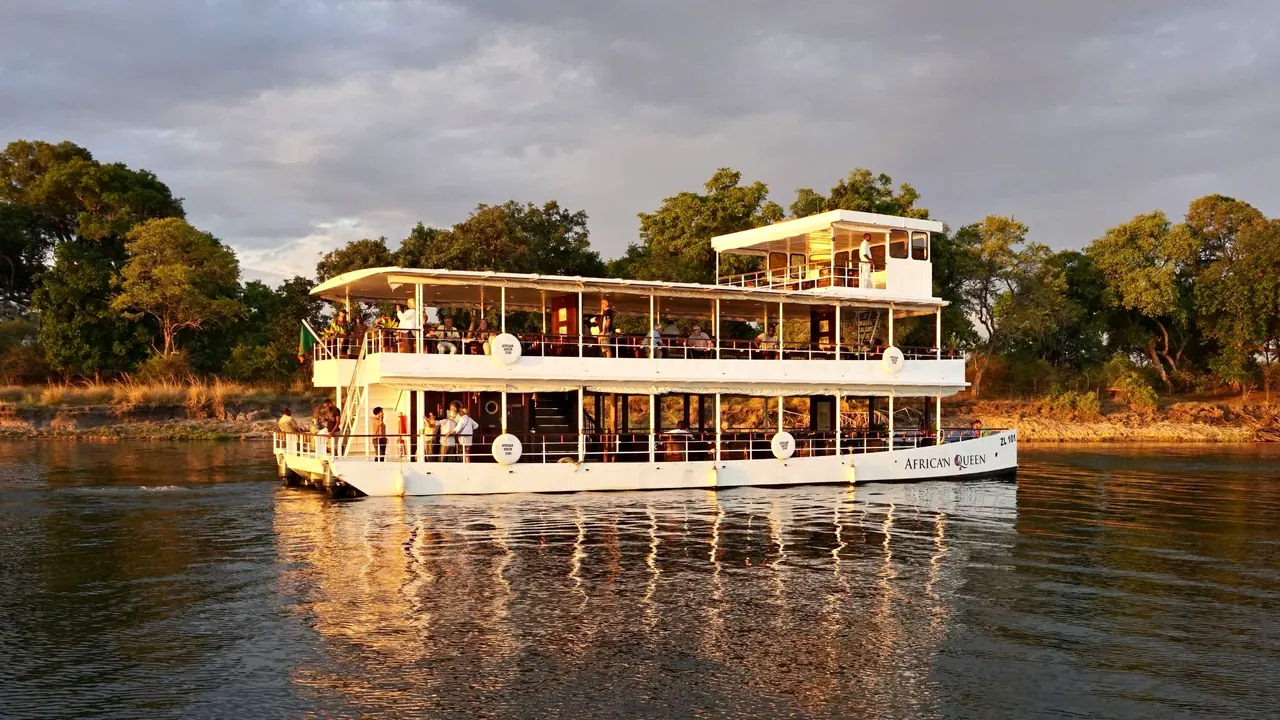
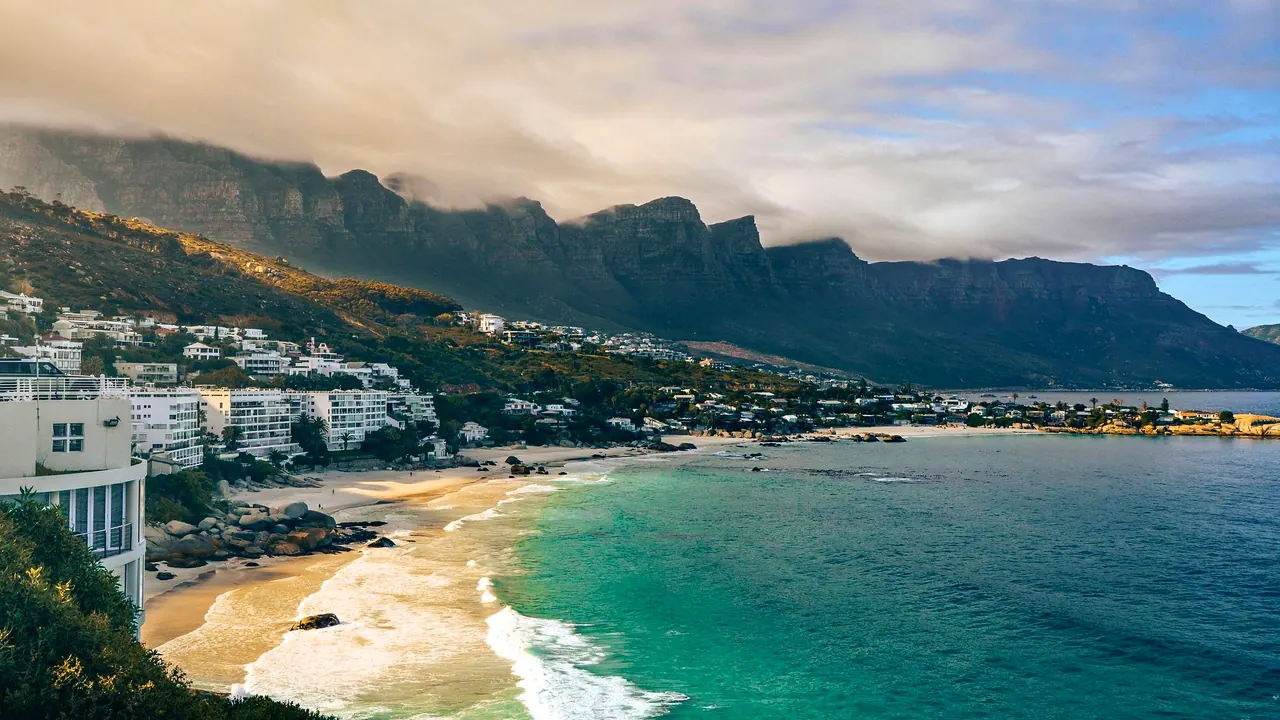
Photos: Zimbabwe by Bernard Gagnon, CC BY-SA 4.0, cropped; South Africa by Andrea Gambirasio, Pexels License.
Zimbabwe or South Africa?
Our verdict in twelve categories, each scored against the same fixed benchmark cities, and the climate month by month, so you can choose for your trip.
Choose Zimbabwe for
Zimbabwe does not lead in any category we score.
Zimbabwe suits a traveller whose trip is the wild itself: Victoria Falls, a few days among Hwange's elephant herds, perhaps canoeing or walking among wild dogs at Mana Pools, and Great Zimbabwe for anyone drawn to ancient stone. It costs more, takes more planning and involves longer transfers, and it offers few extras beyond that. It rewards people who want the bush and little else.
Choose South Africa for
- beaches
- food and drink
- day trips
For almost any broader trip, South Africa is the easier and fuller choice. Kruger gives it a safari to rival Zimbabwe's, and it adds Table Mountain, the Garden Route, warm Indian Ocean beaches, the Winelands and Cape Town's restaurants. Good roads and domestic flights link them, and day-to-day costs are lower. Couples, families and anyone new to Africa will find much more to do between game drives.
Scoreboard
Twelve categories on one fixed scale from 0 to 100. The shaded stretch is the gap between the two.
Your match
Pick a travel style or drag the sliders, and both match scores follow your weighting.
Has no clear advantage with the weighting you have chosen.
Wins on beaches and food and drink with your weighting.
What matters to you?
Category by category
What the scores mean for a trip.
Beaches & swimming
Here the two can barely be compared. Zimbabwe has no coastline, and for all their sunsets, Lake Kariba and the Zambezi belong to crocodiles and hippos, so swimming means a lodge or hotel pool.
South Africa has two oceans to choose from. The KwaZulu-Natal coast around Durban and Umhlanga has warm surf beaches with lifeguards, and the Elephant Coast adds reef snorkelling. The Cape has beautiful but chilly Atlantic beaches at Clifton and Camps Bay, and milder summer swimming in False Bay and at Plettenberg Bay.
Where in South Africa: KwaZulu-Natal coast, Elephant Coast, Garden Route, False Bay
Food & drink
Zimbabwe feeds you well enough, but food is not part of the reason to go. Expect sadza with greens or beef, kapenta and roadside braai stands, with most meals eaten at the lodge on safari. The better restaurants are in Harare's northern suburbs.
South Africa is worth visiting for its food and wine alone. The Cape Winelands around Stellenbosch and Franschhoek pair Chenin Blanc and Pinotage tastings with serious estate cooking, and Cape Town has the strongest restaurant scene. Durban's bunny chow and curries give you a second regional cuisine to seek out.
Where in Zimbabwe: Harare, Bulawayo, Victoria Falls
Where in South Africa: Cape Winelands, Cape Town, Johannesburg, Durban
Culture & sights
Zimbabwe's culture rests on its deep past. The mortarless granite walls of Great Zimbabwe are a major sight worth a full day, backed up by the Khami ruins and the rock art of the Matobo Hills, but beyond those the list is short.
South Africa offers more, and most of it is recent history: the Apartheid Museum, Constitution Hill and Soweto in Johannesburg, and Robben Island and Zeitz MOCAA in Cape Town. Older sites such as the Cradle of Humankind and Mapungubwe give it a range Zimbabwe cannot match, although in both countries the sights are far apart.
Where in Zimbabwe: Great Zimbabwe, Bulawayo, Matobo Hills, Harare
Where in South Africa: Johannesburg, Cape Town, Cradle of Humankind, Drakensberg
Nightlife
In Zimbabwe, a night out means weekend bars and lounges in Harare's Avondale and Borrowdale, or a drink with the rafters in Victoria Falls town. On safari, the evening ends by the fire.
South Africa has a proper club scene. Johannesburg is the livelier city, with amapiano and house nights and rooftop bars in Braamfontein and Maboneng. Cape Town divides between late clubs on Long Street and wine bars on Bree Street. In both, people get between venues by ride-hailing rather than on foot.
Where in Zimbabwe: Harare, Victoria Falls
Where in South Africa: Johannesburg, Cape Town, Durban
Nature & outdoors
Both are among Africa's great wild countries, and this is where Zimbabwe comes closest. Few sights anywhere equal Victoria Falls, and Mana Pools, with walking and canoe safaris among elephants and wild dogs, offers a raw kind of safari on foot.
South Africa still has the wider range. Kruger and its private reserves offer reliable Big Five game. Beyond safari there is Table Mountain, whale watching off Hermanus, the forests of the Garden Route and the basalt walls of the Drakensberg, so one trip can combine bush, mountain and coast.
Where in Zimbabwe: Victoria Falls, Mana Pools, Hwange National Park, Eastern Highlands
Where in South Africa: Kruger National Park, Cape Peninsula, Garden Route, Drakensberg
Day trips
In Zimbabwe, most outings are game drives and river trips rather than visits to other towns. Bulawayo is the one useful base, with Khami and the Matobo Hills close by, and from Victoria Falls you can cross the bridge to Livingstone.
South Africa offers proper day trips. From Cape Town, Stellenbosch, Franschhoek and Paarl are all within about an hour. From Johannesburg, the Gautrain reaches Pretoria quickly, and the Cradle of Humankind is a short drive away.
Where in Zimbabwe: Victoria Falls, Bulawayo, Harare
Where in South Africa: Cape Town, Johannesburg, Durban
Good for families
In both countries a safari is the heart of a family trip, but South Africa makes it much simpler. Zimbabwe works best with older children: the rainforest path at Victoria Falls and Hwange's elephant herds are memorable, and the granite domes of the Matobo Hills suit young climbers. Malaria in the main parks, long drives on rough roads and the lack of theme parks or children's museums make it harder going.
In South Africa, malaria-free reserves in the Eastern Cape, Madikwe and Pilanesberg let younger children join game drives. Cape Town and Durban fill rest days with aquariums, the Table Mountain cable car and beaches with lifeguards.
Where in Zimbabwe: Victoria Falls, Hwange National Park, Matobo Hills
Where in South Africa: Cape Town, Eastern Cape, Durban, Pilanesberg
Getting around
Neither is easy, but Zimbabwe takes more effort. Its highlights sit at opposite edges of the country, and the roads are potholed and interrupted by police checkpoints. Remote parks such as Mana Pools usually mean a charter flight or a long transfer, so many visitors fly into Victoria Falls and stay in the west.
South Africa suits a trip that combines flying and driving. With good main roads and clear signposting, the Garden Route and the Panorama Route are pleasant to drive. Domestic flights link Cape Town, Johannesburg, Durban and Kruger, and the Gautrain serves Johannesburg and Pretoria, but within cities you still use ride-hailing rather than walk.
Where in Zimbabwe: Victoria Falls, Harare
Where in South Africa: Cape Town, Garden Route
Shopping & style
Zimbabwe has one thing worth carrying home: Shona stone sculpture from Harare's galleries and sculpture gardens. You can add baskets and carvings from the craft market at Victoria Falls.
South Africa covers both ends. Sandton, Rosebank and the V&A Waterfront have the big malls, and the more interesting local design is in Woodstock's studios, on Bree Street and in Maboneng, along with Ndebele and Zulu beadwork.
Where in Zimbabwe: Harare, Victoria Falls
Where in South Africa: Cape Town, Johannesburg
Affordability
Zimbabwe is the more expensive trip. Fly-in lodges, guided walks at Mana Pools and the activities at Victoria Falls are priced at international levels, and park fees and charter flights add up. Hwange's park-run chalets and the camps in the Matobo Hills are the main ways to cut costs.
South Africa gives far more for the money. Restaurant meals and estate wine are cheap by European standards, the Garden Route is full of B&Bs and cottages, and Kruger's rest camps make a self-drive safari affordable. Only the private lodges and Cape Town's seaside hotels in high summer charge international rates.
Where in Zimbabwe: Hwange National Park, Matobo Hills, Bulawayo, Harare
Where in South Africa: Kruger National Park, Cape Winelands, Garden Route, Durban
Live music & performing arts
Zimbabwe's strength is its music rather than its stages. The evening to look for is an mbira performance, or a weekend band playing chimurenga or sungura at a garden venue in Harare. Formal theatre is scarce.
South Africa has both the music and the institutions. Small jazz clubs in Johannesburg and Cape Town keep the Sophiatown tradition alive, the Market Theatre leads South African drama and Artscape stages opera and ballet. Every winter, the National Arts Festival takes over Makhanda.
Where in Zimbabwe: Harare, Victoria Falls
Where in South Africa: Johannesburg, Cape Town, Makhanda
Wellness & relaxation
Neither country has a bathing tradition, so rest comes from the setting. In Zimbabwe that means the quiet of a camp at Mana Pools or a houseboat on Lake Kariba, or the cool gardens and log fires of old hotels in Nyanga and the Bvumba.
South Africa offers more polish. There are estate spas in the Winelands around Franschhoek, treatment rooms and plunge pools in the private reserves along Kruger, and slow-paced retreats around Knysna. The hot springs at Montagu are run as family resorts rather than quiet bathhouses.
Where in Zimbabwe: Eastern Highlands, Mana Pools, Lake Kariba, Victoria Falls
Where in South Africa: Cape Winelands, Kruger National Park, Garden Route, Montagu
When should you go?
Pick your month, and for a country the place in it. The climate figures are measured averages, not a forecast.
Where in South Africa
Victoria Falls (Zimbabwe) in July
Cape Town (South Africa) in July
Daytime high, °C
Rainfall in the month, mm
Temperature and rainfall are climate normals, averaged over the years shown. Victoria Falls (Zimbabwe): 1991-2020 (sunshine 1981-2010) normals, Livingstone (13.1 km from centre). Cape Town (South Africa): 1991-2020 normals, Cape Town Airport (17.5 km from centre).
Zimbabwe has one simple pattern, shown at Victoria Falls: dry from April to October and wet from November to March, with around 154mm of rain in January. June and July are the mildest months for walking and game drives. By October the heat climbs to 35°C before the rains break, which makes it hard work away from a lodge pool. June to October is the safari season, while the falls themselves carry the most water from March to May.
South Africa splits in two. Johannesburg and Kruger have summer rains and dry, sunny winters like Zimbabwe's, so May to September suits a safari there. Cape Town is the reverse: wet in winter, with 97mm in June, and dry and very sunny from November to March, though its sea stays cool all year. For swimming, Durban is the place. Its sea is near 26°C in February and March and still about 21°C in late winter, and the Garden Route is pleasant for a swim in high summer.
Which traveller are you?
On an outdoors trip the two are closest, but South Africa is ahead on range. Zimbabwe suits anyone after adrenaline and raw wilderness, with white-water rafting below Victoria Falls and mountain walks in Chimanimani. South Africa adds the multi-day Otter Trail, the Cederberg's sandstone and Blyde River Canyon.
For a beach and sun trip, Zimbabwe can only be the safari before the beach, because its nearest coast is in another country. In South Africa you can end a week in the bush with a short flight to the warm KwaZulu-Natal coast without leaving the country.
On a tight budget, Zimbabwe is hard going, because visa and park fees, transfers and activities add up before you have paid for a bed. South Africa is kinder to a self-driver, with reasonable car hire, cheap estate wine and simple beachfront apartments in Durban.
More comparisons
Each shares a side with Zimbabwe or South Africa.
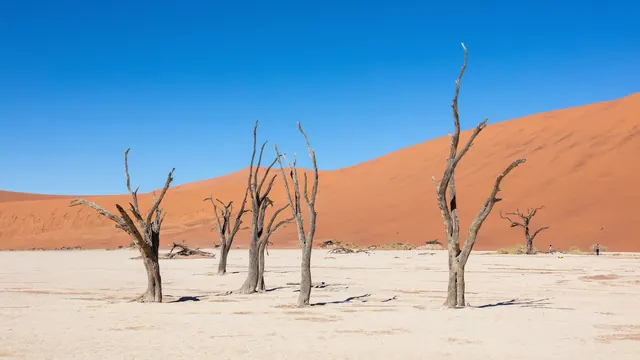
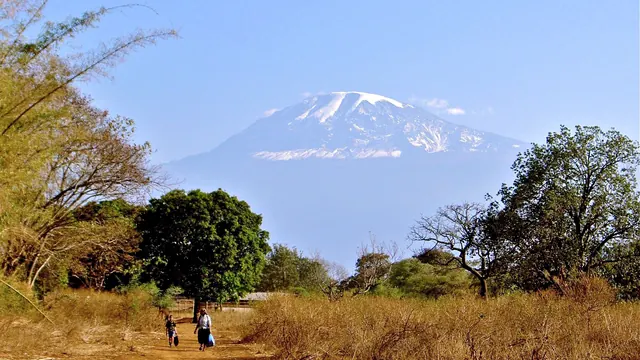
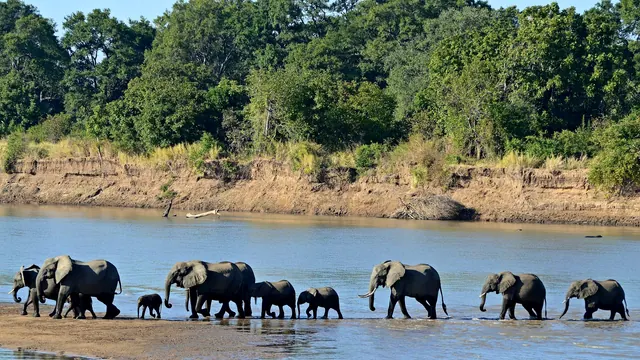
Where else could you go?
Set Zimbabwe or South Africa against any other country.