Photos: Antananarivo by ApexDynamo, CC BY-SA 4.0, cropped; Port Louis by Simisa, CC BY-SA 3.0, cropped.
Antananarivo or Port Louis?
Our verdict in twelve categories, each scored against the same fixed benchmark cities, and the climate month by month, so you can choose for your trip.
Choose Antananarivo for
- prices
- live music and the arts
- nightlife
Antananarivo suits the traveller heading deeper into Madagascar who wants a cheap and characterful base for a night or two. The royal Rova on its ridge, a hiragasy afternoon or a salegy club at the weekend, and rice-and-zebu cooking all cost very little. It works as a gateway to the parks and coast, not as a place for beaches or rest.
Choose Port Louis for
- beaches
- nature and the outdoors
- families
Choose Port Louis if the city is one part of an island vacation. Lagoon beaches are about half an hour away, volcanic peaks rise behind the rooftops, and the island's Indian, Creole and Chinese street food is at its most everyday here. It costs more and goes quiet after dark, but families and outdoor travellers get far more from it.
Scoreboard
Twelve categories on one fixed scale from 0 to 100. The shaded stretch is the gap between the two.
Your match
Pick a travel style or drag the sliders, and both match scores follow your weighting.
Wins on prices and live music and the arts with your weighting.
Wins on beaches and nature and the outdoors with your weighting.
What matters to you?
Category by category
What the scores mean for a trip.
Beaches & swimming
Antananarivo has no beach at all. The coast is a long mountain drive east, and the reservoirs and highland lakes nearby are scenery rather than places to swim, so time by the sea means planning a separate leg of the trip.
You can't swim in Port Louis itself either, because its waterfront is working quays. But the white-sand lagoons of the north-west and Flic en Flac are about half an hour by road, with shallow, calm water inside the reef all year. The only catch is a daily taxi or drive.
Food & drink
Both capitals feed you well and cheaply at street level, but Port Louis has far more to eat. Its hawkers and canteens draw on Indian, Creole, Chinese and French cooking at once: dholl puri, gateaux piments, Chinatown noodles and vindaye fish at long shared lunch tables.
Antananarivo's cooking is plainer and built on rice, with romazava, ravitoto, zebu, mofo gasy from the dawn stalls and French-style bakeries around Isoraka. It is good for a few meals rather than a reason to stay longer. Rum is the common thread: arrangé steeped with vanilla in the highlands, local rum with almost everything on the coast.
Culture & sights
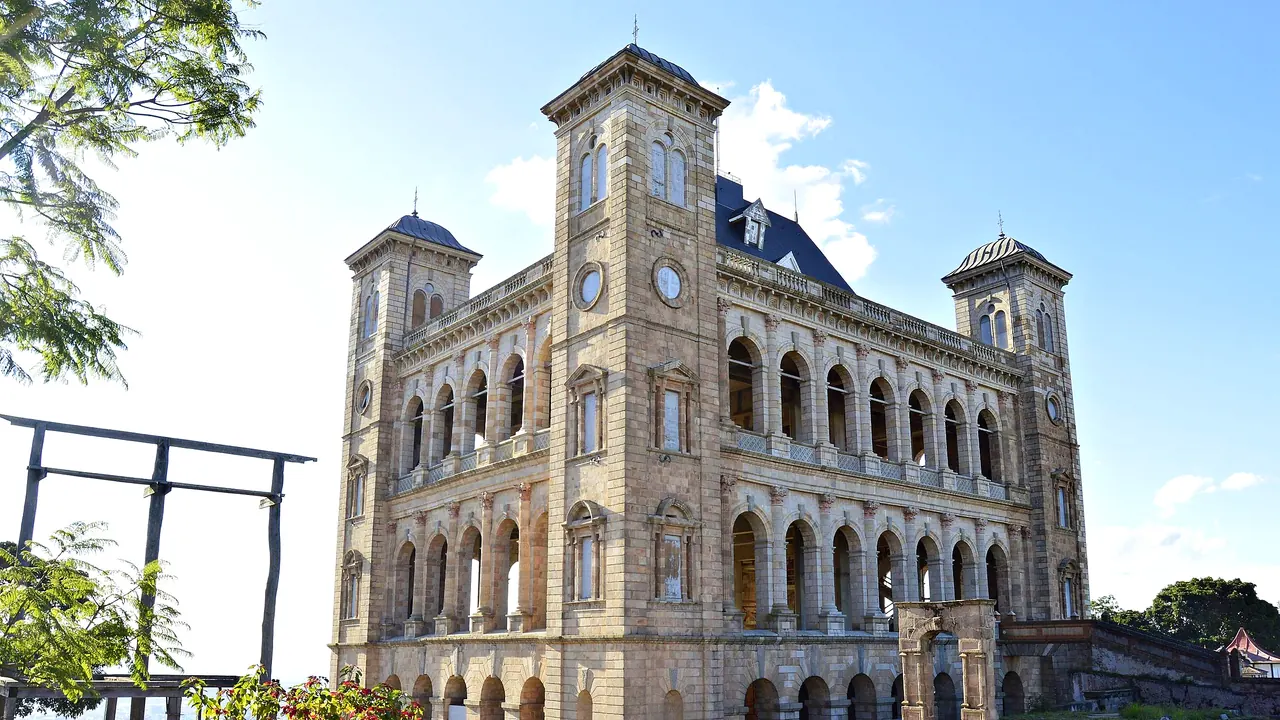
Each capital needs a day or two of walking, and what differs is the story it tells. Antananarivo's story is royal and highland: the Rova palace on the highest ridge, the prime ministers' palace below it, and balconied brick houses and memorial churches in the Haute-Ville.
Port Louis tells a story of migration and shared communities. The UNESCO-listed Aapravasi Ghat marks where indentured labourers from India landed, and the mosque, pagodas, temples and cathedrals are all within walking distance. The dodo skeleton and the Blue Penny stamps fill a museum morning.
Nightlife
Neither city is made for going out, but Antananarivo has a little more to find. There are cabarets and a few clubs where salegy and African pop keep a mostly local crowd dancing late at weekends, though walking after dark is unwise, so every night out means taxis door to door.
Port Louis empties once the offices close, leaving the bars and casino on the Caudan waterfront. Anyone wanting a real night out takes a taxi to Grand Baie on the north coast.
Nature & outdoors
Port Louis has much the stronger outdoors. Volcanic peaks rise straight behind the city, with Le Pouce a morning's hike and Pieter Both a harder climb. Black River Gorges is about an hour away, and the reef offers snorkelling, diving and dolphin trips.
Around Antananarivo the land is farmed rather than wild: red hills, rice terraces and eucalyptus. A small lemur reserve within an hour and Tsimbazaza in town are the nearest wildlife. The rainforest parks need an overnight trip down the escarpment.
Day trips
From Port Louis the whole island is within a couple of hours, which gives far more choice. You can see the giant water lilies of Pamplemousses, the sugar and rum estates, the tea country around Curepipe and the Hindu crater lake at Grand Bassin, and most outings end on a beach.
Ambohimanga, the sacred royal hill north of Antananarivo, is a fine outing with real historical weight, and Ambatolampy's foundries and Lake Mantasoa come next. After that, slow roads push anything further into a longer road trip.
Good for families
Lemurs are the one sure hit with children in Antananarivo, roaming free at the reserve outside town and in the Tsimbazaza gardens. Beyond them, steep stairways, traffic fumes and the health precautions needed make the city tiring, and families tend to pass through for a night on the way to the parks.
Port Louis gives children far more within a short drive: calm, shallow lagoons, animal encounters at Casela, and giant tortoises and crocodiles at La Vanille, plus an aquarium on the Caudan waterfront. The city streets are hot and crowded, so most families stay on the coast and come in for a day.
Getting around
Port Louis is the easier city to move around. Its centre is small enough to walk from the waterfront to Chinatown, and a light-rail line runs up to the upland towns. Beaches and parks still need a car, a taxi or a slow bus, with driving on the left.
Antananarivo has nothing comparable. Lower-town traffic can turn a short trip into an hour, and the taxi-be minibuses are hard to follow without local knowledge, so most visitors take taxis with a fare agreed first or hire a car with a driver. The upper town is walkable by day, though steep.
Shopping & style
In both capitals you shop in markets rather than on fashion streets, and either one will send you home with vanilla, spices and woven baskets. Antananarivo's long artisan market on the airport road is almost all handmade crafts: raffia hats, embroidered linen, carved wood, zebu-horn objects, Antemoro paper with pressed flowers and polished gemstones, and you bargain for all of it.
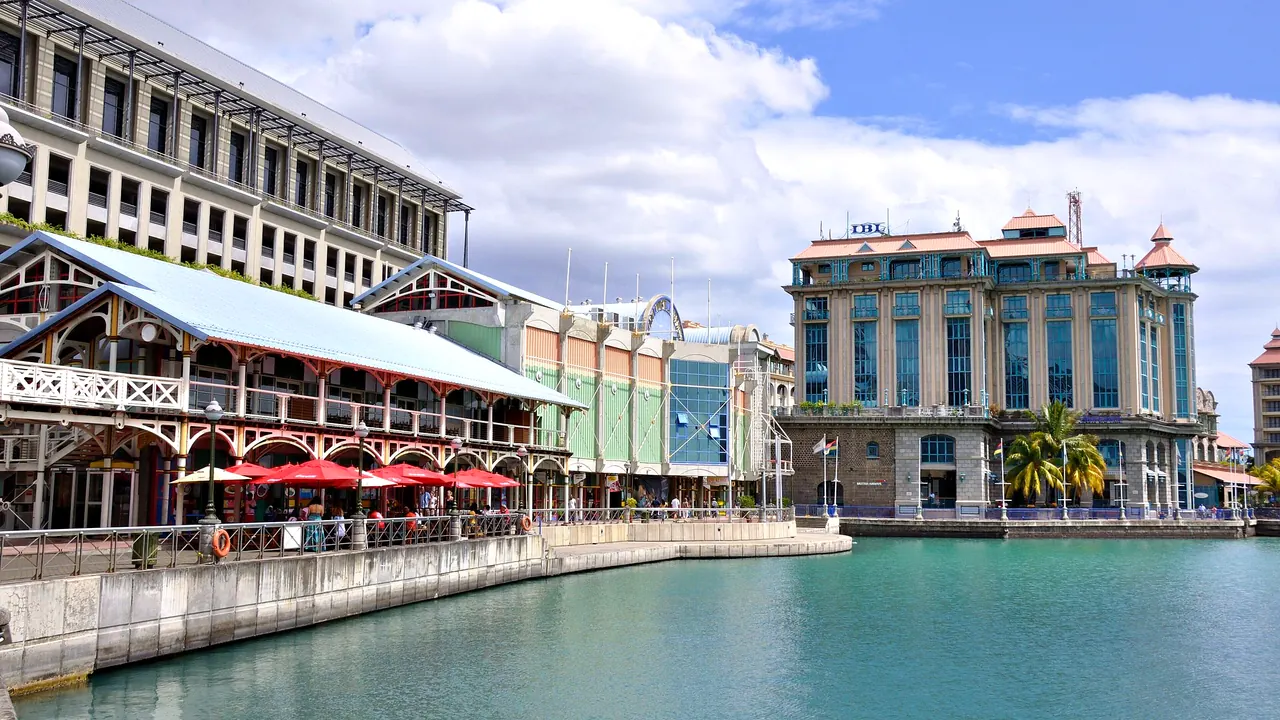
Port Louis mixes old trading with modern shops. The iron-and-stone Central Market has spices, tea and herbal remedies downstairs and baskets and textiles upstairs, while the Caudan waterfront puts craft stalls and clothing shops beside duty-free outlets. The souvenirs particular to the island are handmade model ships, rum and knitwear from its textile mills.
Affordability
Antananarivo is clearly the cheaper city. Street food, beer, taxis and crafts cost very little, and the real expenses are a comfortable hotel and a car with a driver for onward travel.
Port Louis is good value only by the standards of an expensive island. Canteen lunches, buses and city hotels are reasonable, but taxis, boat trips, imported wine and the beach days that make the trip worthwhile soon push costs up.
Live music & performing arts
Antananarivo has more live performance, if you ask around. Hiragasy troupes perform at open-air events on the city's edges, valiha players and salegy singers fill halls at weekends, and there is a long-established jazz festival.
Port Louis has its colonial-era municipal theatre and occasional concerts, but sega, the island's own music, is mostly heard at beach-hotel evenings and local festivals rather than in the city. Neither has an opera house or a regular classical season.
Wellness & relaxation
In Antananarivo, rest comes down to a few hotel spas and massage rooms and the quiet gardens of upper-town guesthouses. The thermal baths at Antsirabe are several hours south.
Port Louis is no calmer within its own streets, but calm is much closer at hand. The coastal resorts sell spa day passes with Ayurvedic and Indian Ocean treatments, and a short drive to the shore or the green uplands brings back a slow pace.
When should you go?
Pick your month. The climate figures are measured averages, not a forecast.
Antananarivo in July
Port Louis in July
Daytime high, °C
Rainfall in the month, mm
Where the figures come from
Port Louis's station stands 289 m above the city centre, so the centre is likely a little warmer than the figures say.
Temperature and rainfall are climate normals, averaged over the years shown. Antananarivo: 1991-2020 (rainfall 1961-1990) normals, Antananarivo / Ivato (13 km from centre). Port Louis: 1991-2020 normals, Vacoas Mauritius (15.4 km from centre).
Antananarivo is at its best in the dry season from April to October. Rain almost stops and the highland air is mild, with daytime highs around 21°C in July, which is comfortable for climbing the stairways of the upper town. September and October are the sunniest months. The rains return in November and peak in December at about 358mm, so sightseeing then means working around heavy downpours.
Port Louis has no true dry season. January to March is hot and very wet, with more than 320mm a month. From January to July the coast runs about a degree warmer than the highland capital, while from September to November Antananarivo is just as warm or slightly warmer. August to November is the drier, sunnier stretch and the best time for hiking. The lagoon is warm enough to swim in all year, from 24°C in the cooler months to 28°C between January and April.
Which traveller are you?
On a beach and sun trip, Port Louis is the only real choice. The calm reef-sheltered lagoons at Trou aux Biches and Flic en Flac are about half an hour away. Antananarivo sits on the plateau with nothing nearer than hotel pools and highland lakes.
For an outdoors trip, Port Louis wins again. Le Pouce is a morning's hike, Black River Gorges is an hour away and the reef suits snorkelling and diving. Antananarivo's rainforest parks are three hours or more away, so seeing them means staying overnight.
On a trip on a tight budget, Antananarivo makes money go much further. Street food, beer, taxis and craft markets cost very little. Port Louis is cheap only within its local economy, and taxis, boat trips and beach days quickly push the bill up.
Before you go
| Measure | Antananarivo | Port Louis |
|---|---|---|
| Official language | French, Malagasy | French, English |
| Currency | Malagasy Ariary (MGA) | Mauritius Rupee (MUR) |
| Sockets | CEJK50 Hz | CG230 V, 50 Hz |
| Driving side | Right | Left |
| Time zone | UTC+3 | UTC+4 |
| Emergency number | Police 117, ambulance 124, fire 118 | Police 112/999, ambulance 114, fire 115/995 |
| Elevation | 1,276 m | 134 m |
| Main airport | Ivato International Airport (TNR)13 km from centre18 non-stop destinations | Sir Seewoosagur Ramgoolam International Airport (MRU)36 km from centre37 non-stop destinations |
| Public holidays this year | 10 days | - |
By the numbers
| Measure | Antananarivo | Port Louis |
|---|---|---|
| Population | 1,275,207 | 149,194 |
| People per km² | 14,491 | 3,195 |
| Museums within 10 km | 2 | 7 |
| UNESCO World Heritage sites within 50 km | 1 | 2 |
| Swim season, months above 21 °C | - | 12 months |
Where else could you go?
Every comparison below shares a destination with this one, so you can follow Antananarivo or Port Louis somewhere new.
- Réunionvs Port Louis
- Nosy Bevs Antananarivo
- Nosy Bevs Port Louis
- Mahevs Port Louis
- Nairobivs Antananarivo
- Zanzibarvs Port Louis