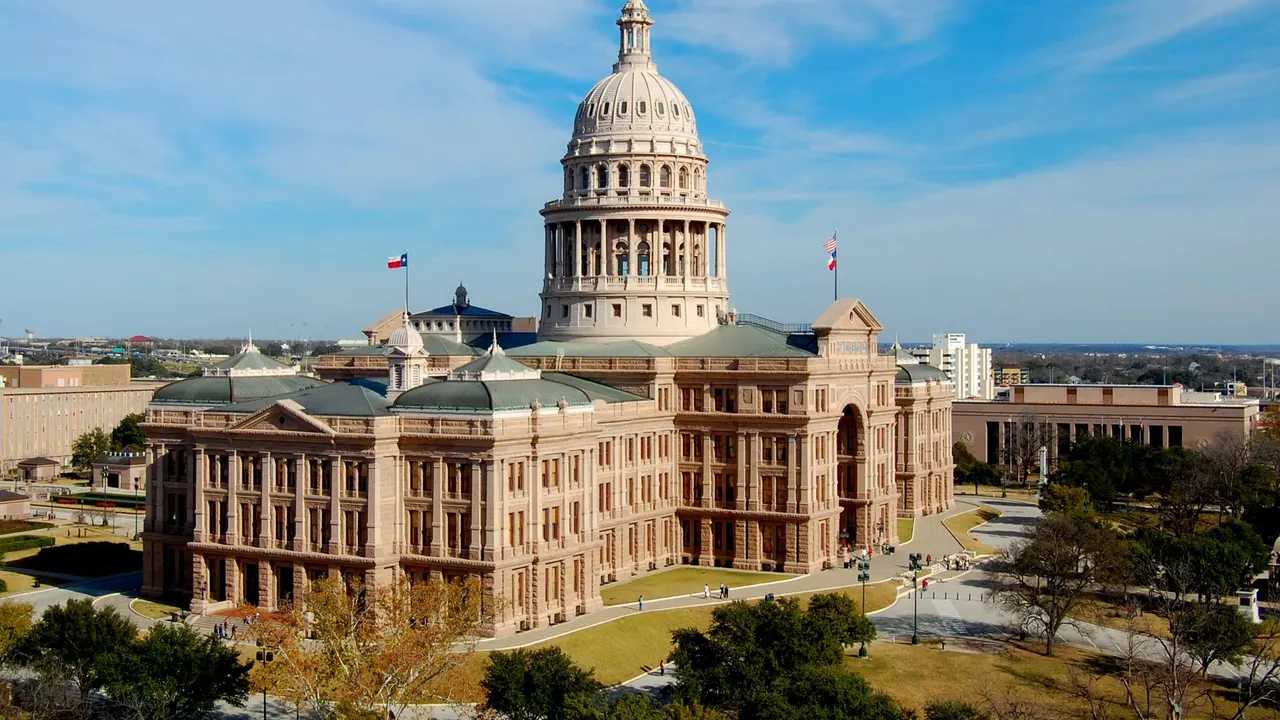
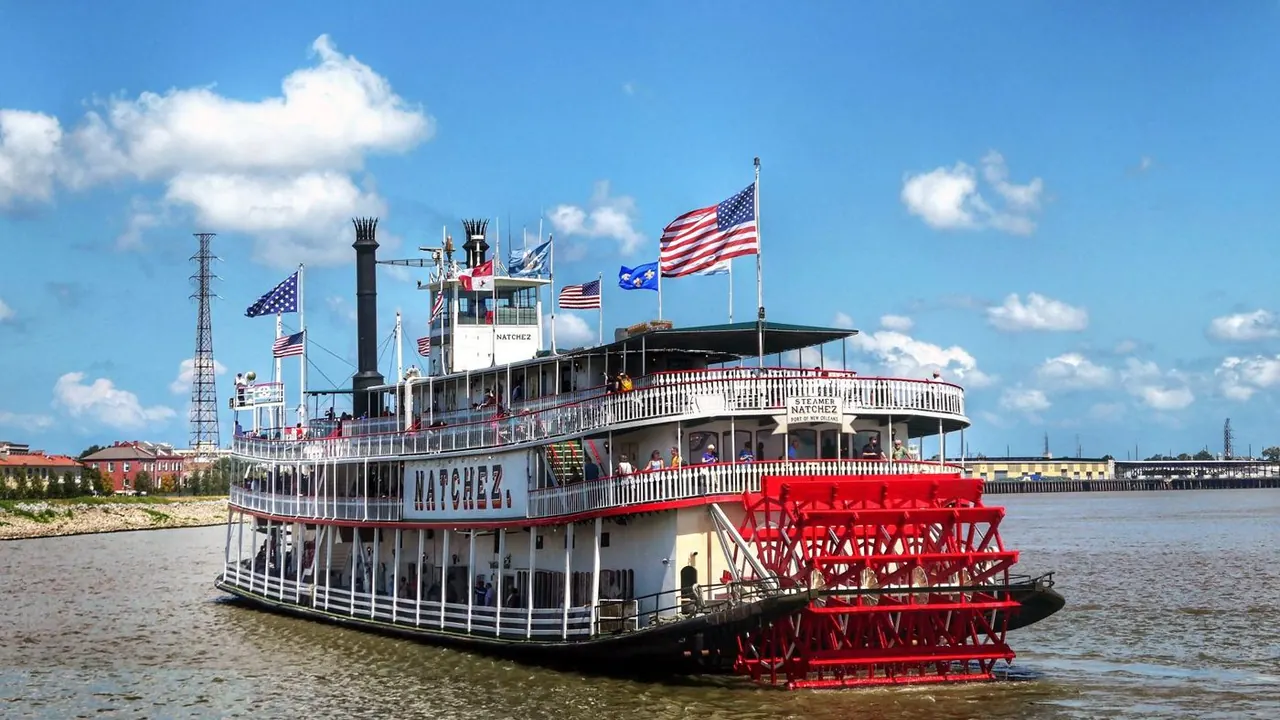
Photos: Austin by LoneStarMike, CC BY 3.0, cropped; New Orleans by Bernard Spragg, CC0.
Austin or New Orleans?
Our verdict in twelve categories, each scored against the same fixed benchmark cities, and the climate month by month, so you can choose for your trip.
Choose Austin for
- beaches
- nature and the outdoors
- wellness
Austin suits travellers who want sunny, active days and a car to explore with. In town there is spring-fed swimming at Barton Springs, kayaking on Lady Bird Lake and the Greenbelt trails, and drives out to Fredericksburg and Enchanted Rock fill the rest of the week. Live music plays every night, and the eating is superb but casual: brisket and tacos rather than long dinners. It is the better pick for an outdoorsy, easy-going trip, and less so for sightseeing.
Choose New Orleans for
- culture and sights
- getting around
- nightlife
New Orleans is the stronger choice when the trip is about eating, drinking and walking through history. The French Quarter and the Garden District give it a sense of place that Austin lacks, and Creole and Cajun cooking is a cuisine in its own right. With no closing time, the nights drift from one bar to the next on foot. It is also much easier to manage without a car. Come for the streets, the food and the jazz, not for the outdoors or for rest.
Scoreboard
Twelve categories on one fixed scale from 0 to 100. The shaded stretch is the gap between the two.
Your match
Pick a travel style or drag the sliders, and both match scores follow your weighting.
Wins on beaches and nature and the outdoors with your weighting.
Wins on culture and sights and getting around with your weighting.
What matters to you?
Category by category
What the scores mean for a trip.
Beaches & swimming
Neither city has a beach, but Austin at least has somewhere good to swim. Barton Springs Pool stays at about 20°C all year, Deep Eddy is a gentler spring-fed pool, and Lake Travis has rocky coves and boat days in summer.
In New Orleans, nobody swims in Lake Pontchartrain or the Mississippi. Unless you drive over an hour to the shallow, brownish Gulf water around Bay St. Louis, swimming means the hotel pool.
Food & drink
Austin does a few things superbly. Brisket smoked over post oak, breakfast tacos and Tex-Mex are mostly eaten from trucks, trailers and counters on the east and south sides, with craft beer alongside. It is a city for casual eating, and outside those specialities the choice is narrower.
New Orleans has the far deeper table. It has a whole Creole and Cajun cuisine, from gumbo and étouffée to po'boys and red beans, and French Quarter dining rooms more than a century old. Crawfish boils come in spring and oysters in the cooler months, and the Sazerac was invented here. Here a long, rich dinner is part of the trip.
Culture & sights
Austin's sights are a short list. The pink granite Capitol stands downtown, and a cluster of good museums sits around the university, including the Blanton and the Harry Ransom Center with its Gutenberg Bible. There is little old architecture, and two or three days covers it all.
New Orleans is well ahead here. The French Quarter is an almost complete colonial town of iron balconies and hidden courtyards around Jackson Square and the Cabildo. The Garden District adds antebellum mansions under live oaks, and the above-ground tombs and the National WWII Museum add sights found nowhere else.
Nightlife
Austin goes out hard, helped by its students. There are shot bars on Sixth Street, bungalow bars with big yards on Rainey Street and dive bars and beer gardens on the east side, but bars stop serving at 2am.
New Orleans has no legal closing time and lets you carry a drink along the street, so the night drifts on foot from Frenchmen Street in the Marigny to the corner bars of the Bywater and goes on until dawn. Neither is a club city. Bourbon Street is a louder, rougher version of Sixth Street, so watch for pickpockets.
Nature & outdoors
Austin has the outdoors on its doorstep. The Barton Creek Greenbelt is a wooded canyon with trails and climbing walls, and you can paddle Lady Bird Lake, take in the view from Mount Bonnell and watch the bats fly out at dusk. Enchanted Rock and Pedernales Falls are within two hours.
New Orleans is flat and wet, and its nature is all about water. Boat tours pass alligators in the cypress swamps, the Barataria Preserve has boardwalk trails, and City Park has old oaks and lagoons. Both cities are too hot for much activity in summer, but the humidity of New Orleans makes it harder.
Day trips
Austin has slightly more to choose from, though almost all of it needs a car. San Antonio has the Alamo and the UNESCO-listed Spanish missions, and Fredericksburg is a German settlers' town reached past wineries and peach orchards. Gruene, New Braunfels and the barbecue town of Lockhart are easy stops too.
From New Orleans the choice is narrower but has real weight. The main outing is the River Road plantations, where the Whitney tells the history of the people enslaved there. Baton Rouge and the quiet Gulf towns of Bay St. Louis and Ocean Springs fill out the list.
Good for families
Children are about as well served in each city, in different ways. Austin is about water and open space: the lawns and miniature train of Zilker Park, Barton Springs, the Thinkery and the bat flight. The theme parks and waterparks are an hour or so away.
New Orleans has more ready-made attractions inside the city: Audubon Zoo, the riverfront aquarium, City Park's carousel and storybook garden, streetcar rides and the Mardi Gras parades on St. Charles Avenue. The catch is that parents need to keep children away from Bourbon Street and some areas after dark.
Getting around
Austin is a car city. Only downtown and the Rainey Street area are comfortable on foot, and buses and a single commuter rail line do little for visitors. For the lakes, the swimming holes and every day trip you will need a hire car, and you will meet heavy traffic on the main highway.
New Orleans is far easier without a car. The French Quarter, the Marigny and the Warehouse District sit close together on flat ground, and the historic St. Charles streetcar runs out to the Garden District, slowly but pleasantly. Ride-hailing covers the airport and the swamps.
Shopping & style
New Orleans has the better browsing. Royal Street has its antique dealers and galleries and Magazine Street has miles of independent boutiques, while the French Market sells Carnival masks and hot sauces. Austin's equivalent is South Congress, which is good for vintage, cowboy boots and pearl-snap shirts but shorter. Neither suits a designer-label trip, and Austin's luxury brands are in a mall on the northern edge of the city.
Affordability
Neither city is cheap, but New Orleans works out somewhat easier, largely because you can do without a car. In Austin, car hire and parking come on top of downtown hotel rates, which climb sharply in the big music, film and motor racing weeks.
In New Orleans, rooms are the main cost and rise at Mardi Gras and Jazz Fest. Staying along the streetcar lines rather than in the Quarter helps. Both cities feed you cheaply, with tacos and food trucks in Austin and po'boys and red beans in New Orleans.
Live music & performing arts
Live music is a reason to visit either city, and the difference is in the sound. Austin's clubs on Red River and Sixth Street and its honky-tonks offer rock, indie, blues and Texas country, with couples two-stepping. Its festival weeks bring hundreds of bands, and the Long Center gives it a slightly fuller season of symphony, opera and ballet.
New Orleans plays jazz in the city where jazz was born. Brass bands, funk and zydeco fill Frenchmen Street, musicians play on Royal Street, and second-line parades wind through the neighbourhoods on Sundays.
Wellness & relaxation
Austin is the better place to unwind. It has a strong yoga and fitness culture, shaded patios and destination spa resorts on Lake Austin and in the Hill Country, though no thermal baths or hammams.
New Orleans has only hotel day spas and a few studios, and its French Quarter nights are anything but restful. What calm it offers comes from slow pleasures: a morning in a courtyard guesthouse, a streetcar ride under the oaks or an afternoon in City Park.
When should you go?
Pick your month. The climate figures are measured averages, not a forecast.
Austin in July
New Orleans in July
Daytime high, °C
Rainfall in the month, mm
Temperature and rainfall are climate normals, averaged over the years shown. Austin: 1991-2020 normals, Camp Mabry/Austin City Asos (3.7 km from centre). New Orleans: 1991-2020 normals, New Orleans Airport (2.7 km from centre).
Winter and spring are much the same in both cities. Highs are around 17°C in January and reach the mid-20s by April, so both are at their best for walking from March to May and again in October and November. Summer is what separates them. Austin is drier and sunnier, with long bright days and highs of 36°C in July and August. Its storms come mostly in May and October. In the hottest months, save the swimming and paddling for the mornings and avoid sightseeing at midday.
New Orleans is a few degrees less hot but much wetter and stickier. It gets rain in every month, and the summer downpours peak at about 194mm in June. The Gulf warms to 30°C in July and August, which makes for warm swimming if you drive out to the coast. Even so, summer is the hardest season for walking the Quarter, and late autumn is drier and more comfortable.
Which traveller are you?
For a food and nightlife trip, New Orleans is the clear choice. It has a cuisine entirely its own, from gumbo to chargrilled oysters, cocktails that were invented in its bars and no legal closing time, so dinner runs straight into a night on Frenchmen Street.
On a culture and arts trip, New Orleans leads again. In the French Quarter, the Garden District mansions and the old cemeteries, simply walking the streets is the sightseeing, and jazz in the clubs adds the rest. Austin's Capitol and campus museums fill only a couple of days.
For an outdoors trip, Austin is the better base. You can hike the Greenbelt canyon, paddle Lady Bird Lake and swim in spring water without leaving town, then drive to Enchanted Rock or Pedernales Falls. New Orleans mostly offers swamp boat tours.
Before you go
| Measure | Austin | New Orleans |
|---|---|---|
| Currency | US Dollar (USD) | US Dollar (USD) |
| Sockets | AB120 V, 60 Hz | AB120 V, 60 Hz |
| Driving side | Right | Right |
| Time zone | UTC-6, UTC-5 in summer | UTC-6, UTC-5 in summer |
| Emergency number | 911 | 911 |
| Elevation | 149 m | -2 m |
| Main airport | Austin Bergstrom International Airport (AUS)13 km from centre91 non-stop destinations | Louis Armstrong New Orleans International Airport (MSY)18 km from centre51 non-stop destinations |
| Public holidays this year | 13 days | 14 days |
By the numbers
| Measure | Austin | New Orleans |
|---|---|---|
| City population | 961,855 | 383,997 |
| People per km² | 1,217 | 423 |
| Museums within 10 km | 21 | 16 |
| UNESCO World Heritage sites within 50 km | 0 | 0 |
| Swim season, months above 21 °C | - | 7 months |
Where else could you go?
Every comparison below shares a destination with this one, so you can follow Austin or New Orleans somewhere new.