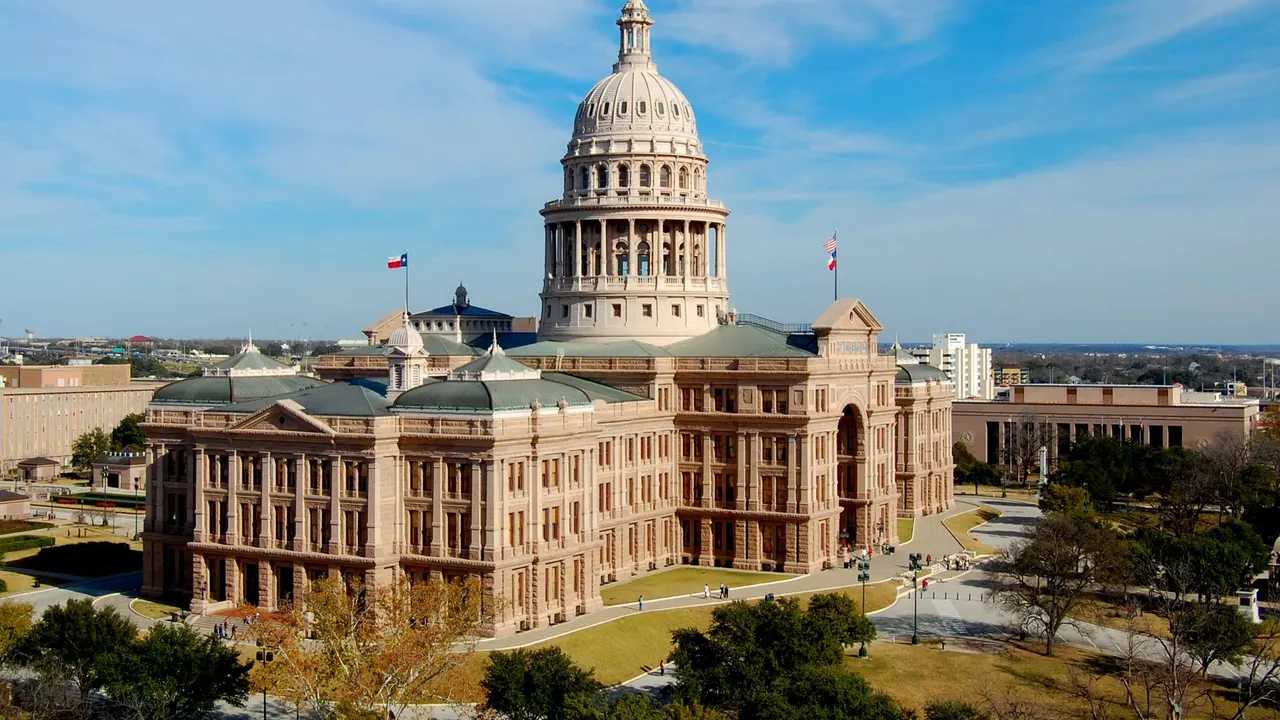
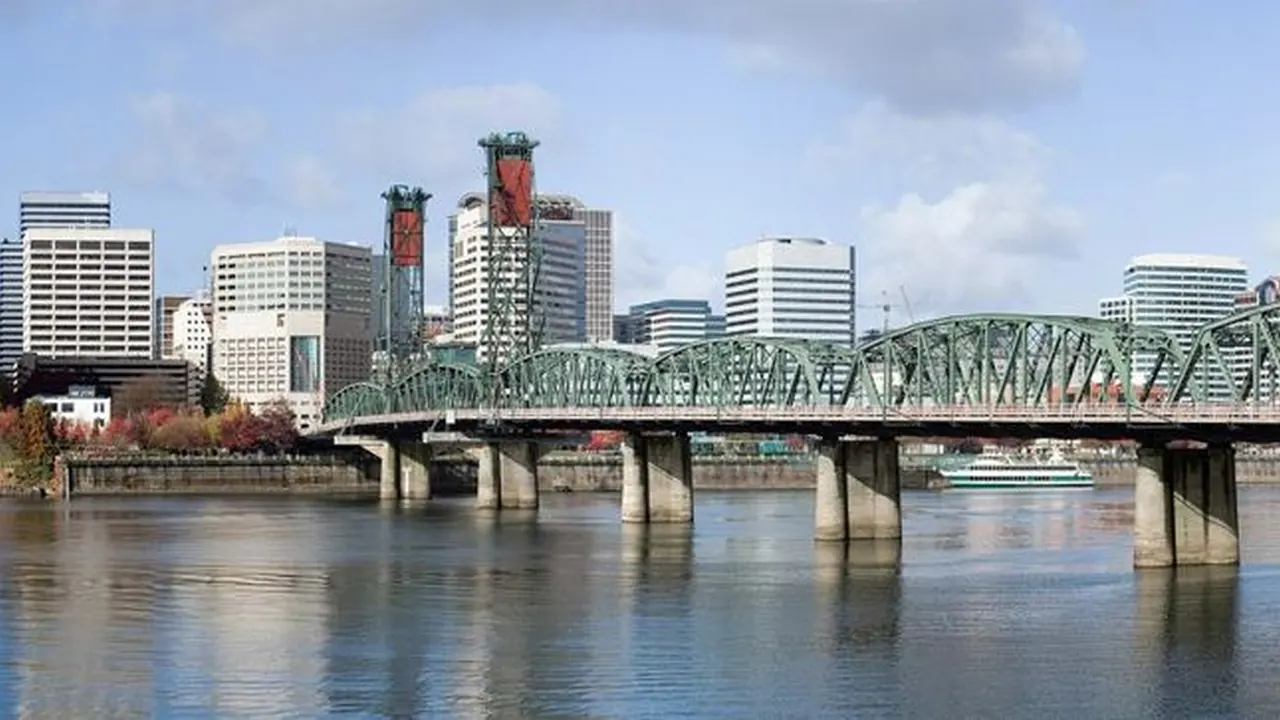
Photos: Austin by LoneStarMike, CC BY 3.0, cropped; Portland by Cacophony, CC BY-SA 4.0, cropped.
Austin or Portland?
Our verdict in twelve categories, each scored against the same fixed benchmark cities, and the climate month by month, so you can choose for your trip.
Choose Austin for
- live music and the arts
- nightlife
- beaches
Austin is the pick for a trip built around evenings. Live bands play somewhere every night, from Red River clubs to honky-tonks where couples two-step, and the bar streets of Sixth and Rainey keep going late. Days go on brisket, breakfast tacos and cold spring-fed pools. It suits groups and music lovers who don't mind hiring a car and planning around summer heat.
Choose Portland for
- getting around
- nature and the outdoors
- shopping
Portland rewards travellers who want the outdoors close at hand and a city that is easy without a car. Forest Park starts at the edge of the northwest streets, the Columbia River Gorge and its waterfalls are half an hour away, and Mount Hood has snow for much of the year. Back in town, short blocks, light rail and neighbourhood bars make for slower, quieter days and evenings.
Scoreboard
Twelve categories on one fixed scale from 0 to 100. The shaded stretch is the gap between the two.
Your match
Pick a travel style or drag the sliders, and both match scores follow your weighting.
Too close to call, 2 points apart
Wins on live music and the arts and nightlife with your weighting.
Wins on getting around and nature and the outdoors with your weighting.
What matters to you?
Category by category
What the scores mean for a trip.
Beaches & swimming
Neither city is a beach destination, but Austin makes more of the water in summer. Barton Springs Pool stays cool all year and is the city's favourite lawn to lie on, Deep Eddy is a gentler spring-fed pool, and Lake Travis warms up enough for long boat days among its coves.
Portland's swimming is limited to a short summer window on the Willamette and the Columbia, with small river beaches in Sellwood and longer ones on Sauvie Island. Cannon Beach has fine sand and sea stacks for walking, but the cold Pacific and strong currents keep most people out of the water.
Food & drink
The two eat equally well, and both do it casually from trucks parked in lots. Austin's strength is depth in two traditions: post-oak brisket sliced onto butcher paper, breakfast tacos from east-side trailers, and queso with frozen margaritas, with Lockhart close by for more barbecue.
Portland's carts range more widely, from Thai to Georgian, and its restaurants are built on salmon, Dungeness crab, mushrooms and berries. It is the stronger city for drinking: denser breweries, serious coffee and Willamette Valley pinot noir.
Culture & sights
Neither city has sights you would travel for, and two or three days covers either one. Austin's highlights are civic and scholarly: the pink granite Capitol and the museums around the university campus, where the Harry Ransom Center holds a Gutenberg Bible.
Portland's best moments are in its gardens, the walled Lan Su garden in Old Town and the Japanese Garden in Washington Park, with Pittock Mansion looking out towards Mount Hood.
Nightlife
Austin is the bigger night out. Sixth Street closes to traffic for weekend crowds, Rainey Street fills its bungalow yards, and East Austin's mezcal bars and beer gardens are where locals go. In the spring and autumn festival weeks the whole centre turns into one long party.
Portland's evenings are quieter and more scattered. Taprooms, pinball dives and cocktail bars line neighbourhood strips such as Alberta, Division and Hawthorne, so a night tends to stay local and talkative rather than wild. Neither city has much of a club scene.
Nature & outdoors
This is where Portland pulls clearly ahead. Forest Park's 110km of trails begin at the edge of town, the Gorge offers cliffs, Multnomah Falls and windsurfing at Hood River, and Mount Hood has skiing through the winter and on its glacier into summer. On clear days the volcanic peaks fill the horizon.
Austin's outdoors are gentler: the Barton Creek Greenbelt canyon, paddling on Lady Bird Lake, the dusk bat flight from Congress Avenue Bridge, and Enchanted Rock within a couple of hours. There are no mountains, and summer heat keeps most activity to the mornings.
Day trips
Both cities have good outings in all directions, and both need a car for them. Austin's give you more history: San Antonio's Alamo and UNESCO-listed Spanish missions, plus German-founded Fredericksburg among Hill Country wineries and peach orchards.
Portland's trips lean towards wine and landscape. The Willamette Valley's pinot country is under an hour away, and Astoria's Victorian river port and a coast day at Cannon Beach are further out, but there are few heritage sites of real weight within reach.
Good for families
Both are relaxed places to bring children, with a handful of good attractions each. Austin centres on Zilker Park with its miniature train and spring pool, plus the Thinkery and the bat flight. The big theme parks are an hour away in San Antonio and New Braunfels, so families need a car and a plan for the summer heat.
Portland has a hands-on science museum where children can climb through a submarine, a zoo in Washington Park and old-fashioned rides at Oaks Park. Light rail and the streetcar are easy with a pushchair, but wet winters push most days indoors.
Getting around
Portland is far easier to get around. The MAX light rail runs from the airport into the centre, short downtown blocks suit walking, and a flat, bike-friendly riverside with bridge paths links the two banks. The east-side neighbourhoods mean some bus rides, but you won't need a car in town.
Austin is built around driving. Downtown and Rainey Street are walkable and scooters help, but buses are rarely the easy option, the city is spread out, and traffic on the main highway is heavy at peak hours.
Shopping & style
Both cities favour independent shops over luxury, but Portland gives a shopping trip more to do. Powell's City of Books fills a whole block, Mississippi, Alberta and Hawthorne are full of record shops and makers' studios, and the outdoor gear is good. Oregon also charges no sales tax.
Austin's shopping is mostly on South Congress, where vintage clothes, cowboy boots and pearl-snap shirts make Western wear the thing to bring home.
Affordability
Portland comes out slightly cheaper, mostly because you won't need a car in town. In Austin, car hire and parking are hard to avoid, sales tax and tips push up restaurant bills, and hotel rooms climb sharply and sell out during the big music, film and racing weeks. Breakfast tacos, food trucks and free outings such as the Greenbelt trails keep the rest of the budget down.
In Portland, hotels cost about what they do in any large American city, but low transit fares cover the city, so the only car you need to budget for is one for days out. The food carts are some of the best eating in town, and Forest Park and the waterfront cost nothing.
Live music & performing arts
Live music is Austin's calling card. Several acts play each night along Red River and Sixth Street, often with no cover, and country bands fill honky-tonks for two-stepping. The music runs through blues, Texas country and conjunto, and the festival weeks bring hundreds of bands at once.
Portland has a steady indie, folk and jazz circuit on the east side and the sprung floor of the Crystal Ballroom. Its symphony, opera and ballet hold their own with Austin's modest formal season, but the city draws fewer people for its music.
Wellness & relaxation
Austin is a place to unwind at a resort, and Portland is a place to go for a soak. Austin's most restful stays are at destination spa resorts on Lake Austin or out in the Hill Country, with lake views and quiet grounds, and yoga and fitness are part of daily life. You won't find a thermal bath or hammam.
Portland's bathing culture is modest but real. A few soaking houses in residential neighbourhoods offer hot tubs, saunas and cold plunges, and natural hot springs lie in the Cascade forests about two hours away by car.
When should you go?
Pick your month. The climate figures are measured averages, not a forecast.
Austin in July
Portland in July
Daytime high, °C
Rainfall in the month, mm
Temperature and rainfall are climate normals, averaged over the years shown. Austin: 1991-2020 normals, Camp Mabry/Austin City Asos (3.7 km from centre). Portland: 1991-2020 normals, Portland International Airport (9.8 km from centre).
Austin is at its best in spring and autumn. March, April, October and November are warm enough for patios and the springs without wearing you out. From June to September highs reach 36°C, with long sunny days, so walking the streets feels like hard work after mid-morning and the pools and lakes become the point of the day. May is the wettest month at around 130mm and October is also wet. Winter is mild and makes a reasonable season for a city visit.
Portland's year runs the other way. From November to March days are grey and wet, with highs near 8°C and up to 145mm of rain in December. Summer is the reward. July and August are almost dry and reach about 28°C, ideal for trails, river swims and long evenings outside, and June and September are nearly as good. For a summer trip, Portland is the comfortable choice. In winter, Austin is the milder one.
Which traveller are you?
On a food and nightlife trip, Austin suits groups who want a crowd and a band after dark and barbecue by day. Arrive early to beat the brisket queues. If you prefer a quiet taproom and long conversations, Portland will suit you better.
For an outdoors trip, Portland suits hikers, cyclists and kayakers. Come between June and September, when the trails dry out, and hire a car for days on the mountain or the coast. Austin offers gentler paddling and canyon walks, best done early.
For a short city break, Portland lets you leave the car at home and fill two days on foot and by tram, with a garden, a bookshop afternoon and coffee in the east-side neighbourhoods. Without a car in Austin, a weekend mostly stays downtown.
Before you go
| Measure | Austin | Portland |
|---|---|---|
| Currency | US Dollar (USD) | US Dollar (USD) |
| Sockets | AB120 V, 60 Hz | AB120 V, 60 Hz |
| Driving side | Right | Right |
| Time zone | UTC-6, UTC-5 in summer | UTC-8, UTC-7 in summer |
| Emergency number | 911 | 911 |
| Elevation | 149 m | 152 m |
| Main airport | Austin Bergstrom International Airport (AUS)13 km from centre91 non-stop destinations | Portland International Airport (PDX)10 km from centre88 non-stop destinations |
| Public holidays this year | 13 days | 12 days |
By the numbers
| Measure | Austin | Portland |
|---|---|---|
| City population | 961,855 | 652,503 |
| People per km² | 1,217 | 1,736 |
| Museums within 10 km | 21 | 17 |
| UNESCO World Heritage sites within 50 km | 0 | 0 |
Where else could you go?
Every comparison below shares a destination with this one, so you can follow Austin or Portland somewhere new.