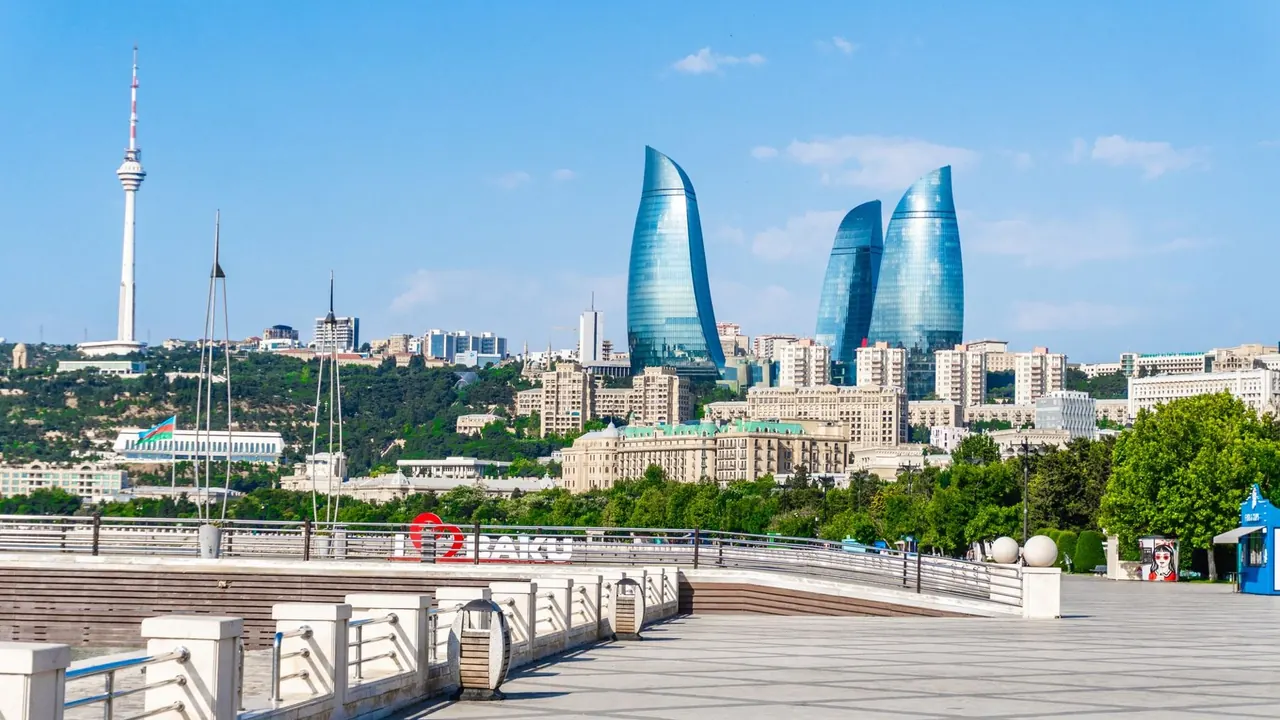
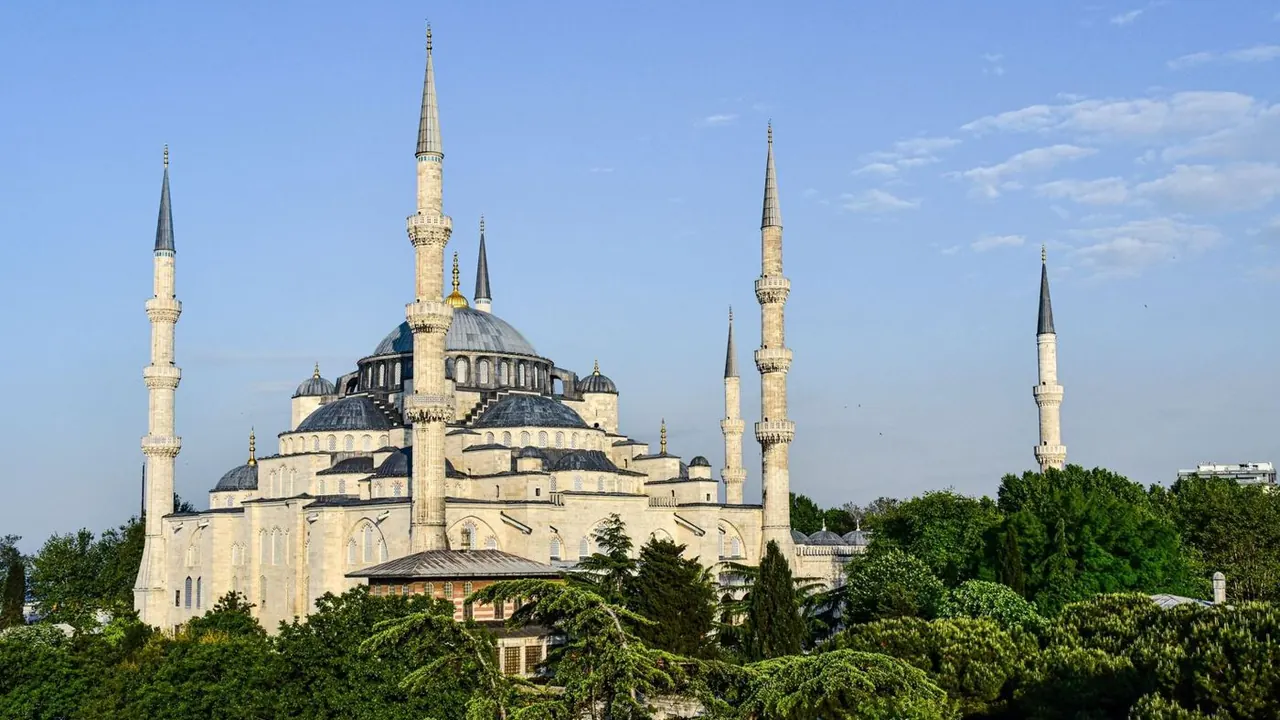
Photos: Baku by Zulfugar Karimov, Pexels License; Istanbul by AXP Photography, Pexels License.
Baku or Istanbul?
Our verdict in twelve categories, each scored against the same fixed benchmark cities, and the climate month by month, so you can choose for your trip.
Choose Baku for
- prices
Baku is the better pick for a curious traveller with a long weekend who wants somewhere less familiar. The walled Old City, the sandstone mansions of the oil barons and the Heydar Aliyev Center can be seen in two or three unhurried days. Gobustan's rock carvings, the mud volcanoes and the burning hillside of Yanar Dag add a strange landscape you will not find on the Bosphorus. It also suits anyone curious about mugham and the Caucasus table.
Choose Istanbul for
- wellness
- shopping
- nightlife
Istanbul wins for almost every other kind of trip, and by a wide margin. Its imperial monuments fill a week, the food draws on every region of Turkey, and evenings in Beyoglu or Kadikoy run late. The Grand Bazaar and the working Ottoman hammams are reasons to come in their own right. Choose it if you want depth and variety and can live with crowds, hills and traffic.
Scoreboard
Twelve categories on one fixed scale from 0 to 100. The shaded stretch is the gap between the two.
Your match
Pick a travel style or drag the sliders, and both match scores follow your weighting.
Wins on prices with your weighting.
Wins on wellness and shopping with your weighting.
What matters to you?
Category by category
What the scores mean for a trip.
Beaches & swimming
Neither city is a beach destination, and the swimming is much the same standard. Baku's beaches are on the north shore of the Absheron peninsula, a taxi ride out. They are long and sandy, with shallow, warm water that is often cloudy, and some stretches are marred by litter or old oil works.
Istanbul gives you a choice of two kinds of beach. The open Black Sea sands at Kilyos and Sile are about an hour away and have strong currents. The small pebbly coves on the Princes' Islands are a ferry ride from the centre, and the ferry trip is half the pleasure.
Food & drink
Istanbul is the far richer place to eat. It brings together cooking from all over Turkey, from Black Sea anchovies to south-eastern kebabs. Street snacks, lunchtime lokantas, meze-laden meyhanes and Kadikoy's market streets can fill a week of meals without repeating themselves.
Baku's cooking is distinctive but narrower. The best of it is saffron plov, qutab, sturgeon kebabs and long tea sessions with jam, along with the herbs, cheeses and caviar at the Taza Bazaar and sturdy reds from Shamakhi. Beyond the Azerbaijani and Caucasian table, the choice runs out quickly.
Culture & sights
Istanbul is in a different league. Hagia Sophia, the Blue Mosque, Topkapi Palace and the Basilica Cistern stand within a short walk of each other. Beyond them are Süleymaniye, the Chora church, the Theodosian walls and a shore lined with Ottoman palaces, far more than one visit can cover.
Baku's appeal is more compact and more unusual. Icherisheher holds the Maiden Tower and the Palace of the Shirvanshahs, and just outside its walls stand the oil-boom mansions. The modern landmarks, the Heydar Aliyev Center and the rolled-carpet museum, are sights in their own right. It makes a satisfying two or three days rather than a week.
Nightlife
Istanbul is the city for going out. Beyoglu's rooftops and late meyhanes, polished cocktail bars in Karakoy, cheaper bar streets in Kadikoy and summer clubs on the Bosphorus mean a night can run until dawn.
In Baku, the evening centres on a walk along the Boulevard and around Fountain Square. That is followed by a pub, a wine bar or a hotel rooftop, and only a few clubs fill at weekends. Drinks are expensive in both cities, but only Istanbul gives you a reason to stay out late.
Nature & outdoors
Istanbul has more green. You can walk the wooded Bosphorus shore at Bebek or Rumeli Hisari, see the tulips at Emirgan in April, follow the trails in Belgrad Forest, and cycle among the pines on the Princes' Islands.
Baku's surroundings are bare semi-desert, but they are strange in a way Istanbul's are not. Mud volcanoes bubble south of the city and the hillside at Yanar Dag burns with natural gas. Real hiking means the Caucasus around Quba, which is an overnight trip.
Day trips
Baku's day trips are fewer but stranger. Gobustan's Stone Age rock carvings, about an hour south, pair well with the mud volcanoes nearby. Closer in, the Ateshgah fire temple at Surakhani and the medieval Mardakan towers make easy half-days, and Shamakhi, two hours west, adds the cliffside Diri Baba mausoleum and its vineyards. You need a taxi, driver or tour for most of these, and Quba or Sheki mean a night away.
Istanbul has more to choose from, and much of it starts on a ferry. You can sail to the car-free Princes' Islands with their wooden villas, or cruise up the Bosphorus to lunch at Anadolu Kavagi below its Genoese castle. Bursa, the first Ottoman capital with its Green Mosque and silk market, is the best town outing, while Iznik and Edirne make longer days.
Good for families
Children are welcomed in both cities, but Istanbul gives them more to do. There are ships and a submarine at the Rahmi M. Koç Museum, Miniaturk, large aquariums, a theme park and plenty of ferry rides. The catch is the crowds, the steep hills and the long transfers.
In Baku, family life centres on the Boulevard, with its playgrounds, fountains and boat rides, and the funicular up to Highland Park. After that, there is little made for children. Hot summers and stairs at the underpasses suit older children on a short stay.
Getting around
Both cities are fairly easy to get around, in different ways. In Baku, the Old City, Fountain Square and the Boulevard are within a short walk of each other. The ornate metro mostly serves residential districts, so cheap app taxis cover almost everything else.
Istanbul's single card covers the T1 tram past the main sights, the metro, the Marmaray tunnel and the ferries between continents, so taxis are rarely needed. Expect steep hills, a packed tram at rush hour and slow roads.
Shopping & style
Istanbul is far ahead. The Grand Bazaar's covered streets and hans, the Spice Bazaar, and the craft streets between them would be enough on their own. Add the designer shops of Nisantasi, the antiques of Cukurcuma and the Kadikoy flea markets, and the choice is very wide.
Baku is worth a visit mainly for carpets. The Old City dealers sell Caucasian, Quba and Karabakh weaves alongside Lahij copper and silk kelaghayi scarves, but ask for an export certificate on older pieces. Its high street and malls offer little you could not buy at home.
Affordability
The two cost about the same overall, with costs that rise in different places. Baku's taxis, canteen plov and modest museum fees keep daily spending low. The hotels, bars and imported drinks aimed at business travellers can be as expensive as in Western Europe.
In Istanbul, transport, simit and lokanta lunches are cheap. The big monuments charge foreign visitors substantial fees, though, and heavy alcohol tax pushes up the cost of evenings. Staying in Kadikoy rather than Sultanahmet makes a real difference.
Live music & performing arts
Istanbul offers a wider programme. The state opera and ballet perform at the Ataturk Cultural Centre, and summer festivals put concerts in historic courtyards. You can also see Sema ceremonies in dervish lodges, hear fasil musicians in the meyhanes and find small venues for jazz and Anatolian folk in Beyoglu and Kadikoy.
Baku's strength is mugham, its UNESCO-recognised improvised music, performed at the International Mugham Centre. There is also a jazz tradition that blends with it and an ornate oil-boom Philharmonic hall. Summer seasons can be thin.
Wellness & relaxation
Here the gap is wide. In Istanbul, a scrub under the star-pierced dome of a working Sinan hammam such as Cemberlitas or Kilic Ali Pasa is a highlight of the trip. A tea on a terrace at Kandilli or a slow ferry ride brings calm in between.
Baku's medieval baths are mostly places to look at rather than bathe in. Spa resorts like Naftalan are many hours away, so rest comes down to hotel spas, the seafront at dusk and tea in the Old City.
When should you go?
Pick your month. The climate figures are measured averages, not a forecast.
Baku in July
Istanbul in July
Daytime high, °C
Rainfall in the month, mm
Temperature and rainfall are climate normals, averaged over the years shown. Baku: 1991-2020 normals, Mashtaga (23.2 km from centre). Istanbul: 1991-2020 normals, Istanbul / Goztepe (9.9 km from centre).
Both cities have hot summers. Daytime highs reach about 30°C in July and August, which is warm for beaches but tiring for long days on foot. Late spring and early autumn are the most comfortable for sightseeing in either city. Baku is far drier: summer rain almost disappears, to about 5mm in July. Its sea is also slightly warmer, reaching about 26°C in August, so midsummer is the time for a swim on the Absheron shore. Winters there are cool and grey, and the wind blows all year.
Istanbul has a wetter year. Rain builds from October and peaks at about 101mm in December, so winter visits mean umbrellas and short, gloomy days. In return, its summers are very sunny. The Black Sea beaches warm to about 24°C in July and August, and May, June and September are the best balance of sun, warmth and dry streets.
Which traveller are you?
On a culture and arts trip, Istanbul is the clear choice. Hagia Sophia, Topkapi, the Chora mosaics and the Bosphorus palaces outweigh Baku's compact Old City, and opera, summer festivals and Sema ceremonies give the evenings just as much depth.
For a relaxing and wellness trip, choose Istanbul. Sinan's sixteenth-century hammams still work, with a hot marble slab and a scrub under domed skylights. Baku's old baths are mostly monuments, and its busy roads and wind rarely feel restful.
For a short city break, Baku makes sense. Its main sights, from the Maiden Tower to the Flame Towers, fit into two or three days within a walkable centre. Istanbul rewards a long weekend too, but it leaves far more unseen.
Before you go
| Measure | Baku | Istanbul |
|---|---|---|
| Official language | Azerbaijani, Azerbaijani Sign Language | Turkish |
| Currency | Azerbaijan Manat (AZN) | Turkish Lira (TRY) |
| Sockets | CF220 V, 50 Hz | CF230 V, 50 Hz |
| Driving side | Right | Right |
| Time zone | UTC+4 | UTC+3 |
| Emergency number | 102 or 112 | 112 |
| Elevation | -28 m | 100 m |
| Main airport | Heydar Aliyev International Airport (GYD)22 km from centre79 non-stop destinations | İstanbul Airport (IST)36 km from centre343 non-stop destinations |
| Public holidays this year | - | 14 days |
By the numbers
| Measure | Baku | Istanbul |
|---|---|---|
| City population | 2,300,500 | 15,655,924 |
| People per km² | 1,075 | 2,930 |
| Museums within 10 km | 50 | 73 |
| UNESCO World Heritage sites within 50 km | 2 | 1 |
| Swim season, months above 21 °C | 4 months | 3 months |
Where else could you go?
Every comparison below shares a destination with this one, so you can follow Baku or Istanbul somewhere new.