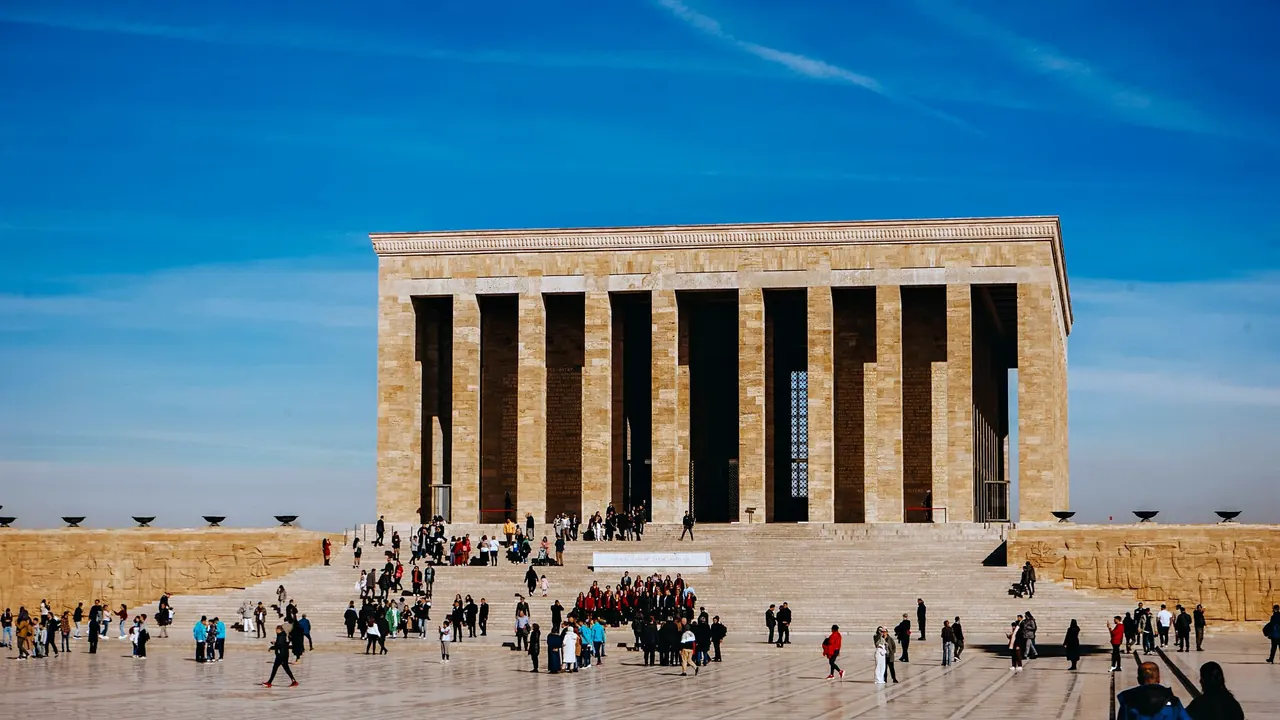
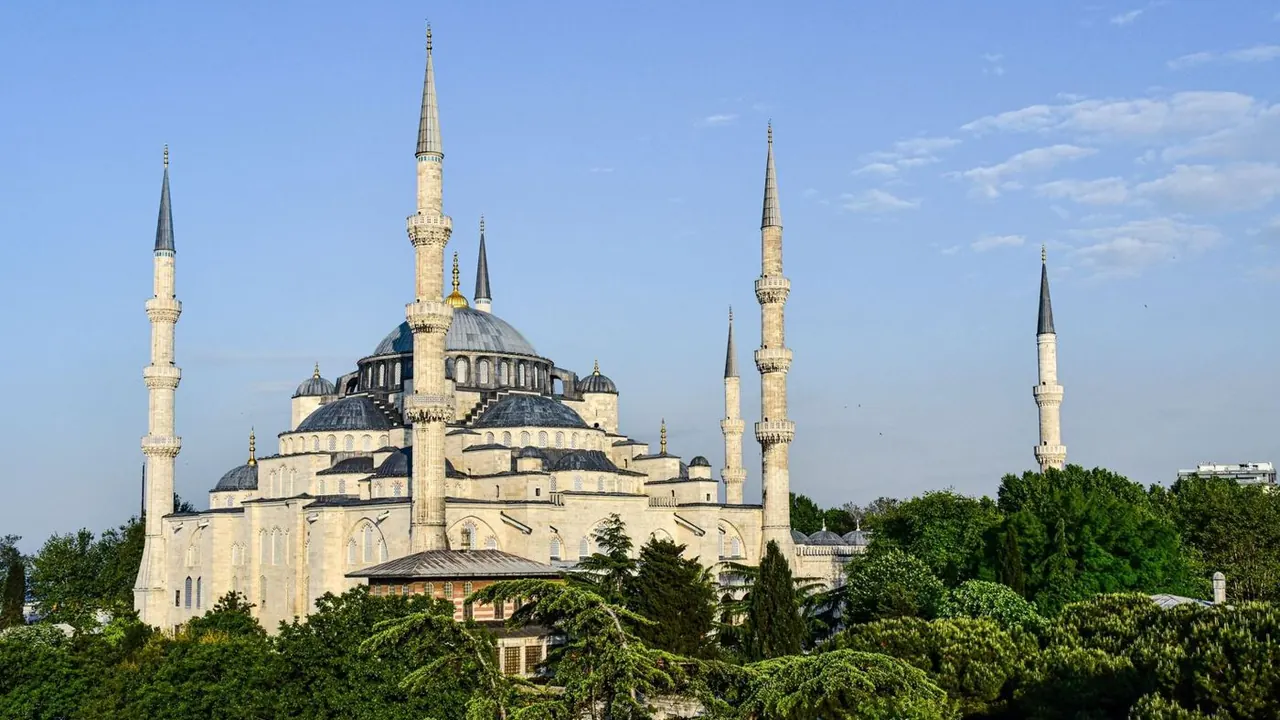
Photos: Ankara by Batuhan Kocabaş, Pexels License; Istanbul by AXP Photography, Pexels License.
Ankara or Istanbul?
Our verdict in twelve categories, each scored against the same fixed benchmark cities, and the climate month by month, so you can choose for your trip.
Choose Ankara for
- prices
- day trips
Ankara suits a traveller who wants a calmer, cheaper look at Turkey as Turks live it. The Museum of Anatolian Civilizations and Anıtkabir are its two great sights, and fast trains to Konya and Eskişehir fill out the rest of a stay. It is a city of government and universities rather than tourism, so costs stay low and the main sights fit into a few days.
Choose Istanbul for
- beaches
- shopping
- nightlife
For most first visits to Turkey, Istanbul is the stronger choice. The historic peninsula, the Bosphorus palaces and the Grand Bazaar can fill a week of sightseeing and shopping. The meyhanes and Kadikoy's market streets make eating a main event, and the hammams and ferries give it slow moments that Ankara's working pace rarely does. It costs more around Sultanahmet and Galata, but there is far more of everything to do.
Scoreboard
Twelve categories on one fixed scale from 0 to 100. The shaded stretch is the gap between the two.
Your match
Pick a travel style or drag the sliders, and both match scores follow your weighting.
Wins on prices and day trips with your weighting.
Wins on beaches and shopping with your weighting.
What matters to you?
Category by category
What the scores mean for a trip.
Beaches & swimming
Ankara has no beach at all. It lies several hours inland, its lakes at Eymir and Mogan are for rowing, and a summer swim means a pool. Istanbul is not a beach city either, but the long sandy beaches of Kilyos and Sile on the Black Sea are about an hour away, and the Princes' Islands have pebbly coves a ferry ride from the centre.
So a half day by the sea is easy from Istanbul, as long as you swim only where lifeguards are on duty on those Black Sea beaches with their strong currents. From Ankara, the coast is a separate trip.
Food & drink
Ankara eats well but within a narrow range: kebab and pide houses, steam trays of stews in the esnaf lokantası canteens, long breakfasts and its own baked Ankara tava, with tea and simple meals in the restored houses of Hamamönü. The food is dependable, but it is not a reason to travel.
Istanbul brings the whole country's cooking together, from Black Sea anchovies to south-eastern kebabs and Ottoman palace dishes. It also has what Ankara lacks: street food on every corner, fish sandwiches by the Galata Bridge, and long meze evenings in the meyhanes of Beyoglu and Kumkapi. Kadikoy's market streets alone can fill a day of grazing.
Culture & sights
Ankara has two excellent sights: the Museum of Anatolian Civilizations, with its Hittite and Phrygian collections, and Atatürk's mausoleum at Anıtkabir. Add the citadel, the Roman baths and the Temple of Augustus, and you can see everything in two or three days. Beyond Ulus the city is modern and planned.
Istanbul is on another scale. Hagia Sophia, Topkapi Palace, the Blue Mosque and the Basilica Cistern are all a short walk apart, and Süleymaniye, the Chora mosaics, the Theodosian land walls and the Bosphorus palaces can keep you busy for a week. For sightseeing it is the clear choice, though anyone drawn to ancient Anatolia should not miss Ankara's museum.
Nightlife
Nights out in Ankara revolve around students. Beer and rock bars fill the crowded buildings off Kızılay, Tunalı Hilmi has more polished places, and evenings often stretch around a long dinner with rakı. There are few clubs, and summers are quiet.
Istanbul's nights are bigger and later. There are rooftop bars and meyhanes full of singing in Beyoglu, cocktail bars in Karakoy, and cheap, packed bar streets in Kadikoy and Moda. In summer the clubs on the Bosphorus shore at Ortakoy and Kurucesme stay open until dawn, and Ankara has nothing like them.
Nature & outdoors
Ankara's open plateau gives you space but not much scenery. Its green corners are the Atatürk Forest Farm and the lakes of Eymir and Mogan, with the pinewoods of Soğuksu National Park an hour to the north. Its one truly unusual sight is the white salt pan of Tuz Gölü to the south, where flamingos gather in spring.
Istanbul has the advantage of a wooded strait running through the middle of the city. You can walk the shore from Bebek to Rumeli Hisari, see the April tulips at Emirgan, follow the shaded trails of Belgrad Forest or cycle among the pines on the car-free Princes' Islands. None of it is rugged, but being outdoors here is a daily pleasure, while from Ankara it usually means a drive out.
Day trips
Both cities make reasonable bases, but the trips from each are very different. From Ankara you head into the Anatolian interior by high-speed train or by road: Konya's Mevlana Museum, the painted houses of Odunpazarı in Eskişehir, King Midas's burial mound at Gordion and the timber town of Beypazarı, with Hattusa as a long day.
From Istanbul the best outings are on the water: a ferry to the Princes' Islands or a cruise up the Bosphorus to Anadolu Kavagi, with Bursa the main town trip. Getting out of Istanbul's sprawl takes longer, while from Ankara you reach more historic sites with less effort.
Good for families
Children are made welcome in both cities, and each has a Rahmi M. Koç Museum full of vehicles to climb into: Ankara's is in an old caravanserai, while Istanbul's is on the Golden Horn and has a submarine. Istanbul has more besides: Bosphorus ferries, Miniaturk, aquariums, a theme park and seaside parks on the Asian shore. Ankara's highlights are the dinosaurs at the MTA Natural History Museum, Gençlik Parkı and its large malls.
Istanbul's crowds, hills and long transfers are hard on small children, but Ankara's hilly centre and heavy traffic are no easier, so the wider choice tips the balance to Istanbul.
Getting around
Ankara's metro and Ankaray light rail cover the Ulus-Kızılay-Çankaya spine well. Beyond it the city is built for cars, with wide boulevards and underpasses, so taxis fill the gaps and walking works only within Ulus or Tunalı Hilmi.
In Istanbul one card covers the metro, the T1 tram, Marmaray, the funiculars and the ferries, and you can walk the old city, Galata and Beyoglu. The ferries make crossing the city a pleasure, though crowded trams at rush hour and slow road traffic come with its size.
Shopping & style
Ankara's shopping is mostly malls and the boutiques of Tunalı Hilmi. The only streets with real character are below the citadel around Samanpazarı, where coppersmiths, carpet sellers and angora wool make for a pleasant afternoon.
Istanbul is worth the trip for shopping alone. There are the covered streets and hans of the Grand Bazaar, the Spice Bazaar, and trades still grouped by craft in the streets between them, along with designer shops in Nisantasi, antiques in Cukurcuma and the flea markets of Kadikoy. Haggling is part of the fun in the old markets.
Affordability
Ankara is the cheaper stay because it is a government and university city with no tourist pricing, so hotels, kebab houses, the metro and taxis all cost well below Western European levels. Istanbul can be cheap too if you eat in workers' lokantas and travel by ferry. But rooms and menus in Sultanahmet, Galata and along the Bosphorus climb towards Southern European levels.
Alcohol is heavily taxed in both cities. Istanbul's major monuments also charge foreign visitors high entry fees, which adds up if you do a lot of sightseeing. Staying in Kadikoy narrows the gap.
Live music & performing arts
The two are close, but their strengths differ. As the capital, Ankara is home to the state institutions: the State Opera and Ballet near Ulus, the Presidential Symphony Orchestra and the Bilkent Symphony Orchestra, with tickets easy to get. Live music in its bars leans towards Turkish rock and folk.
Istanbul has its own state opera and ballet at the Atatürk Cultural Centre on Taksim Square, and adds things Ankara lacks: summer music and jazz festivals in historic courtyards, Sema ceremonies in old dervish lodges, fasil musicians in the meyhanes and jazz in Beyoglu and Kadikoy. In both cities theatre is mostly in Turkish.
Wellness & relaxation
Both cities have working hammams. In Ankara they are plain neighbourhood baths in Ulus and Hamamönü, and for thermal springs you travel an hour to Kızılcahamam or Haymana. Istanbul's baths are worth visiting in their own right: Sinan's hammams such as Cemberlitas and Haseki Hürrem, with star-shaped skylights in their domes and a heated marble stone to lie on. Large hotels add full spas.
Istanbul is the more hectic city. Even so, a bath, tea on a Bosphorus terrace at Emirgan or a slow ferry ride give it better ways to switch off than Ankara's tea gardens and lakeside parks.
When should you go?
Pick your month. The climate figures are measured averages, not a forecast.
Ankara in July
Istanbul in July
Daytime high, °C
Rainfall in the month, mm
Temperature and rainfall are climate normals, averaged over the years shown. Ankara: 1991-2020 normals, Ankara / Central (4.1 km from centre). Istanbul: 1991-2020 normals, Istanbul / Goztepe (9.9 km from centre).
Ankara sits high on the plateau, so its year swings hard. Winters are cold and often snowy, with January highs around 5°C, while July and August reach 31°C under long, dry, sunny days with barely any rain. Spring brings the wettest weeks, though even then rainfall is moderate. The best months for walking the citadel and Ulus are May and late September into October, between the summer heat and the winter cold.
Istanbul has milder winters but much wetter ones, with December the rainiest month at around 101mm and short, grey days. Its summers are about as hot as Ankara's, but here the sea makes the difference: it warms to about 24°C in August, so July to early September is the time to swim. May, June, September and October suit sightseeing in both cities. Istanbul is the gentler of the two in winter, and Ankara the drier in autumn.
Which traveller are you?
On a trip on a tight budget, Ankara makes your money go further. It has none of the tourist pricing, so comfortable hotels, canteen meals and taxis stay cheap, and the Museum of Anatolian Civilizations plus day trips by train to Konya and Eskişehir fill several days at little cost.
For a food and nightlife trip, Istanbul is far ahead. Its meyhanes serve meze and grilled fish late into the night and Kadikoy's market streets are made for grazing. Beyoglu's bars and the Bosphorus clubs in summer keep going long after Ankara's student bars have closed.
On a shopping trip, choose Istanbul. The Grand Bazaar and Spice Bazaar, designer Nisantasi, Cukurcuma's antique shops and Kadikoy's flea markets give you days of browsing. Ankara offers malls and one afternoon with real character among the coppersmiths and angora sellers below the citadel.
Before you go
| Measure | Ankara | Istanbul |
|---|---|---|
| Official language | Turkish | Turkish |
| Currency | Turkish Lira (TRY) | Turkish Lira (TRY) |
| Sockets | CF230 V, 50 Hz | CF230 V, 50 Hz |
| Driving side | Right | Right |
| Time zone | UTC+3 | UTC+3 |
| Emergency number | 112 | 112 |
| Elevation | 938 m | 100 m |
| Main airport | Esenboğa International Airport (ESB)25 km from centre92 non-stop destinations | İstanbul Airport (IST)36 km from centre343 non-stop destinations |
| Public holidays this year | 14 days | 14 days |
By the numbers
| Measure | Ankara | Istanbul |
|---|---|---|
| City population | 5,803,482 | 15,655,924 |
| People per km² | - | 2,930 |
| Museums within 10 km | 51 | 75 |
| UNESCO World Heritage sites within 50 km | 0 | 1 |
| Swim season, months above 21 °C | - | 3 months |
Where else could you go?
Every comparison below shares a destination with this one, so you can follow Ankara or Istanbul somewhere new.
- Burgasvs Istanbul
- Goremevs Ankara
- Varnavs Istanbul
- Izmirvs Istanbul
- Plovdivvs Istanbul
- Kusadasivs Istanbul