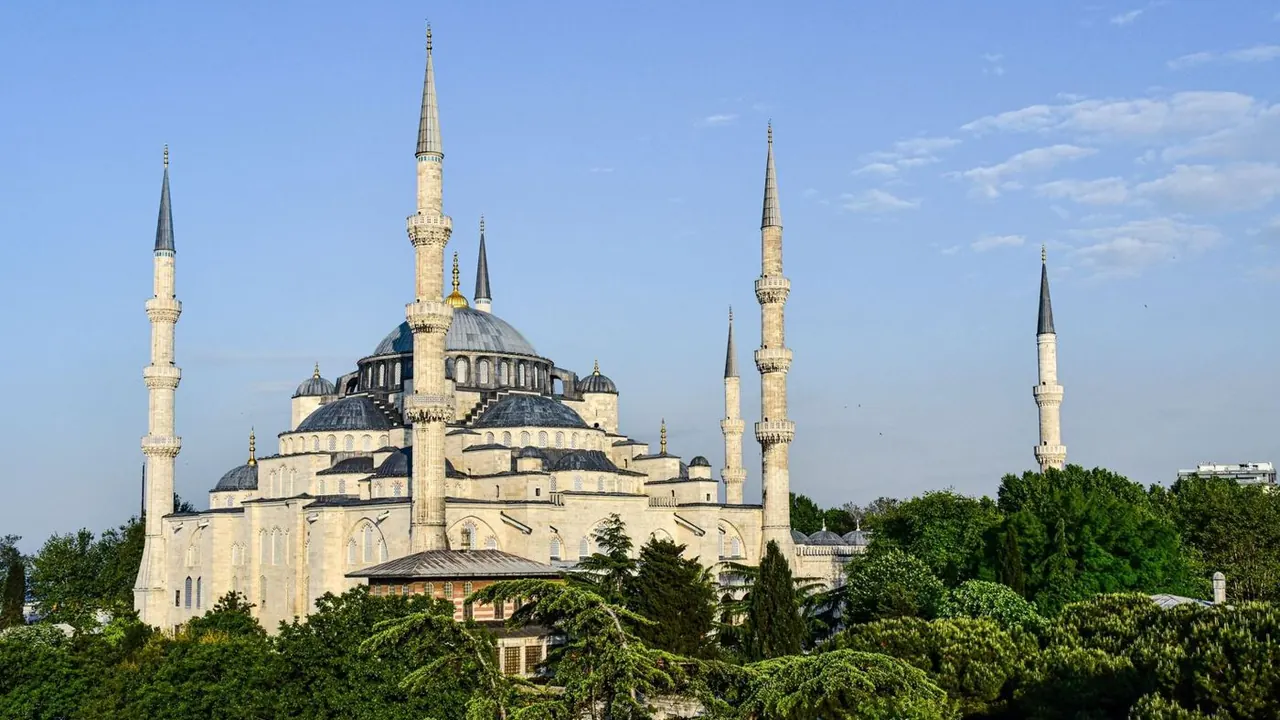
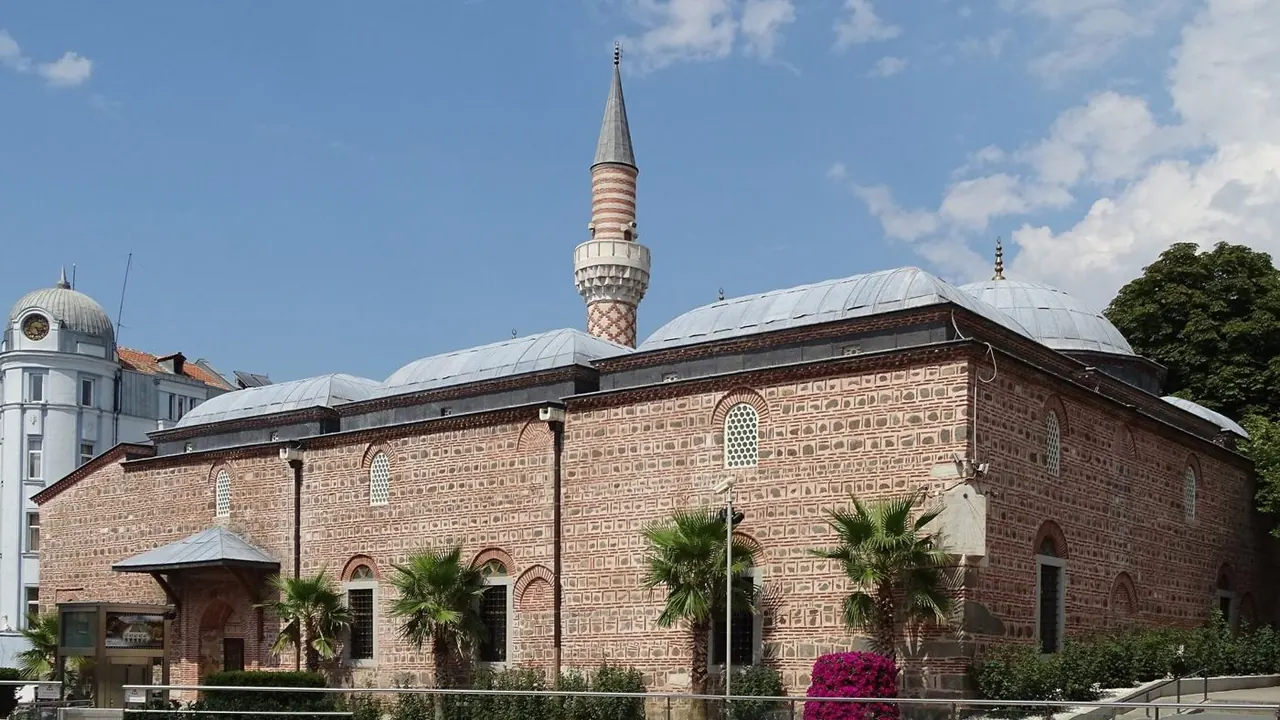
Photos: Istanbul by AXP Photography, Pexels License; Plovdiv by Ad Meskens, CC BY-SA 4.0, cropped.
Istanbul or Plovdiv?
Our verdict in twelve categories, each scored against the same fixed benchmark cities, and the climate month by month, so you can choose for your trip.
Choose Istanbul for
- shopping
- beaches
- food and drink
Istanbul is the better choice for a trip built on sights, food and evenings out. The Byzantine and Ottoman monuments of the historic peninsula, long meyhane dinners, the Grand Bazaar and a scrub in a Sinan hammam can fill a week without repeating themselves, and the ferries across the Bosphorus link it all together. It suits travellers who enjoy a huge, crowded city and accept tourist-area prices around the main sights.
Choose Plovdiv for
- prices
- nature and the outdoors
- day trips
Plovdiv rewards a slower, cheaper stay. Its Roman theatre and painted Revival houses sit along one walkable spine, and the Rhodope Mountains, Bachkovo Monastery and the wine estates of the Thracian plain are close enough for easy outings. It suits travellers with a hire car and a few spare days more than anyone after big-city nightlife, serious shopping or a swim.
Scoreboard
Twelve categories on one fixed scale from 0 to 100. The shaded stretch is the gap between the two.
Your match
Pick a travel style or drag the sliders, and both match scores follow your weighting.
Wins on shopping and beaches with your weighting.
Wins on prices and nature and the outdoors with your weighting.
What matters to you?
Category by category
What the scores mean for a trip.
Beaches & swimming
Neither is a beach destination, but Istanbul at least has the sea. The Black Sea strands at Kilyos and Sile are about an hour away and warm enough in high summer, though the undertow means sticking to lifeguarded stretches, and the Princes' Islands add pebbly coves for a half day.
Plovdiv is far inland on the Thracian plain, several hours from the coast. Cooling off there means a pool, the rowing canal or a Rhodope reservoir, so anyone who wants sand should plan separate days on the Black Sea.
Food & drink
Istanbul draws on the cooking of a whole country: Black Sea anchovies, south-eastern kebabs, Aegean olive-oil dishes and Ottoman palace recipes, plus street food from simit to grilled fish sandwiches by the Galata Bridge. The meyhane evening and a graze through Kadikoy's markets are reasons to come in themselves.
Plovdiv's table is narrower and homelier, mostly Bulgarian grills, shopska salad, kavarma and banitsa in Old Town mehanas and Kapana bistros. Its real asset is wine: Mavrud and Rubin reds from the surrounding Thracian Valley, with estates close enough to visit.
Culture & sights
Istanbul's historic peninsula alone puts Hagia Sophia, the Blue Mosque, Topkapi Palace and the Basilica Cistern within a short walk, and beyond lie the Süleymaniye, the Chora mosaics, the land walls and the Bosphorus palaces. A week barely covers it.
Plovdiv offers fewer great monuments but a compact, layered past: the Roman theatre on its hillside, a stadium beneath the shopping street, early Christian mosaics in the basilicas and the painted merchant houses of the Old Town. Two or three days on foot see most of it, without the queues.
Nightlife
Istanbul's nights are big and long. Rooftop bars and late meyhanes in Beyoglu, cocktail bars in Karakoy and Cihangir, cheaper bar streets in Kadikoy and Moda, and in summer Bosphorus clubs that keep going until dawn, though heavy alcohol taxes make it a costly habit.
Plovdiv's evening revolves around Kapana, where craft beer and wine bars fill the pavements on warm nights and students keep term-time busy. There are a few clubs, but most nights end over a glass of local red rather than on a dance floor.
Nature & outdoors
Plovdiv has real hill and mountain country on its doorstep. The Rhodopes rise beyond Asenovgrad with gorges and forest trails, the higher Central Balkan range is about an hour north, and the rocky tepeta hills give views even within town, though a car helps for most of it.
Istanbul's natural side is gentler and harder to reach. The wooded Bosphorus shore at Bebek and Rumeli Hisari, the tulip parks in April, Belgrad Forest and cycling on the Princes' Islands are pleasant, but there are no mountains nearby and leaving the city takes time.
Day trips
Plovdiv sits at the centre of a rich circle of outings: Bachkovo Monastery half an hour south, Roman Hisarya and the Thracian temple at Starosel within an hour, and Kazanlak's tomb, the Valley of Roses and painted Koprivshtitsa a little further. Public transport is patchy, so a hire car makes the difference.
Istanbul's best escapes go by water, to the car-free Princes' Islands or up the Bosphorus to Anadolu Kavagi. Bursa is a worthwhile day, but Edirne and Iznik are long trips and Gallipoli and Troy need a night away.
Good for families
Istanbul has more to fill children's days: ferry rides, the ships, trains and submarine of the Rahmi M. Koç Museum, Miniaturk, aquariums and the seaside parks of the Asian shore, all in a culture that dotes on children. The cost is crowds, traffic and steep stairs that tire small legs and defeat pushchairs.
Plovdiv is calmer and its long car-free main street is easy with a buggy, with the singing fountains of Tsar Simeon Garden and Lauta park as outings. Beyond that there is little aimed at children, and summer heat on the plain is draining.
Getting around
Both are manageable without a car in town, but in very different ways. Istanbul relies on a network, with one card for the metro, the T1 tram, Marmaray, funiculars and the ferries, which are a pleasure in themselves; rush-hour crowds and slow road traffic are the price.
Plovdiv is simply walked, along a single pedestrian street linking the ruins, Kapana and the Old Town, with cheap taxis for anything further. Its weakness is the countryside, where a car is close to essential.
Shopping & style
Istanbul is a shopping destination in its own right. The Grand Bazaar's covered streets of carpets, leather, lamps and ceramics, the Spice Bazaar, craft streets grouped by trade, designer Nisantasi and the antiques of Cukurcuma make it hard to leave empty-handed.
Plovdiv offers high-street chains, malls and a handful of design studios and craft shops in Kapana. Rose oil cosmetics, embroidery and a bottle of Mavrud are the souvenirs, and there is no luxury end at all.
Affordability
Plovdiv is the easier city on the wallet. Old Town guesthouses, mehana meals with wine and taxis all cost little, entry fees are small, and much of the pleasure, from the street-level ruins to Kapana evenings, is free.
Istanbul can be cheap if you live like a resident, with low transport fares, lokanta lunches and tea everywhere. But Sultanahmet and the Bosphorus shore push hotel and restaurant prices up, drinks are heavily taxed and the major monuments charge foreigners substantial fees.
Live music & performing arts
Istanbul has a wider stage: state opera and ballet at the Ataturk Cultural Centre, concert halls for orchestras and touring names, summer music and jazz festivals in historic courtyards, and Sema ceremonies in old dervish lodges. Fasil musicians in the meyhanes and small Beyoglu and Kadikoy venues add plenty without a ticket.
Plovdiv's scene is smaller and local, with its own opera, philharmonic and a jazz festival. Its one great card is the Roman theatre, where a summer evening of opera under the stars is worth planning a trip around.
Wellness & relaxation
Istanbul's working sixteenth-century hammams, such as the Cemberlitas and Haseki Hürrem, with their domed skylights, hot marble slab and vigorous scrub, are a genuine highlight. Away from them the city is noisy, and calm comes from a Bosphorus tea terrace or a slow ferry.
Plovdiv has no baths of its own, only hotel spas, but its whole pace is restful, built on the local habit of aylyak and long coffees under the plane trees. For mineral pools you drive to Hisarya or Velingrad.
When should you go?
Pick your month. The climate figures are measured averages, not a forecast.
Istanbul in July
Plovdiv in July
Daytime high, °C
Rainfall in the month, mm
Where the figures come from
Plovdiv has no rain gauge within 25 km of the centre, so its rainfall comes from a gridded climate dataset read at the city rather than from a gauge further away.
Plovdiv's sunshine is measured 75 km from the centre, at Kurdjali.
Temperature and rainfall are climate normals, averaged over the years shown. Istanbul: 1991-2020 normals, Istanbul / Goztepe (9.9 km from centre). Plovdiv: 1997-2020 (sunshine 1991-2020, rainfall 1991-2020) normals, Plovdiv (1.2 km from centre).
Both cities have hot summers and cool, damp winters, but they are spread differently through the year. Istanbul is at its best for walking in May, June and September, warm and fairly dry. July and August reach about 30°C and are the only months to swim, when the Black Sea beaches north of the city warm to around 24°C. From October the rain returns, peaking near 101mm in December, and winter is grey and short of sun.
Plovdiv swings further either way: July and August are a degree or so hotter on the inland plain, and January highs fall to about 5°C, colder than on the Bosphorus. Its rain is more evenly spread, with May surprisingly wet and August the driest month. April, May, September and early October suit sightseeing and mountain walks best, while midsummer is better spent in the Rhodopes than on the cobbles.
Which traveller are you?
On a food and nightlife trip, Istanbul is the clear pick. Cooking from every Turkish region, meyhane tables of meze and rakı, Kadikoy's market streets for grazing, and bar districts in Beyoglu and on the Bosphorus that run until dawn.
For a trip on a tight budget, Plovdiv goes much further. Guesthouses near the Old Town and mehana meals with local wine cost little, and the Roman ruins under the main street and evenings in Kapana are free to enjoy.
On an outdoors trip, Plovdiv has the mountains Istanbul lacks. The Rhodopes begin about 20km away, with gorges, forest trails and Pamporovo for skiing, while Istanbul's outdoor life is mostly ferries, waterfront promenades and city parks.
Before you go
| Measure | Istanbul | Plovdiv |
|---|---|---|
| Official language | Turkish | Bulgarian |
| Currency | Turkish Lira (TRY) | Euro (EUR) |
| Sockets | CF230 V, 50 Hz | CF230 V, 50 Hz |
| Driving side | Right | Right |
| Time zone | UTC+3 | UTC+2, UTC+3 in summer |
| Emergency number | 112 | 112 |
| Elevation | 100 m | 172 m |
| Main airport | İstanbul Airport (IST)36 km from centre343 non-stop destinations | Plovdiv International Airport (PDV)12 km from centre8 non-stop destinations |
| Public holidays this year | 14 days | 15 days |
By the numbers
| Measure | Istanbul | Plovdiv |
|---|---|---|
| City population | 15,655,924 | 333,994 |
| People per km² | 2,930 | 3,274 |
| Museums within 10 km | 73 | 18 |
| UNESCO World Heritage sites within 50 km | 1 | 0 |
| Swim season, months above 21 °C | 3 months | - |
Where else could you go?
Every comparison below shares a destination with this one, so you can follow Istanbul or Plovdiv somewhere new.