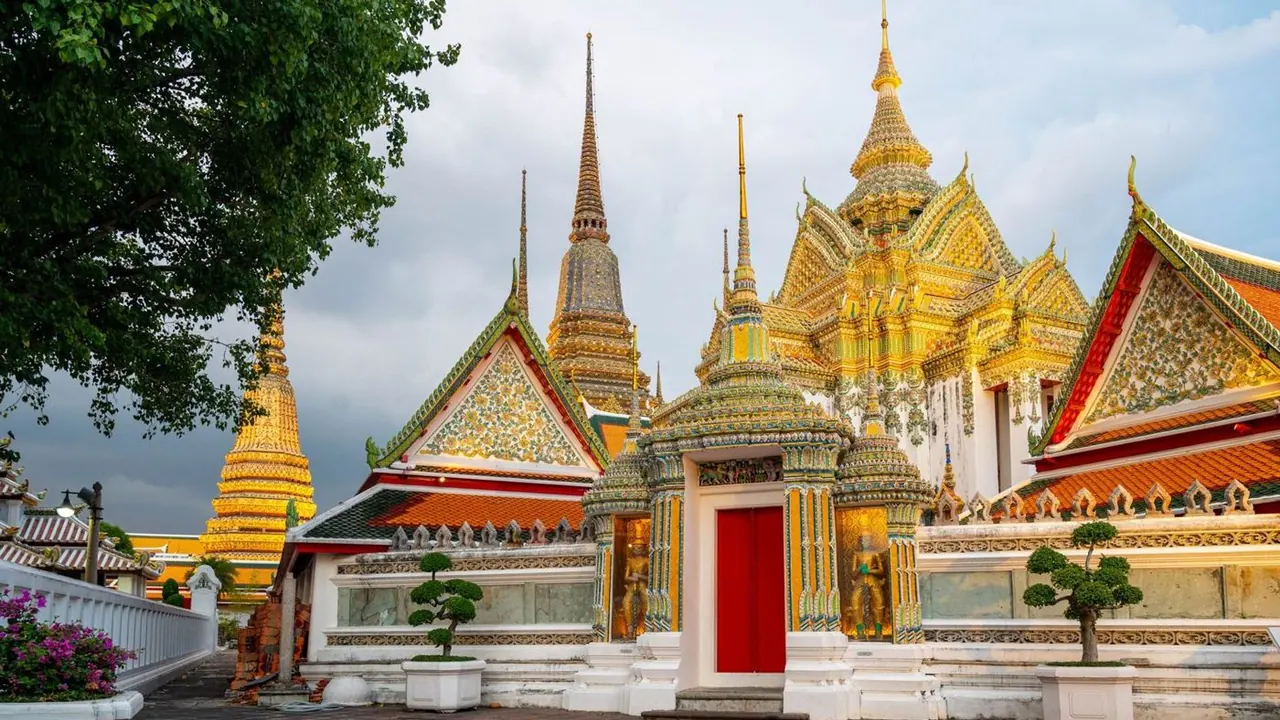
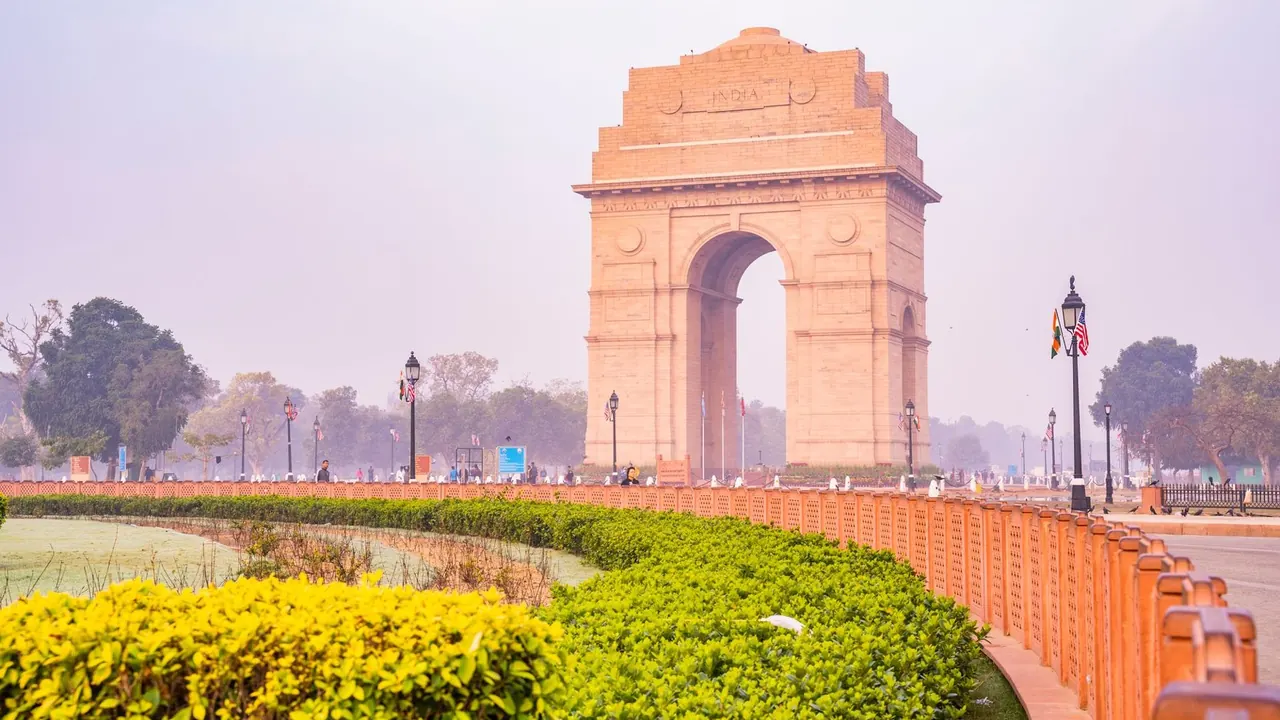
Photos: Bangkok by Lu Zhao, Pexels License; Delhi by shalender kumar, Pexels License.
Bangkok or Delhi?
Our verdict in twelve categories, each scored against the same fixed benchmark cities, and the climate month by month, so you can choose for your trip.
Choose Bangkok for
- wellness
- nightlife
- families
Bangkok suits travellers who want the city to look after them as well as show them things. You eat superbly at every hour, the nights run late across several very different districts, and a massage or a hotel pool is never far away. It's also the easier of the two with children. Its temples on Rattanakosin Island are spectacular, but the real pull is how much of daily life happens out on the street, and how comfortable the city makes the hot afternoons.
Choose Delhi for
- culture and sights
- getting around
- prices
Delhi rewards the traveller who has come for history and is willing to work for it. It has layer upon layer of Mughal and earlier monuments, the Taj Mahal is within reach by train, and crafts from every corner of India fill its markets. Evenings are quieter, the city is harder going and rest is in short supply. In return you get a depth of the past that Bangkok's gilded old quarter can't match. It's the better choice for a focused sightseeing trip than for a slow vacation.
Scoreboard
Twelve categories on one fixed scale from 0 to 100. The shaded stretch is the gap between the two.
Your match
Pick a travel style or drag the sliders, and both match scores follow your weighting.
Wins on wellness and nightlife with your weighting.
Wins on culture and sights and getting around with your weighting.
What matters to you?
Category by category
What the scores mean for a trip.
Beaches & swimming
Neither city is a place for swimming. Bangkok at least has the coast within reach: Bang Saen and Pattaya are under two hours by road for a long day of warm sea, and the islands or Hua Hin can be added for a few nights.
Delhi is hundreds of kilometres inland on the northern plains, so a beach means a flight to Goa or Kerala. In both cities, everyday swimming happens in a hotel pool, and Bangkok's rooftop pools make that the more appealing option.
Food & drink
Both are great eating cities, but Bangkok goes further. Thai cooking reaches you at every hour and on every pavement, from boat noodles to som tam pounded to order. Market halls such as Or Tor Kor, a deep tier of ambitious regional Thai restaurants, and serious cocktail and coffee scenes come on top.
Delhi's strength is concentrated in Old Delhi's lanes around Chandni Chowk, with parathas, nihari, kebabs and the Mughlai and Punjabi dishes the city invented, plus chaat at street carts. Its restaurant scene for regional Indian cooking is excellent. Street eating calls for a little more care, though, so stick to busy stalls cooking food hot in front of you.
Culture & sights
The two are close in depth but very different in character. Bangkok's sights are living temples packed into the old centre and along the river: the Grand Palace, Wat Pho, Wat Arun and the Thonburi canals. Monks and worshippers go about their day around the gilt and mirrored tiles.
Delhi's sights are monuments from many eras spread across a huge city. They include three UNESCO sites in the Red Fort, Humayun's Tomb and the Qutb Minar, plus the imperial avenue of New Delhi and the national art collections. There is more of it and it goes back further in time, but each day needs planning, whereas Bangkok's highlights fit into a couple of riverside walks.
Nightlife
Bangkok is one of Asia's great nights out and Delhi is not. Bangkok gives you a choice of whole districts: polished cocktail bars and clubs in Thonglor and Ekkamai, the cheap, noisy street party of Khao San, Silom's gay scene and the rooftop bars over the river. Street food keeps going after closing time.
Delhi offers pockets of evening life rather than a scene. You can try the rooftop bars of Hauz Khas Village, the pubs of Connaught Place or the clubs out in Gurugram, reached by taxi door to door. Nights finish earlier, and a good evening there is a pleasant extra rather than a reason to visit.
Nature & outdoors
Outdoor time in either city means a park and an early start, and the parks differ more in character than in number. Bangkok's are lush and humid, with monitor lizards along the lake in Lumphini and raised paths through the palms and orchards of Bang Krachao, which make a good afternoon's cycling. Humidity makes long activity at midday hard going, and the forests of Khao Yai or the limestone country around Kanchanaburi need an overnight trip.
Delhi's green spaces are drier and full of old buildings, with tombs among the lawns of Lodhi Gardens, the scrubby Ridge forest and fine winter birdwatching at Okhla and Sultanpur. From late autumn, smog often makes exercising outdoors unwise, and real hiking means the Himalayan hill stations on a longer trip.
Day trips
Each city has one outstanding excursion and a handful of good ones. From Bangkok it's Ayutthaya's ruined capital, best seen by bicycle. Canal country adds floating markets, the Maeklong railway market and Nakhon Pathom's great stupa.
From Delhi, the express train puts the Taj Mahal and Agra Fort within an easy day, which is the single most famous outing either city offers, and Fatehpur Sikri can be added. Mathura and Vrindavan add pilgrim towns. Delhi's road trips are slower, though, so Bangkok gives the wider choice of days out without a long drive.
Good for families
In both cities local people make a fuss of children, but Bangkok is clearly the easier place to bring them. It has aquariums, theme parks, KidZania and cool indoor play areas in the malls. Families who base themselves near a Skytrain station and keep a hotel pool for the afternoon can get through the heat.
Delhi has engaging places for children, such as the National Rail Museum's steam locomotives, the zoo and the Akshardham water show. The practical side is the harder part: fierce summers, winter smog, chaotic traffic and a real risk of stomach upsets. The short late-winter window is the only easy time.
Getting around
Both depend on rail, and both rail systems are good. Bangkok combines the Skytrain and underground with Chao Phraya river boats, which are the natural way to reach the Grand Palace and Wat Arun. Its weak spot is the old city, which the trains barely reach.
The Delhi Metro covers more of what a visitor wants. It has stations near most major monuments, an airport express and women-only carriages. The catch is distance, because Delhi's sights are spread far wider. In both cities walking is hard work and road traffic crawls, so plan each day around one area.
Shopping & style
They are equally rewarding, but you buy very different things. Bangkok is about malls and markets. The Siam and Ratchaprasong malls are linked by Skytrain walkways, and Chatuchak's thousands of weekend stalls are a must. Thai silk, celadon and benjarong are the things to take home.
Delhi is the place for Indian crafts. Dilli Haat and the fixed-price state emporiums bring together textiles and woodwork from across the country, while Old Delhi's specialist bazaars run to spices and wedding trimmings. Khan Market and Shahpur Jat stock Indian designer clothes and block-print homeware. You haggle in the markets in both cities.
Affordability
Both are cheap by any Western standard, and Delhi is a touch easier still on simple meals, metro rides and mid-range guesthouses. In Bangkok, the comfort you get for your money stands out more: riverside hotels with rooftop pools, late-night massages and tailoring all cost far less than you'd expect.
The pattern of costs is alike in both. Imported alcohol and the grand hotels charge international prices, and foreigners pay more to enter the top sights. In Bangkok that is mainly the Grand Palace, while in Delhi it covers the major monuments.
Live music & performing arts
In both cities the classical traditions are more rewarding than the shows staged for visitors. Bangkok's highlight is khon, the masked Ramakien drama, at the Sala Chalermkrung and the National Theatre. The music and ritual around Muay Thai at Rajadamnern and Lumpinee draw people as much as the fighting, and jazz and blues bars in the old city and Sukhumvit keep live music going on a small scale.
Delhi's stage life is built around recitals and follows the seasons. Through the cooler months, Hindustani music and Kathak and Bharatanatyam dance fill the auditoriums around Mandi House, and the National School of Drama makes the city India's theatre capital, though most plays are in Hindi. The evening many visitors remember is the free qawwali sung at the Nizamuddin shrine, traditionally on Thursdays.
Wellness & relaxation
This is where the two are furthest apart. In Bangkok, massage is part of daily life, from the traditional school at Wat Pho to shopfront parlours open late and some of Asia's most refined hotel spas. A restorative hour fits into almost any day, even if the city around it is never calm.
Delhi offers Ayurvedic treatments in its large hotels and some yoga centres in South Delhi. Otherwise, rest comes from quiet early mornings in Lodhi Gardens or inside a gurudwara. With constant noise and winter smog, most people save their retreat for Rishikesh or Kerala afterwards.
When should you go?
Pick your month. The climate figures are measured averages, not a forecast.
Bangkok in July
Delhi in July
Daytime high, °C
Rainfall in the month, mm
Temperature and rainfall are climate normals, averaged over the years shown. Bangkok: 1991-2020 normals, Bangkok (5.7 km from centre). Delhi: 1991-2020 normals, New Delhi / Safdarjung (9.4 km from centre).
Bangkok is hot all year, with daytime highs that rarely leave the low to mid 30s. That makes the timing a question of rain rather than temperature. November to February is the dry, sunny stretch, with December almost rainless. From May the monsoon builds, peaking in September at around 330mm, and the sunshine drops off. The sea on the nearby coast stays bath-warm all year if you head out to the beaches.
Delhi swings far more. Winter days are mild, around 20°C in January, and from October to March the weather is good for walking between monuments, although smog can hang over late autumn and winter. By May the heat reaches 40°C and makes sightseeing punishing. July and August bring the heaviest rain. For a dry trip both cities suit November to February, but Delhi is cool then and Bangkok is warm.
Which traveller are you?
On a food and nightlife trip, choose Bangkok. Its street cooking runs from breakfast skewers to midnight in Yaowarat, and the evening carries on from Thonglor cocktail bars to Khao San and the rooftops. Delhi eats well too, but its nights end early and are scattered across the city.
For a relaxing and wellness trip, Bangkok wins easily. Wat Pho's massage tradition, the parlours on every street and the refined hotel spas let you unwind every day. Delhi's noise and winter smog make it a city people rest after, not in.
On a family trip with children, Bangkok is easier. Aquariums, KidZania, the play areas in the malls and the Skytrain fill the hot hours comfortably. Delhi's zoo and Rail Museum are fun, but summer heat, winter smog and stomach bugs make it harder on small children.
Before you go
| Measure | Bangkok | Delhi |
|---|---|---|
| Official language | Thai | Hindi, English |
| Currency | Baht (THB) | Indian Rupee (INR) |
| Sockets | ABCF220 V, 50 Hz | CM230 V, 50 Hz |
| Driving side | Left | Left |
| Time zone | UTC+7 | UTC+5:30 |
| Emergency number | Police 191, ambulance 1669, fire 199 | 108 or 112 |
| Elevation | 2 m | 221 m |
| Main airport | Suvarnabhumi Airport (BKK)26 km from centre150 non-stop destinations | Indira Gandhi International Airport (DEL)17 km from centre144 non-stop destinations |
By the numbers
| Measure | Bangkok | Delhi |
|---|---|---|
| City population | 5,676,648 | 26,495,000 |
| People per km² | 3,619 | 18,962 |
| Museums within 10 km | 59 | 23 |
| UNESCO World Heritage sites within 50 km | 0 | 4 |
| Swim season, months above 21 °C | 12 months | - |
Where else could you go?
Every comparison below shares a destination with this one, so you can follow Bangkok or Delhi somewhere new.