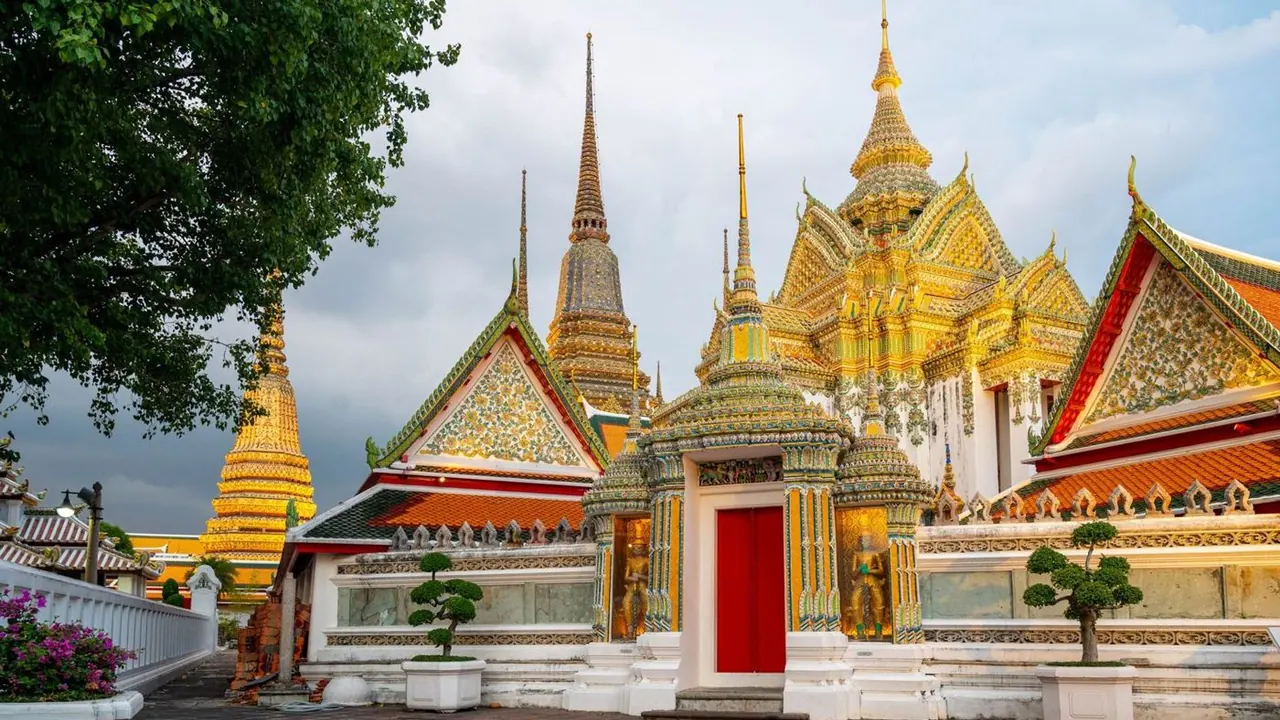
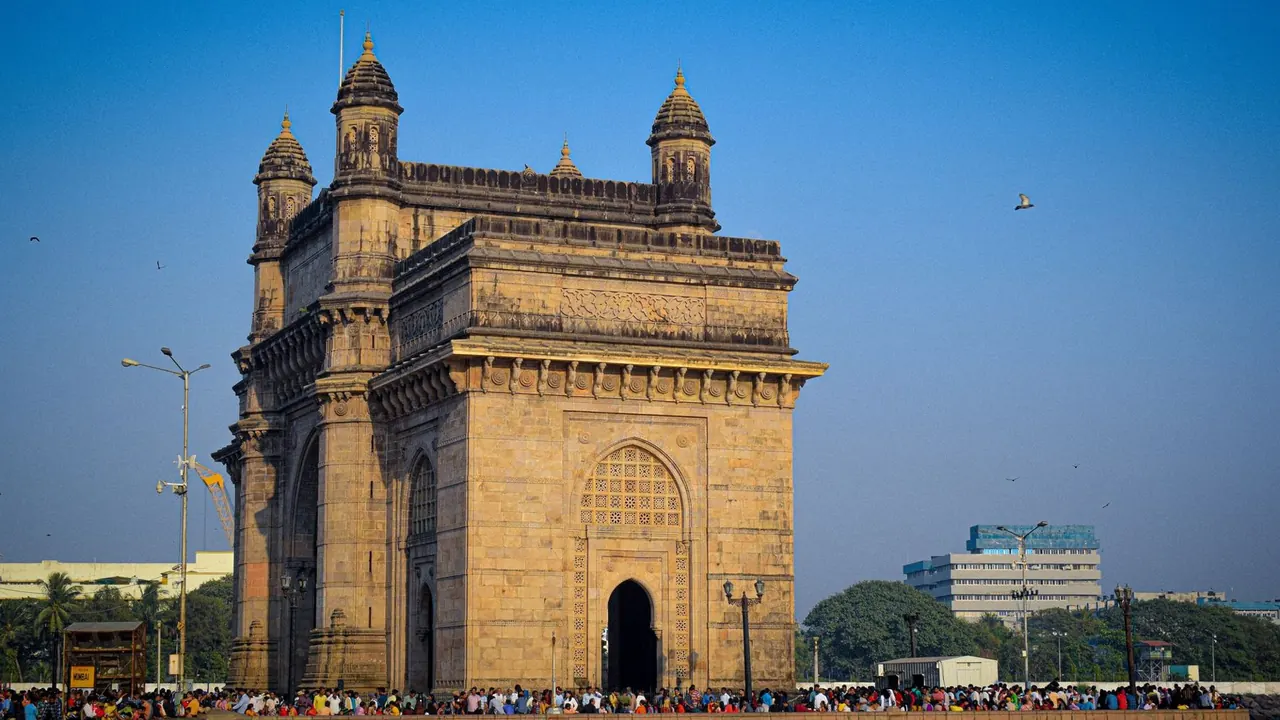
Photos: Bangkok by Lu Zhao, Pexels License; Mumbai by Shubam Bhasin, Pexels License.
Bangkok or Mumbai?
Our verdict in twelve categories, each scored against the same fixed benchmark cities, and the climate month by month, so you can choose for your trip.
Choose Bangkok for
- wellness
- nightlife
- day trips
Bangkok is the stronger all-round city trip. It eats better at every hour, its temples sit close together along the river, the nights out range from rooftop cocktails to backpacker streets, and a massage is never more than a few doors away. Hotels are cheap for the comfort they give, and the Skytrain makes the modern districts easy. It suits first-time visitors to Asia, food lovers, night owls and anyone who wants pampering on a modest budget.
Choose Mumbai for
- nature and the outdoors
- beaches
- live music and the arts
Mumbai rewards a different traveller: one curious about India's commercial capital, its Gothic and Art Deco streetscapes, its Irani cafés and coastal curries, and a stage scene that locals actually attend. It has more green space than you would expect, with leopard forest inside the suburbs and the Western Ghats within reach. Expect slower journeys, earlier nights and dearer hotels, and come for the city's character rather than its comforts.
Scoreboard
Twelve categories on one fixed scale from 0 to 100. The shaded stretch is the gap between the two.
Your match
Pick a travel style or drag the sliders, and both match scores follow your weighting.
Wins on wellness and nightlife with your weighting.
Wins on nature and the outdoors and beaches with your weighting.
What matters to you?
Category by category
What the scores mean for a trip.
Beaches & swimming
Neither city is a place to swim, and the difference lies in what is there instead. Bangkok has no seafront at all, only mudflats and fish farms on the delta, so the water in a rooftop hotel pool is the nearest you will get to a swim. Real sand at Pattaya or Bang Saen is a long road trip away, or the beach becomes a separate stay on the islands or at Hua Hin.
Mumbai at least has a beach to stand on. Juhu and Chowpatty are broad sands for sunset strolls, kites and snacks, but the water is murky and closed in the monsoon. Cleaner sea means a ferry to Alibaug and most of a day.
Food & drink
Both are superb street-food cities, but Bangkok goes deeper. Thai cooking is there at every hour, from pork skewers at breakfast to Yaowarat's night kitchens, with the produce halls of Or Tor Kor, good mall food courts and a serious tier of restaurants reworking regional dishes.
Mumbai's strengths are different: vada pav from station carts, bun maska in the old Irani cafés, Malvani crab and pomfret in coconut curries, and dishes from every corner of India, from Gujarati thalis to Parsi dhansak. It is a fine place to eat, just with fewer standout areas and more care needed at the stalls.
Culture & sights
Bangkok has the more striking sights and they are easier to see. The Grand Palace, Wat Phra Kaew and Wat Pho stand side by side on Rattanakosin Island, with Wat Arun just across the river, so a single day covers the greatest of them. Its temples are still busy places of worship rather than monuments.
Mumbai's appeal is architectural and colonial: the Gothic extravagance of the Chhatrapati Shivaji Maharaj Terminus, the Oval Maidan facing Marine Drive's Art Deco blocks, and the Gateway of India. Its main museum's sculpture and miniatures arguably outdo Bangkok's collections, but the sights are spread out and slow to link up.
Nightlife
This is one of the widest gaps between them. Bangkok offers several kinds of night out: polished cocktail bars and clubs in Thonglor and Ekkamai, cheap street-side drinking on Khao San Road, Silom's long-established gay scene and the city's famous rooftop bars. Bars stay open until around two, and the food stalls keep going after that.
Mumbai's bars and clubs in Bandra, Khar and the Lower Parel mill compounds are dressy and enjoyable, but they close soon after midnight, drinks are heavily taxed and the districts are far apart. Most of Mumbai's evening life is late dinners and seafront walks rather than bars.
Nature & outdoors
Mumbai is the greener choice by some distance. Sanjay Gandhi National Park puts forest, trails, leopards and the Kanheri caves within the northern suburbs, flamingos feed on the mudflats at Sewri in winter, and Marine Drive gives a long sea walk. The Western Ghats, with Matheran and the old hill forts, are close enough for monsoon hikes.
Bangkok's outdoors comes down to parks such as Lumphini, with its monitor lizards, and a bike ride through the palms and orchards of Bang Krachao. Khao Yai's forests and waterfalls need an overnight stay.
Day trips
Bangkok has far more to do within a day's reach. Ayutthaya's temple ruins fill a day by bicycle, and the canal country to the southwest adds the Amphawa floating market, the Maeklong railway market and the great stupa at Nakhon Pathom. Kanchanaburi's Death Railway bridge is also possible as a long day.
Mumbai has one outstanding outing, the hour-long boat to Elephanta's carved Shiva caves, plus the older Buddhist halls at Karla and Bhaja and the sea forts of Alibaug. Its greatest regional sites, Ajanta and Ellora, are too far for a day, and slow roads out of the city limit what else is practical.
Good for families
Children are made welcome in both, but Bangkok gives families more to do and an easier way to reach it. Sea Life Ocean World, Safari World, Dream World and KidZania are all close to the city, the malls have big indoor play areas for hot afternoons, and the Skytrain and river boats are fun in their own right.
Mumbai's outings for children are fewer: the Nehru Science Centre, the Byculla zoo, the harbour ferries and ice cream on Chowpatty. Its theme parks are a long drive out. Both cities are hard on buggies, but in Mumbai a car and driver becomes close to essential.
Getting around
Bangkok is easier, mainly because of its rail. The air-conditioned Skytrain and underground link the main modern districts and the airport, and express boats on the Chao Phraya reach the Grand Palace and Wat Arun. Between stations, though, the heat, footbridges and traffic make walking hard work.
Mumbai's long, narrow shape stretches every journey. The suburban trains are fast but crushingly full at rush hour, the metro covers only part of the city, and most visitors rely on taxis, rickshaws and ride-hailing through slow traffic. The one easy area on foot is the Fort, Kala Ghoda and Colaba.
Shopping & style
Bangkok is the bigger shopping destination. The malls around Siam and Ratchaprasong are linked by walkways from the Skytrain, Chatuchak's thousands of weekend stalls fill a morning, and Thai silk, celadon and benjarong porcelain make good things to take home.
Mumbai's shopping has a different character, built on old bazaars: Crawford Market's spices under a Victorian roof, Zaveri Bazaar's gold, and Chor Bazaar's antiques and film posters. Its best buys are handloom textiles and block prints from the boutiques of Kala Ghoda and Bandra, though the heat and the distances cut shopping days short.
Affordability
Both are cheap places to eat and get about, so the difference lies in the room. In Bangkok, comfortable hotels, including ones with river views and rooftop pools, cost far less than in a Western capital, and massages and tailoring stretch the budget further.
Mumbai is India's most expensive city for accommodation. Good rooms in the south and the better suburbs are dear, and decent budget options are scarce. In both cities imported drinks and smart bars charge close to Western prices.
Live music & performing arts
The two are broadly level, but the scenes differ in kind. Bangkok's highlights are made for visitors: masked khon drama from the Ramakien at the Sala Chalermkrung and the National Theatre, and Muay Thai nights at Rajadamnern and Lumpinee with their ritual music, plus small jazz and blues bars.
Mumbai's stage serves its own residents. The National Centre for the Performing Arts at Nariman Point hosts the Symphony Orchestra of India and Hindustani classical music, while the small Prithvi Theatre in Juhu and the Marathi playhouses of Dadar carry the drama. For an evening out among locals, Mumbai is the better bet.
Wellness & relaxation
Bangkok is much the better place to unwind. Thai massage is part of daily life there, taught and given within the grounds of Wat Pho, offered cheaply on almost every street until late, and turned into long herbal rituals in the riverside hotel spas.
Mumbai has Ayurvedic massage centres, luxury hotel spas and yoga studios around Bandra, but little of this is on the street. Its calm moments are an early walk on Marine Drive or the Bandstand promenade, or a quiet hour by the Banganga Tank, and a proper retreat means leaving for Lonavala or the Konkan coast.
When should you go?
Pick your month. The climate figures are measured averages, not a forecast.
Bangkok in July
Mumbai in July
Daytime high, °C
Rainfall in the month, mm
Temperature and rainfall are climate normals, averaged over the years shown. Bangkok: 1991-2020 normals, Bangkok (5.7 km from centre). Mumbai: 1991-2020 normals, Bombay / Santacruz (5.4 km from centre).
Neither city is ever cool, so the choice mostly comes down to rain. Bangkok is at its best from November to February, when the air is dry and the heat a little less fierce. It gets hotter towards April, which reaches 36°C. The rains run from May to October and peak in September at around 331mm. They mostly come as heavy downpours with drier spells in between, and the sun still shows for several hours on most days.
Mumbai stays almost rainless for longer, from November through May, and the most comfortable walking weather runs from December to February. Its monsoon is far heavier than Bangkok's. July brings around 860mm and very little sunshine, and the sea gets rough enough for swimming to be banned. In October the rains taper off but some showers remain, and the days are hot and sticky at 34°C. In winter the Arabian Sea off Mumbai is a little cooler than the Gulf of Thailand, but in neither city is the sea the reason to go.
Which traveller are you?
On a relaxing and wellness trip, Bangkok is the clear choice. Traditional Thai massage taught at Wat Pho, cheap foot and oil massage on every street and refined hotel spas make unwinding easy, while Mumbai's calm is mostly confined to hotel spas and early promenade walks.
For an outdoors trip, Mumbai offers far more. Sanjay Gandhi National Park brings forest trails, leopards and rock-cut caves inside the city, flamingos gather on the creeks in winter, and the monsoon-green Western Ghats lie about two hours away. Bangkok's outdoors is mostly city parks.
On a food and nightlife trip, Bangkok wins comfortably. It has street cooking from breakfast until long after midnight, Chinatown's open-air kitchens, and bars from Thonglor cocktail rooms to Khao San and the rooftops. Mumbai eats very well too, but its bars close early.
Before you go
| Measure | Bangkok | Mumbai |
|---|---|---|
| Official language | Thai | Hindi, English |
| Currency | Baht (THB) | Indian Rupee (INR) |
| Sockets | ABCF220 V, 50 Hz | CM230 V, 50 Hz |
| Driving side | Left | Left |
| Time zone | UTC+7 | UTC+5:30 |
| Emergency number | Police 191, ambulance 1669, fire 199 | 108 or 112 |
| Elevation | 2 m | 14 m |
| Main airport | Suvarnabhumi Airport (BKK)26 km from centre150 non-stop destinations | Chhatrapati Shivaji Maharaj International Airport (BOM)2 km from centre122 non-stop destinations |
By the numbers
| Measure | Bangkok | Mumbai |
|---|---|---|
| City population | 5,676,648 | 15,414,288 |
| People per km² | 3,619 | 25,563 |
| Museums within 10 km | 59 | 1 |
| UNESCO World Heritage sites within 50 km | 0 | 3 |
| Swim season, months above 21 °C | 12 months | 12 months |
Where else could you go?
Every comparison below shares a destination with this one, so you can follow Bangkok or Mumbai somewhere new.