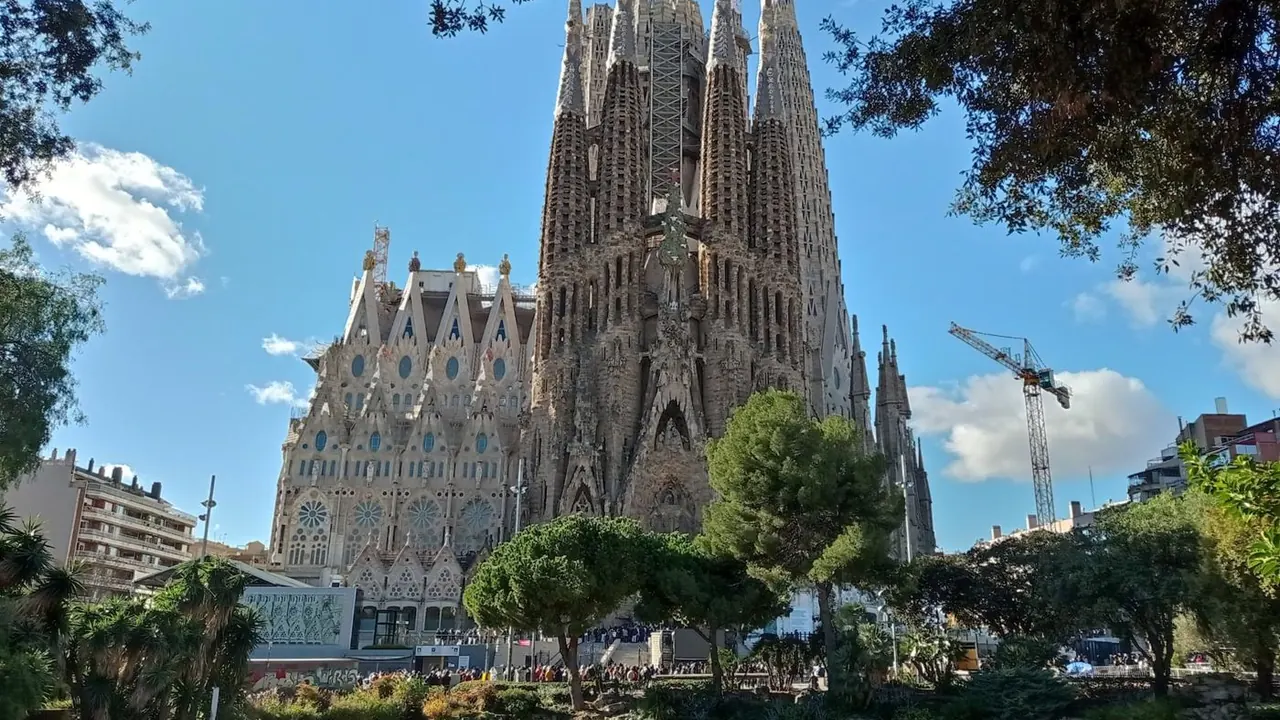
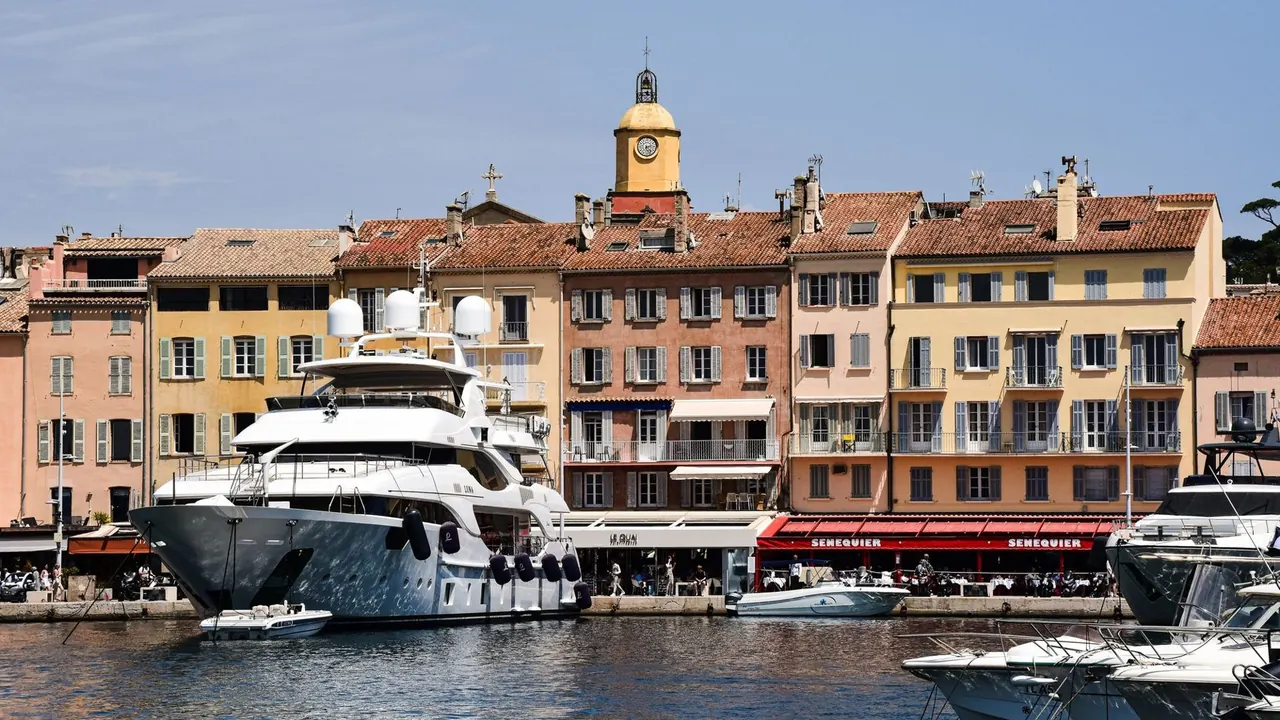
Photos: Barcelona by Canaan, CC BY-SA 4.0, cropped; Saint-Tropez by AXP Photography, Pexels License.
Barcelona or Saint-Tropez?
Our verdict in twelve categories, each scored against the same fixed benchmark cities, and the climate month by month, so you can choose for your trip.
Choose Barcelona for
- live music and the arts
- culture and sights
- getting around
Barcelona suits travellers who want a whole city around their beach time. Gaudí's buildings and the Gothic Quarter, market counters and late tapas, nights that run until dawn, and a metro and fast trains that make Girona or Montserrat easy all add up to a trip that works in any season. It also suits families, and it costs far less to stay in.
Choose Saint-Tropez for
- beaches
Choose Saint-Tropez when the sea itself is the point. The long pale sand of Pampelonne and the quiet coves towards Cap Taillat beat Barcelona's crowded city beaches, and the glamour of the harbour and the beach clubs is the attraction, not a sideshow. Go in summer with a generous budget and a plan for car or boat, and expect little to see beyond the setting itself.
Scoreboard
Twelve categories on one fixed scale from 0 to 100. The shaded stretch is the gap between the two.
Your match
Pick a travel style or drag the sliders, and both match scores follow your weighting.
Wins on live music and the arts and culture and sights with your weighting.
Wins on beaches with your weighting.
What matters to you?
Category by category
What the scores mean for a trip.
Beaches & swimming
Saint-Tropez has the better beaches, though they are not in the town. Pampelonne runs for several kilometres of fine pale sand on the Ramatuelle side, the water is clear, and quieter coves such as Escalet and Cap Taillat lie along the coast path. You need a car, scooter or boat to get there, and beach clubs take up much of Pampelonne.
Barcelona's strength is convenience. Its sand from Barceloneta to Mar Bella is a metro ride or a walk from the old town, but it is man-made and crowded in high summer. The roomier beaches are a train ride away at Sitges, Castelldefels or along the Maresme.
Food & drink
Barcelona is far stronger for food. Catalan cooking, from suquet to calçots with romesco, comes alongside tapas bars, late-morning vermouth and seafood rice. At markets such as Santa Caterina and Sant Antoni you can eat at the counter, and good food comes at every level, from workers' set lunches to tasting menus.
Saint-Tropez has a narrower Provençal table of grilled fish, bouillabaisse and rosé, with polished harbour and hotel dining at the top. The Place des Lices market and a tarte tropézienne are the highlights. Cheap, honest meals are hard to find, and in winter much of the town closes.
Culture & sights
This is where the two differ most. Barcelona has Gaudí's Modernista buildings, from the Sagrada Família to Park Güell, on top of a Gothic Quarter with Roman walls and the church of Santa Maria del Mar. Add the Picasso Museum, the MNAC and the Fundació Miró, and a week is not too long.
Saint-Tropez has one notable museum, the Annonciade, with pointillist and Fauvist paintings from the years when Signac painted the harbour. Beyond that there is the maritime museum in the citadel and the lanes of La Ponche. A day covers it, and most people come for the setting rather than the history.
Nightlife
Barcelona's nights are broader, and they go on all year. There are cocktail bars in medieval cellars in the Born, scruffy bars in the Raval, outdoor drinking in Gràcia's squares, pintxos on Blai street, the gay scene in the Eixample and serious electronic club nights.
Saint-Tropez does one thing, and only in summer. Beach-club afternoons at Pampelonne lead to champagne on the harbour and then a few famous clubs with table service and a dress code. Out of season the harbour goes quiet, and there is little ordinary bar life to fall back on.
Nature & outdoors
Both have good outdoors close by, but of different kinds. Barcelona's is mostly hills and mountains: the wooded Collserola park above the city, the Carretera de les Aigües path, Montjuïc's gardens, and Montserrat and the Garraf further out, with paddleboarding and windsurfing off Mar Bella.
Saint-Tropez's is the coast itself. The Sentier du Littoral runs past coves to the capes of Camarat and Taillat, and there are cork-oak forests in the Maures, sailing and snorkelling in the gulf, and the protected islands of Port-Cros and Porquerolles. In both places, spring and autumn suit walking better than the summer heat.
Day trips
Barcelona has more places to visit and an easier way of getting to them. Fast trains take you to Girona's walled old town and Jewish quarter in under forty minutes. Figueres, Roman Tarragona, Montserrat, Sitges and the cava cellars of the Penedès are all simple outings.
The trips from Saint-Tropez are pretty rather than important: the hilltop villages of Ramatuelle and Gassin, Grimaud's castle, the canals of Port Grimaud by boat and the island of Porquerolles. Almost all of them depend on roads that jam badly in July and August.
Good for families
Barcelona is far easier with children. Local habits help: children join their parents at late dinners without anyone minding, and nearly every neighbourhood square has swings and slides. The zoo sits in the Ciutadella park in the middle of town, and PortAventura's theme parks, about an hour south, make a bigger day out. The catch is the old town, whose crowded, narrow lanes make a pushchair hard work, especially in the July and August heat.
Saint-Tropez works for families mainly on the sand. Pampelonne and Gigaro shelve gently enough for small children, and the compact town is easy to stroll with them. But the harbour and the beach clubs are built around adults, and the water parks are elsewhere on the Var coast. Many families base themselves in Sainte-Maxime or a village around the gulf and come across by boat for the day.
Getting around
You never need a car in Barcelona. The centre is flat and easy to walk, the metro is simple, trams, buses and bike lanes cover the rest, and only Park Güell, Montjuïc and Tibidabo involve a climb or a funicular.
The town of Saint-Tropez is only a few minutes from end to end, but there is no railway, the buses are slow and the beaches are several kilometres out. Expect to rely on a car, a scooter or taxis, and to sit in summer jams on the gulf road. The boats from Sainte-Maxime and Port Grimaud are the pleasant way in.
Shopping & style
Barcelona has the wider range. The Passeig de Gràcia and the Rambla de Catalunya have the big names, the Born has independent designers, Gràcia has small craft shops, the Raval has vintage and record shops, and Els Encants flea market is worth a browse.
Saint-Tropez is narrower, but it has a surprising number of luxury shops for its size. Fashion houses open summer shops behind the port, alongside resort wear and the hand-made Tropézienne sandals. Beyond those and the Place des Lices market, choice thins out, and many shops close for the winter.
Affordability
Neither is cheap, but the gap is wide. Barcelona costs about the Western European average. Hotels and the entry fees for Gaudí's buildings are the big expenses, while set lunches, market counters and transport passes keep daily spending down.
In summer Saint-Tropez is among the most expensive places on the Mediterranean, from rooms and beach loungers to a coffee on the port, with taxis or parking on top. Budget visitors usually stay across the gulf or inland and come in for the day.
Live music & performing arts
Barcelona has a full performing arts programme. There is opera and ballet at the Liceu, concerts at the Palau de la Música and L'Auditori, and serious theatre at the Lliure and the Mercat de les Flors, though most plays are in Catalan or Spanish. Add jazz cellars, flamenco, and festivals such as Sónar, Primavera Sound and the Grec.
Saint-Tropez has summer concerts in gardens and on the citadel, some live sets in the beach clubs, and the Bravade procession each May. The rest of the year there is very little, and for opera or theatre you have to drive to Toulon or Nice.
Wellness & relaxation
Neither is a place to go for a spa. Barcelona has a few Arab-style bath houses in the old town, and calm comes from long lunches and evening walks in Collserola or on Montjuïc, but the centre stays crowded and late all year.
Saint-Tropez's spas belong to its luxury hotels, and high summer is loud. In May, June and September, though, the town slows to pétanque under the plane trees and morning walks to the citadel, which is more restful than anything in central Barcelona.
When should you go?
Pick your month. The climate figures are measured averages, not a forecast.
Barcelona in July
Saint-Tropez in July
Daytime high, °C
Rainfall in the month, mm
Where the figures come from
Saint-Tropez has no rain gauge within 25 km of the centre, so its rainfall comes from a gridded climate dataset read at the city rather than from a gauge further away.
Saint-Tropez's sunshine is measured 62 km from the centre, at Nice.
Temperature and rainfall are climate normals, averaged over the years shown. Barcelona: 1991-2020 normals, Barcelona / Aeropuerto (14.4 km from centre). Saint-Tropez: 1999-2020 (sunshine 1991-2020, rainfall 1991-2020) normals, Le Luc (24.2 km from centre).
Barcelona has the longer useful year. The sea is warm enough to swim in from June to late September and reaches about 25°C in August. Summer highs stay in the high twenties, which is warm but still manageable for sightseeing. The heaviest rain falls in September and October. April, May and early June are the best weeks for walking the city, mild and already sunny, and winters are cool but fairly dry.
Saint-Tropez is hotter and drier at the height of summer. Highs reach about 32°C in July and August, July brings almost no rain and the days are sunnier than in Barcelona. That is ideal beach weather but heavy going in the afternoons. Its sea warms on a similar timetable, swimmable from June to September, but after the summer the rain comes hard, peaking at about 155mm in November. May, June and September are the kindest months, warm enough for the beach by June and far easier for being outdoors.
Which traveller are you?
On a culture and arts trip, Barcelona is the clear choice. The Sagrada Família, the Gothic Quarter, the Picasso Museum and the MNAC fill days, and evenings can end at the Liceu or the Palau de la Música. Saint-Tropez's sights take a single day.
For a beach and sun trip, Saint-Tropez comes out ahead. Pampelonne's fine sand and clear water, the quieter coves at Gigaro and Escalet and the dry, hot Julys make the sea the whole point. Barcelona's man-made city beaches are packed in summer.
On a family trip with children, Barcelona is much easier. The aquarium, CosmoCaixa, the Tibidabo funfair and a metro ride to the beach keep days simple. Saint-Tropez has gentle sand but little else for children, along with summer traffic jams and steep prices.
Before you go
| Measure | Barcelona | Saint-Tropez |
|---|---|---|
| Official language | Spanish | French |
| Currency | Euro (EUR) | Euro (EUR) |
| Sockets | CF230 V, 50 Hz | CE230 V, 50 Hz |
| Driving side | Right | Right |
| Time zone | UTC+1, UTC+2 in summer | UTC+1, UTC+2 in summer |
| Emergency number | 112 | 112 |
| Elevation | 9 m | 0 m |
| Main airport | Josep Tarradellas Barcelona-El Prat Airport (BCN)13 km from centre235 non-stop destinations | Nice-Côte d'Azur Airport (NCE)64 km from centre130 non-stop destinations |
| Public holidays this year | 14 days | 11 days |
By the numbers
| Measure | Barcelona | Saint-Tropez |
|---|---|---|
| City population | 1,731,649 | 3,582 |
| People per km² | 17,094 | 320 |
| Museums within 10 km | 95 | 4 |
| UNESCO World Heritage sites within 50 km | 3 | 0 |
| Swim season, months above 21 °C | 3 months | 3 months |
Where else could you go?
Every comparison below shares a destination with this one, so you can follow Barcelona or Saint-Tropez somewhere new.